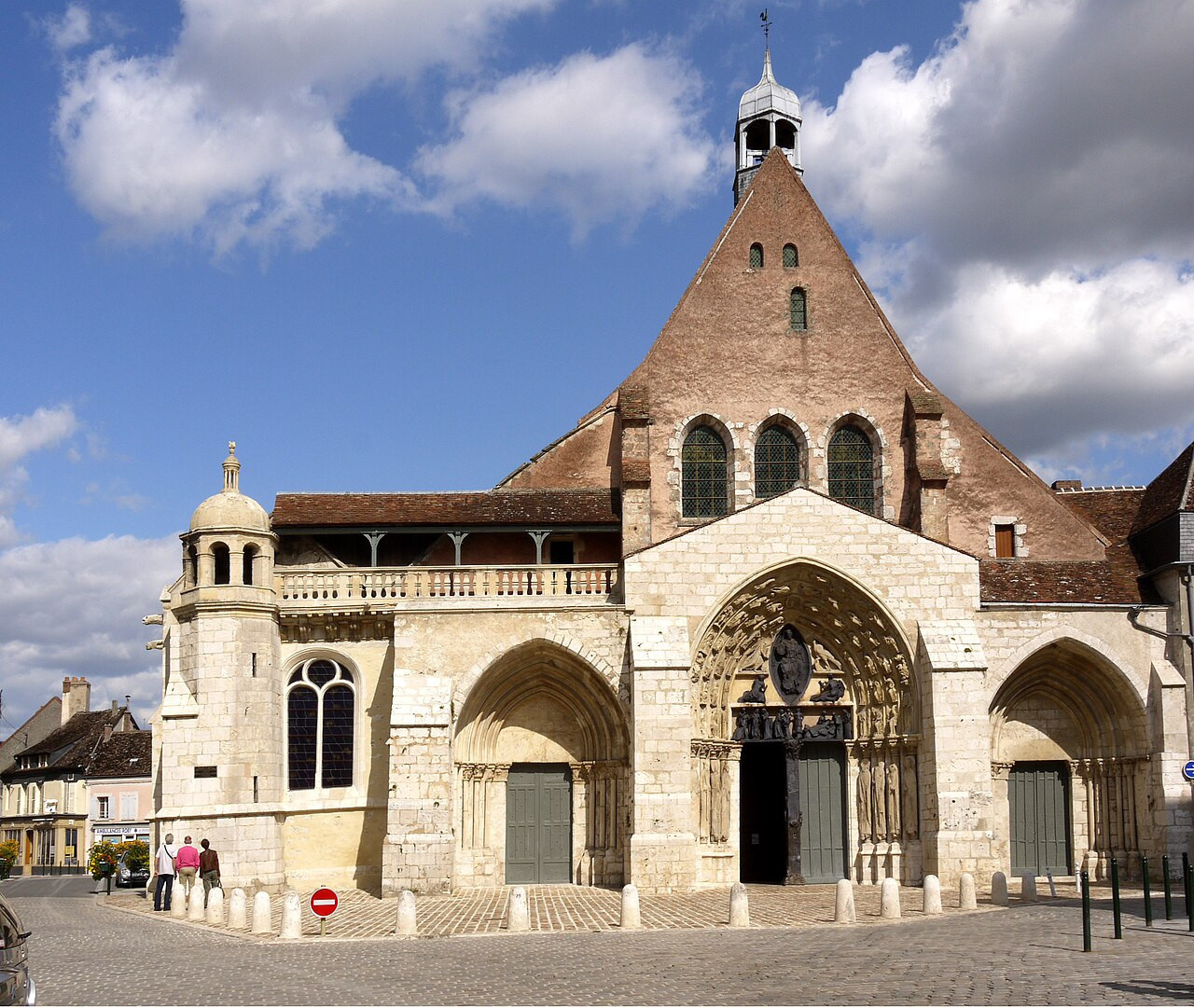
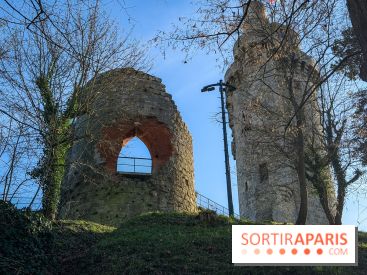
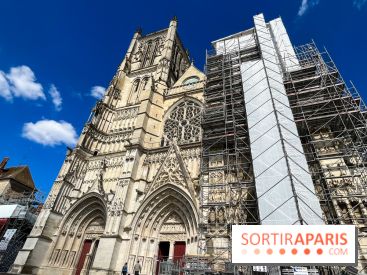
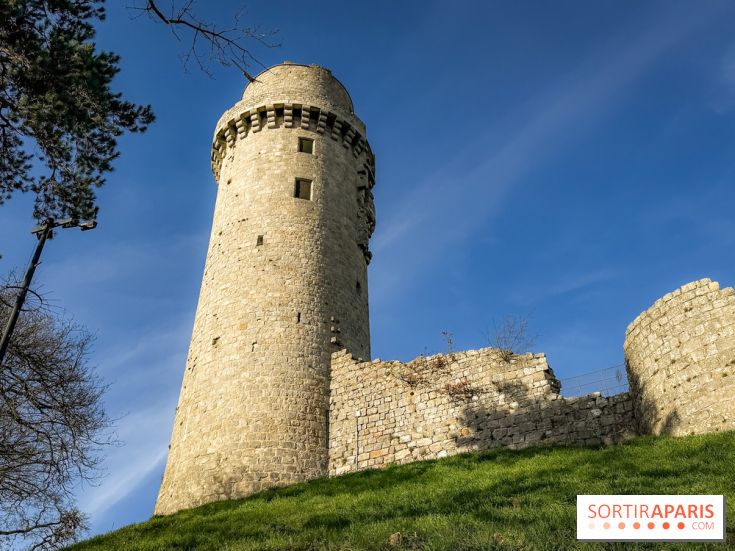
Sometimes you have to look up to spot the best-kept secrets of Provins. In this medieval town of Seine-et-Marne, known for its ramparts, its Champagne fairs and its living-history atmosphere, the église Saint-Ayoul hides a rather discreet surprise: a lantern of the dead, installed high above the building. A relatively uncommon architectural detail in Île-de-France, which adds a touch of mystery to a church already steeped in history.
The story of Saint-Ayoul begins with a discovery that left a mark on the town: relics attributed to Saint Ayoul, also known as Saint Aigulphe, dating from the late 10th century. The relics were said to have been found in 996 and kept in a chapel dedicated to Saint Médard. The rush of pilgrims then spurred the creation of a larger complex: a Benedictine priory founded in the 11th century, with a charter dated 1048. In the Middle Ages, Saint-Ayoul became a major religious hub in Provins’ lower quarter. Around the priory, pilgrims drew merchants, and Provins’s earliest commercial fairs took shape in this area.
A lanterne des morts is a small edifice or a masonry feature, often shaped like an empty tower, crowned with a perforated lantern. In the Middle Ages, a lamp was likely raised there, visible after nightfall. Its exact purpose remains debated: it may have marked a cemetery, accompanied prayers for the dead, symbolized the divine light, or served as a symbolic protection for both the living and the dead.
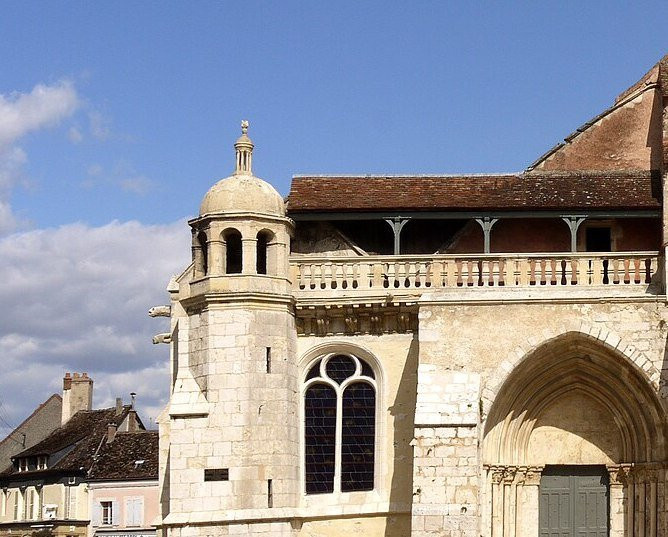
In Saint-Ayoul, the lantern is unusual: it doesn’t sit as a towering, standalone column in the middle of an old cemetery, but as a small lantern perched atop the church. A specialist inventory describes it as a lantern crowning Saint-Ayoul, accessible by a spiral staircase that leads to a small terrace, topped by an octagonal lantern.
If this lantern is striking, it’s also because this kind of monument is rare in Île-de-France. The lanternes des morts are mainly associated with the central-west of France. Their silhouette is familiar in Limousin, Poitou and Saintonge, regions where these small funeral lanterns are far more common.
In the Île-de-France region, the medieval religious landscape took other forms: belfries, cemetery crosses, chapels, effigies, gravestones... The lanternes des morts are therefore rare guests there. The one at , in a town as steeped in the Middle Ages as Provins to the east, is a funerary curiosity that deserves an especially close look.
Listed and protected as a historic monument on several occasions, the former Priory of Saint-Ayoul has weathered fires, rebuildings, the Revolution and military uses before being restored. Today, its lantern of the dead adds a touch that is almost poetic to the visit.
This page may contain AI-assisted elements, more information here.
Location
Saint-Ayoul Church
2 Cour des Bénédictins
77160 Provins