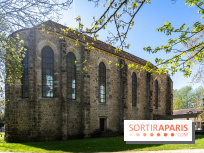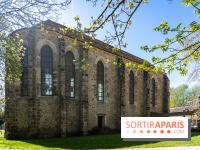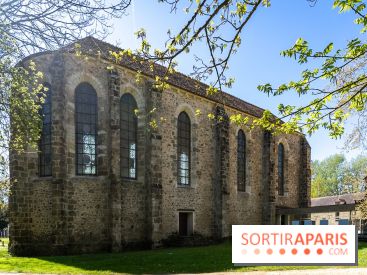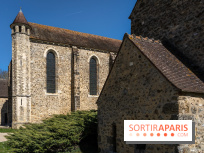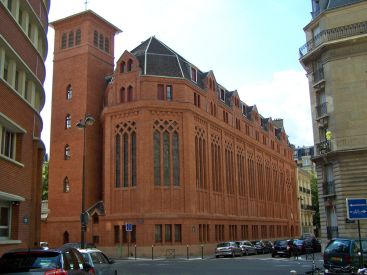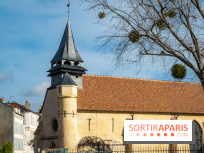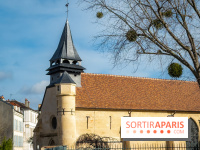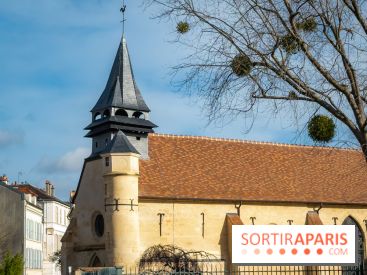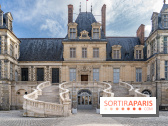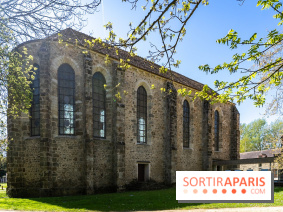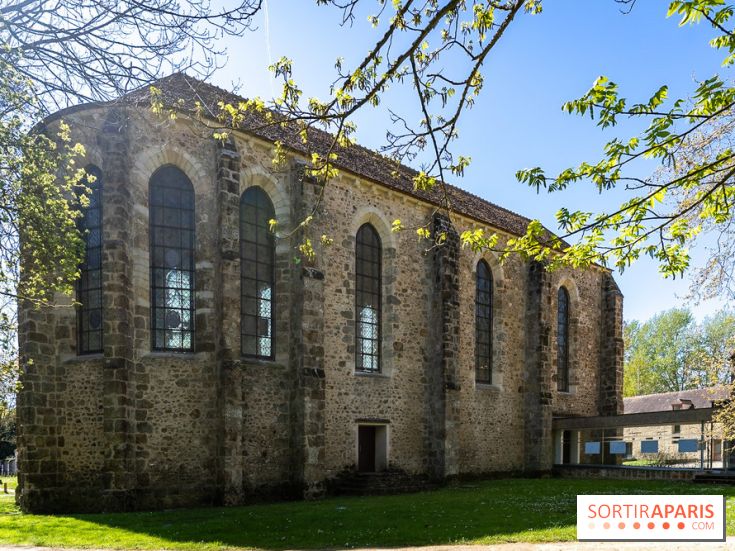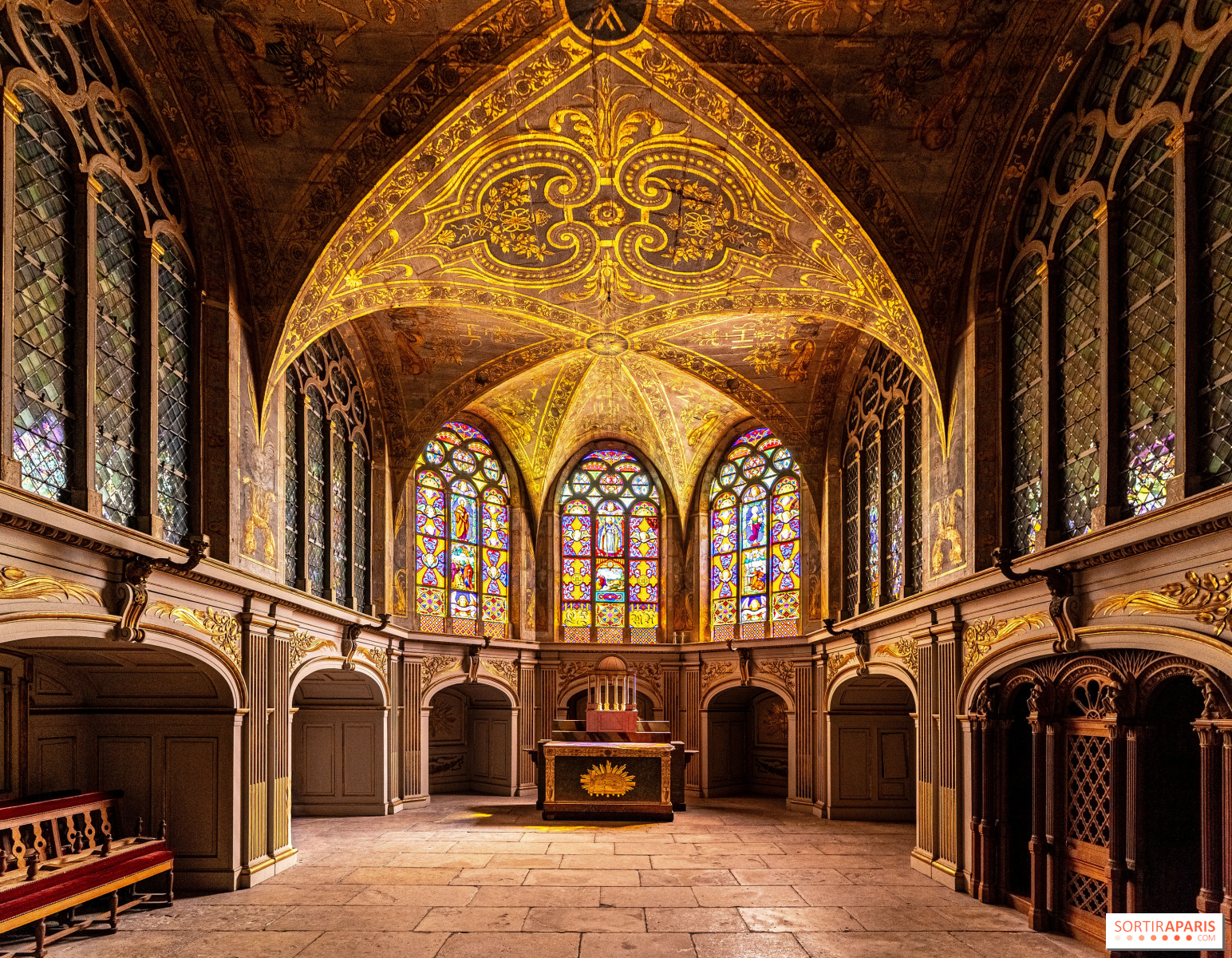
At the château de Fontainebleau, in Seine-et-Marne (77), everyone knows the François I gallery, the ballroom, and the horseshoe staircase. But the château still guards many secrets, and the Lower Saint-Saturnin Chapel is one of its little‑known gems. Nestled on the ground floor of the upper chapel, it is among the spaces usually closed to the public, only revealed during castle secrets tours or on European Heritage Days. A rare privilege for a place that has seen it all.
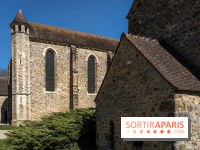
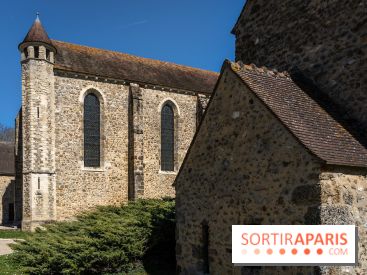
Originally reserved for the king’s servants, this chapel was built in the 1530s during the reign of François Iᵉʳ and, while the upper chapel was under construction, served as the court’s main oratory. An oratory, for those wondering, is a private prayer space, more discreet than a traditional chapel, usually set aside for a small community or a family. Here, far from the pomp of the grand royal ceremonies, the place feels hushed, almost confidential, a nice counterpoint to the splendor of the rest of the castle.
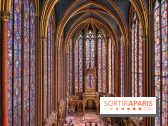
The Saint-Saturnin Chapel is organized on two stacked levels, in keeping with the prevailing layout of Holy Chapels, much like its grand Parisian cousin. Below, the staff; above, the king and his court. A hierarchy carved in stone that, by itself, sums up the entire logic of Renaissance court life.

It's within these discreet walls that French history has sometimes taken an unexpected turn. It is in this chapel that the future François II was baptized on 19 January 1544, the son of Henry II and Catherine de Médicis. He would ascend the throne at barely fifteen, ruling for less than a year and a half before dying prematurely. A meteoric destiny whose starting point unfolds here, in this room that visitors brush past without suspecting it on a routine tour.
The site then enjoyed a second life in the 19th century. While the upper chapel had become a library by order of Napoleon I, the lower chapel became the royal family's oratory. Between 1834 and 1836, during Louis-Philippe's reign, the chevet’s windows were fitted with Gothic-style stained glass depicting Saint Saturnin, Saint Philippe and Saint Amélie, the patron saints of the royal family. What makes these stained glass panels even more distinctive is their provenance: crafted at the Sèvres factory, they were executed from the designs of Princess Marie, the king’s daughter. A royal chapel decorated by the hand of an artist-princess—that certainly gives the space a strong character.
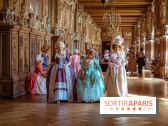
The lower chapel of Saint-Saturnin is among the spaces available on certain guided château tours, alongside the Gallery of the Stags, Madame de Maintenon’s apartment, and the Napoléon III Theatre. These tours let visitors venture into rooms normally off the regular circuit, with a guide to tell the stories the walls don’t tell on their own. For groups, dedicated formats that include these confidential spaces are available on the château’s website, with mandatory reservations. The Heritage Days 2026, scheduled for 19 and 20 September, also offer a great opportunity to try and access them. And if you want to extend the experience, note that Fontainebleau runs historical reenactment events year-round, including the Marie-Antoinette at Fontainebleau program, which plunges visitors into the atmosphere of the 18th‑century court.
The chapel can also be privatized, and we’re told it is regularly requested for tournages or shootings photo de mariage. It’s not really a surprise: with its vitraux néo-gothiques that refract light across the ancient stones, this discreet yet dazzling setting offers a striking backdrop, far from the usual decor.
The château welcomes visitors every day except Tuesday, January 1, May 1 and December 25. From April to September, opening hours run from 9:30 a.m. to 6 p.m., and from October to March, 9:30 a.m. to 5 p.m. The full admission is €17, with a reduced rate of €15, and entry is free for those under 26. From Paris, it’s about a 45-minute drive via the A6, or a train from Gare de Lyon to Fontainebleau-Avon, then a bus to the La Poste-Château stop. And if you’d like to extend the day, our guide to the Seine-et-Marne heritage is packed with other gems reachable by train.
Our take: Saint-Saturnin’s Lower Chapel is, first and foremost, for heritage lovers who want to go beyond the usual circuit and for the curious who like the feeling that history isn’t quite finished behind a closed door. It’s also a wonderful outing for history‑mobby families, photographers chasing Gothic light, or couples dreaming of an extraordinary setting. If you’re visiting the château for the first time, prioritize the essentials before slipping into its most secret corners.
Also to read on Sortiraparis:
Location
Château de Fontainebleau
77300 Fontainebleau
77300 Fontainebleau
Official website
www.chateaudefontainebleau.fr