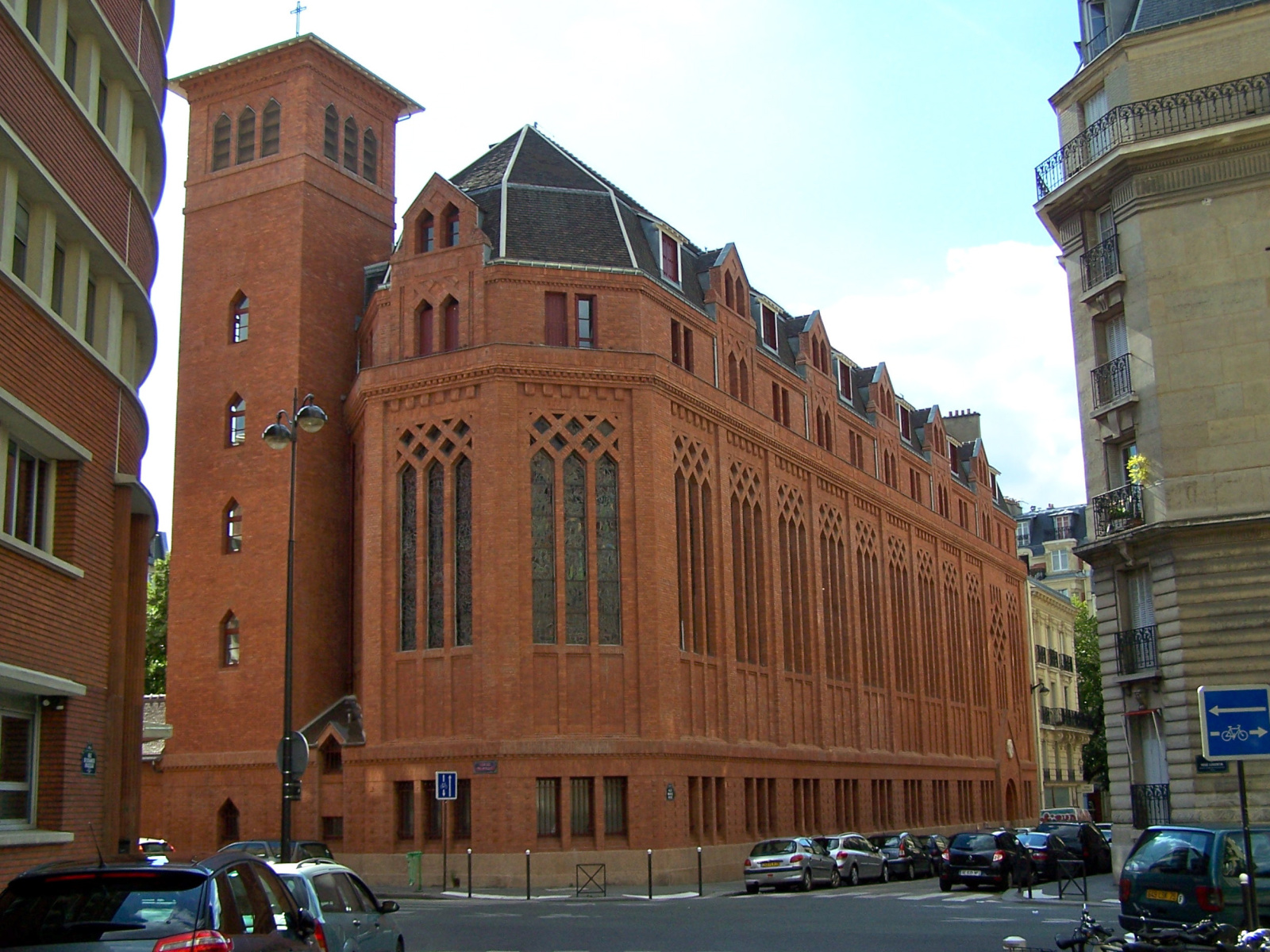
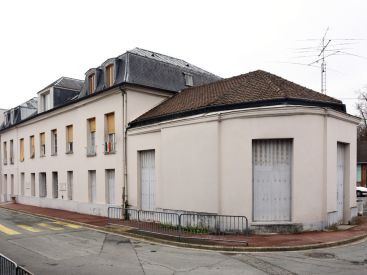
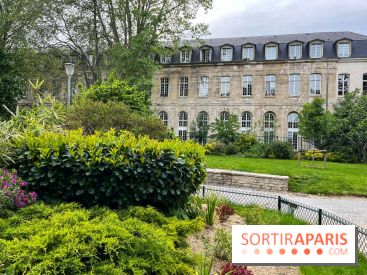
The 14th arrondissement is often associated with artist workshops. However, it also hides a lesser-known religious heritage. Tucked away within a quiet convent, the Franciscan chapel presents an unexpected face. The first surprise is its shape. Rectangular, with no spectacular transept or theatrical apse, the building stands out from the traditional design of old churches. This architectural choice, typical of some 20th-century religious structures, emphasizes straightforward space and practicality.
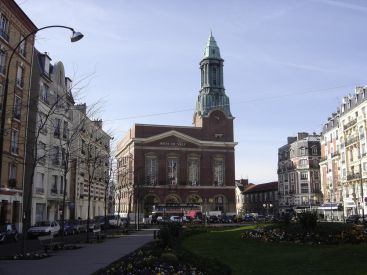
Brick takes center stage here: a modest, warm, and distinctly urban material. In Paris, where cut stone largely defines the historic architecture, the use of brick catches the attentive eye. Founded by Saint Francis of Assisi in the 13th century, the Franciscan order is renowned for its ideals of humility and simplicity. This spiritual ethos is reflected directly in the design of the convent and its Parisian chapel.
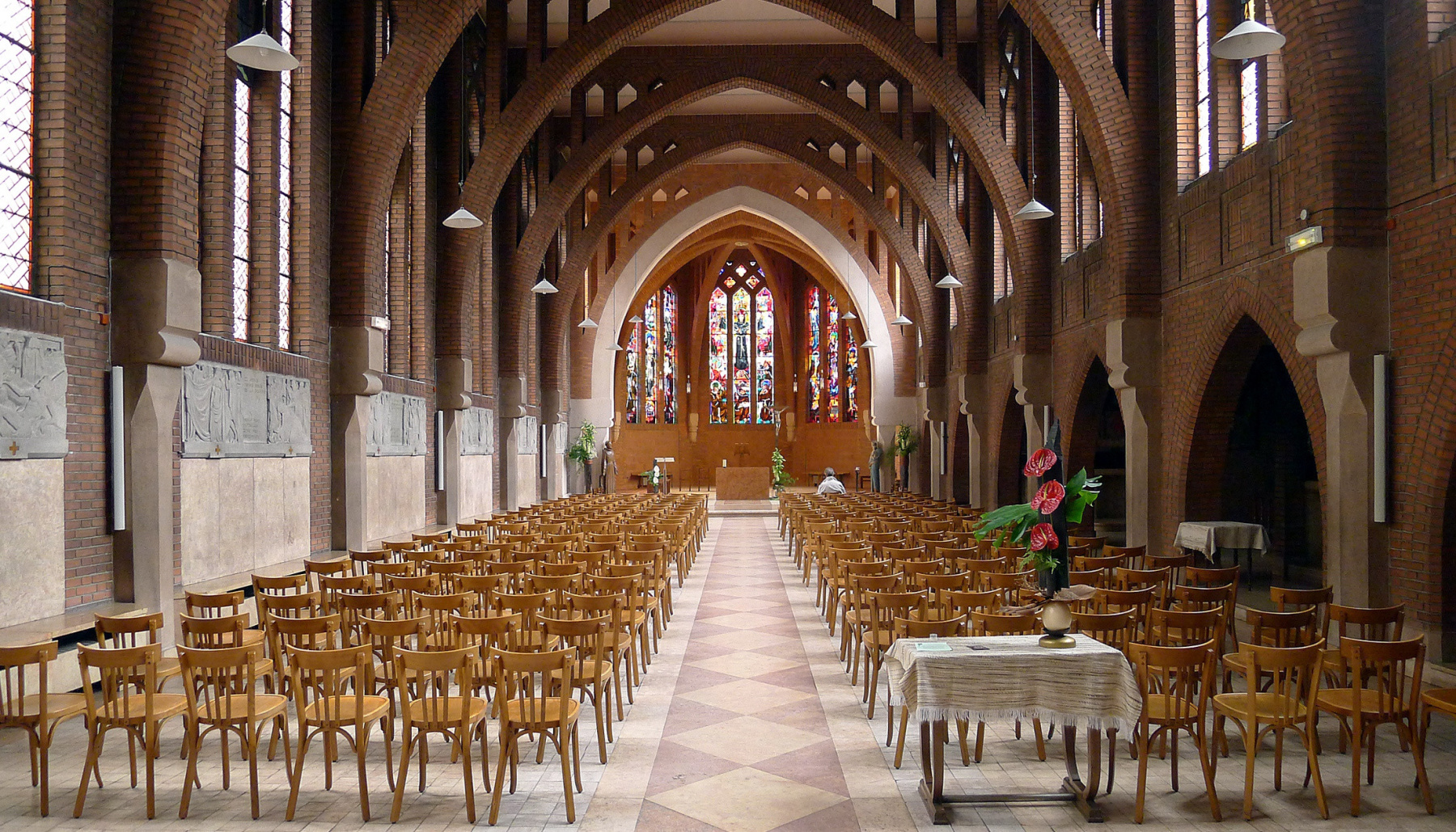
Gone are the unnecessary ornaments and flashy decorations. The design features clean, sharp lines with materials left intentionally exposed. Natural light emphasizes the building's simple, geometric form. The Franciscan chapel of the Saint-François Monastery reflects a period when the Church sought to engage in dialogue with modern times during the 20th century. Materials evolved, shapes became more straightforward, and spaces were reimagined. While concrete sometimes provides structural support, here it is the brick that sets the tone and defines its visual identity.
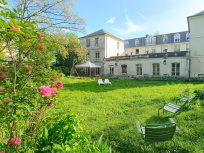
The chapel itself is open to the public and welcomes visitors eager to explore this remarkable example of rectangular brick religious architecture. While the communal living spaces remain private, this part of the convent is accessible to all. Be sure to check the opening hours and maintain the tranquility of this sacred space.
This page may contain AI-assisted elements, more information here.