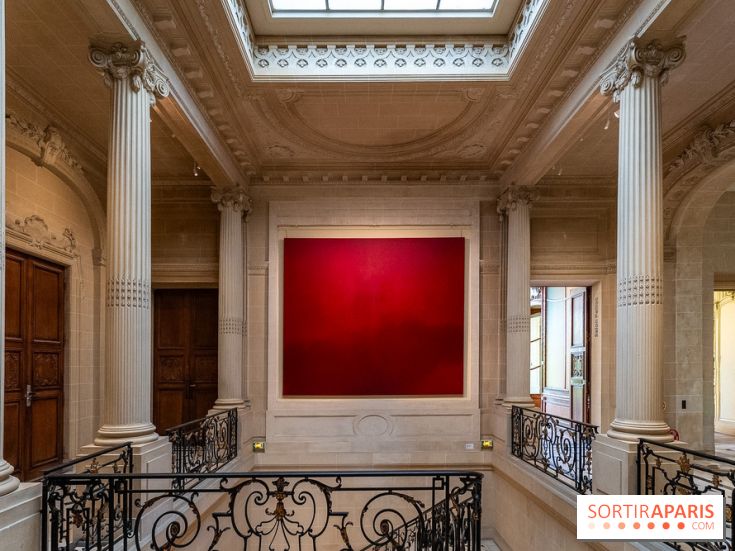
The Cluny Museum is one of the few places where visitors can admire remnants of antiquity in Paris. Beneath its medieval stones, the foundations of Lutetia still emerge, a reminder that Paris is a city layered with history, built upon its own memories. Amidst the hustle of the Latin Quarter, this site offers a timeless refuge. It’s a place where Roman antiquity converses with the Middle Ages, revealing one of the city’s oldest chapters.
Before becoming Paris, the city was called Lutèce. In the 1st and 2nd centuries AD, its residents visited expansive baths located north of the ancient forum. The Cluny thermes, of which part still remains today, ranked among the most significant thermal complexes in Roman Gaul. These public baths were more than just places for hygiene—they served as lively social hubs in Roman society. People went there to relax, discuss business, work out, or simply see and be seen.
Back then, the baths consisted of several distinct areas: the caldarium (hot room), the tepidarium (warm room), and of course, the frigidarium. An ingenious hypocaust heating system circulated warm air beneath the floors and within the walls, showcasing a remarkable technological achievement for its time in antiquity.
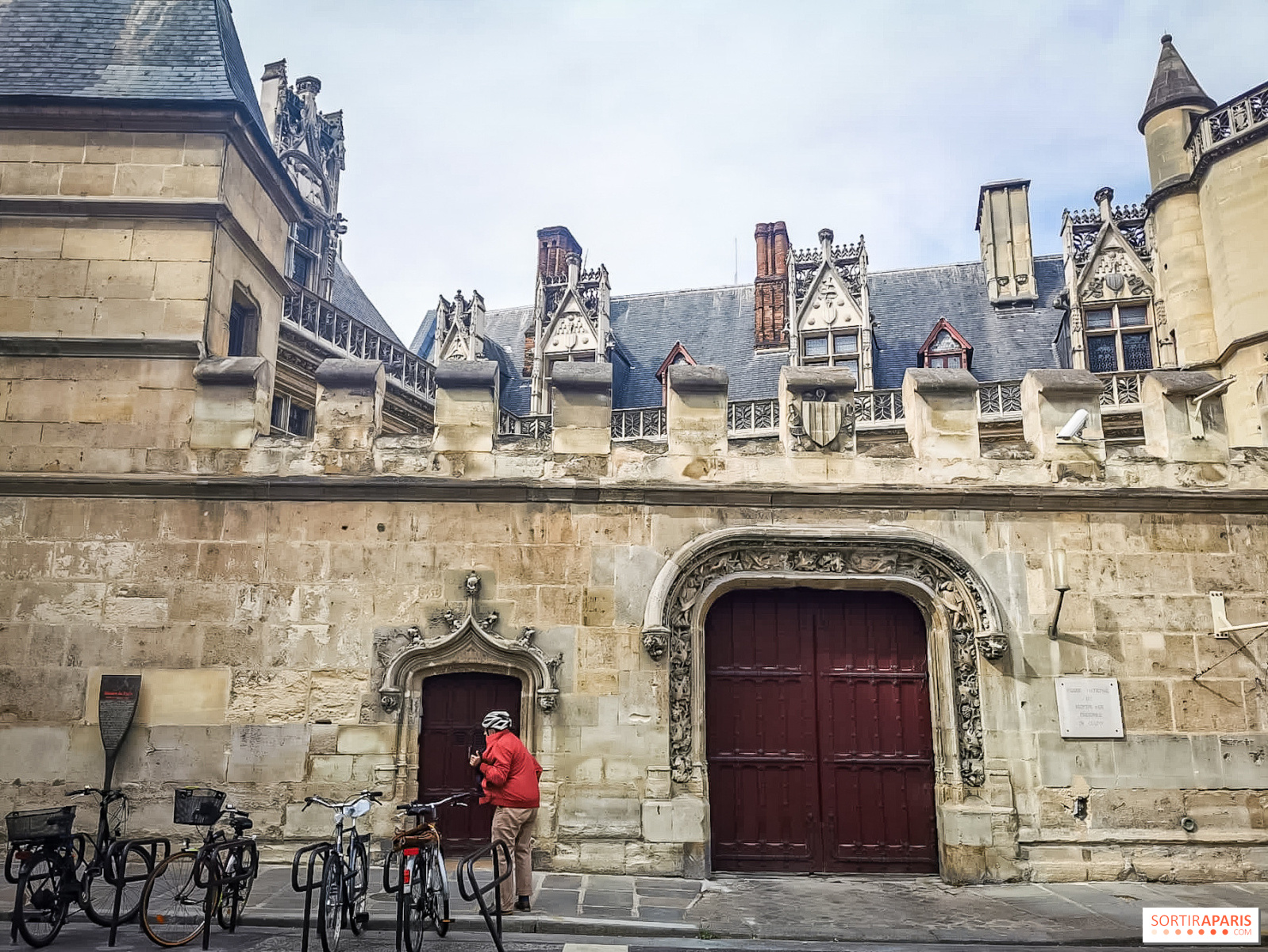
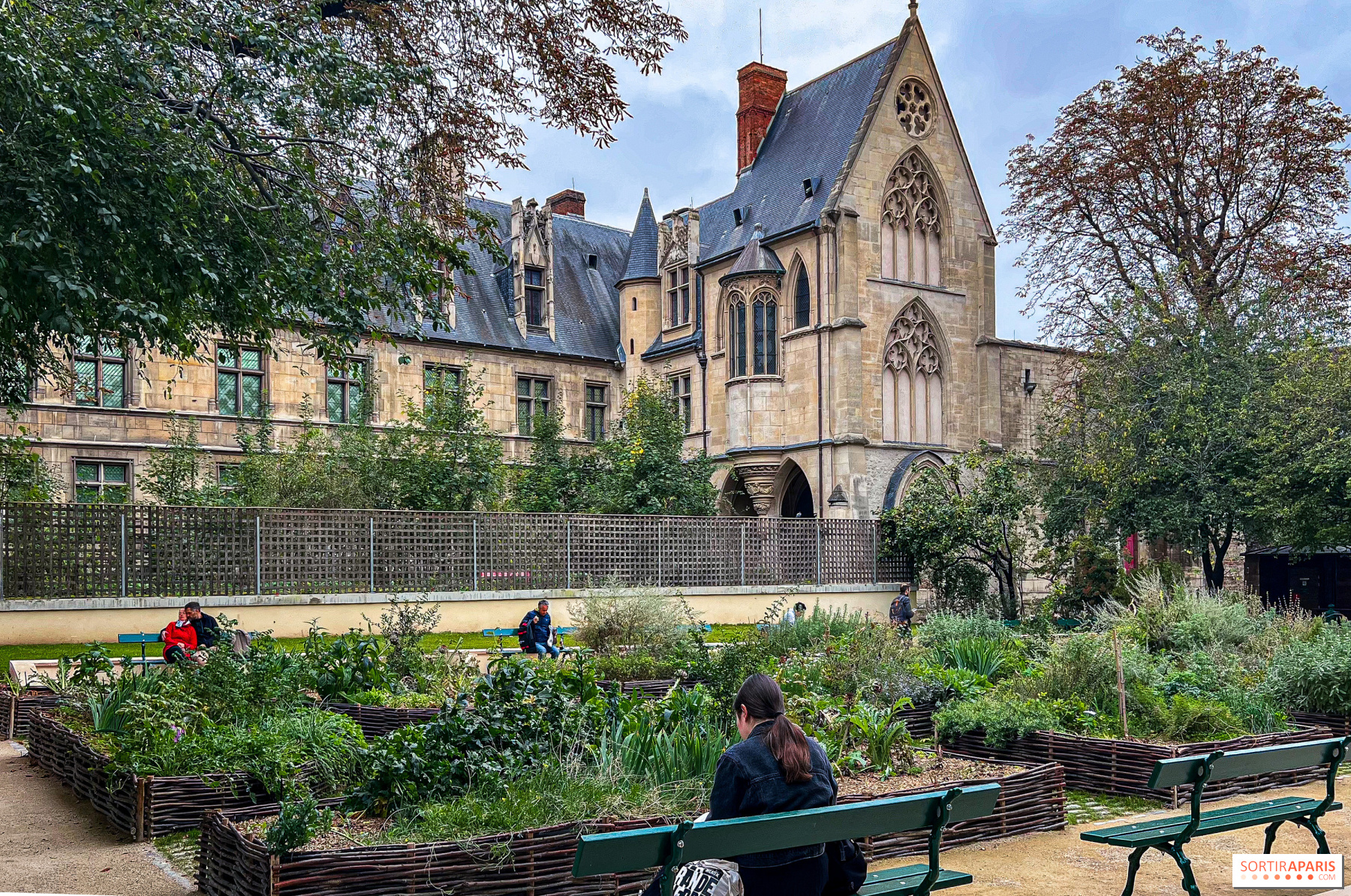
These baths are believed to have remained in use until the 3rd century, after which they were gradually abandoned following the invasions and the decline of the ancient city. The stones were even repurposed as a quarry during the Middle Ages. Centuries later, in the 15th century, a private mansion was built nearby on the very site of the ancient ruins: the Hôtel de Cluny. This exquisite example of flamboyant Gothic architecture, with its turrets, intricately carved dormers, and refined decorative details, became the residence of the abbots of Cluny.
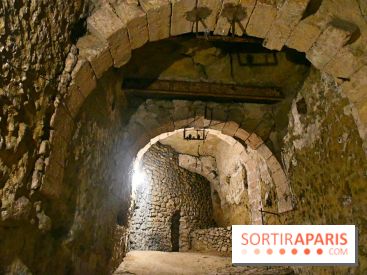
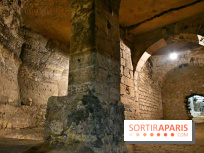
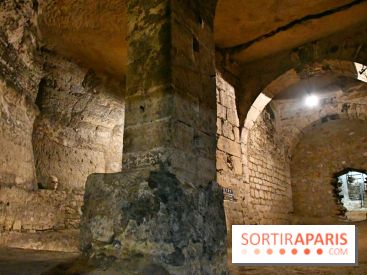
Now known as the Cluny Baths, the visible remains today mainly consist of the frigidarium, the cold room. And what a room it is! With its vaulted ceiling reaching nearly 14 meters high, it still leaves visitors in awe with its monumental scale. The thick walls, rounded arches, and traces of decoration highlight the mastery of Roman architecture. You can explore them occasionally on guided tours!
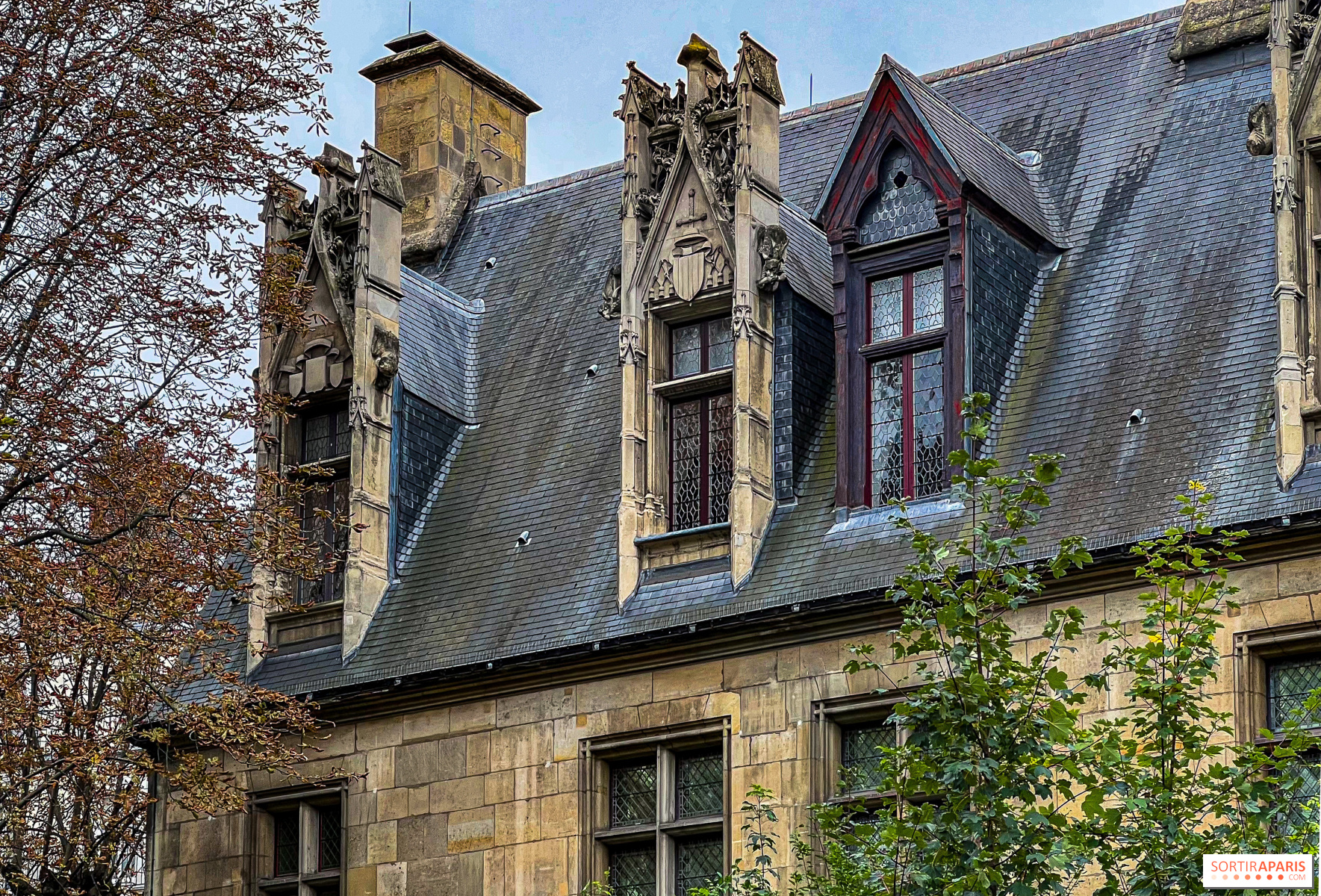
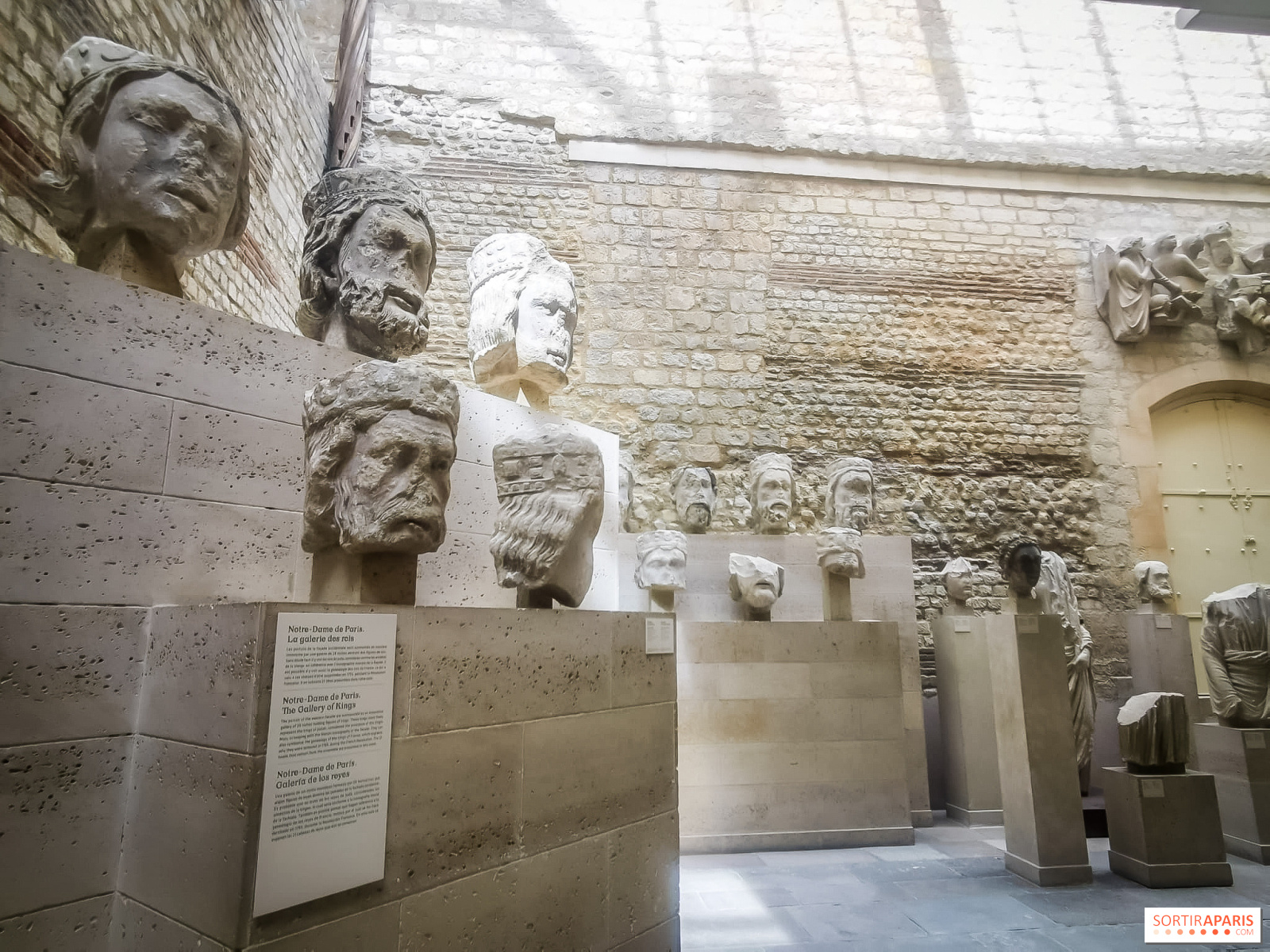
It is this rare blend of Gallo-Roman ruins and medieval architecture that makes the site truly exceptional. In the 19th century, the entire complex was transformed into the National Museum of the Middle Ages. Today, the Musée de Cluny houses major collections of medieval art, including the iconic tapestry La Dame à la licorne, a 15th-century masterpiece. What truly sets it apart in Paris, however, is the fascinating layering of eras: you can walk seamlessly from ancient baths to Gothic halls in just a few steps.
This page may contain AI-assisted elements, more information here.
Location
Musée du Moyen-Age - Musée de Cluny
28 Rue du Sommerard
75005 Paris 5
Access
Metro line 10 "Cluny - La Sorbonne" station