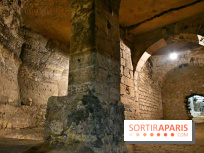
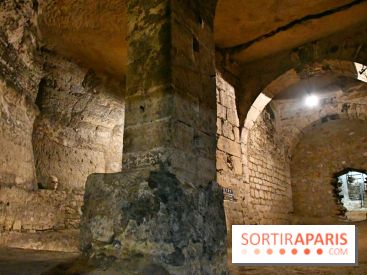
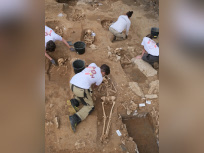
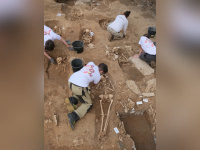
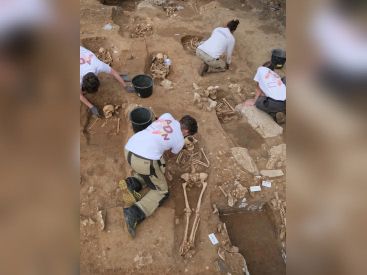
In Buno-Bonnevaux, located in Essonne, two discreet caves open a striking window onto the burial rites of the Neolithic period. For those interested in prehistoric France, the heritage of Essonne, or the mysterious Neolithic burial sites, these two sites hide a real treasure.
Two notable monuments are found in the commune of Buno-Bonnevaux, located in the south of Essonne. The Fontaine Saint-Léger tomb is well known, having been discovered long ago: in 1868, by a farmer during land clearing. However, the Champtier des Bureaux tomb has only been publicly known since 1954. Today, both sites are protected as historic monuments,
with the Fontaine Saint-Léger elegible since 1976, and the Champtier des Bureaux site has been listed since 1975.
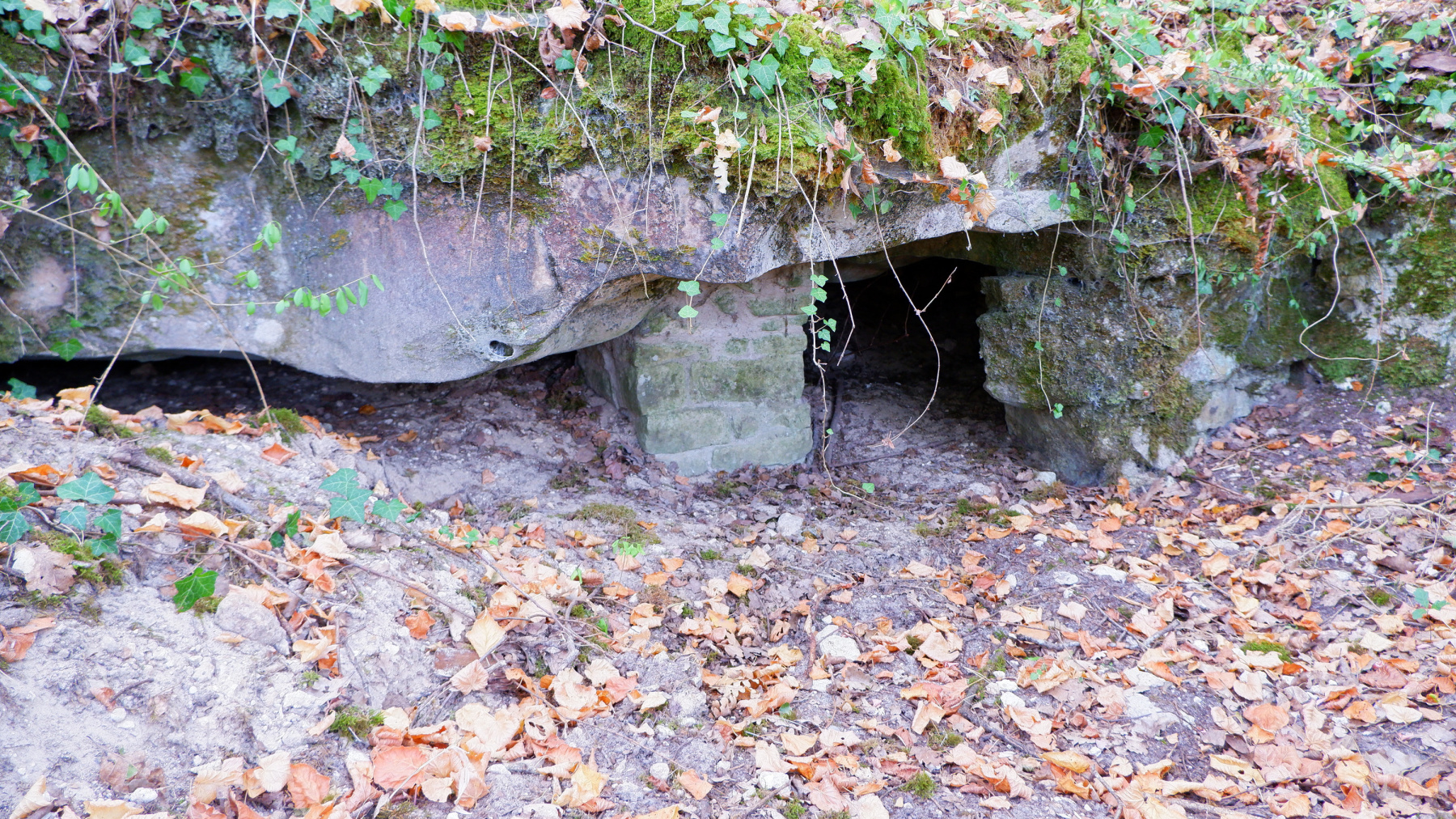
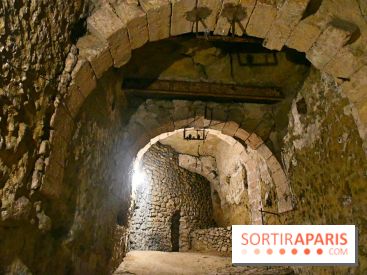
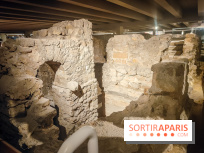
Hypogée is simply a subterranean tomb, a constructed burial space. Here, we're not dealing with a natural cave used as-is, but rather a funerary chamber thoughtfully designed, carved, and organized by humans. In the two Esonniens cases, these chambers were fitted out under benches or stone slabs, with low limestone walls lining the interior. Essentially, these are authentic funeral architectures—modest in size, but impressive in their design and craftsmanship.

At the Fontaine Saint-Léger, the burial chamber is almost rectangular, measuring about 3.40 m by 3.70 m, and accessible via a narrow, inclined corridor of about 2.80 m. In the Champtier des Bureaux, the room is smaller and oval-shaped, roughly 3.10 m long by 1.50 m wide. In other words, these collective tombs do not resemble monumental structures on the outside, but they were carefully built to accommodate the dead.
The one from the Fontaine Saint-Léger is said to have contained the remains of around forty individuals, along with now-lost artifacts such as polished axes, arrowheads, large blades, chisels, and vases.
The one from Champtier des Bureaux yielded the remains of about twenty individuals, though with a much simpler set of offerings—limited to a few flint shards.
The case of Champtier des Bureaux raises particular questions among archaeologists. The bones were discovered scattered, with little evidence of connective tissue, and few small bones or teeth. According to analyses mentioned in the report, this could indicate a secondary funerary chamber, used after the relocation of remains from an initial burial.
Radiocarbon dating places the Fontaine Saint-Léger between 2487 and 2048 BCE, and the Champtier des Bureaux between 2613 and 2202 BCE. These two burial sites are linked to the Seine-Oise-Marne culture, a major archaeological grouping from the late Neolithic era, well-documented in the Île-de-France basin. In other words, these ceremonial chambers are far from mere local curiosities: they are part of a much broader story—the history of prehistoric societies that inhabited the Île-de-France long before the advent of roads, church steeples, or RER train stations.
This page may contain AI-assisted elements, more information here.
Location
Buno-Bonnevaux
buno-bonnevaux
91720 Buno Bonnevaux
Route planner