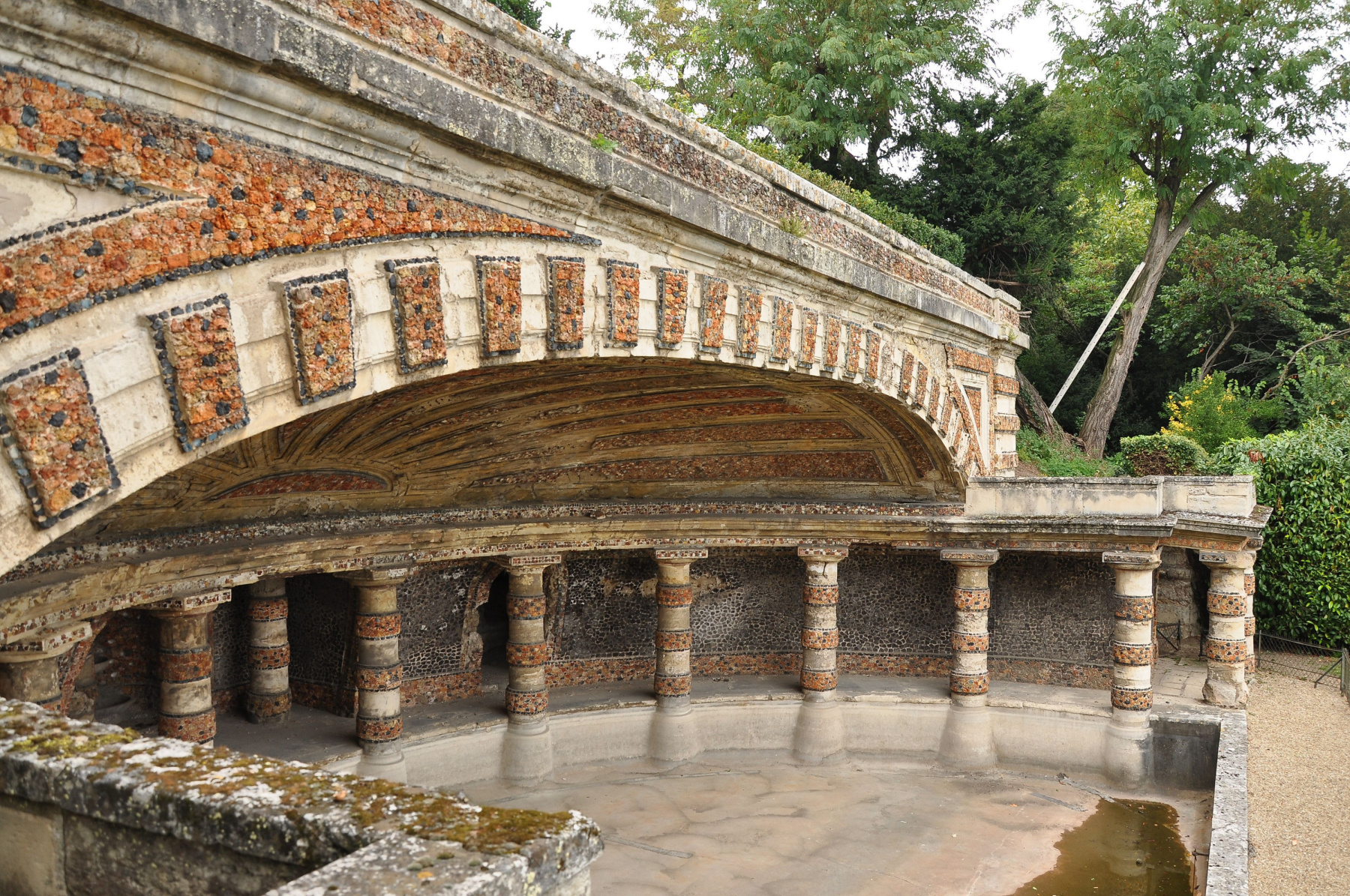
Hidden away in Chatou, in the Yvelines department, lies a setting straight out of a fairy tale: a grotto decorated with shells and brightly colored stones, conceived in the 18th century. This is the Nymphée of Soufflot, an extraordinary gem of Île-de-France’s heritage. Does the name ring a bell? Indeed, behind this whimsical creation stands a well-known architect, Jacques-Germains Soufflot, who is also famed for designing the Panthéon in Paris.
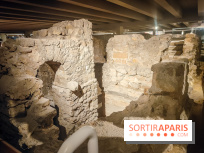
So, what exactly is a nymphaeum? In ancient tradition and classical garden design, it refers to a decorative grotto and water feature dedicated to nymphs — the divine beings of springs and forests. Mythology tells us that these nymphs “dwelt” in caves and damp, shady places; at Chatou, however, the concept has taken on a more refined, 18th-century flair, designed to astonish guests during a leisurely stroll. This nymphaeum is characterized by a large shell-shaped vault, a series of 18 columns arranged in a semi-circle, and a central niche. The walls are adorned with decorative inlays of minerals and shells, along with coarse stonework, blending mythic charm with elegant craftsmanship.
It's rare to find such well-preserved ruins, much like the Nympheum of Châtillon. The Nymphée of Soufflot, however, has faltered over time and now stands at the heart of a preservation effort: a restoration project is underway with the aim of revitalizing it and eventually opening it to the public! Once a private property, the site was acquired by the city of Chatou. Once restored, it will host a variety of cultural events, including concerts, exhibitions, and conferences. Look forward to March 2027, when you can finally explore this unique monument of the Yvelines.
This page may contain AI-assisted elements, more information here.