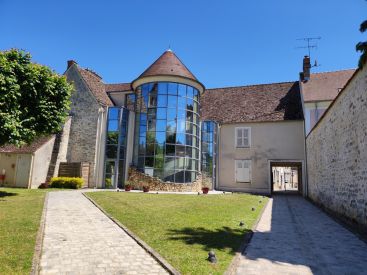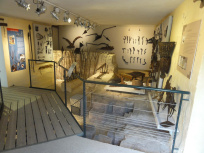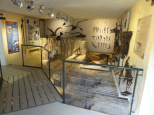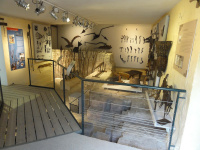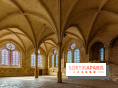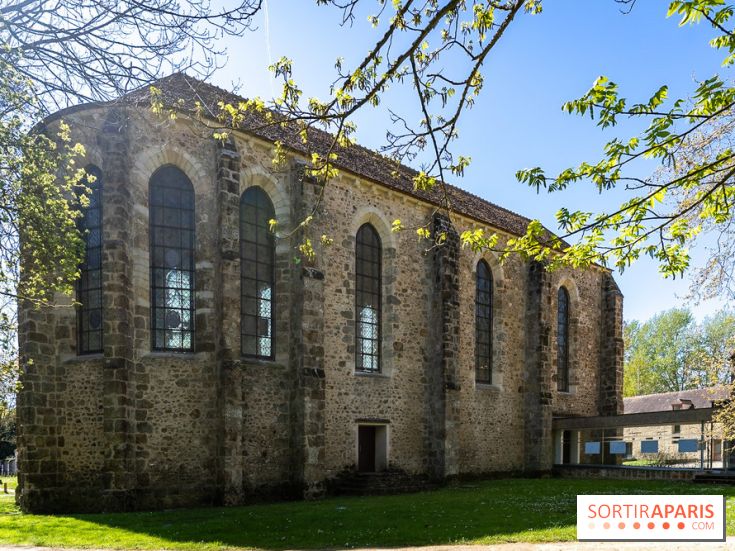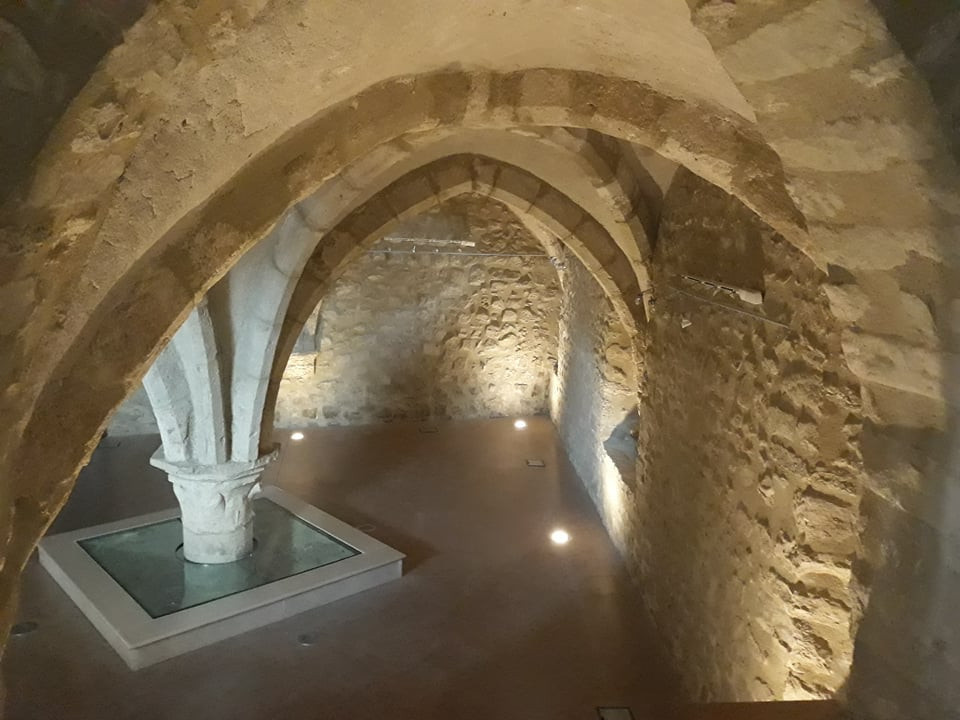
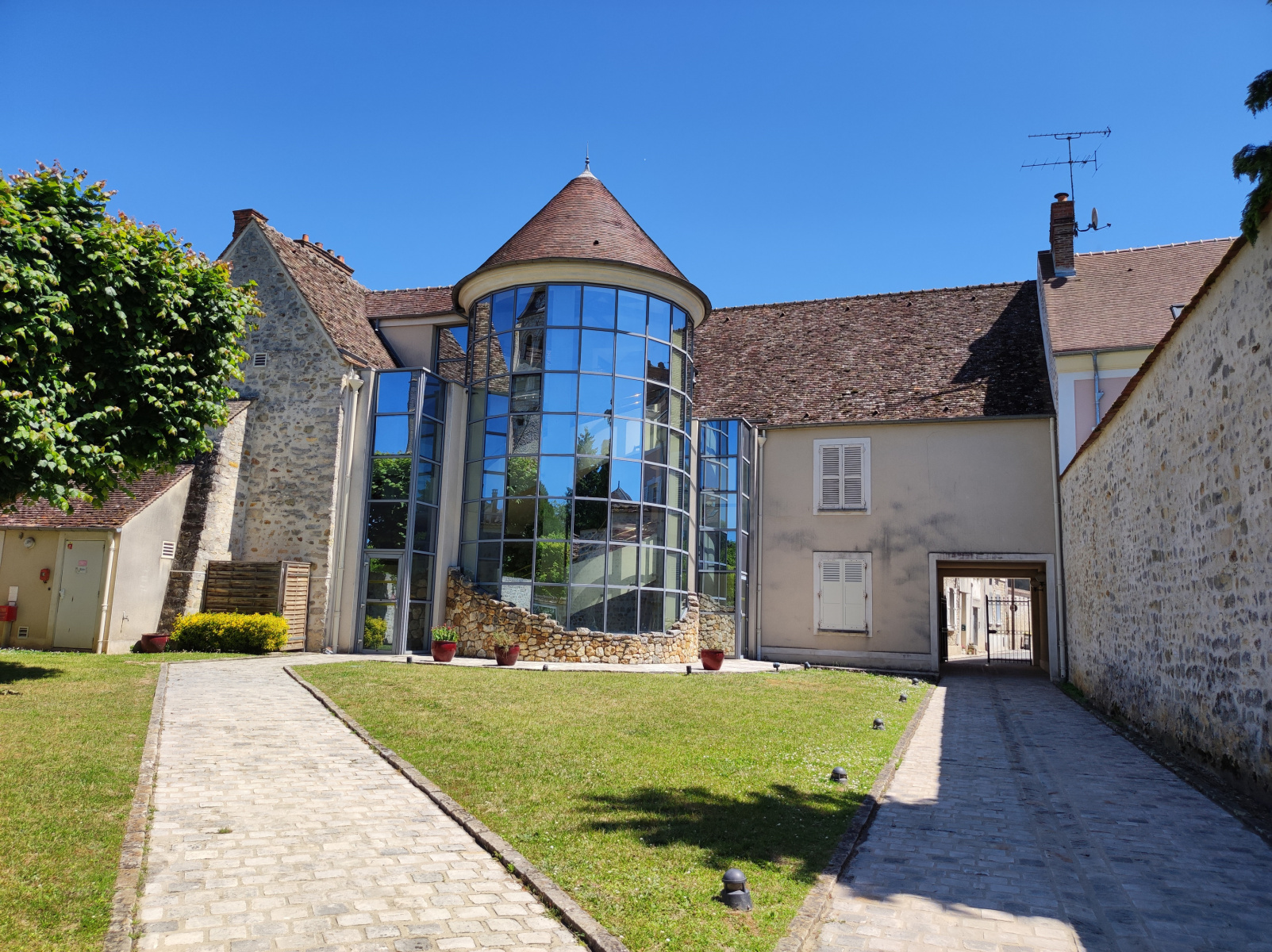
Hidden behind a modest building near the town hall of Milly-la-Forêt, a vaulted room hints at the town’s medieval past. Located within the Moustier Cultural Center, this space is set within an ancient crypt and hosts temporary exhibitions focused on art and heritage — all in a setting that’s truly unlike any other.
The vaulted chamber that attracts visitors once belonged to a significant monastic complex, of which it is now one of the few remaining remnants. Its stone vaults and central pillar topped with elaborate capitals create an almost timeless atmosphere. A few steps down, visitors find a space that appears to have withstood the test of centuries… and today is firmly rooted in its cultural purpose.
The name offers a hint about its history: "moustier," in Old French, simply means monastery. The site at Milly-la-Forêt dates back to the early Middle Ages. According to historical records, the estate was once owned by Fulbert I, who allegedly received the land of Milly from King Dagobert I as a reward for his service at the royal court.
The site is believed to have covered a large portion of what is now the city. It would have housed religious buildings, a chapel, and likely several structures associated with monastic life. Wulfran, the son of Fulbert, is thought to have been born in Milly around the year 635, before later becoming the Bishop of Sens and a missionary in Frisia, in what is now the Netherlands.
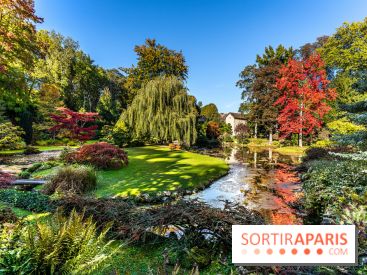
Over the centuries, the monastery gradually disappeared. Its buildings were transformed, demolished, or absorbed into the city’s expansion. Today, little remains of this historic religious site. Among the few surviving traces are the door of the Moustier in Péronne, an ancient remnant marking the entrance to the chapel, and the vaulted crypt, which has been repurposed as the current cultural space. Once surrounded by crenellated walls, the Moustier estate once covered a vast area, most of which now makes up the Moustier Park, a peaceful green space in the heart of Milly-la-Forêt.
This transformation is quite striking: where monks once lived, visitors now come to explore artworks, attend exhibitions, or simply delve into a piece of local history. Today, the Moustier Cultural Center stands as one of Milly-la-Forêt’s most iconic cultural venues. Regular exhibitions are held here, taking advantage of the crypt’s unique ambiance, which provides a stunning backdrop for the displayed works. Visiting the site offers an intriguing blend of contemporary art and medieval heritage, creating a fascinating juxtaposition across the ages.
This page may contain AI-assisted elements, more information here.
Dates and Opening Time
Next days
Sunday:
from 12:00 a.m. to 11:59 p.m.
Monday:
from 12:00 a.m. to 11:59 p.m.
Tuesday:
from 12:00 a.m. to 11:59 p.m.
Wednesday:
from 12:00 a.m. to 11:59 p.m.
Thursday:
from 12:00 a.m. to 11:59 p.m.
Friday:
from 12:00 a.m. to 11:59 p.m.
Saturday:
from 12:00 a.m. to 11:59 p.m.
Location
Moustier Cultural Center
47 Rue Langlois
91490 Milly la Foret
Prices
Free