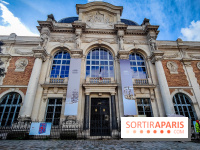
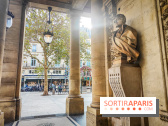
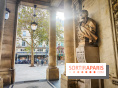
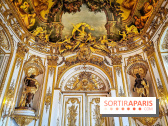
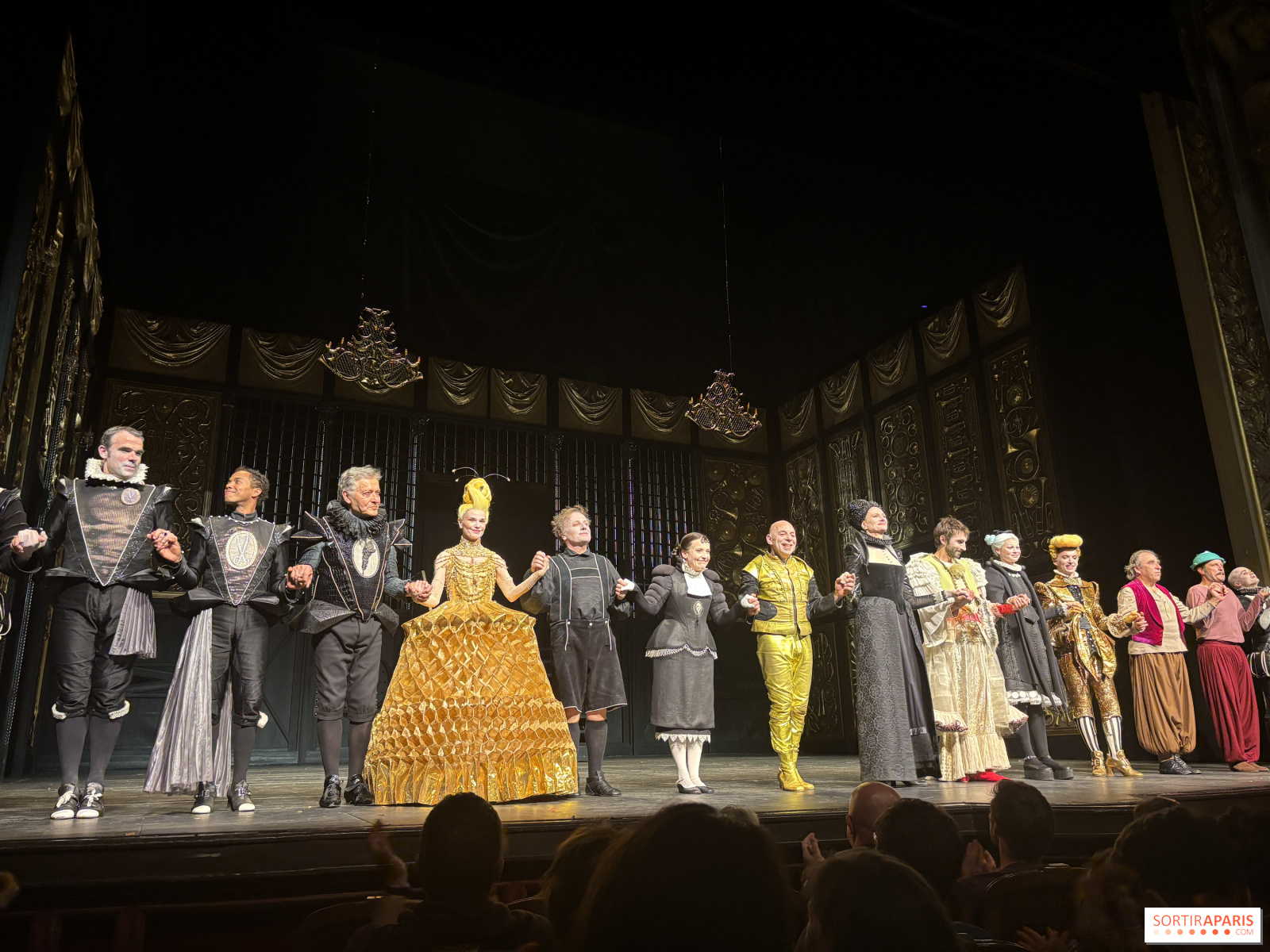
Every evening, when the red curtain rises in the Salle Richelieu, audiences are greeted by a meticulously lit set, period costumes, and the famed sociétaires of the Comédie-Française. But behind this mythic stage lies a true labyrinth where costume designers, dressers, stagehands, stage managers, and actors bustle about.
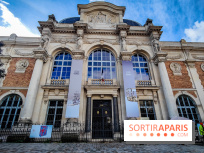
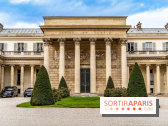
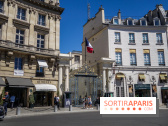
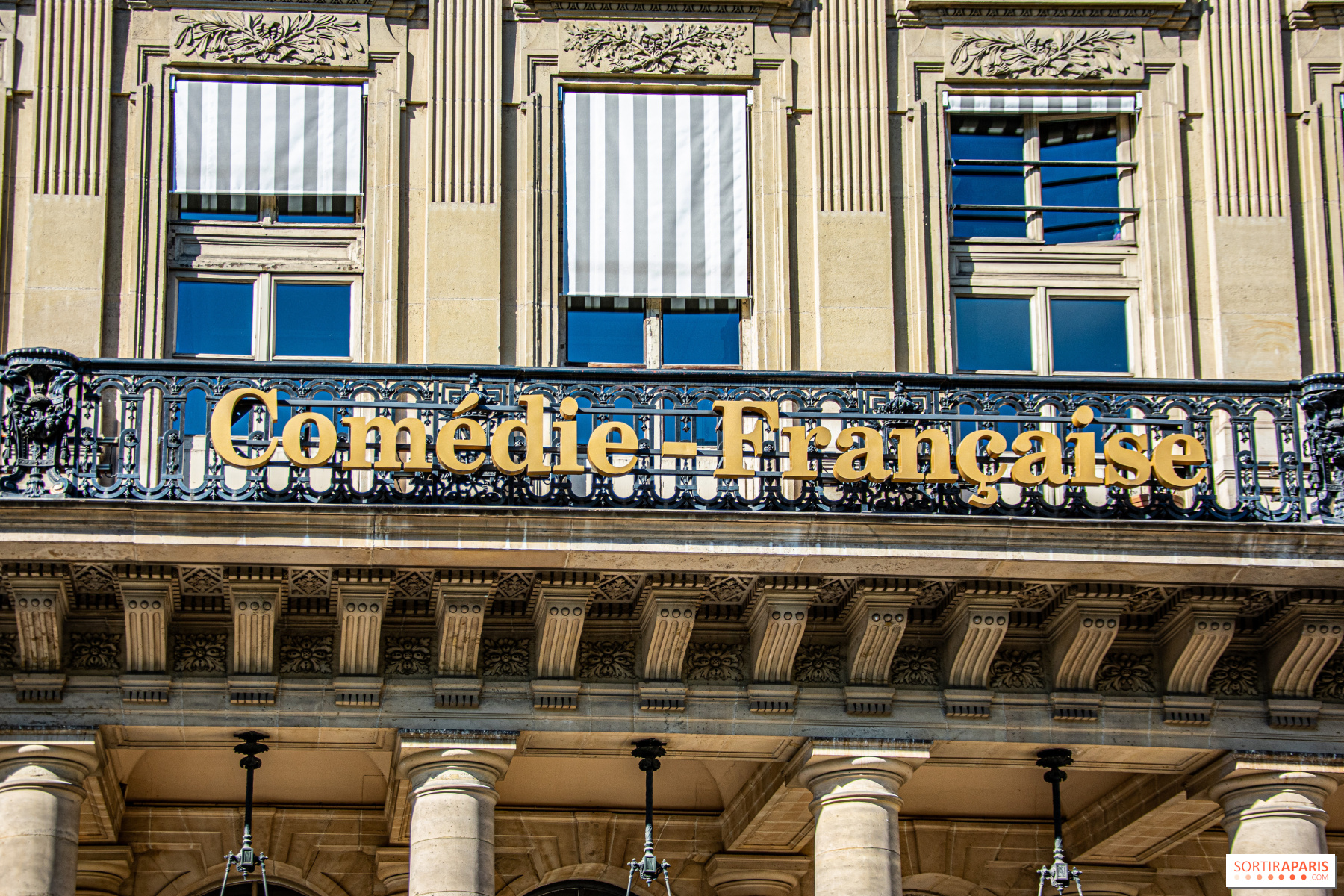
Located place Colette, opposite the Palais-Royal, the Comédie-Française is the oldest theatre company in the world still active. Founded in 1680 by royal decree of Louis XIV, it has sustained more than three centuries of theatrical creation without ever interrupting its activity.
On October 21, 1680, Louis XIV orders the merger of the two leading Parisian acting companies to create a permanent company tasked with safeguarding the French stage. This new institution quickly earns the nickname Maison de Molière, even though the playwright had died seven years earlier. His works still occupy a central place in the repertoire today.
Since its founding, the Comédie-Française has operated on a unique model. Actors first become pensionnaires, before being elected by their peers as sociétaires. This status, dating back to the 17th century, turns the troupe into a genuine society of artists who participate in running the theater.
Even today, the Comédie-Française continues to stage several dozen productions each season, played in rotation, a particularly demanding undertaking that requires impressive logistics.
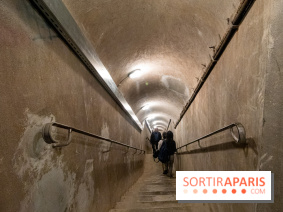
Behind the curtain lies a genuine technical feat. The stage of the Salle Richelieu is equipped with a vast system that allows rapid scenery changes between two performances. Under the stage, several levels house mechanisms, hoists, and storage spaces for set pieces.
Every changeover is rehearsed to perfection. Stagehands sometimes move several tons of scenery in near-silent hush, so that the magic of the theatre works its spell the moment the curtain rises. Over the centuries, techniques have evolved, but the know-how remains essentially artisanal. Each production mobilises carpenters, locksmiths, scenic painters and decorators, prop masters, and stage managers.
The Comédie-Française boasts an exceptional heritage, comprising thousands of costumes, along with accessories and set pieces. While the main workshops are now housed outside the Palais-Royal to gain more room, the costumes are prepared, maintained and fitted with remarkable care before every performance.
The dressers assist the actors through the rapid costume changes between scenes. Some productions require multiple transformations in just a few minutes. The wigs, shoes, jewelry and accessories are also carefully cataloged in order to safeguard a heritage built up over generations.
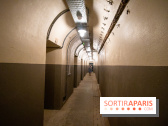
Far from the applause, the loges, deliberately sobres, reveal a very different face of the Comédie-Française. In them, each actor hones their character: makeup, vocal warm-ups, final rehearsals or moments of silence before stepping on stage. The walls bear witness to decades of performances by prestigious artists.
Sarah Bernhardt, Rachel, Pierre Dux, Michel Aumont, Catherine Hiegel, Denis Podalydès, Éric Ruf, and many other prominent names have walked these corridors.
The Comédie-Française also preserves an exceptional documentary heritage. Its Bibliothèque-Musée, founded in the 19th century, brings together thousands of manuscripts, set-design maquettes, posters, photographs, costumes, correspondence and registers tracing more than three centuries of theatrical history.
Among the most valuable documents are the famed Registres de la Comédie-Française, which since 1680 have chronicled the troupe’s casts, receipts, performances, and daily life. They stand as a key resource for theatre historians. A portion of these collections is regularly featured in temporary exhibitions and opened to researchers.
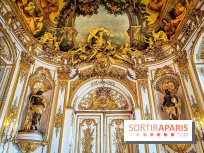
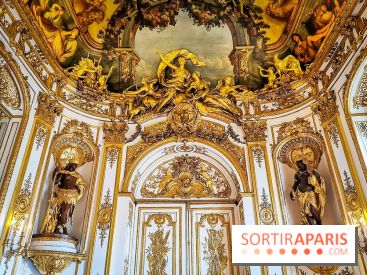
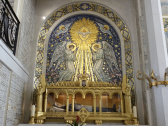
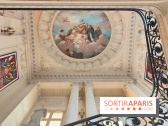
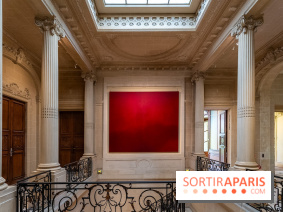
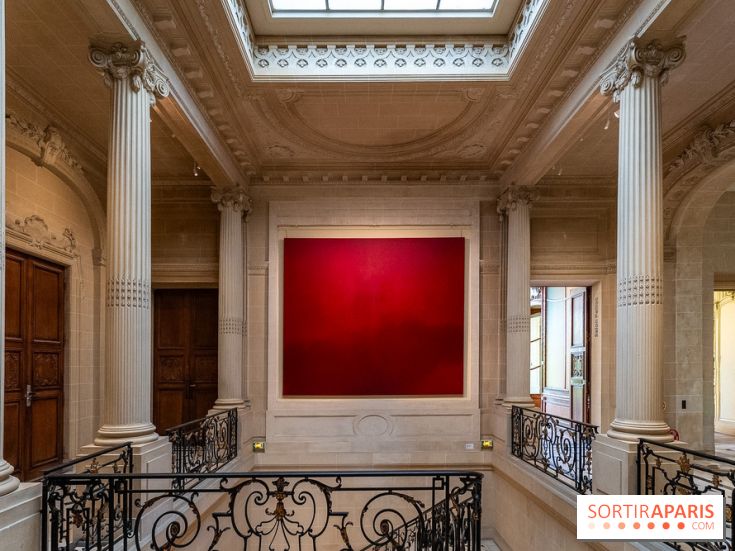
Yes, the Comédie-Française regularly offers guided tours that let visitors explore areas normally closed to the public. Depending on the season and programming constraints, these tours provide access to the Salle Richelieu, the foyers, certain technical spaces, backstage areas, and several rooms steeped in history.
These tours are led by the teams at the Comédie-Française and offer a clearer picture of the theatre's daily workings, its traditions, and the crafts that work behind the scenes. And of course, you can also discover the Salle Richelieu by attending a performance!
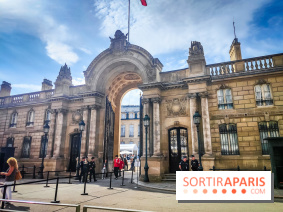
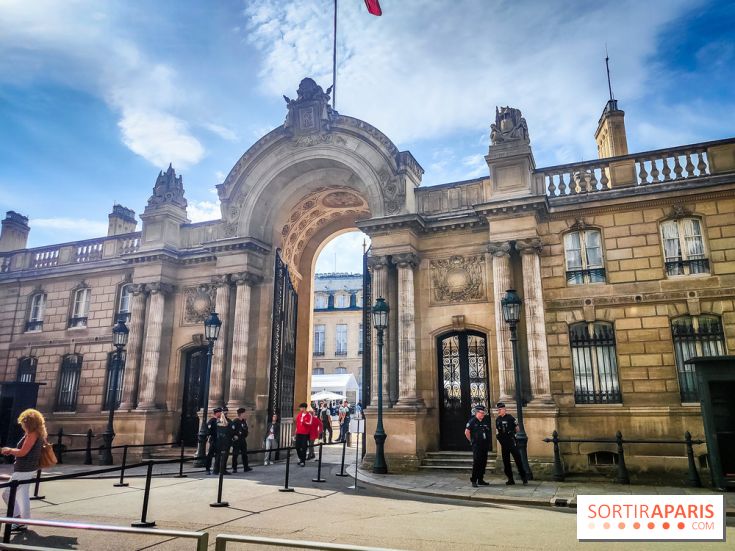
These Paris spots people think are closed… but you can actually visit them (and here’s how).
Discover these iconic Parisian sites that many assume are off-limits to the public, reserved for institutions or officials, yet they actually open their doors to visitors. The Élysée Palace, the Hôtel de Matignon, the Senate, religious monuments… Here’s when and how to visit. [Read more]
Dates and Opening Time
Next days
Wednesday:
from 11:00 a.m. to 01:30 p.m.
- from 02:30 p.m. to 06:00 p.m.
Thursday:
from 11:00 a.m. to 01:30 p.m.
- from 02:30 p.m. to 06:00 p.m.
Friday:
from 11:00 a.m. to 01:30 p.m.
- from 02:30 p.m. to 06:00 p.m.
Saturday:
from 11:00 a.m. to 01:30 p.m.
- from 02:30 p.m. to 06:00 p.m.
Tuesday:
from 11:00 a.m. to 01:30 p.m.
- from 02:30 p.m. to 06:00 p.m.
Location
Comédie-Française
1 Place Colette
75001 Paris 1
Route planner
Accessibility info
Access
Metro lines 1 and 7 "Palais Royal - Musée du Louvre" station
Official website
www.comedie-francaise.fr







 These Paris spots people think are closed… but you can actually visit them (and here’s how).