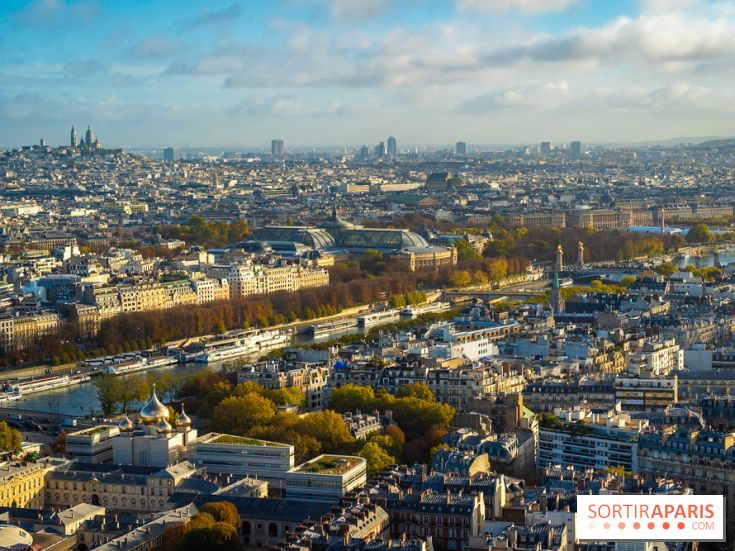
Every day, thousands of pedestrians along the Seine promenade and admire the imposing dome of the Institut de France, facing the Louvre, but few know what lies behind that façade. It is here that the Académie française sits, guardian of the French language for nearly four centuries.
Founded in the 17th century, it brings together 40 academicians, nicknamed the "Immortals", charged with defending, enriching and shaping the French language. Behind this well-known mission lies a world of tradition, solemn ceremonies, historic libraries and rooms typically off-limits to the public.
The Académie française was officially founded in 1635 by Cardinal de Richelieu, chief minister to Louis XIII. In the beginning, a small circle of writers met informally to talk about literature and style. Richelieu decided to place these gatherings under the king’s authority, creating an institution tasked with setting the rules of the French language.
This mission remains at the heart of its work to this day. The Academy is in particular engaged in drafting its Dictionnaire de l'Académie française.
One of the Academy's most famous nicknames is also one of the most misunderstood. The members of the institution are known as the Immortals, not because they would remain symbolically after their death, but in reference to the motto "À l'immortalité", carved on the Academy's seal since its founding. This motto highlights the durability of the language and of the works of the mind, rather than the people themselves.
Another famous tradition: each of the 40 academicians occupies a numbered chair. When a member passes away, his chair becomes vacant until a successor is elected. Renowned names from literature and science, such as Victor Hugo, Alexandre Dumas fils, Marguerite Yourcenar and Simone Veil, have occupied one of these prestigious seats.
In the collective imagination, the French Academy is often associated with its spectacular green robe embroidered with olive branches, and with the sword awarded to every new member. Yet these symbols represent only a tiny part of its activity. Each week, the academicians meet in session under the Dome to examine words, debate definitions, vote on certain decisions, and continue drafting the dictionary.
This meticulous effort also involves the administrative staff and the specialists who support the institution. The Academy also awards a number of literary prizes each year and backs various initiatives to promote the French language.

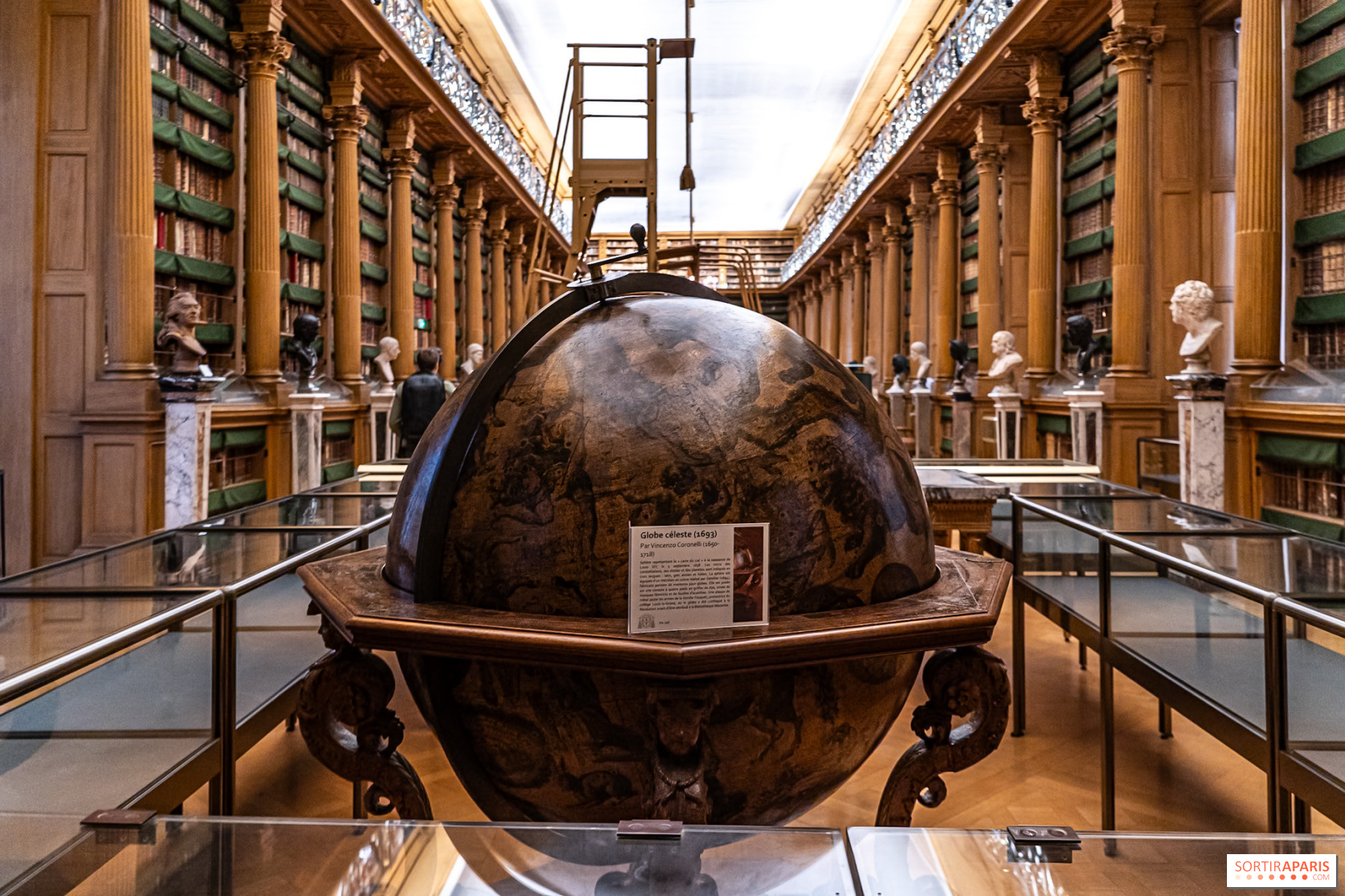
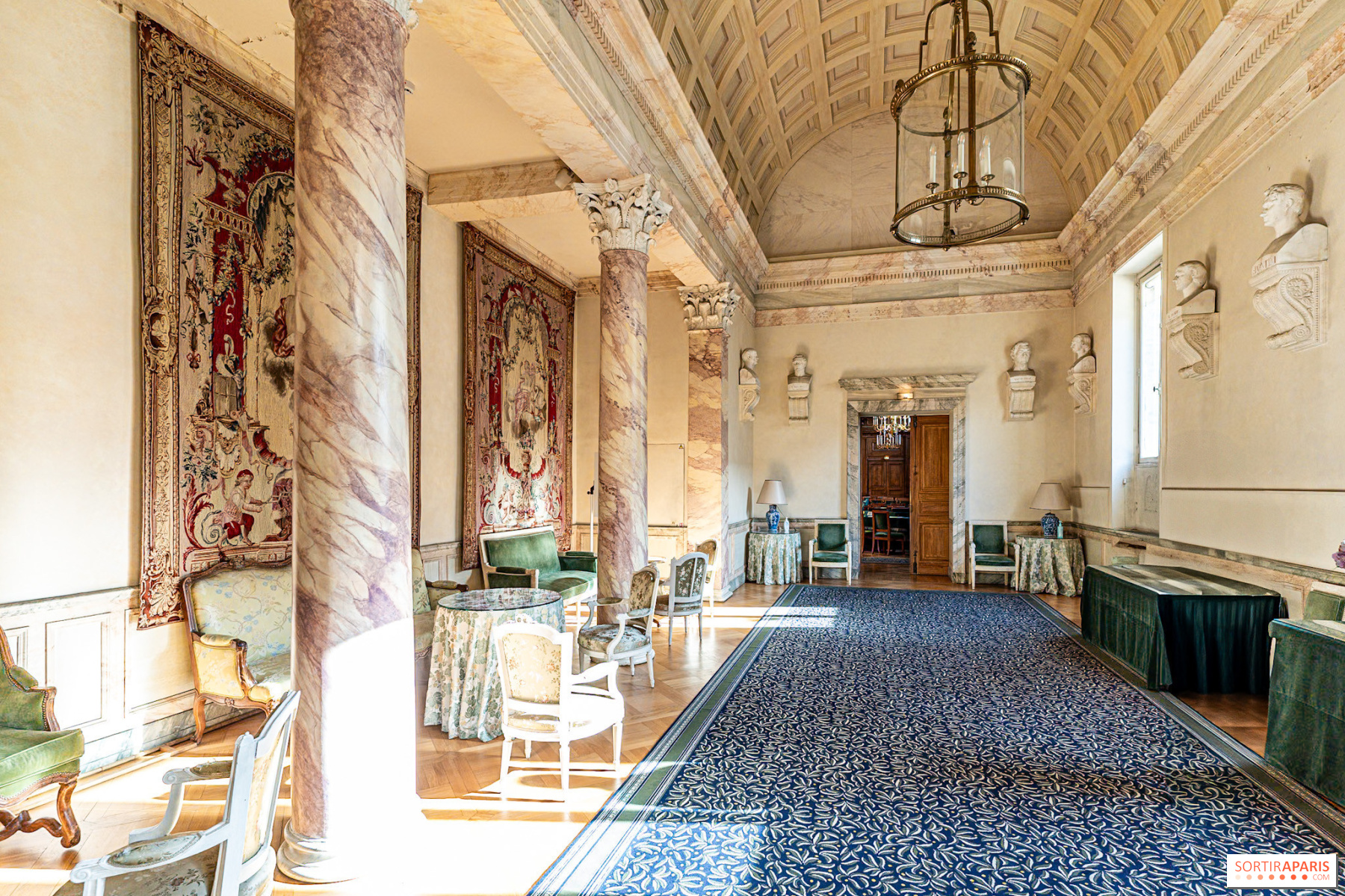
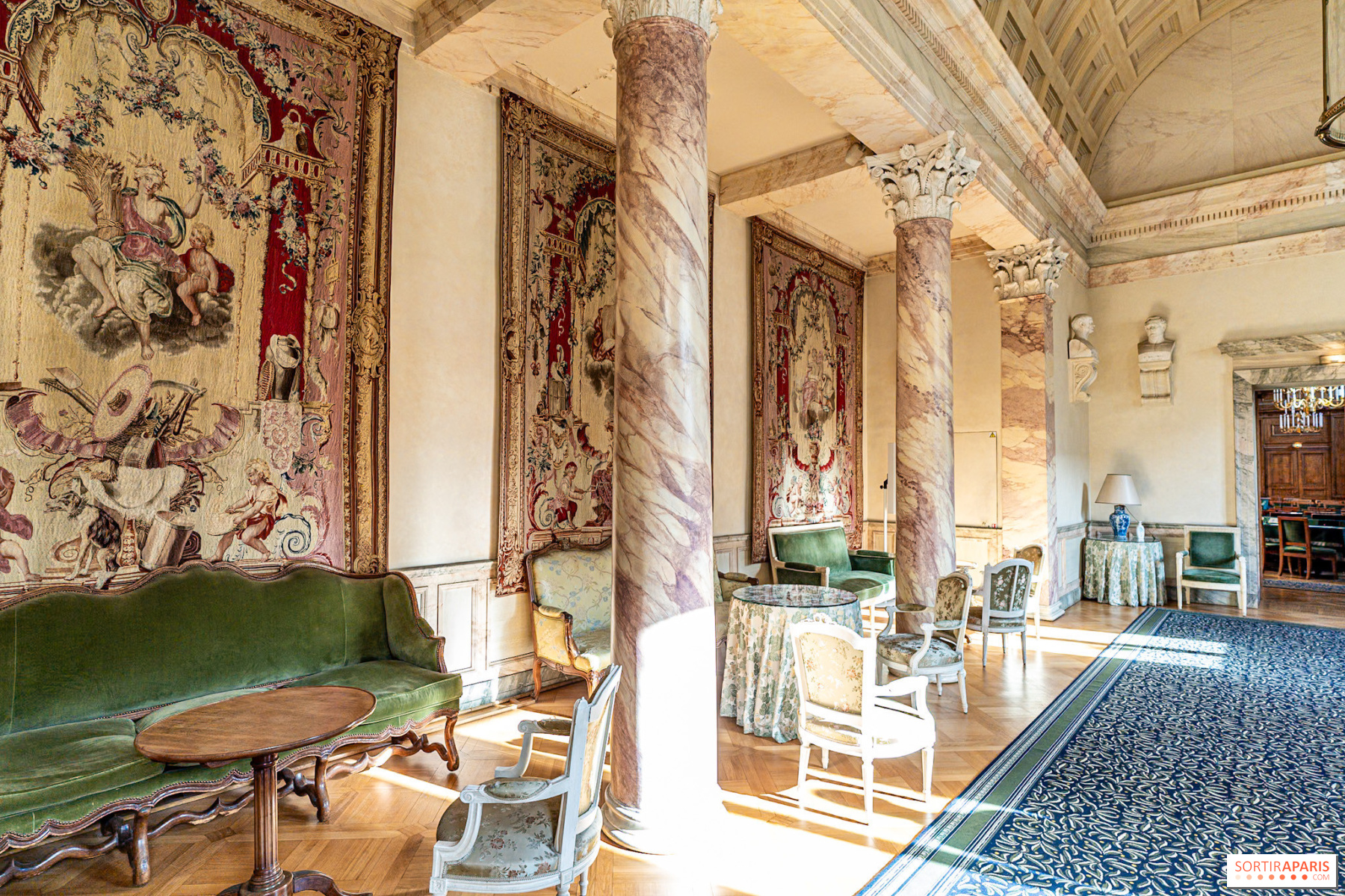
The behind the scenes at the Académie française also includes spaces largely unknown to the general public. Within the Institut de France lies a rich heritage library, work rooms, historic salons, and archives that house manuscripts, correspondence, and documents spanning centuries of intellectual history.
These spaces, usually reserved for academics, researchers and professionals, contribute to the mission of preserving and transmitting France's cultural heritage.
For more than three centuries, the French Academy had no female member. It wasn't until 1980 that Marguerite Yourcenar became the first woman elected among the "Immortals." Her election marked a major turning point in the institution's history.
Since then, several women have joined the Academy, among them Jacqueline de Romilly, Hélène Carrère d'Encausse, Florence Delay, Danièle Sallenave, and Simone Veil, helping to push open the doors of an institution that had long remained exclusively male.

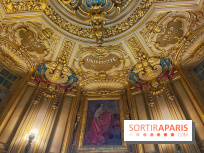
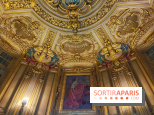
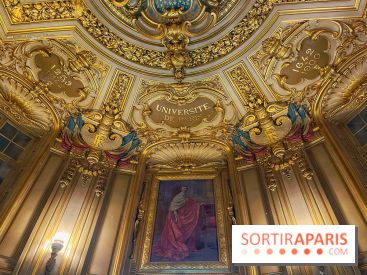
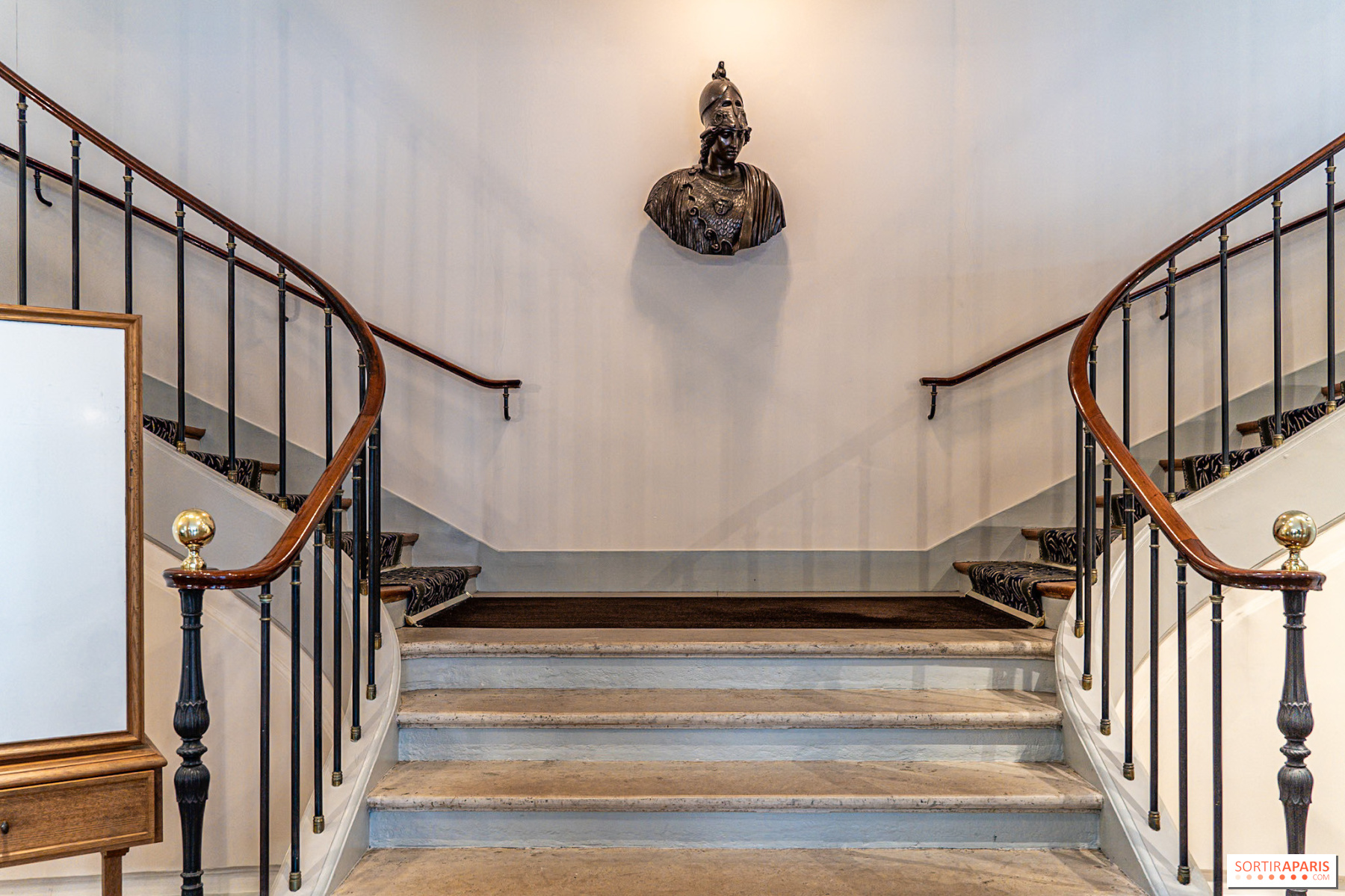
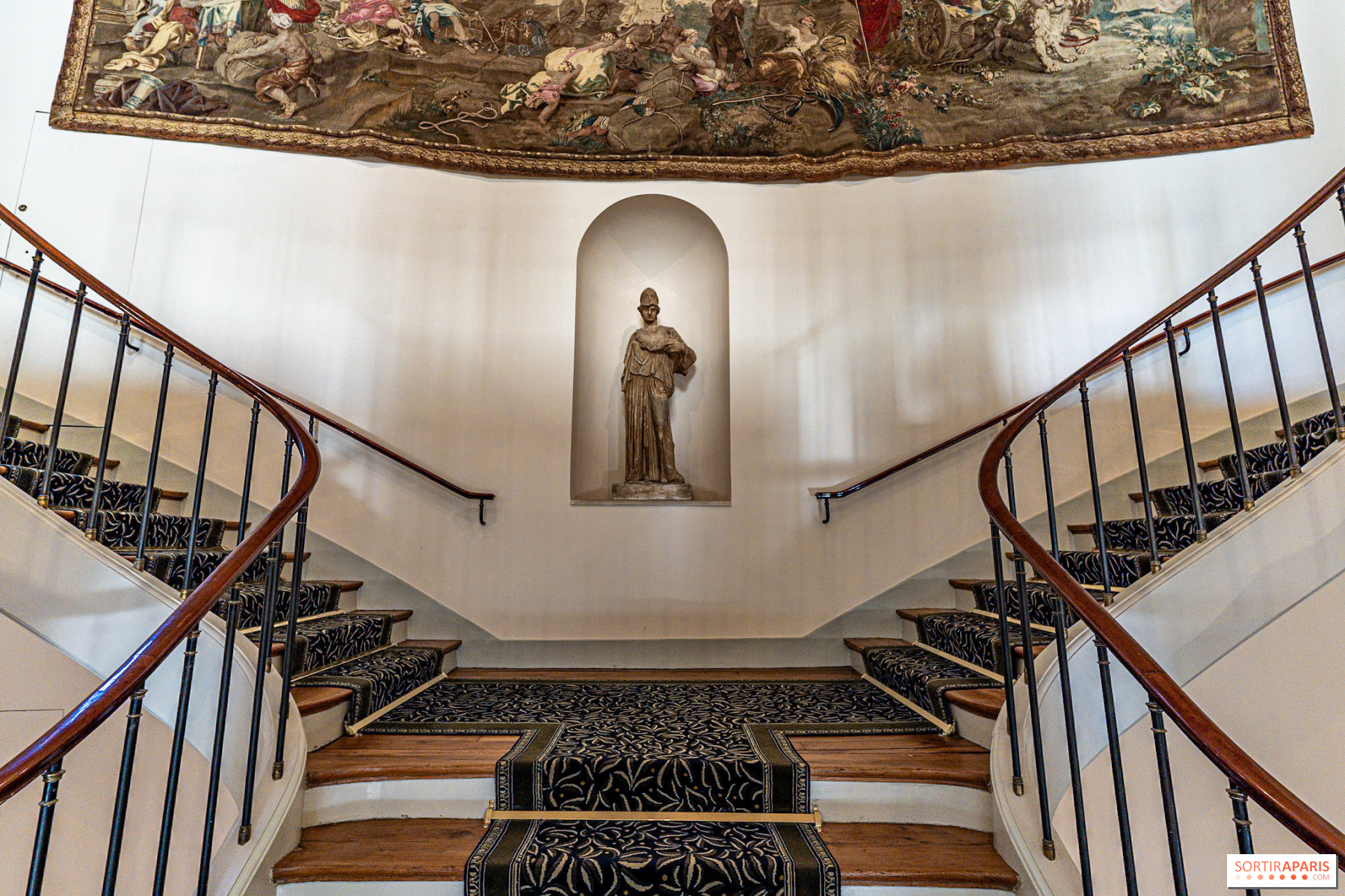
Yes, but in a very limited way. The French Academy is housed within the Institut de France, whose spaces are sometimes accessible during guided tours or on the occasion of the European Heritage Days. Depending on the schedule, these tours offer a glimpse of the famous Coupole, the Mazarine Library, certain historic rooms, and several reception salons.
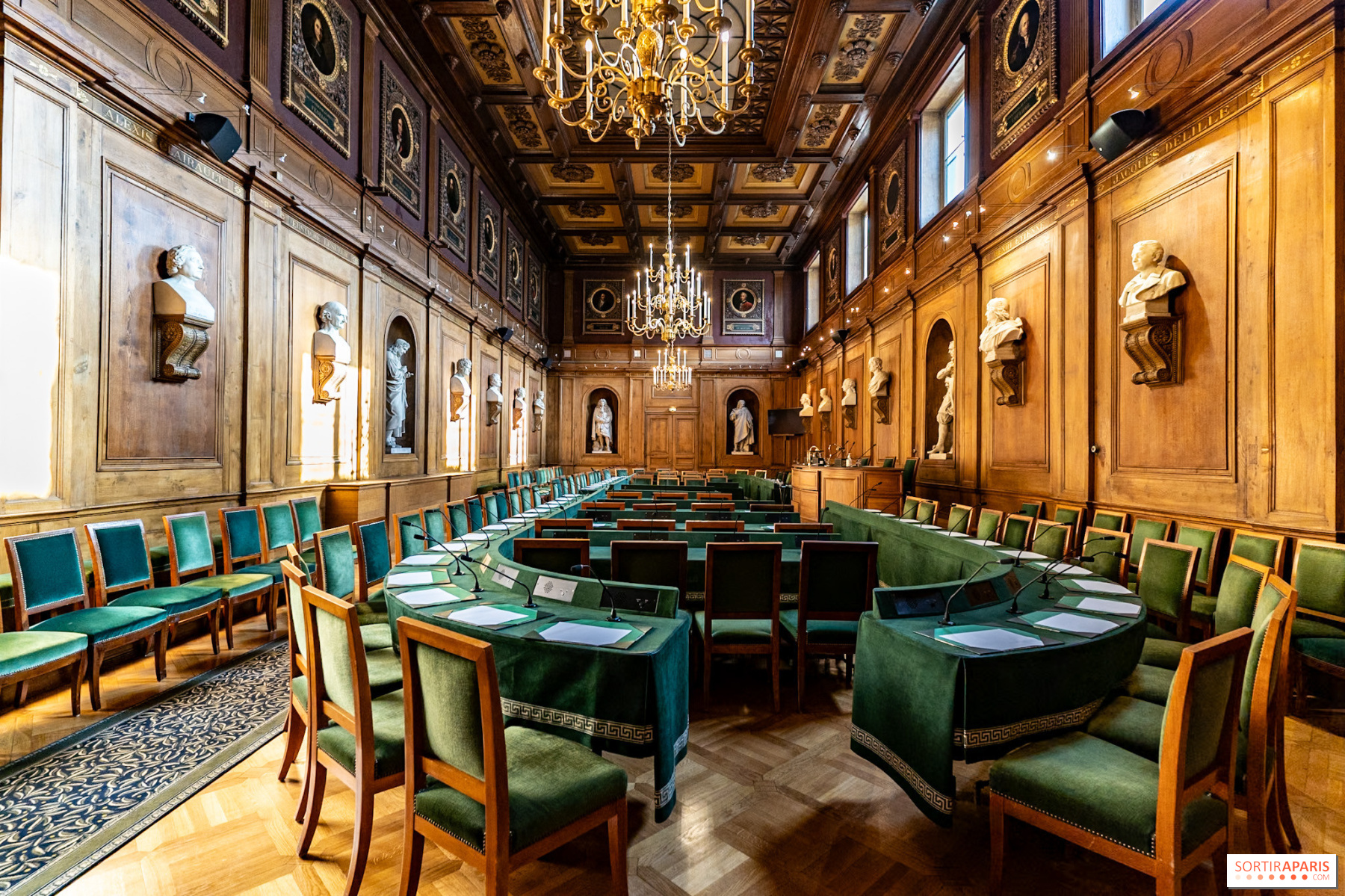
On the other hand, the true backstage of the Academy (the room where the weekly meetings take place, the academics' workspaces, the internal archives and the administrative offices) are generally not open to the public. These spaces remain reserved for the institution's members and their collaborators.
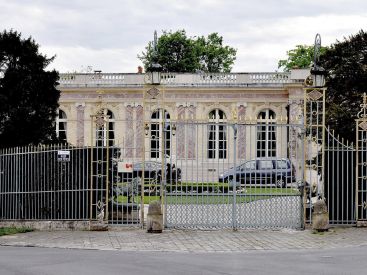
These Paris spots people think are closed… but you can actually visit them (and here’s how).
Discover these iconic Parisian sites that many assume are off-limits to the public, reserved for institutions or officials, yet they actually open their doors to visitors. The Élysée Palace, the Hôtel de Matignon, the Senate, religious monuments… Here’s when and how to visit. [Read more]
This test was conducted as part of a professional invitation. If your experience differs from ours, please let us know.
This page may contain AI-assisted elements, more information here.
Dates and Opening Time
Next days
Tuesday:
from 09:00 a.m. to 06:00 p.m.
Wednesday:
from 09:00 a.m. to 06:00 p.m.
Thursday:
from 09:00 a.m. to 06:00 p.m.
Friday:
from 09:00 a.m. to 06:00 p.m.
Saturday:
from 10:00 a.m. to 06:00 p.m.
Sunday:
from 09:00 a.m. to 06:00 p.m.
Monday:
from 09:00 a.m. to 06:00 p.m.
Location
Institut de France
23 Quai de Conti
75006 Paris 6
Route planner
Official website
www.institutdefrance.fr





























 These Paris spots people think are closed… but you can actually visit them (and here’s how).