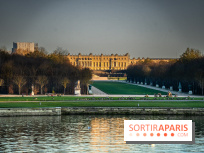
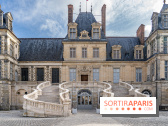
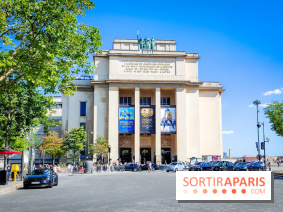
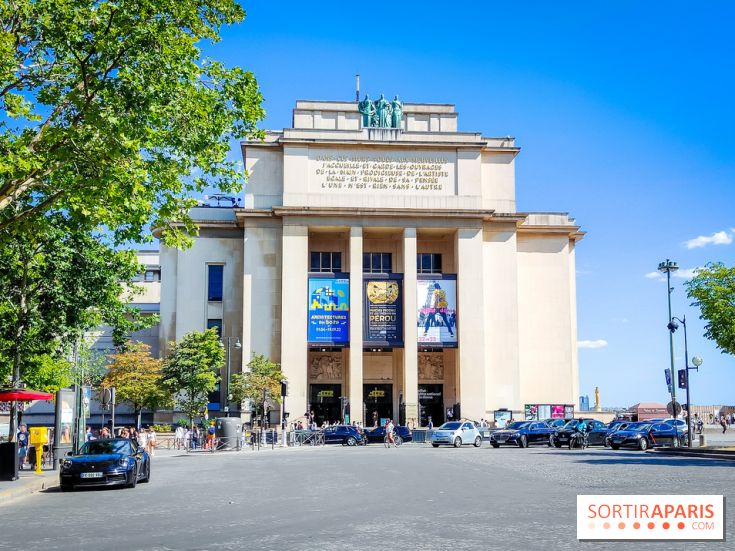
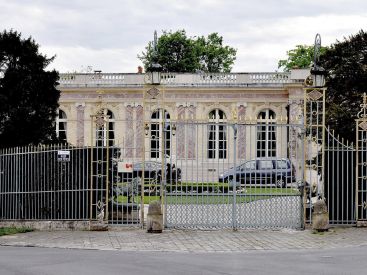
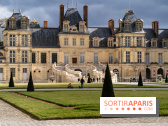
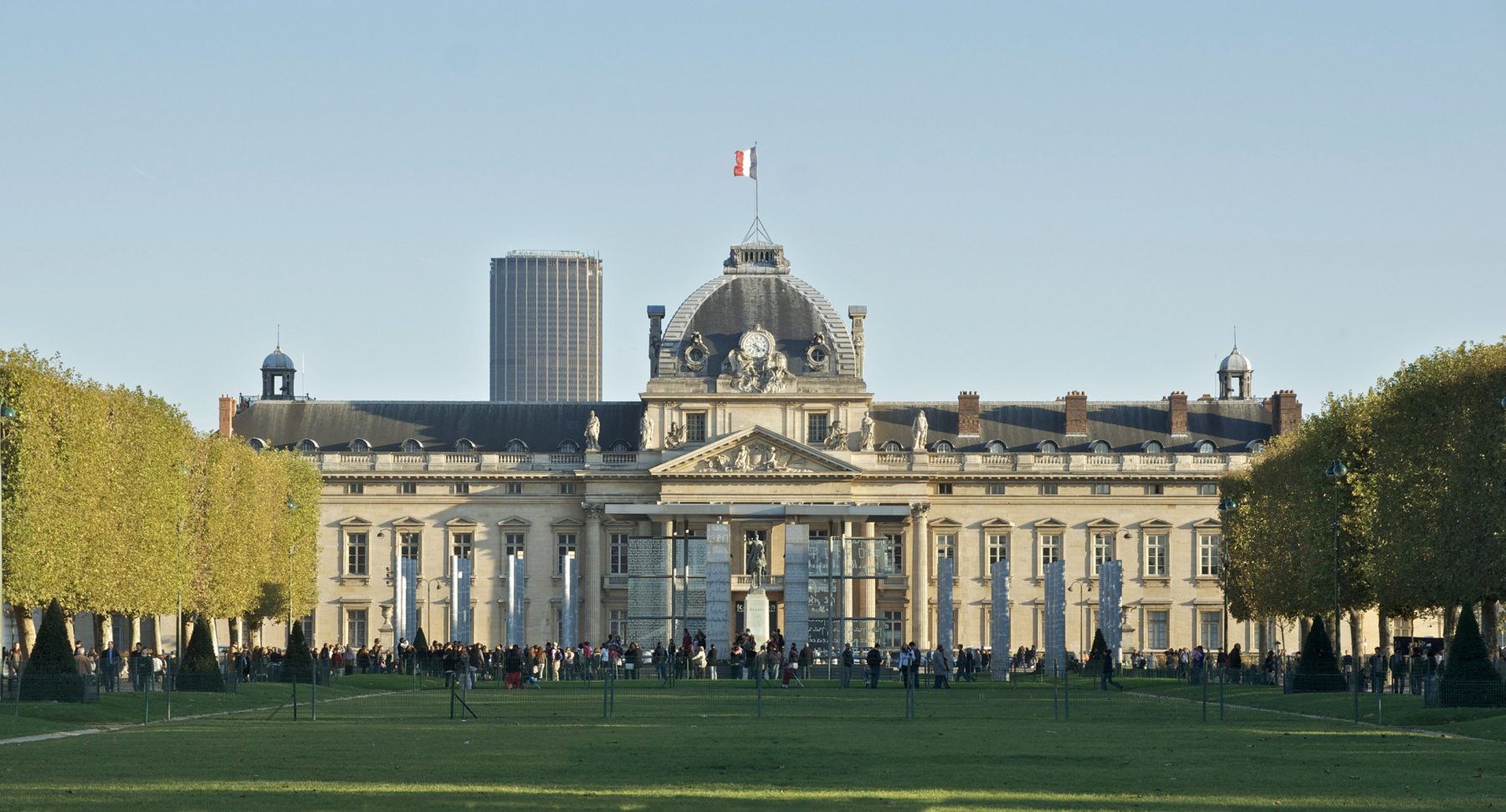
Thousands of tourists cross the Champ de Mars every day to admire the tour Eiffel. Yet few take note of the majestic building facing it. Behind this classic façade lies the École militaire, a sprawling complex of more than 12 hectares that remains, even today, a strategic site of the ministère des Armées.
The École militaire is a living institution. It hosts several training and think-tank bodies, among them the War College, the Institute of Advanced Studies in National Defence (IHEDN), and the Center for Advanced Military Studies (CHEM). French and foreign officers train there, continuing a mission that began in the 18th century.
Usually closed to the general public, this institution nonetheless preserves a remarkable architectural heritage and a wealth of little-known stories.
The Military School grew out of an idea by Marshal de Saxe, who wished to give young gentlemen without means a high-level military education. Impressed by the project, Louis XV ordered in 1751 the construction of an institution capable of housing several hundred cadets.
The king's architect, Ange-Jacques Gabriel, designs a monumental complex whose restrained classical style contrasts with the opulence of the era's royal palaces. The first students settle in as early as 1756, even as the project is still underway. The works will span several decades before the ensemble takes its definitive shape.
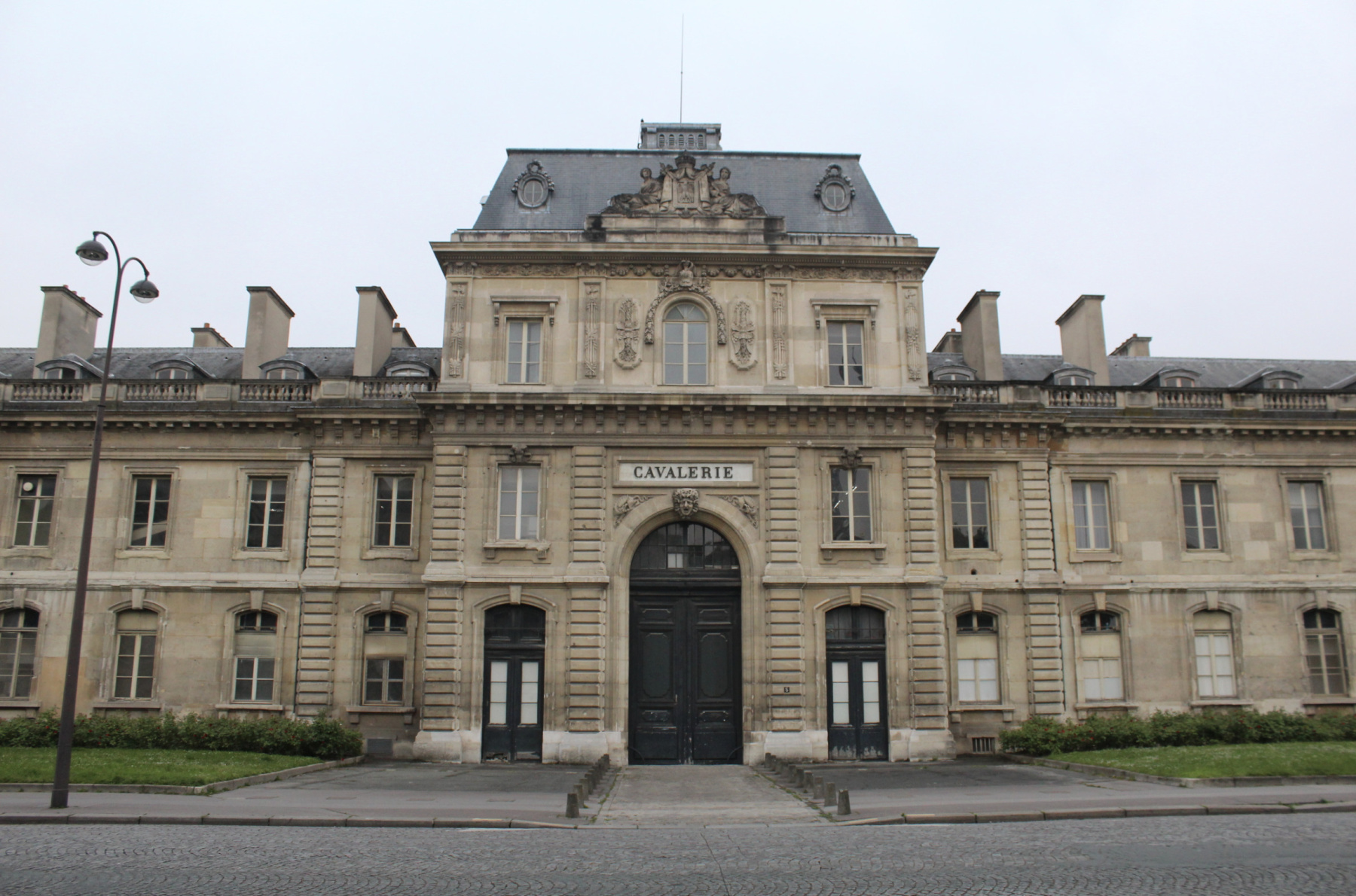
The École militaire is inseparable from one name: Napoléon Bonaparte. Admitted in 1784 after studying at the Brienne military college, the young Corsican underwent an accelerated artillerie program there. A math prodigy, he completed his studies in just one year before being named a sous-lieutenant.
Today, this era is still prominently showcased within the institution. A plaque commémorative recalls the passage of the man who would become, a few years later, Emperor of the French. This anecdote significantly contributes to the international renown of the Military School!
While the exterior makes a grand impression with its monumentality, the interior also hides genuine treasures. The Military School houses several ceremonial salons used for official ceremonies, as well as a remarkable library specializing in military, diplomatic, and strategic affairs. Built up over the centuries, it houses thousands of works devoted to military history, geopolitics, and defense sciences.
The site also includes a chapel, expansive inner courtyards, monumental staircases and reception spaces that testify to the prestige accorded to this institution since its founding. Unlike many historic buildings, these spaces are not trapped in the past: they continue to be used within the activities of the Ministry of the Armed Forces.
Since its inauguration, the Military School has weathered monarchies, the Revolution, the Empire, the various Republics and the two world wars. Its vocation has evolved over the centuries. Initially intended to train young officers, it now welcomes senior officers and high officials called to exercise command and strategic thinking. It remains one of the main hubs of military training in France, while preserving its exceptional architectural heritage.
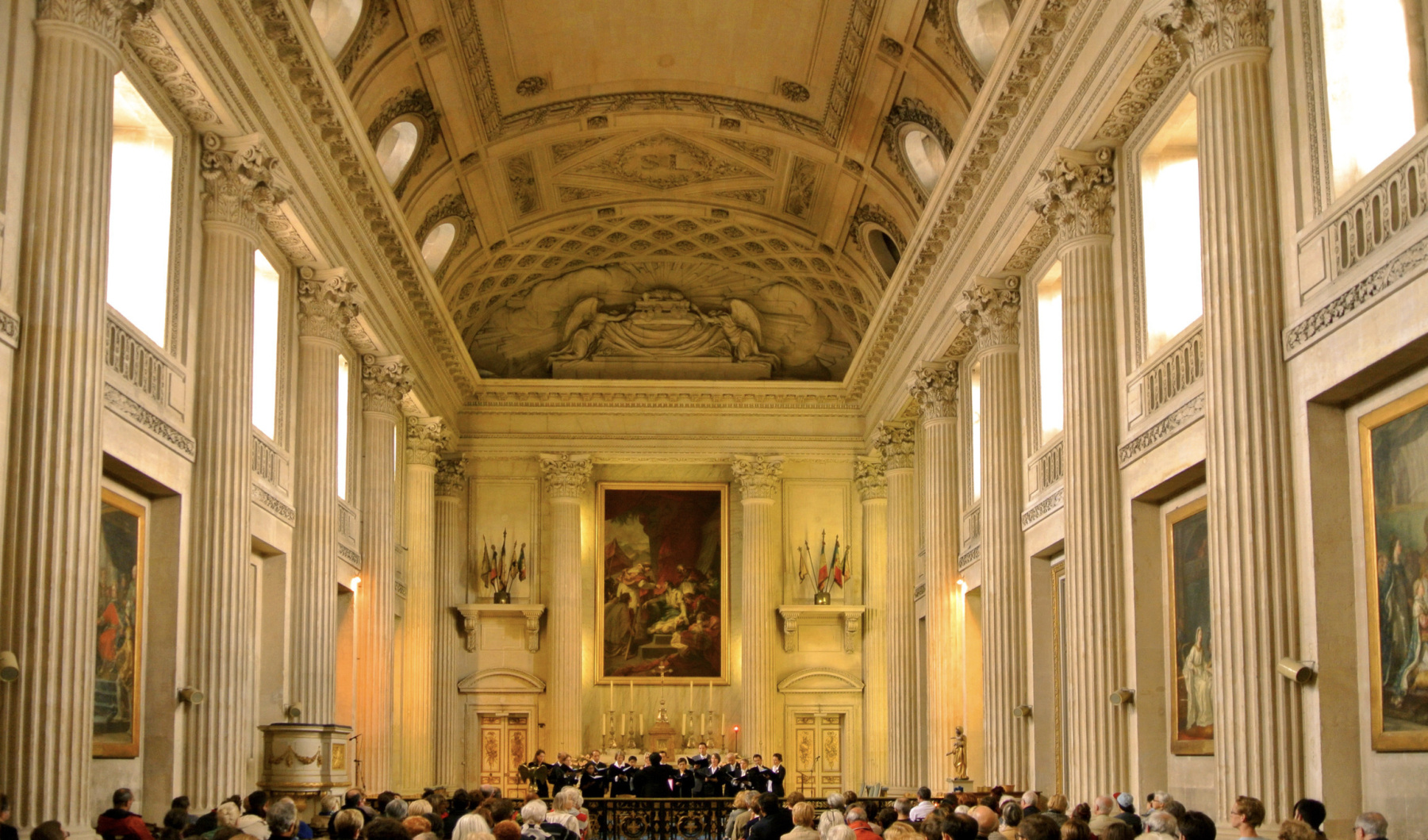
Yes, but only on an exceptional basis. The École militaire is not open to the public for self-guided visits. Always occupied by agencies of the Ministry of the Armed Forces, it remains an active military site with restricted access. However, visits are occasionally organized, mainly during the Journées européennes du patrimoine. They typically allow a look at certain historic salons, the cour d'honneur, the chapel, and other spaces usually closed to the public.
The Military School also hosts colloquia, conferences and institutional events that the public can sometimes attend by registration, without gaining access to the entire campus. Outside these exceptional occasions, the inner workings of the Military School remain off-limits to everyone except military personnel, researchers and trainees undergoing training there.
These Paris spots people think are closed… but you can actually visit them (and here’s how).
Discover these iconic Parisian sites that many assume are off-limits to the public, reserved for institutions or officials, yet they actually open their doors to visitors. The Élysée Palace, the Hôtel de Matignon, the Senate, religious monuments… Here’s when and how to visit. [Read more]
This page may contain AI-assisted elements, more information here.
Dates and Opening Time
Next days
Tuesday:
from 09:00 a.m. to 05:00 p.m.
Wednesday:
from 09:00 a.m. to 05:00 p.m.
Thursday:
from 09:00 a.m. to 05:00 p.m.
Friday:
from 09:00 a.m. to 05:00 p.m.
Location
Military School
1 Place Joffre
75007 Paris 7
Route planner
Accessibility info
Official website
www.instagram.com



























 These Paris spots people think are closed… but you can actually visit them (and here’s how).