Inside the Opéra Garnier lies a true hidden world. A monumental stage, machinery, artists' foyers, workshops and a mysterious underground water reserve... The backstage of the Palais Garnier tells a story as captivating as the building itself. But can you really visit them?
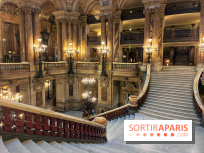
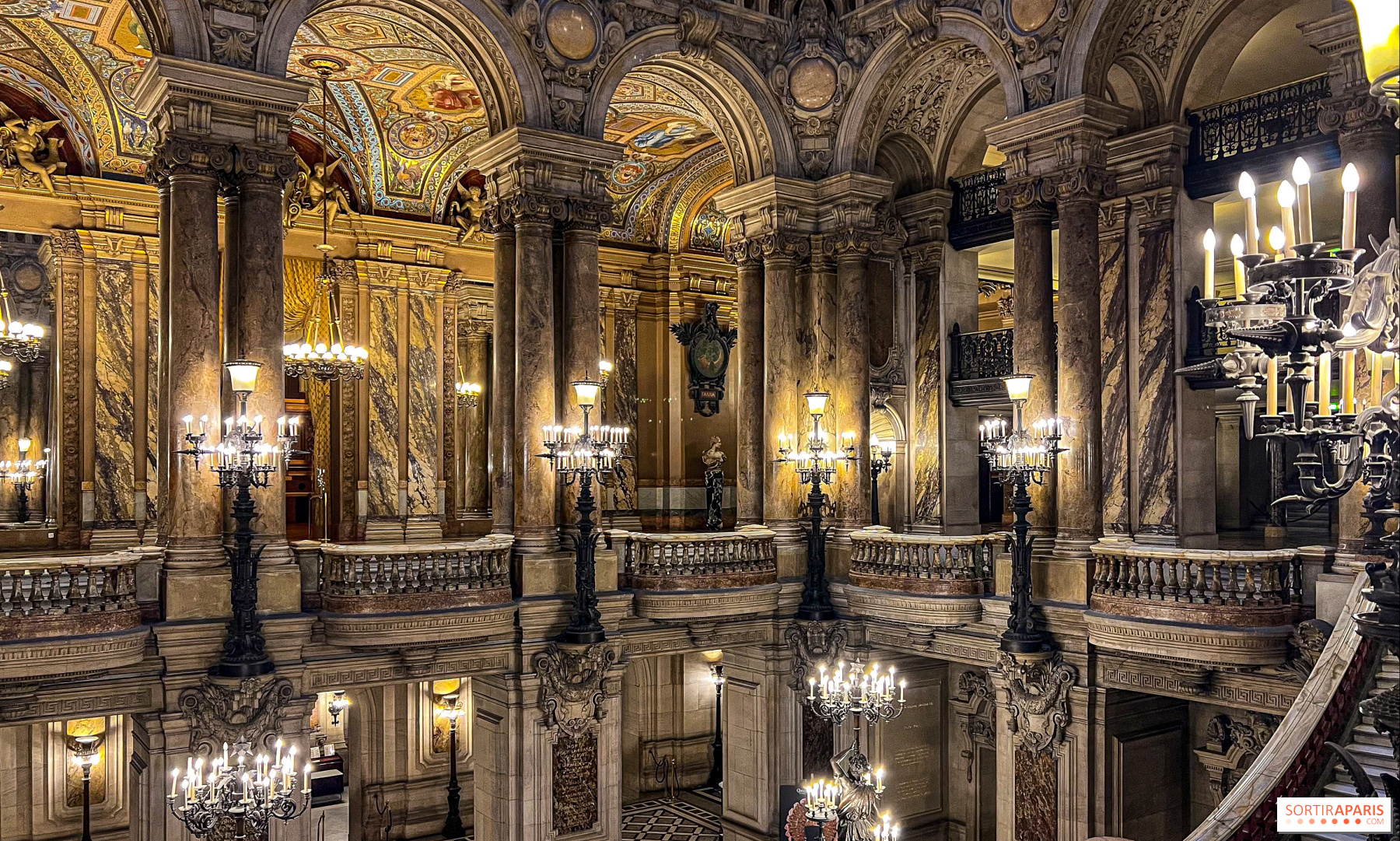
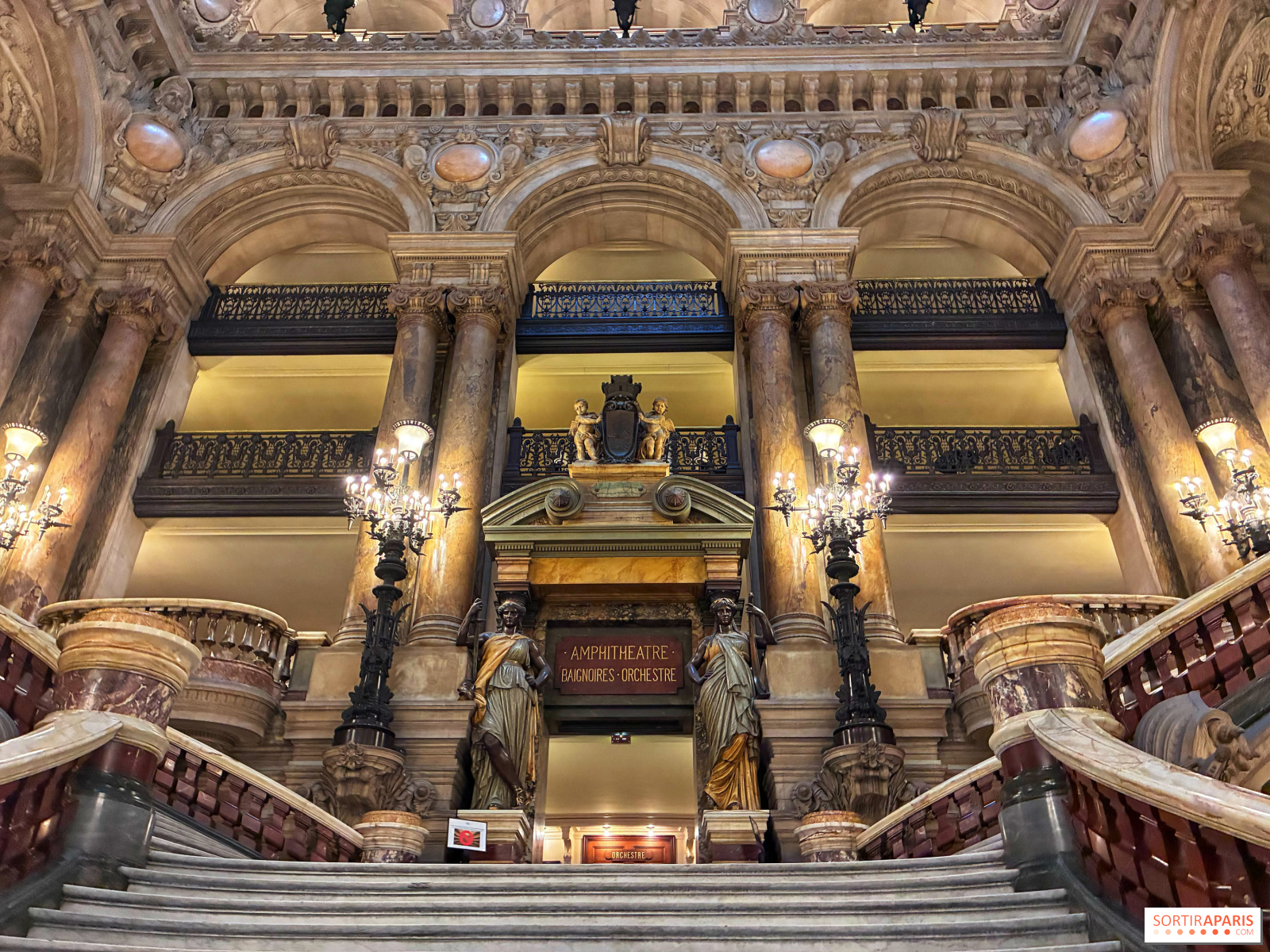
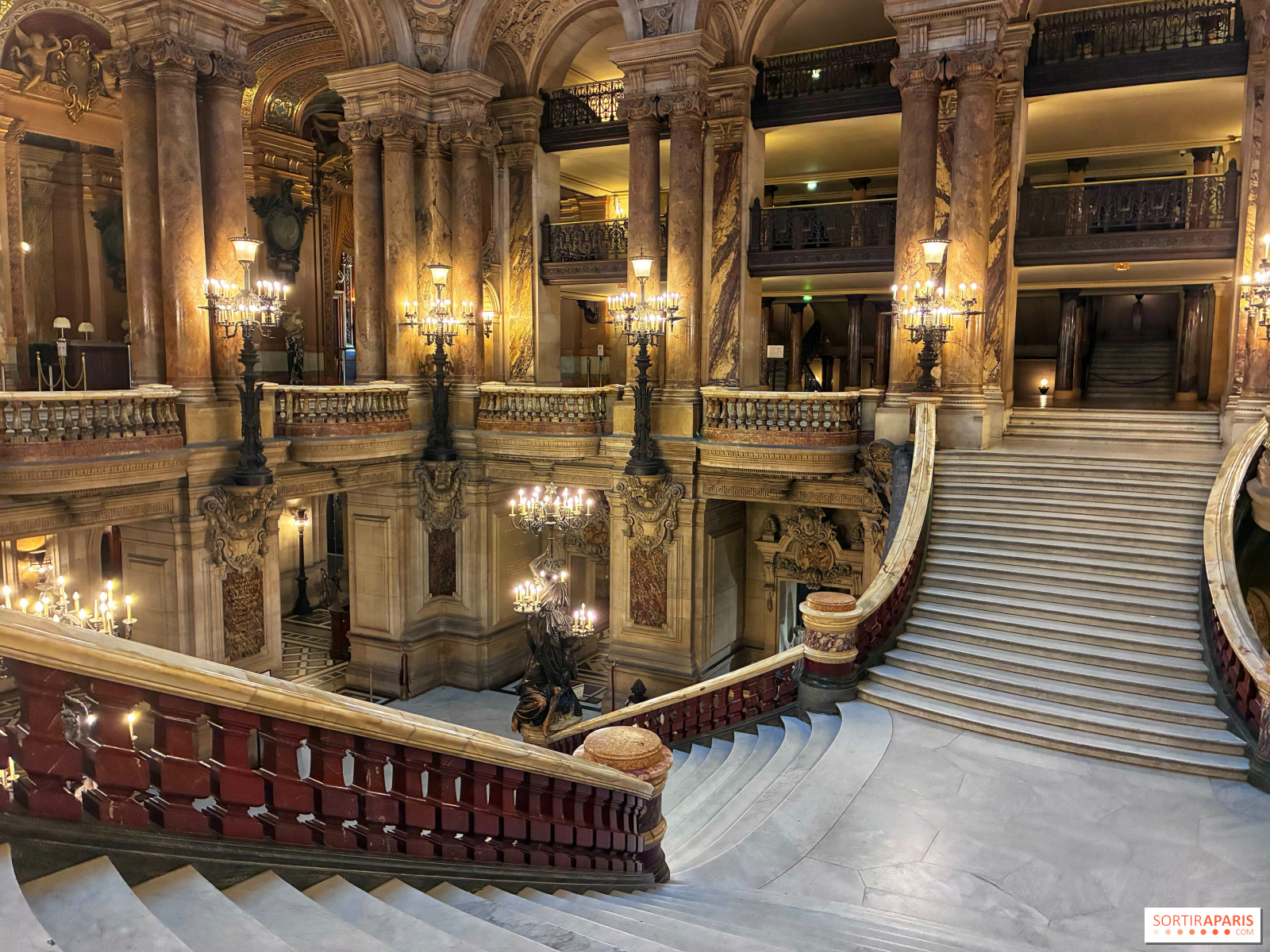
Every year, hundreds of thousands of visitors pass through the doors of the opera to admire its grand marble staircase, its Grand Foyer inspired by the galerie des Glaces at Versailles, and its famous ceiling painted by Marc Chagall in 1964. Yet these prestigious spaces represent only a portion of the monument!
Behind the backdrops of the Second Empire lies a hidden world where dancers, musicians, stagehands, costume makers, prop masters, wigmakers, electricians and stage managers work daily. A true hive, the Palais Garnier is designed as a an enormous machine for producing performances.
Its backstage areas, nearly as vast as the public spaces, bear witness to the architectural genius of Charles Garnier and to the evolution of show production techniques over nearly 150 years. As a tourist, what exactly can you visit?
The history of the Opéra Garnier begins in 1861, when Napoléon III launches a competition to build a new opera worthy of the capital. Against all odds, a young, little-known architect, Charles Garnier, wins the project. After fifteen years of work, the palace is inaugurated in 1875. Behind its lavish decor of marble, gilding and sculptures, Garnier imagines a building as spectacular as it is efficient.
Everything is designed to facilitate the movements of performers, sets, and staff, while separating the different audiences by their social rank, as the etiquette of the era prescribed. The Opera is thus organized into several universes: the performance spaces, the salons reserved for spectators, the foyers of the artists, and a vast complex of technical rooms unseen from the auditorium.
The heart of the backstage is, without a doubt, the stage itself. With its exceptional size, it ranks among Europe’s largest historic stages. Behind the red curtain lies an impressive network of catwalks, fly lofts, trapdoors, stage lifts, and systems that allow quick scene changes.
In the 19th century, these mechanisms worked mainly thanks to counterweight systems, winches, and machinery operated by teams of machinists. Today modernized, these pieces of equipment continue to play an essential role in the staging of operas and ballets. They can move sets weighing several tons in a matter of minutes!
Among the most famous backstage spaces is the Dance Foyer. Located behind the stage, this area was reserved for dancers during intermissions. In the 19th century, it also served as a highly sought-after meeting place for the Opera's wealthy subscribers, who were allowed to access it thanks to a privilege granted by the institution.
This method, today obsolete, has largely inspired the Impressionist painters, notably Edgar Degas, who immortalized the dancers of the Paris Opera in several of his most famous works.
If there is a place that feeds every legend, it’s the famous "underground lake" of the Opéra Garnier. The reality, however, diverges from the myth popularized by The Phantom of the Opera, Gaston Leroux’s 1910 novel. During the construction, workers encountered a particularly substantial groundwater table.
To stabilise the building's foundations, Charles Garnier had a large masonry tank filled with water built, designed to balance pressures and drain infiltrations. This reserve still exists. It is regularly used by the Paris Fire Brigade for diving exercises, but it does not resemble the vast navigable lake often imagined by the public.

Although a sizable portion of set construction is now carried out in the Berthier workshops, other technical spaces remain at the Palais Garnier. Costumes are maintained with extreme care, props are prepared before every performance, and the technical teams coordinate the lighting, rigging, scene changes, and the safety of the performances.
It's simple: every performance mobilizes hundreds of professionals, many of whom work in the invisible spaces behind the scenes!
The short answer is yes—but only partially. The Palais Garnier is open year-round for either self-guided or guided tours, allowing visitors to discover the main historic spaces: the Grand Staircase, the Grand Foyer, the salons, the bibliothèque-museum (subject to opening conditions) as well as the auditorium, when rehearsals or performances permit.
However, the real backstage areas (the stage, the back-of-house, the rigging, the dressing rooms, the technical workshops, or the Dance Foyer) are generally not part of the visit itinerary. These spaces remain reserved for artists and the technical teams to ensure the smooth running of productions and the safety of the venue.
Only on very rare occasions, visits or exceptional events can grant access to some of these spaces, but they are, alas, not regularly offered to the general public!
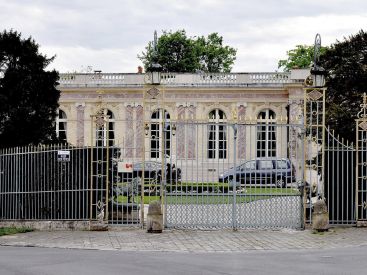
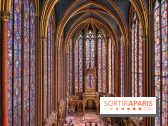
These Paris spots people think are closed… but you can actually visit them (and here’s how).
Discover these iconic Parisian sites that many assume are off-limits to the public, reserved for institutions or officials, yet they actually open their doors to visitors. The Élysée Palace, the Hôtel de Matignon, the Senate, religious monuments… Here’s when and how to visit. [Read more]
This page may contain AI-assisted elements, more information here.
Dates and Opening Time
Next days
Thursday:
from 12:00 a.m. to 11:59 p.m.
Friday:
from 12:00 a.m. to 11:59 p.m.
Saturday:
from 12:00 a.m. to 11:59 p.m.
Sunday:
from 12:00 a.m. to 11:59 p.m.
Monday:
from 12:00 a.m. to 11:59 p.m.
Tuesday:
from 12:00 a.m. to 11:59 p.m.
Wednesday:
from 12:00 a.m. to 11:59 p.m.
Location
Opéra de Paris - Palais Garnier
8 Rue Scribe
75009 Paris 9
Route planner
Access
Metro: Opéra station (lines 3, 7 or 8) Auber (RER A)
Official website
www.operadeparis.fr
















 These Paris spots people think are closed… but you can actually visit them (and here’s how).