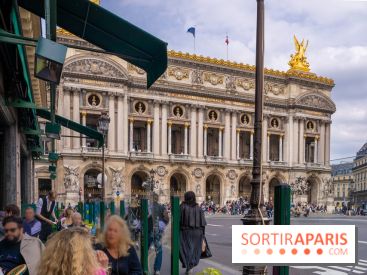
Since its publication in 1910, The Phantom of the Opera has fed the collective imagination. Gaston Leroux recounts the tale of a mysterious figure, Erik, said to lurk in the Palais Garnier’s deepest corridors, to pull the strings of the stagehands, to terrorize the Opera’s leadership, and to fall for the young soprano Christine Daaé.
Presented as an investigation inspired by real events, the novel deliberately blurs the line between fact and fiction. And more than a century later, several elements of this story continue to pique visitors' curiosity!
One of the novel’s most famous episodes is the spectacular fall of the chandelier in the auditorium. This scene draws on a real event. On May 20, 1896, a counterweight from the enormous chandelier in the Palais Garnier detached and pierced the ceiling of the hall. A spectator, who happened to be the building’s concierge, was fatally wounded. Unlike the novel, it wasn’t the entire chandelier that collapsed, but a component of its suspension mechanism!
The accident left a lasting impression on the public imagination, and Gaston Leroux drew on it for one of the most memorable passages in his narrative. The current chandelier, restored several times, still weighs nearly 7 tonnes and remains one of the symbols of the Palais Garnier.
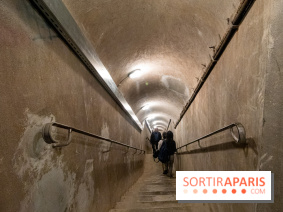
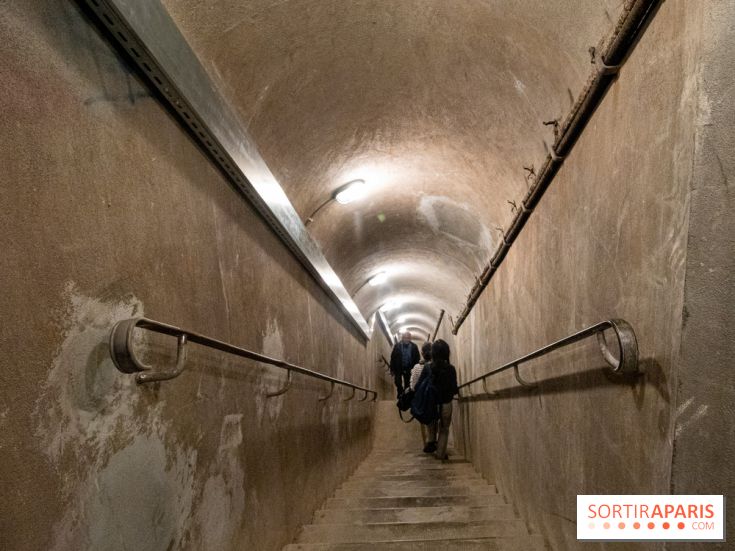
Another staple element of the legend: the mysterious underground lake where the Ghost is said to have his lair. Here again, fiction springs from reality, though the proportions are heavily romanticized. During the construction of the Palais Garnier, between 1861 and 1875, workers uncovered a substantial groundwater layer. The infiltrations complicated the project considerably. To stabilize the foundations, the architect Charles Garnier had a vast permanent water reservoir installed beneath part of the building.
So this isn’t a natural navigable lake like in the novel, but a masonry tank built to balance water pressure and protect the foundations. This reservoir still exists today, is regularly maintained, and also serves as a training site for divers from the Paris Fire Brigade, who conduct confined-space drills there.
In the novel, the Phantom demands that the loge n°5 be reserved for him and threatens anyone who would dare to sit there. This box does exist at the Palais Garnier. It is visible during the monument tours, even though there is obviously no proof that it was ever linked to any mysterious presence.
Gaston Leroux knew the place inside out! A journalist who specialized in crime reporting before becoming a novelist, he had access to several documents about the Opera and maintained contacts with some of the staff. This familiarity with the building allowed him to deftly weave real spaces, verified anecdotes, and entirely imagined elements.
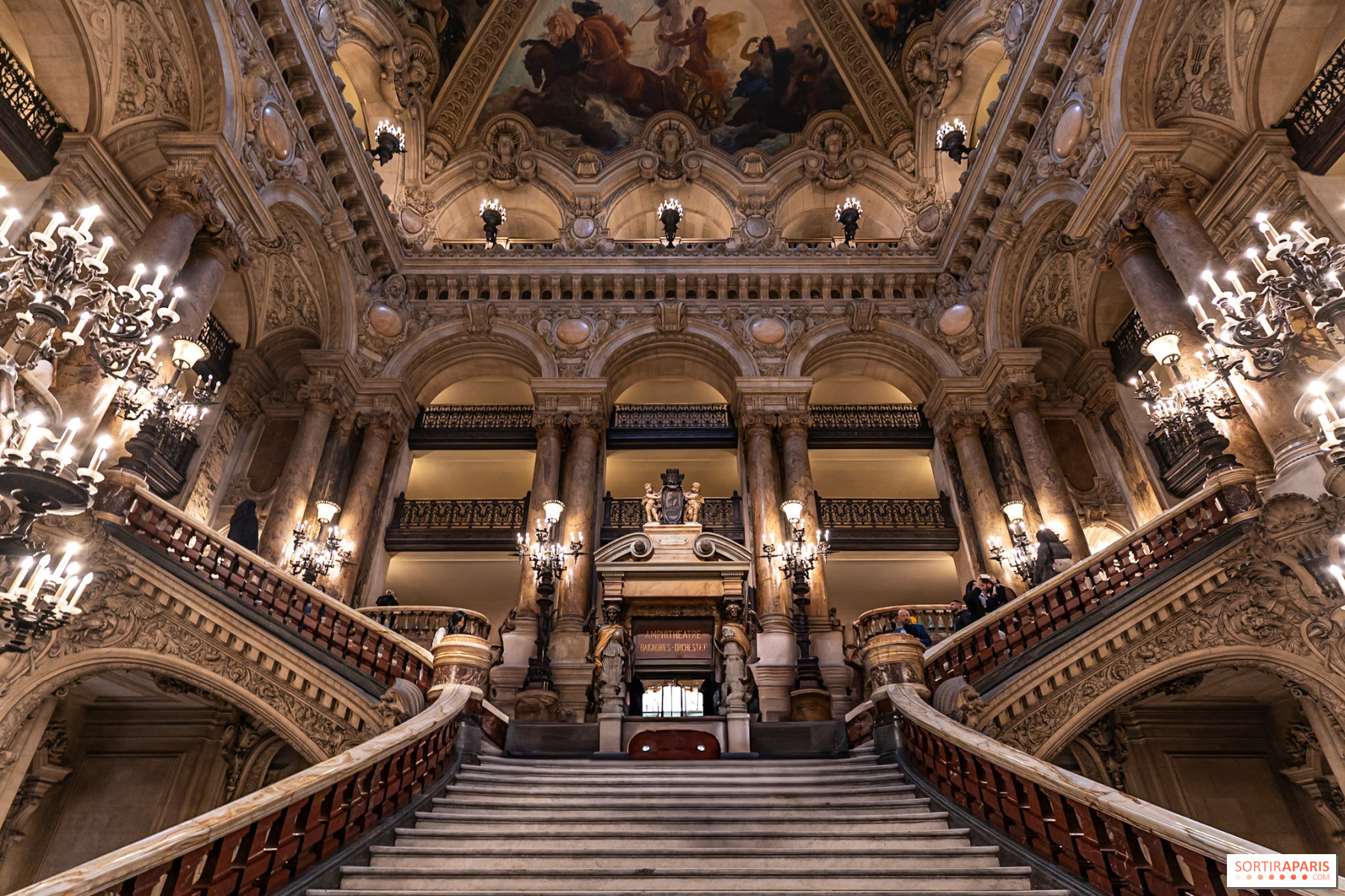
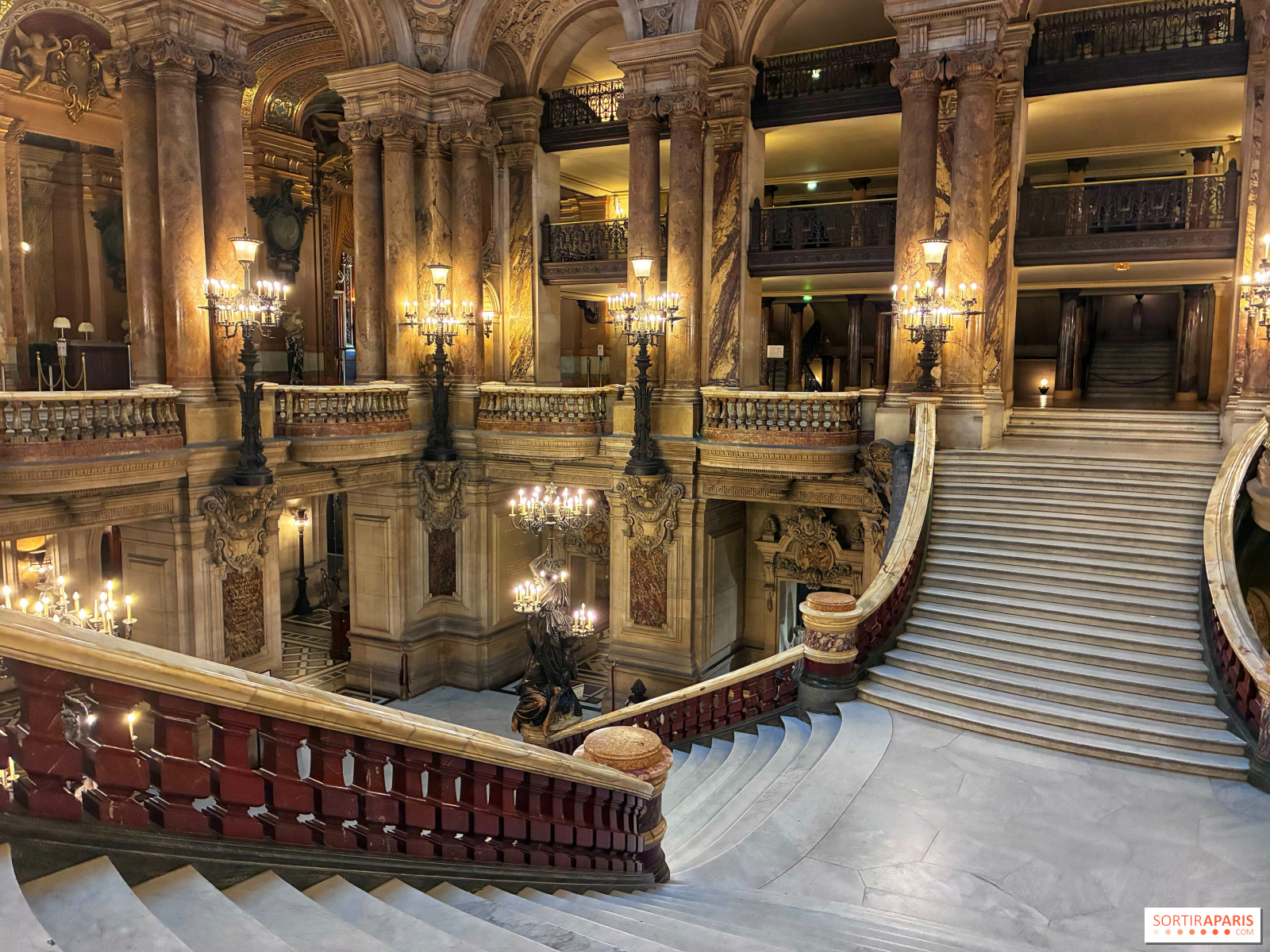
If The Phantom of the Opera continues to fascinate, it’s also because the Palais Garnier lends itself particularly to mysterious stories. Its kilometres of technical corridors, its set workshops, its backstage areas, its suspended walkways dozens of metres above the performers and its monumental staircases form a genuine labyrinth.
In the 19th century, hundreds of machinists, costume makers, set designers and musicians worked there daily, giving rise to a multitude of rumeurs et anecdotes. Gaston Leroux didn’t invent the décor; he simply enriched it with a personnage fictif, drawing on historical facts, accidents documentés, and the mystères that already surrounded the Palais Garnier!
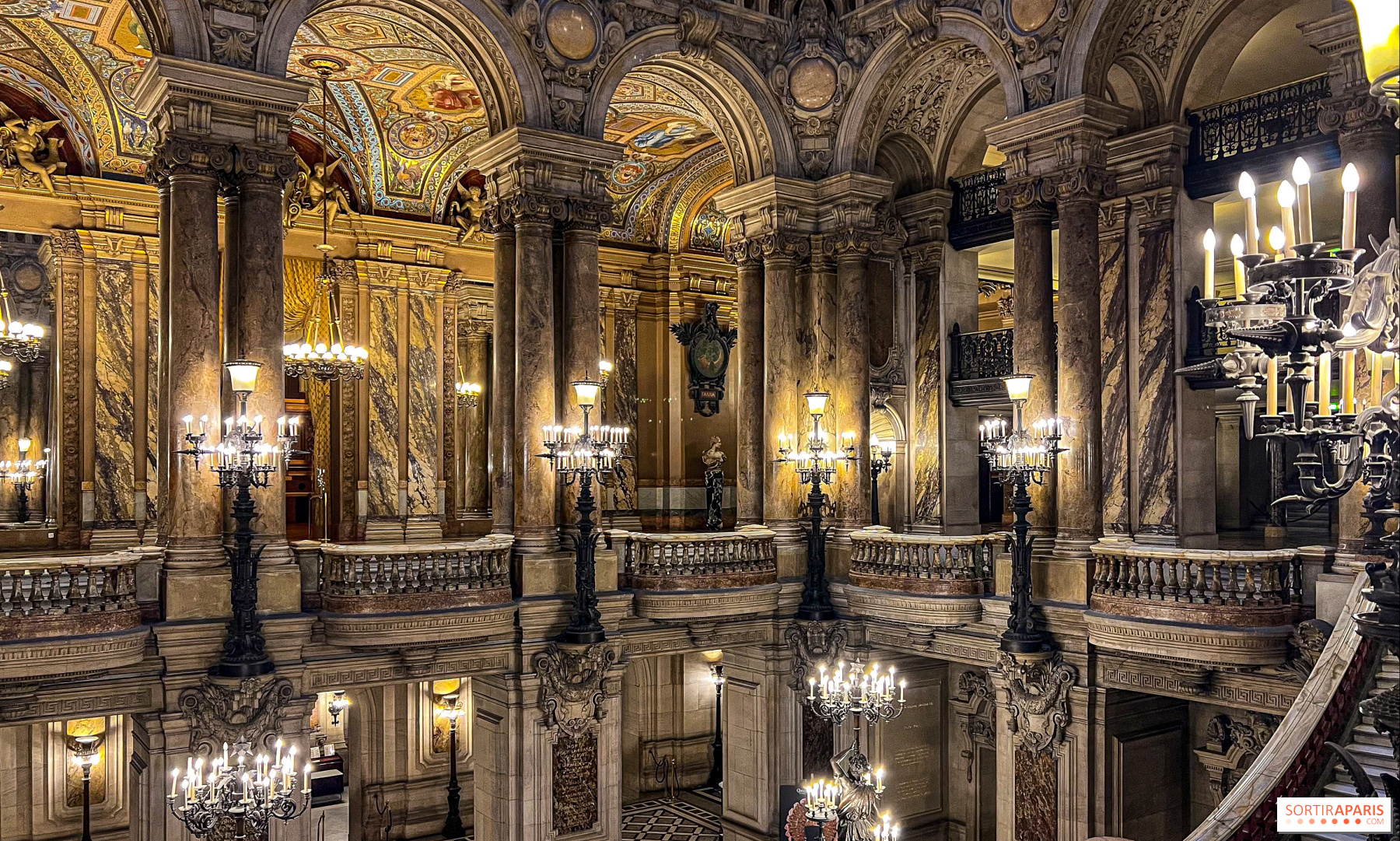
The Palais Garnier is open year-round. Visitors can explore the grand staircase, the foyer, the auditorium, several historic spaces, as well as the famous Box No. 5, which has become one of the tour’s must-see highlights. By contrast, the underground reservoir that inspired the 'Phantom's Lake' is not accessible to the public.
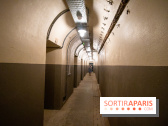
The real backstage, the technical galleries and the workshops only come to light on occasion through exceptional visits and within the framework of certain guided tours devoted to the backstage of the Opéra.
More than a century after the novel's publication, the legend continues to haunt the Palais Garnier. While no ghost has ever been found in its cellars, several very real elements have greatly contributed to giving rise to one of the most famous stories in French literature!
Can you tour the backstage of the Opéra Garnier? The secrets that the audience never sees.
Behind the gilded grandeur of the Opéra Garnier lies a genuine city devoted to show. Fascinating backstages (most of which remain closed to visitors) have fed, for more than a century, every imaginable fantasy. [Read more]
Dates and Opening Time
Next days
Tuesday:
from 12:00 a.m. to 11:59 p.m.
Wednesday:
from 12:00 a.m. to 11:59 p.m.
Thursday:
from 12:00 a.m. to 11:59 p.m.
Friday:
from 12:00 a.m. to 11:59 p.m.
Saturday:
from 12:00 a.m. to 11:59 p.m.
Sunday:
from 12:00 a.m. to 11:59 p.m.
Monday:
from 12:00 a.m. to 11:59 p.m.
Location
Opéra de Paris - Palais Garnier
8 Rue Scribe
75009 Paris 9
Route planner
Access
Metro: Opéra station (lines 3, 7 or 8) Auber (RER A)
Official website
www.operadeparis.fr







 Can you tour the backstage of the Opéra Garnier? The secrets that the audience never sees.