The "Forbidden Catacombs" are among Paris's most mythologized places. Kilometers of galleries, secret rooms, stone-carved sculptures, passages swallowed by darkness... This reputation feeds a widely held belief: the famous Catacombs of Paris would be only a tiny part of a vast hidden network beneath the capital.
This claim is true… but it deserves a few explanations. For while a vast labyrinth of underground quarries does indeed lie beneath the capital, only a very small portion is today accessible to the public. To satisfy your curiosity without putting you at risk, we’ll tell you what lies hidden beneath the City of Light.
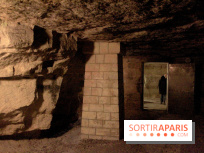
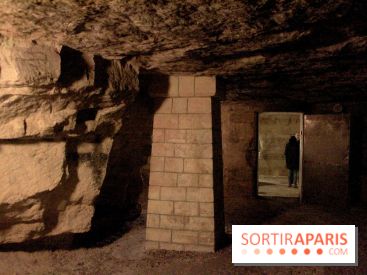
Contrary to what their name might imply, the Catacombs were not dug to house graves. The Parisian underground network is made up of ancient limestone quarries, mined as far back as the Gallo-Roman era and especially between the Moyen Âge and the 18th century.
The stone quarried from these galleries helped construct a large part of Paris’s monuments, from Notre-Dame-de-Paris to the hôtels particuliers of the capital. Over the centuries, these abandoned quarries have formed a genuine labyrinth estimated at nearly 300km of galleries beneath Paris intra-muros, with additional networks extending into the nearby suburbs.
By the late 18th century, a portion of these quarries was chosen to house the bones from the Parisian cemeteries that had become unsanitary. It is this ossuary that would give birth to the famous Catacombs.
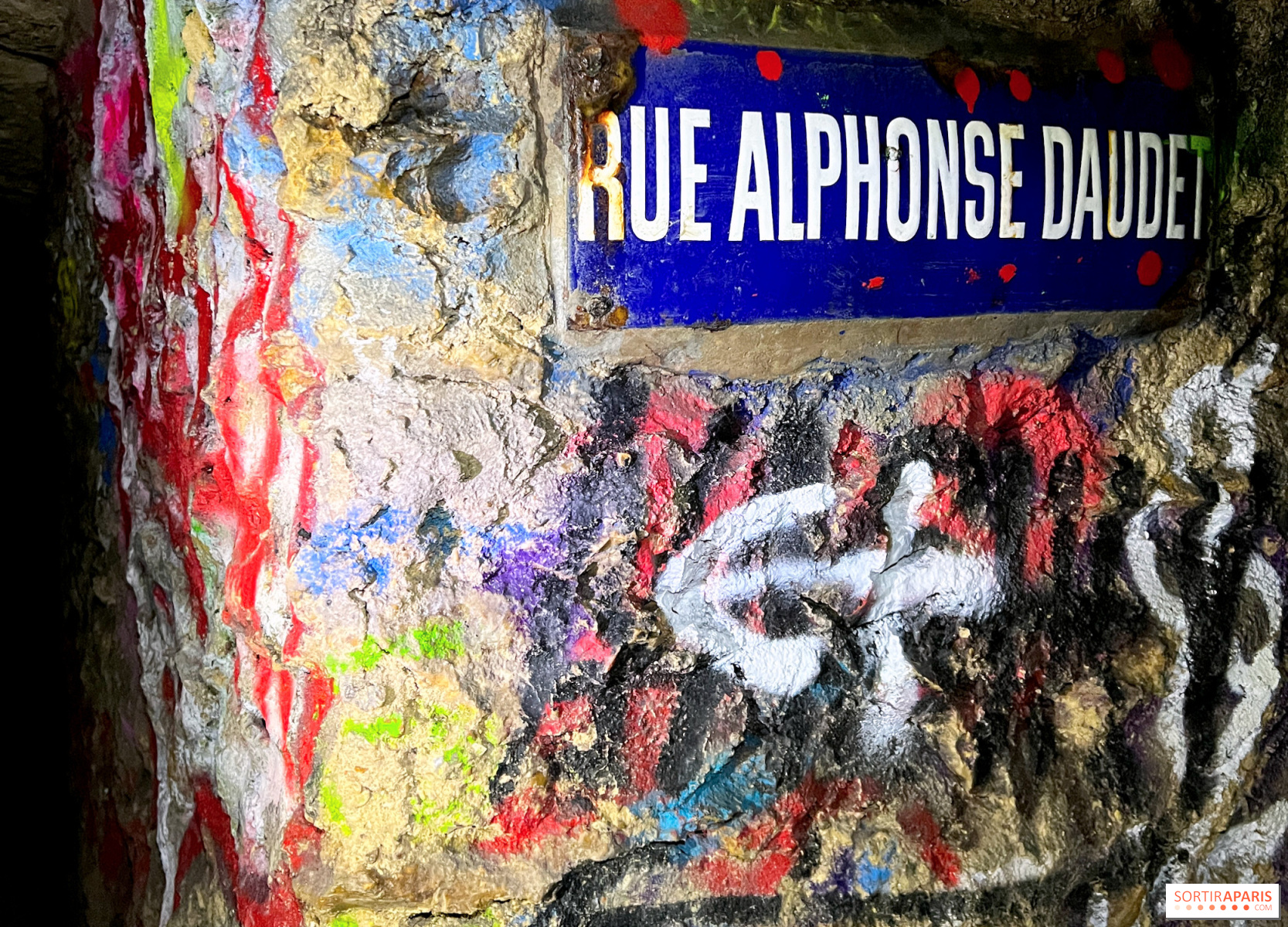
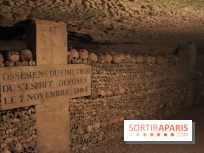
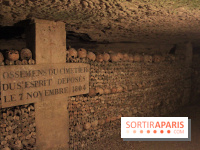
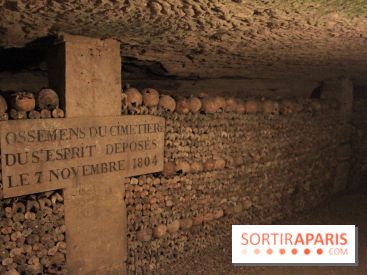
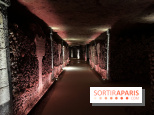
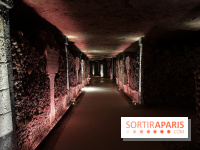
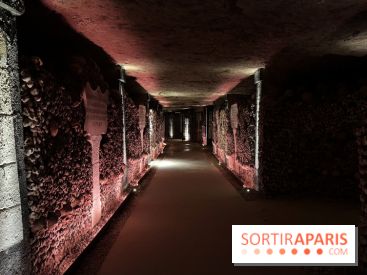
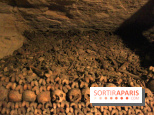
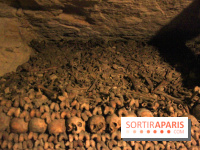
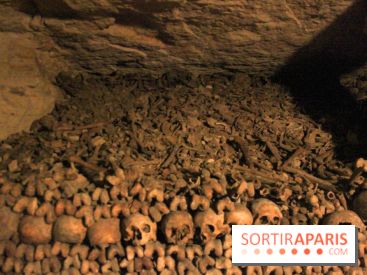
The Catacombs of Paris, located at Place Denfert-Rochereau in the 14th arrondissement, represent the only officially open tour for visitors. Initiated from 1786, the municipal ossuary progressively houses the remains of millions of Parisians exhumed from the city’s old cemeteries, notably the Innocents cemetery.
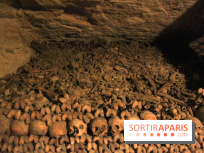
Today, the visitor route stretches for about 1.5 kilometers, with nearly 800 meters dedicated to the ossuary. Visitors encounter meticulously arranged alignments of bones, historical plaques, old inscriptions carved by quarry workers, and several rooms tracing the geological and funerary history of Paris. All told, the remains of more than 6 million people lie in this ossuary, a site unique in the world.
Yes, but they’re not what most people picture. Nearly all of the old quarries beneath Paris are off-limits to the public. Since a 1955 prefectural order, access is prohibited unless you have a special permit. The rule is mainly about safeguarding people: some galleries are unstable, others flood-prone, poorly ventilated, or hard to evacuate in an emergency.
These off-limits sections are the areas sometimes frequented by cataphiles, the enthusiasts who clandestinely explore the underground network. Contrary to popular belief, there aren’t gigantic secret cemeteries beneath Paris. Most of these tunnels are old quarries, often developed over time by their clandestine visitors.

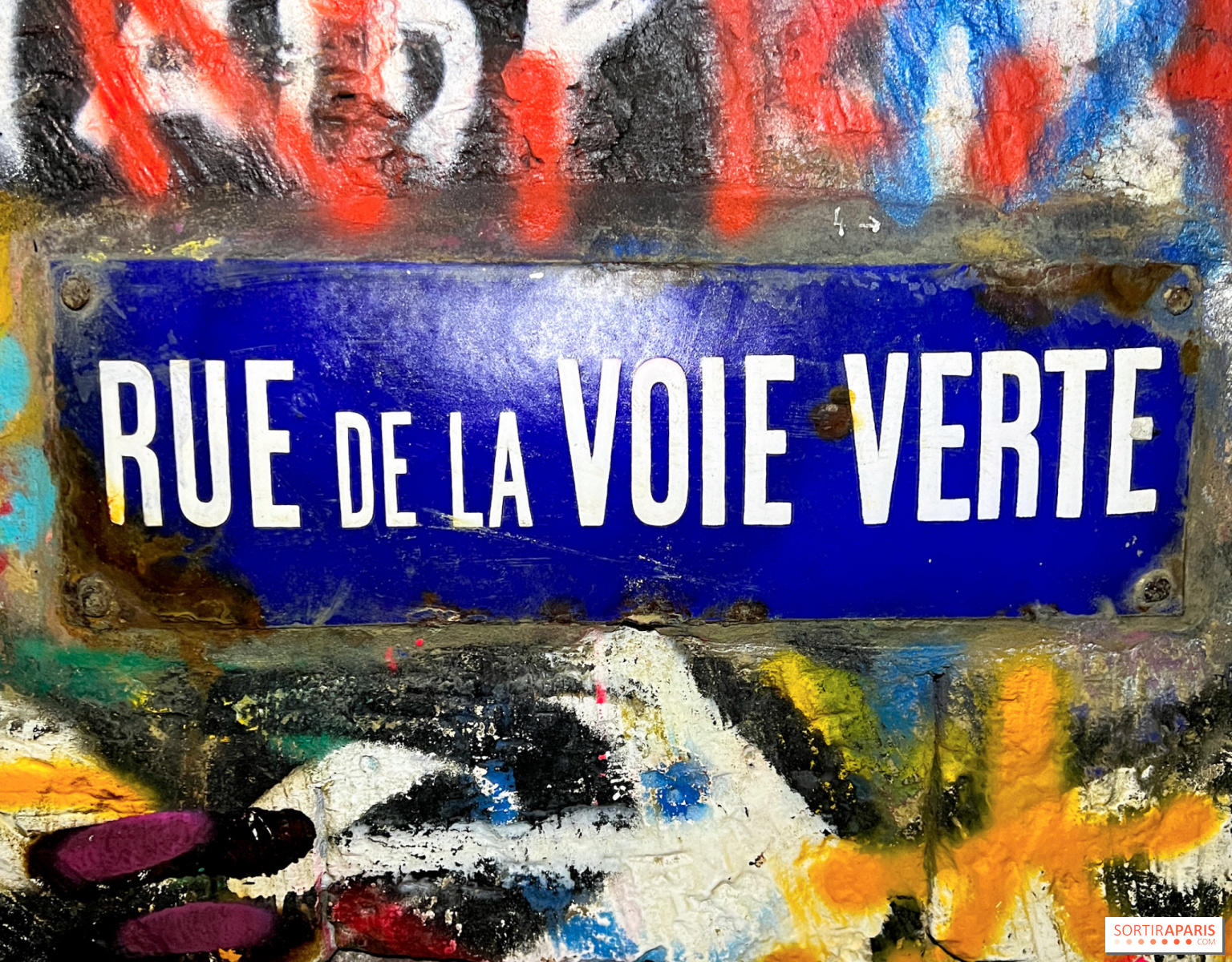
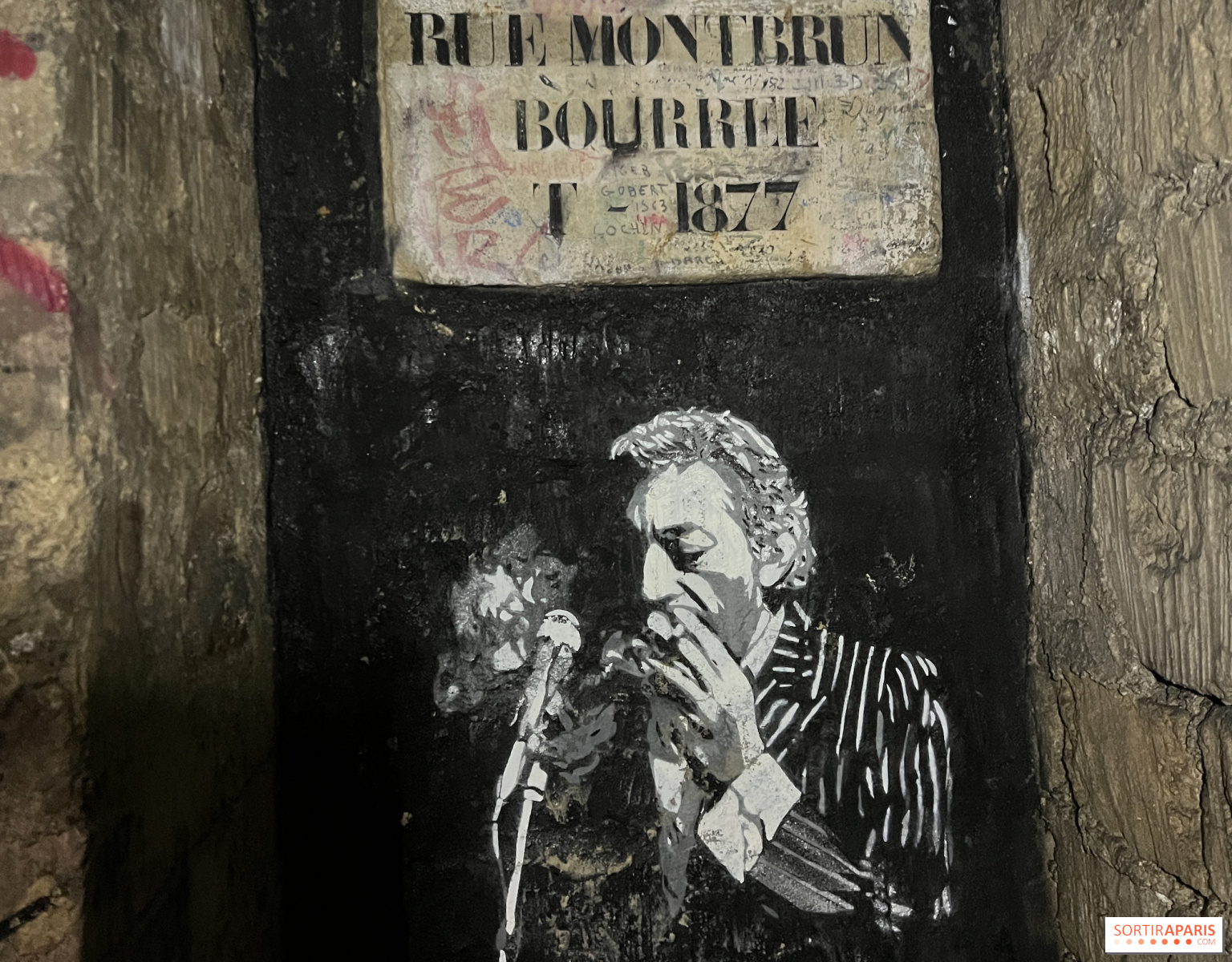
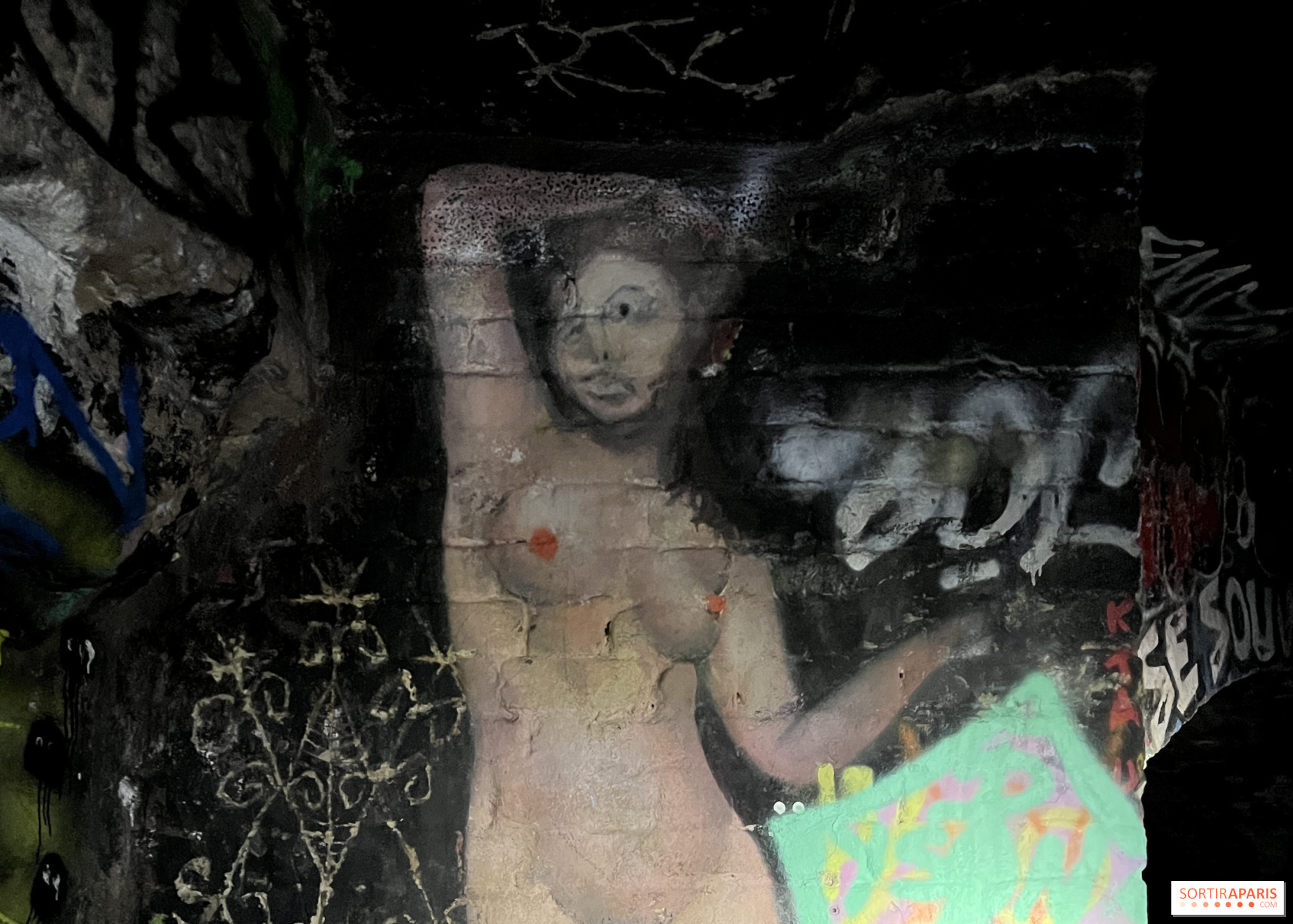
Illegal quarry exploration has given rise to a genuine underground culture. For decades, some cataphiles have nurtured and decorated certain chambers. There you can find stone sculptures, frescoes, benches, improvised libraries, or even humorous plaques.
One of the most famous spaces was the clandestine cinema discovered in 2004 beneath the palais de Chaillot. Police found a screen, seats, a projection system and even a rudimentary bar. The installations vanished a few days later, leaving behind a simple message: "Don't look for us". This discovery helped fuel the legend of Paris's secret catacombs.
Why is access forbidden?
Beyond the regulations, the risks are real. The network forms a labyrinthine maze where it’s easy to lose your bearings. Some galleries lead to shafts, flooded zones, or sections weakened by time. Communications are severely limited, and rescue teams can face difficulties in reaching you quickly.
To enforce the prohibition, a specialized brigade of the police prefecture, nicknamed the "cataflic", conducts regular checks in Parisian quarries. People caught in violation face a fine, in addition to the dangers inherent to exploring.

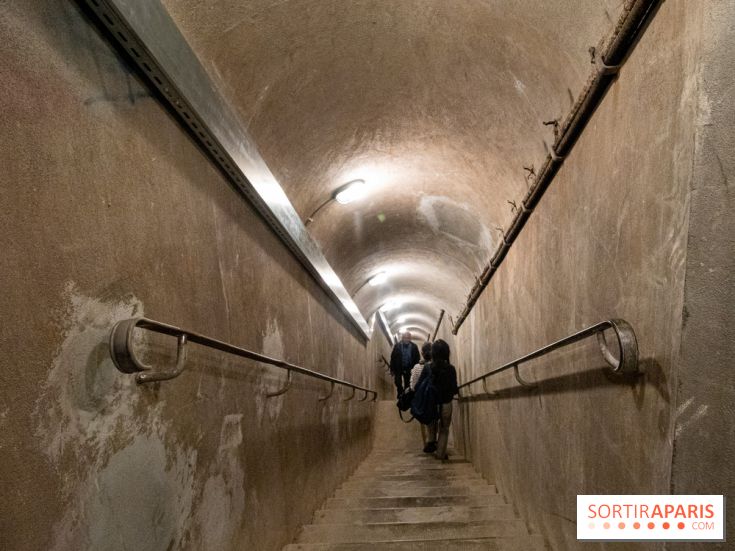
In practice, only one site is officially open to the public: the Paris Catacombs, with an entrance on Denfert-Rochereau Square. The visit is ticketed and strongly recommended to book in advance, as the site draws visitors from both France and abroad. The route requires descending 131 steps and then climbing 112 back up.
Because of the persistent damp and narrow passages, access isn't universal. The other underground galleries of Paris, the "forbidden catacombs", remain off limits. They nevertheless continue to fuel stories, documentaries, and urban legends that have made the Parisian basements one of the capital's most mysterious places.
Dark Tourism, discovering the creepiest places in Paris
For lovers of thrilling discoveries and dark tourism, discover the dark side of Paris through secret places and monuments with a fascinating history. [Read more]









 Dark Tourism, discovering the creepiest places in Paris