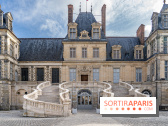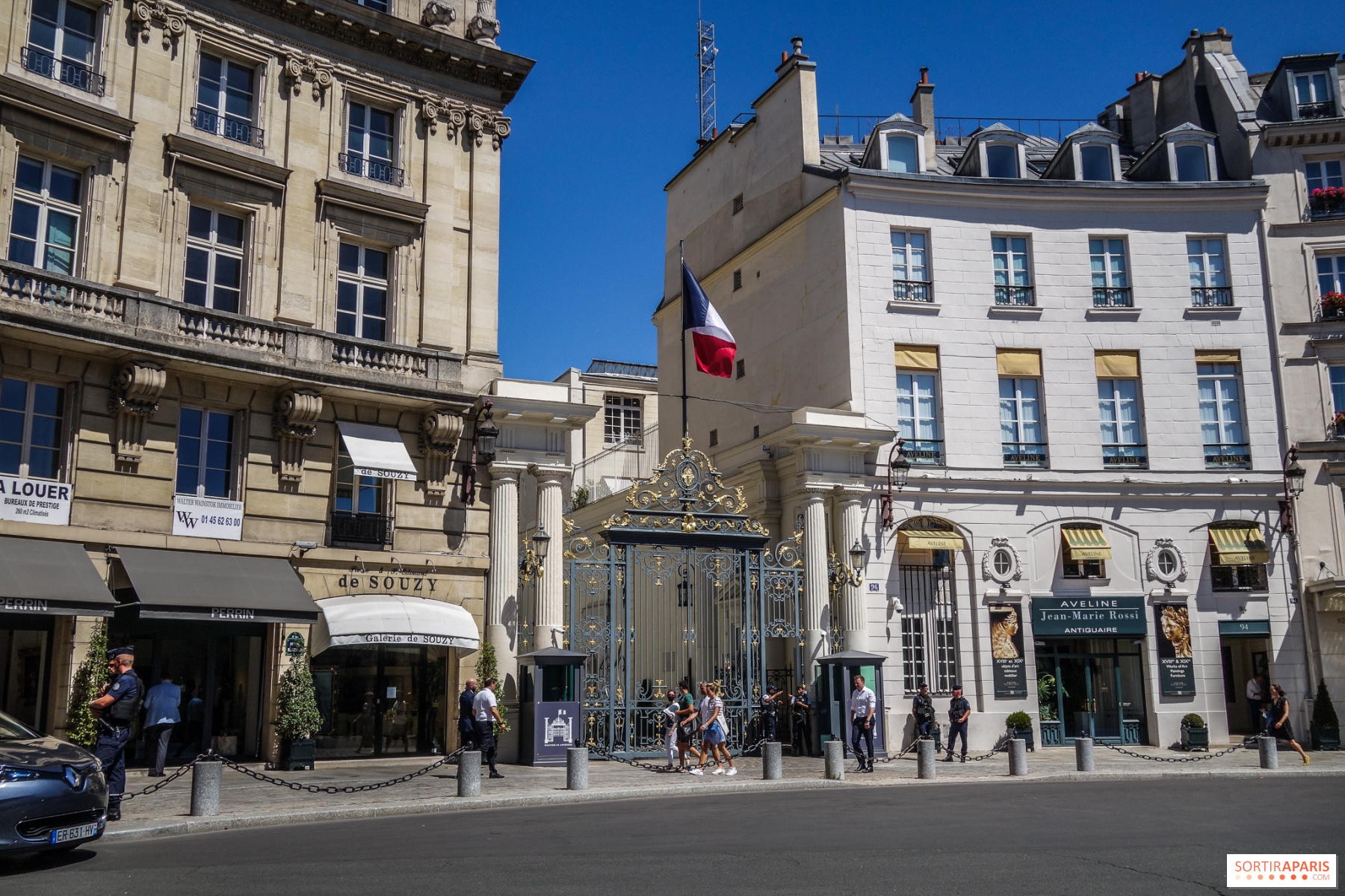
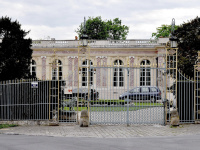
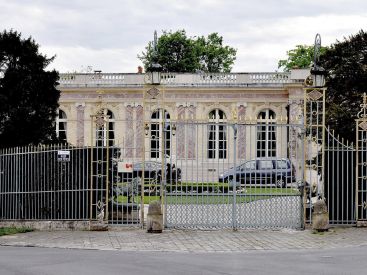
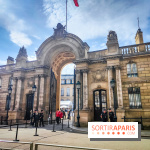
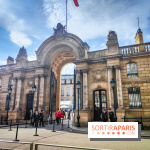
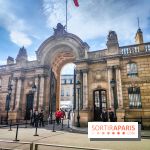
Few Parisians know what truly lies behind the gilded gates of this elegant building in the 8ᵉ arrondissement, just steps from the Élysée Palace. For more than a century and a half, the Hôtel de Beauvau has been the nerve center of the Ministry of the Interior.
This is where some of the most consequential decisions about security, elections, local authorities, or the organization of major national events are made. Despite this essential role, the palace remains largely off-limits to the public, reinforcing its aura of mystery.
Yet, long before it hosted France's top state officials, the hôtel de Beauvau was the residence of a powerful aristocratic family and the scene of landmark events in French history.
The story of the Hôtel de Beauvau begins in the early 18ᵉ siècle. Between 1728 et 1731, a hôtel particulier is erected for Charles Juste de Beauvau-Craon, prince de Beauvau and futur maréchal de France. Its name has remained tied to the building to this day. Like many grand townhouses in the Faubourg Saint-Honoré, the residence was designed according to the classical model: a dwelling opening onto a cour d'honneur on the street side and a jardin à l'arrière, offering calm and privacy to its occupants.
Over the decades, the hotel passes through several owners. It is expanded, spruced up and tailored to the tastes of its successive occupants, becoming one of the neighborhood’s most elegant residences.
The Hôtel de Beauvau has hosted a string of influential figures from its era. On the eve of the French Revolution, it belonged in particular to members of the high aristocracy close to the court. The neighborhood itself was then one of the centers of power. A few hundred meters away lie the Élysée Palace, several embassies, and numerous residences owned by the nobility.
In the wake of the revolutionary upheavals, the building serves a succession of functions before the state settles on it as a permanent home for a central administration.
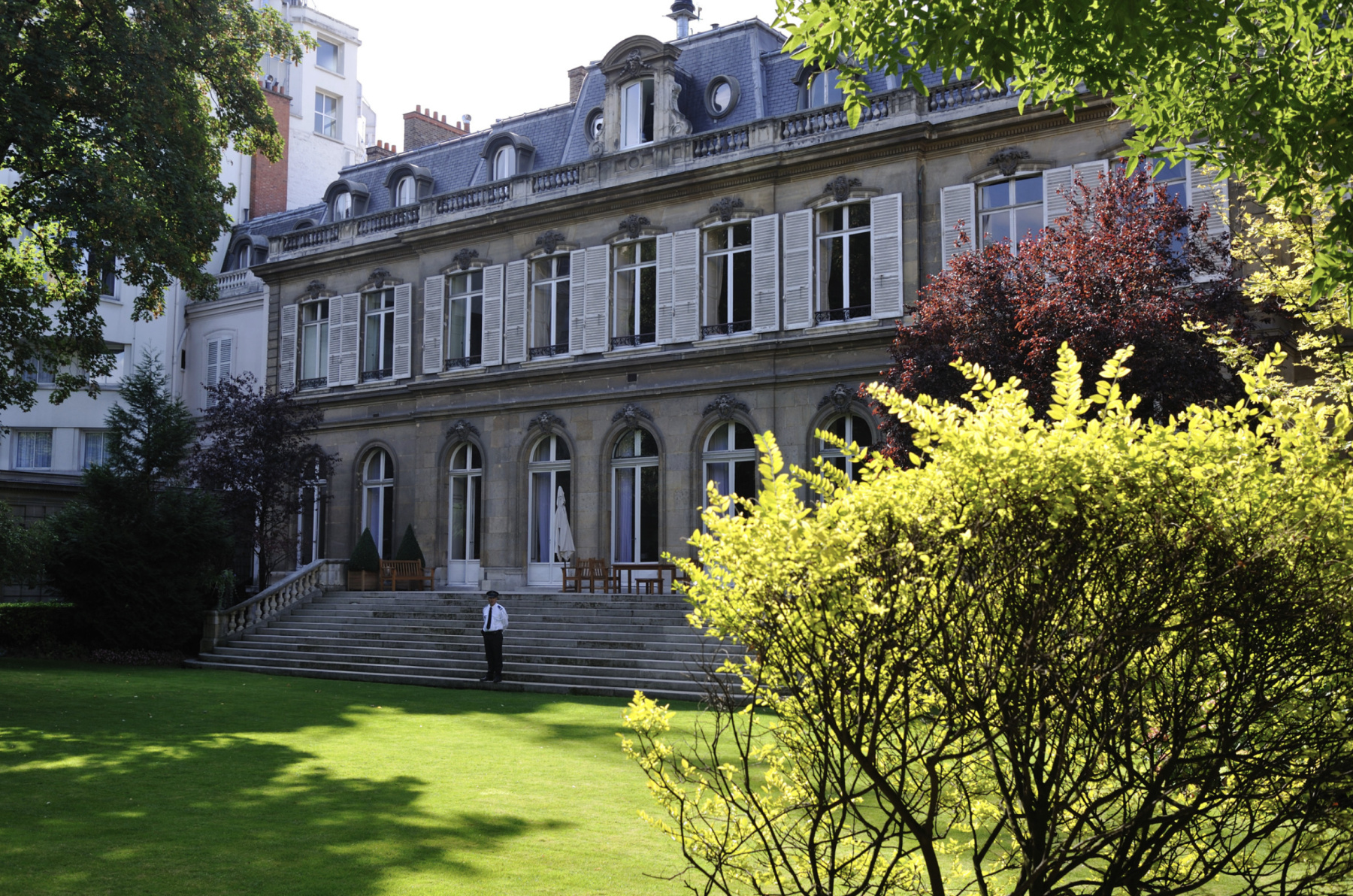
It was during the Second Empire that the Hôtel de Beauvau assumed the role it is known for today. In 1861, the Ministry of the Interior moved in there officially. Since then, all Ministers of the Interior, from Napoleon III to the present, have held office there. This remarkable continuity makes the Hôtel de Beauvau one of the oldest ministerial seats in France still run by the same administration.
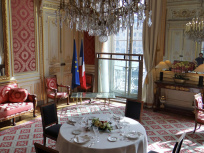
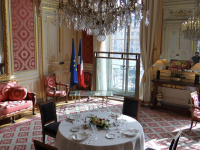
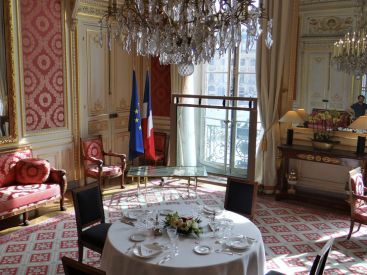
Over the decades, the building has been modernized while preserving its décors historiques. Behind the sober façades unfold salons d'apparat, escaliers monumentaux, boiseries anciennes, tapestries and offices where major decisions that shaped contemporary French history were made.
An interesting anecdote is that "Beauvau" has become far more than just an address. Just as people speak of "Matignon" to refer to the Prime Minister or "the Élysée" to evoke the presidency, journalists routinely use the name Beauvau to refer to the Ministry of the Interior itself.
Thus, when one hears that a decision “comes from Beauvau,” it’s not just about the building, but the entire institution; a genuine political metonymy!
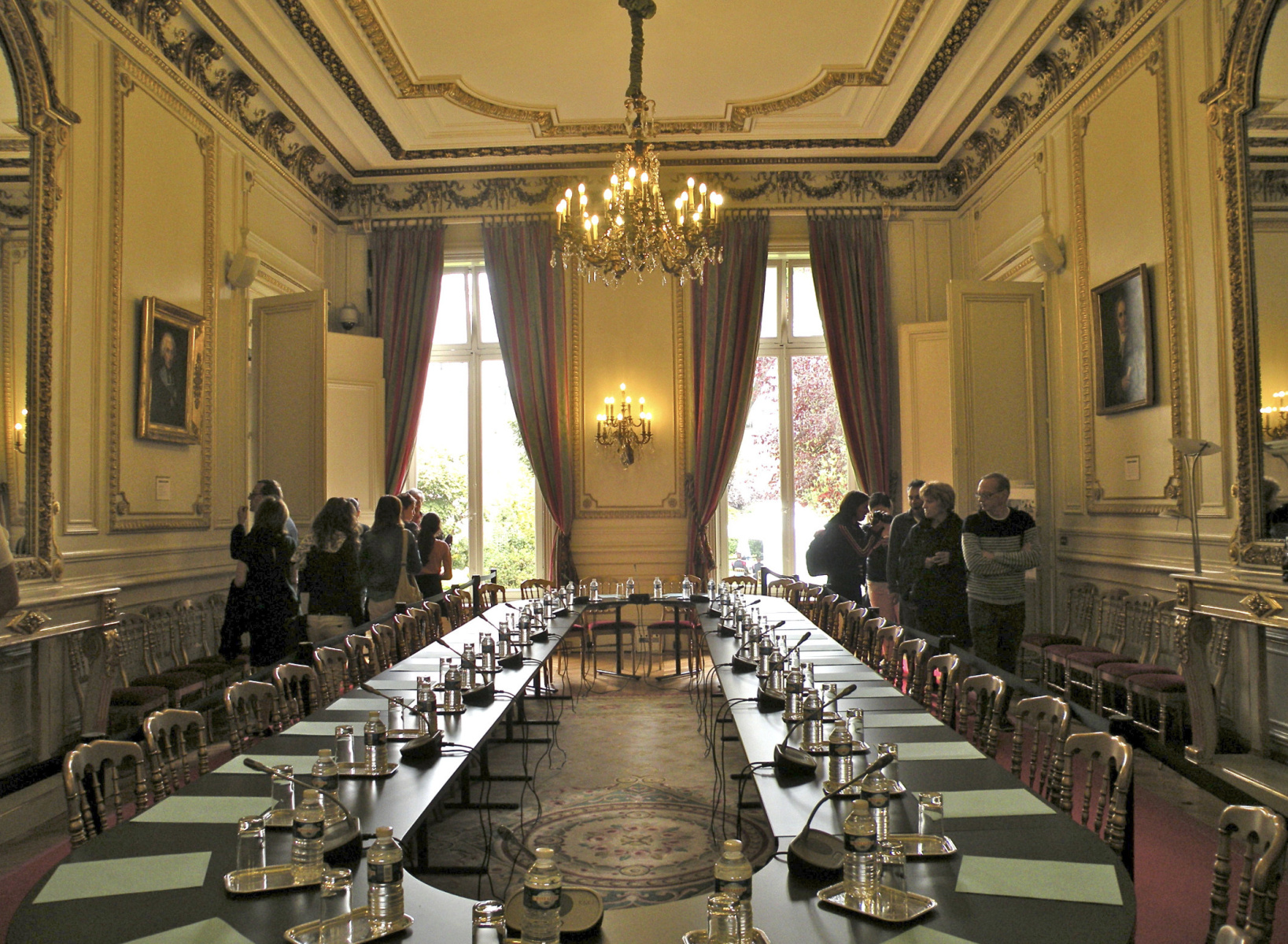
The Hôtel de Beauvau has hosted prominent figures in French political life. Georges Clemenceau, Georges Mandel, Pierre Mendès France, Gaston Defferre, and several prime ministers before moving to Matignon have occupied the ministerial desk there.
During major national crises (wars, the Liberation, May ’68, waves of attacks or health crises), it’s from Beauvau that many decisions within the Interior Ministry’s remit were coordinated. It remains one of the nerve centers of the French state.
Yes, but only on an exceptional basis. Unlike other historic monuments, the Hôtel de Beauvau is not open to unguided public tours due to its ongoing government role. The public can, however, explore its salons and certain historic rooms during the European Heritage Days, when security constraints permit.
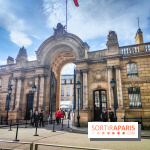
Seats are usually limited and reservations, when offered, fill up quickly. And for the rest of the year, one must be content with admiring its façade from the Place Beauvau!
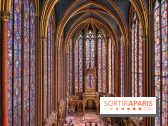
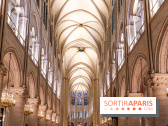
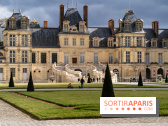
These Paris spots people think are closed… but you can actually visit them (and here’s how).
Discover these iconic Parisian sites that many assume are off-limits to the public, reserved for institutions or officials, yet they actually open their doors to visitors. The Élysée Palace, the Hôtel de Matignon, the Senate, religious monuments… Here’s when and how to visit. [Read more]
This page may contain AI-assisted elements, more information here.
Dates and Opening Time
Next days
Tuesday:
from 12:00 a.m. to 11:59 p.m.
Wednesday:
from 12:00 a.m. to 11:59 p.m.
Thursday:
from 12:00 a.m. to 11:59 p.m.
Friday:
from 12:00 a.m. to 11:59 p.m.
Saturday:
from 12:00 a.m. to 11:59 p.m.
Sunday:
from 12:00 a.m. to 11:59 p.m.
Monday:
from 12:00 a.m. to 11:59 p.m.
Location
Ministry of the Interior
Place Beauvau
75008 Paris 8
Route planner




















 These Paris spots people think are closed… but you can actually visit them (and here’s how).