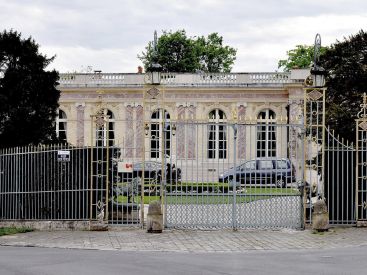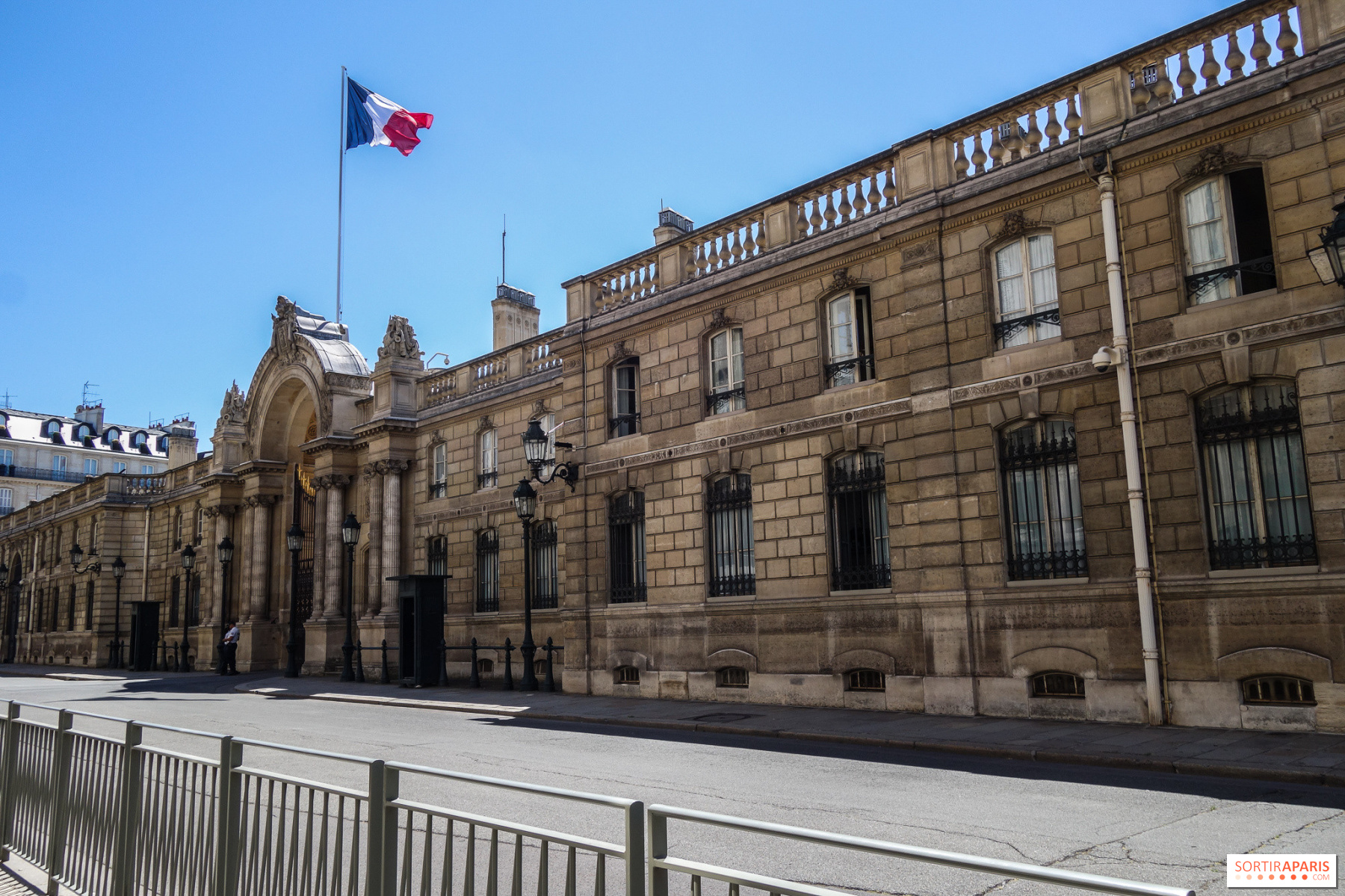
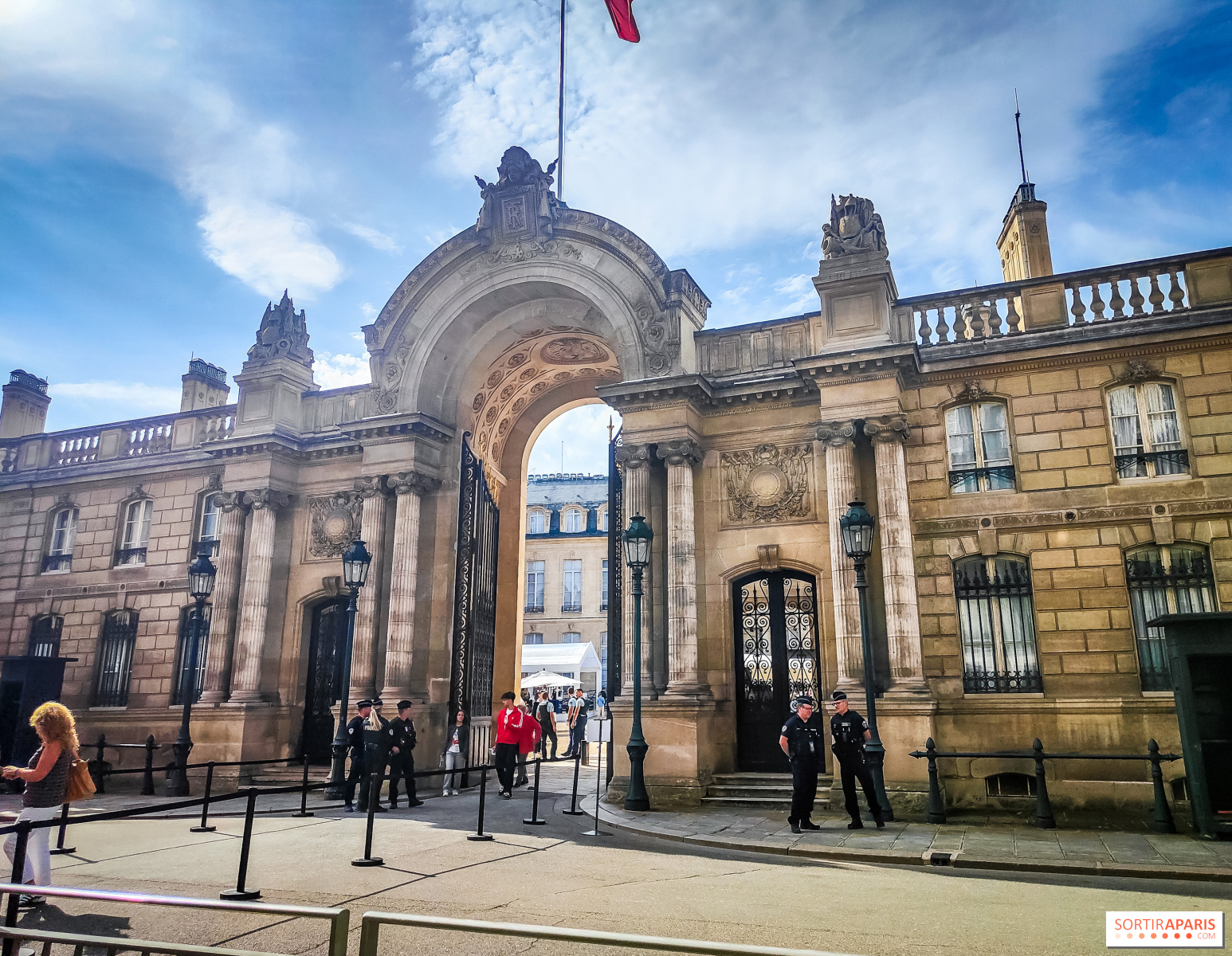
Have you ever wondered what lies behind the famous gates of the Élysée Palace? Visit the Élysée Palace, tour the salons where heads of state are received, or stroll the gardens of the presidential residence… many are the curious who dream of stepping inside. Good news: yes, it is possible to visit the Élysée, but only on certain occasions. Here’s what you need to know.
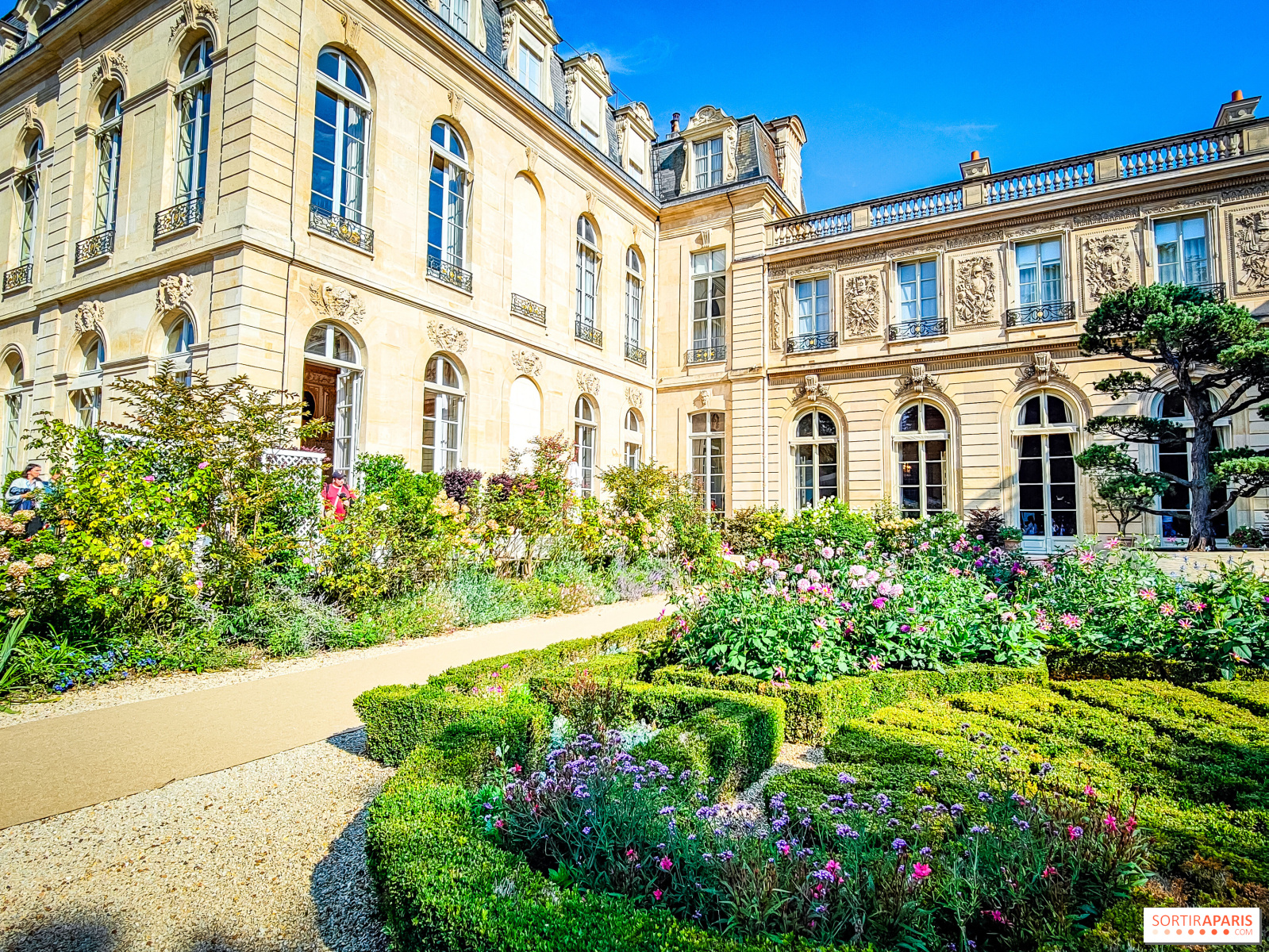
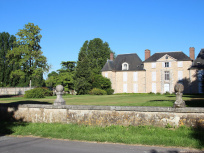
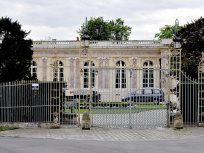
Located at 55 rue du Faubourg Saint-Honoré, in the 8th arrondissement of Paris, the Élysée Palace has served as the official residence of the President of the Republic since 1848. Yet the building is much older. Constructed between 1718 and 1722 for the Count of Évreux, it has over the centuries become the home of illustrious occupants, including the famed Madame de Pompadour.
After the Révolution française, the palace served various functions before being chosen as the presidential residence during the Second Republic. Since then, every French president—from Louis-Napoléon Bonaparte to Emmanuel Macron—has occupied the office there.
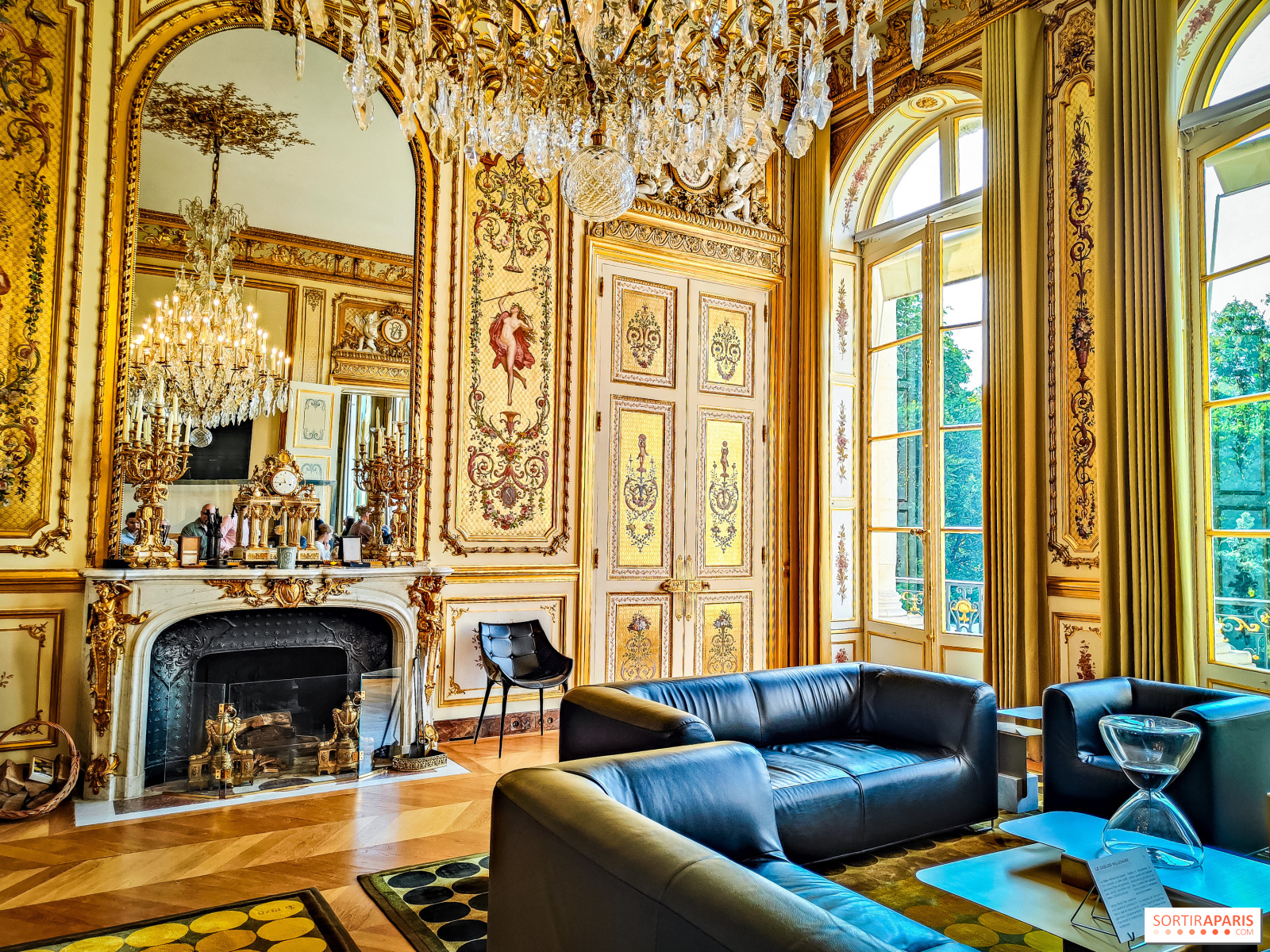
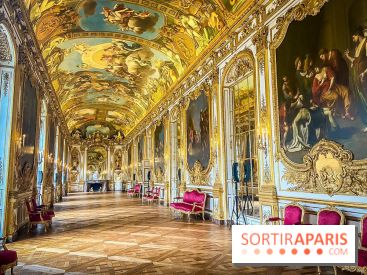
Behind its classical façades lie richly decorated salons, the famed Murat Salon where the Council of Ministers meets every week, expansive reception rooms, offices, and nearly two hectares of gardens, right in the heart of Paris.
The answer is yes, but only on certain dates. The Élysée Palace is not open to the public year-round. Because of its institutional role and the heavy security measures surrounding the presidency, you can’t just wander in as you would a museum.
The European Heritage Days, held each September, are the main opportunity to discover the palace salons. Over two days, several thousand visitors can tour a portion of the presidential residence free of charge, with prior reservation.
Another opportunity also exists: the Fête de la musique. On this occasion, the forecourt of the Élysée Palace regularly hosts a large free concert. Tickets are available by registration only and are in high demand.
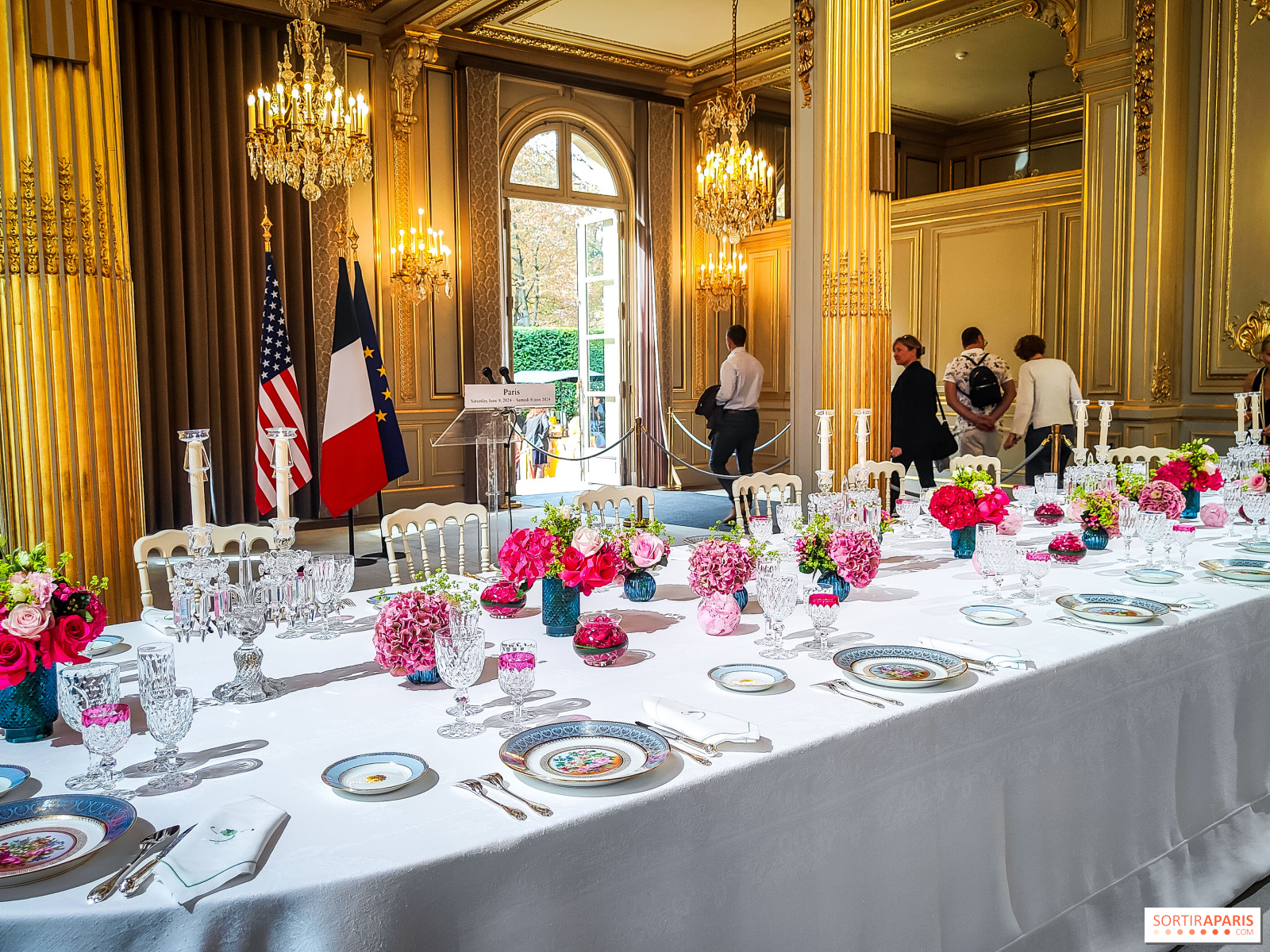
During European Heritage Days, the tour typically takes visitors through the most prestigious spaces of the presidential residence.
Visitors can, in particular, admire:
Throughout the tour, the president’s teams highlight the palace’s history, its architecture, its artworks, and the daily functioning of this institution. The president of the Republic’s personal office, by contrast, is generally not accessible.
For the European Heritage Days, reservations open a few weeks before the event on the official Élysée site. Slots are free, but spots tend to disappear very quickly. The same goes for the Fête de la musique. Each year, the concerts held in the forecourt are subject to online registration, within the limit of available places. In all cases, an identity document is required and security checks are carried out at the entrance.
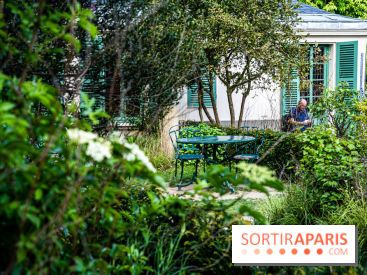
Didn't manage to snag a ticket for the Heritage Days or the Music Festival? Good news: there’s another way to explore the world of the presidency. Located right opposite the palace at 88 rue du Faubourg Saint-Honoré, the Maison Élysée is a free museum dedicated to the history, heritage, and workings of the Presidency of the Republic.
With a contemporary stage design, visitors trace the palace’s evolution from its 18th‑century origins, the key events hosted there, the occupations practiced at the Élysée, and France’s ceremonial traditions.
The tour is enhanced by temporary exhibitions, a shop and a café. Open year-round, the Maison Élysée is today the easiest way to satisfy your curiosity without waiting for a special palace opening.
Maison Élysée: the free Élysée museum/café, opposite the presidential palace in Paris
The Élysée Palace has finally opened the doors to its very own museum! Come and enjoy an exclusive presidential experience at the Maison de l'Élysée, located just opposite the palace. On the program? A free, royal immersion in the 600 m2 museum, café and boutique. [Read more]
This page may contain AI-assisted elements, more information here.



















 Maison Élysée: the free Élysée museum/café, opposite the presidential palace in Paris