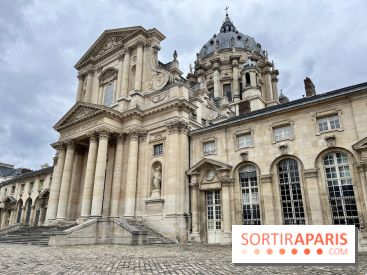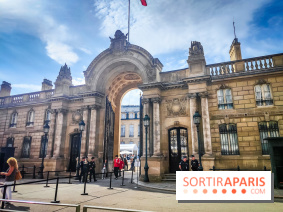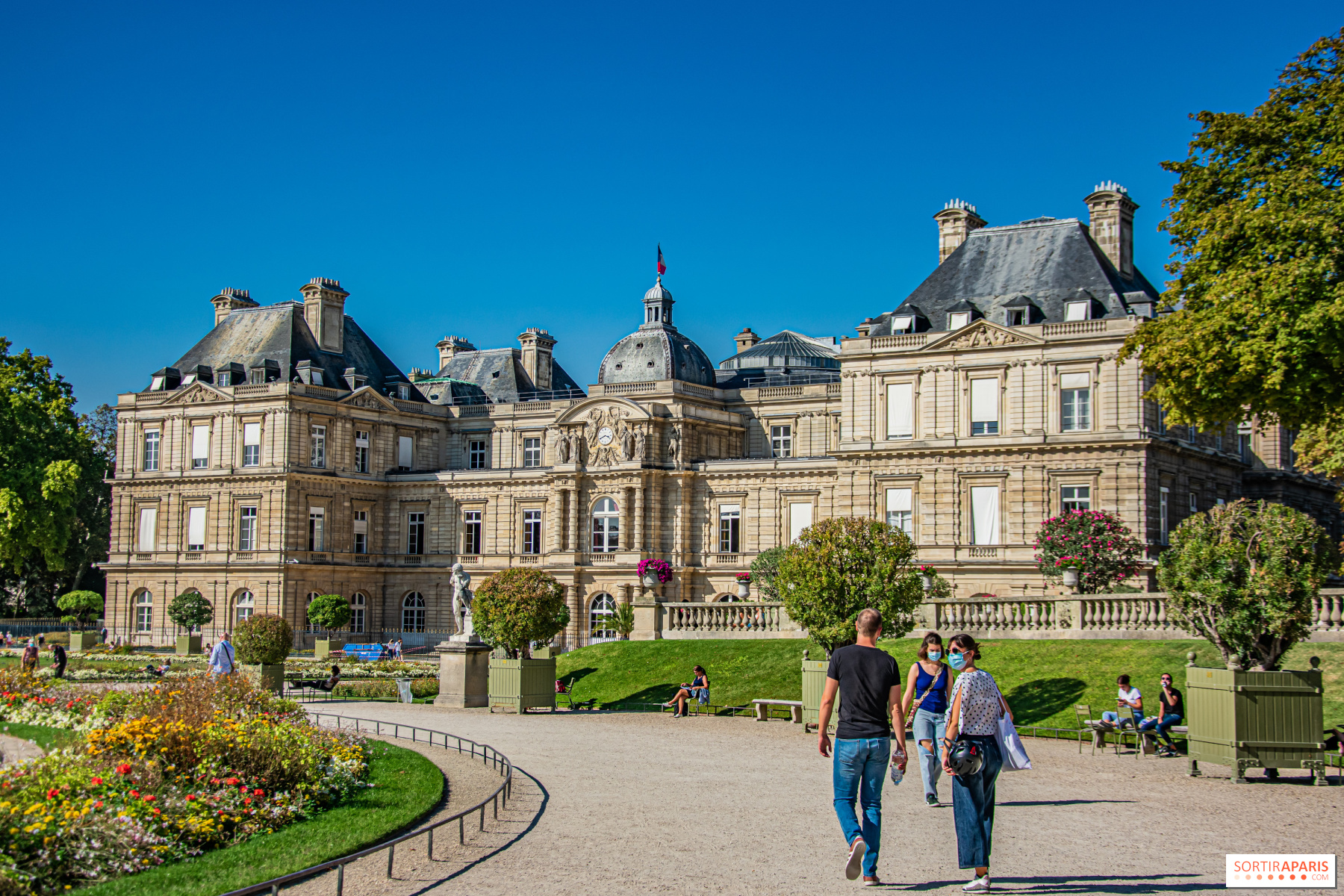
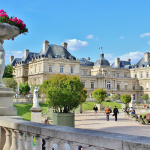
Strolling through the Luxembourg Garden, you may have glanced up at the imposing Luxembourg Palace, the seat of the Senate. Behind its elegant classical façades, lawmakers debate and vote the laws that shape the country. A place as prestigious as it is strategic, long imagined as off-limits. Can you visit the Senate in Paris? The answer is yes! While access remains limited, there are several ways to cross the doors of this cornerstone of the Republic.
Before it became the seat of the Senate, the Luxembourg Palace was a royal residence. Construction began in 1615 at the request of Marie de Médicis, widow of King Henry IV. Nostalgic for Florence, the queen sought to create a palace inspired by the Pitti Palace where she grew up. The result is a monument that blends Italian influences with French architecture, and today stands as one of the finest buildings in the Latin Quarter.
Since 1799, the Luxembourg Palace has housed the Senate. It is here that the 348 senators sit, tasked with examining legislation, overseeing the Government's actions, and representing France's local authorities.
Contrary to a widely held belief, yes, the Senate is open to visitors. The easiest way to get in is to take part in the European Heritage Days, held every September. For two days, the Palais du Luxembourg opens its doors to everyone free of charge. No invitation is required: access is open, within the building’s capacity.
There is also a second option, less well known: group tours organized at the request of a senator. Groups may be invited to discover the Luxembourg Palace by contacting a senator from their department.
Stepping into the Senate feels like entering a real palace. The tour typically takes you through several emblematic spaces:
During Europe’s Heritage Days, visitors can also tour the Petit Luxembourg, the official residence of the President of the Senate. Highlights include the elegant Boffrand salons, the Queen’s Chapel, and the President of the Senate’s office—spaces usually off-limits to the public.
The Palais du Luxembourg is, first and foremost, a working venue. Senators hold public sessions, committee meetings, and a host of official engagements there. For security and practical reasons, the building cannot be opened to the public like a museum.
This ongoing program helps explain why many visitors think access is impossible. Yet every year, tens of thousands of people cross its threshold for European Heritage Days. In 2024, nearly 24,000 visitors discovered the Senate during this exceptional weekend.
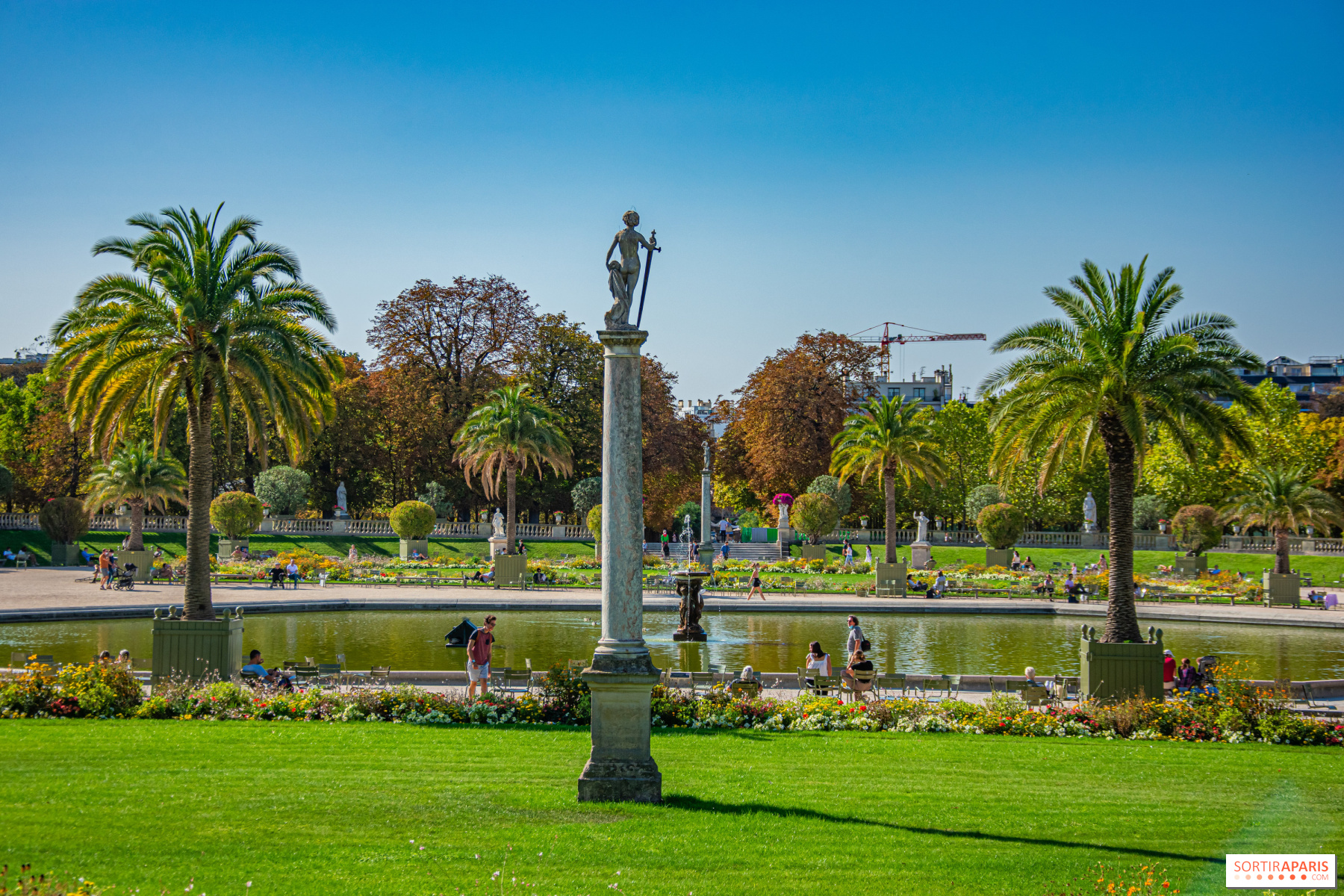
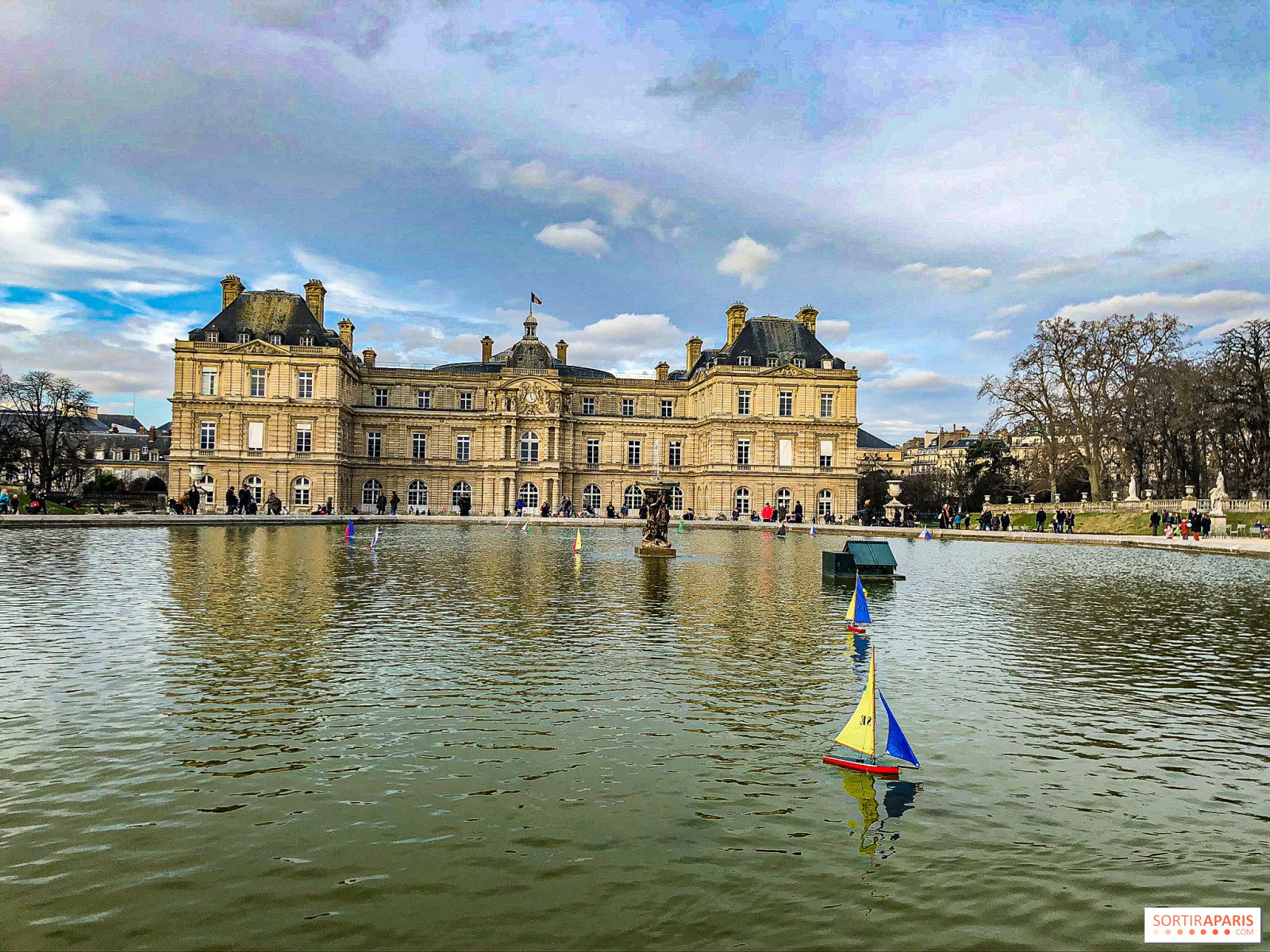
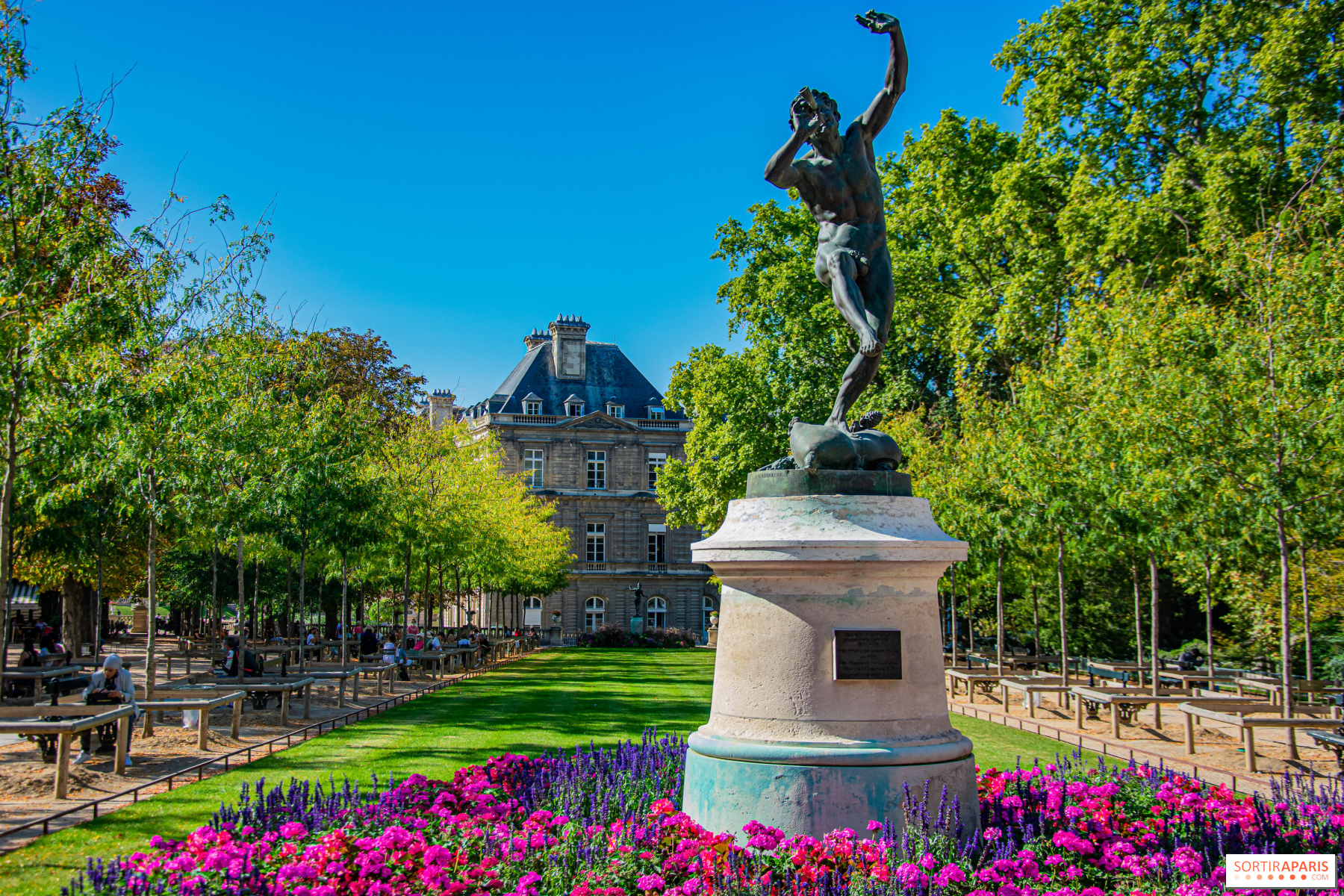
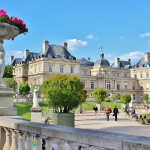
If you have to wait for rare openings to visit the Palais, the jardin du Luxembourg, by contrast, is freely accessible. Created in the 17th century, it spans almost 25 hectares and is one of Paris's most beloved green spaces. You’ll find the iconic green chairs, the basin where little boats glide, the statues of the queens of France, the orchard, the beehives, the greenhouses and the bandstand. This garden still belongs to the Senate, which has overseen its upkeep for more than two centuries.
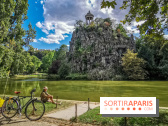
The Jardin du Luxembourg, an exotic setting in the heart of Paris
The Jardin du Luxembourg in Paris is a popular park with Parisians, who call it "le luco", and tourists alike. A bucolic and lively garden, it's a delight for those who choose to stroll here, especially with the arrival of fine weather! [Read more]
This page may contain AI-assisted elements, more information here.



























 The Jardin du Luxembourg, an exotic setting in the heart of Paris