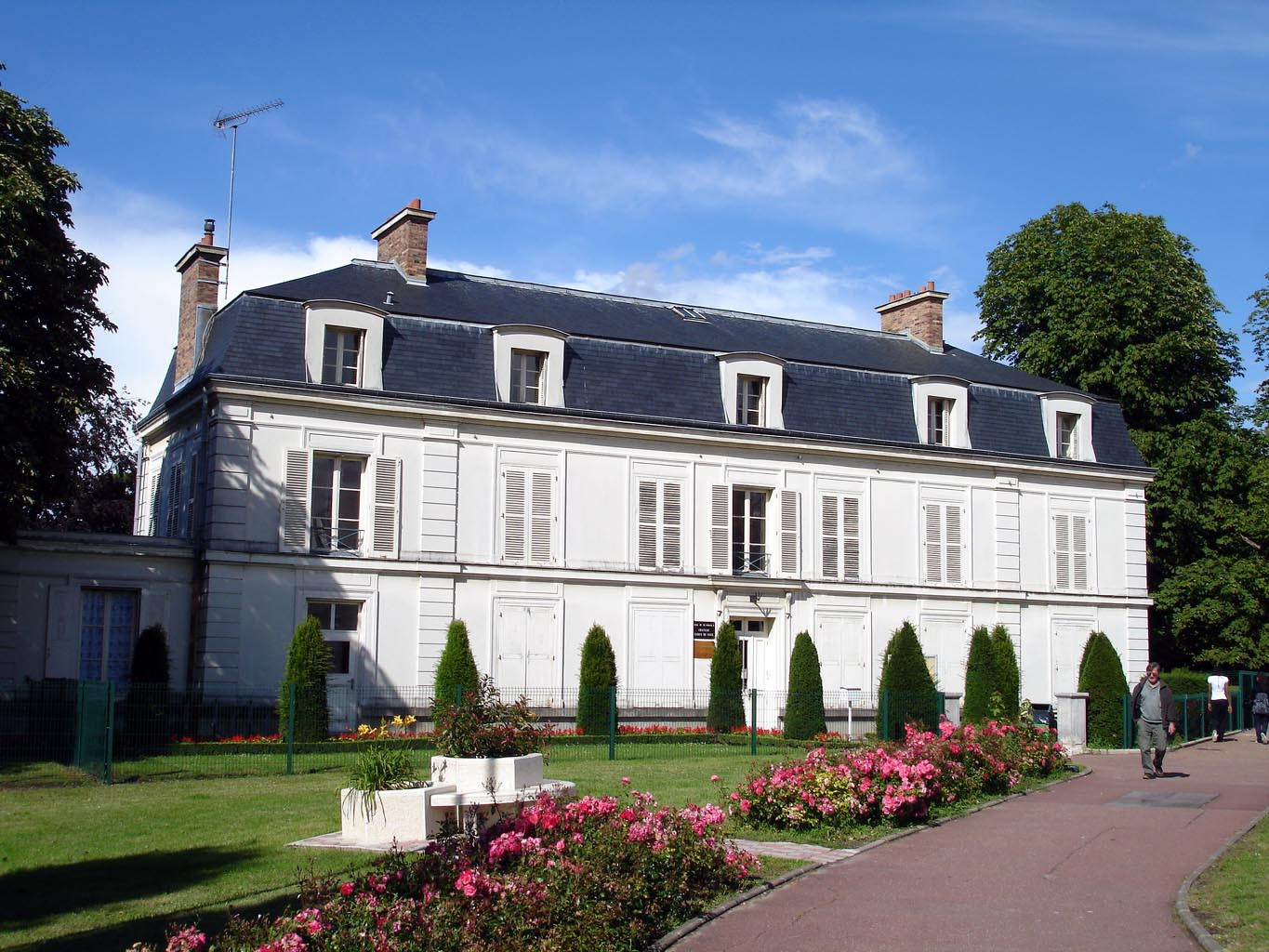
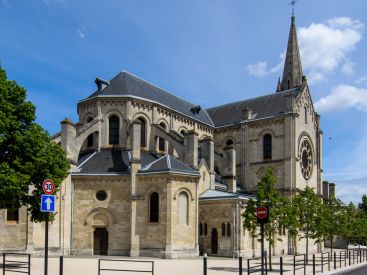
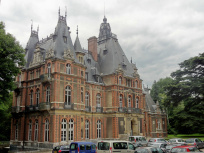
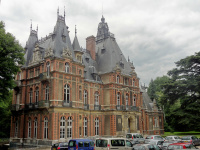
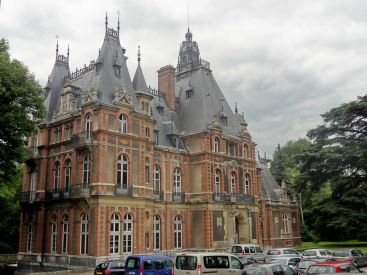
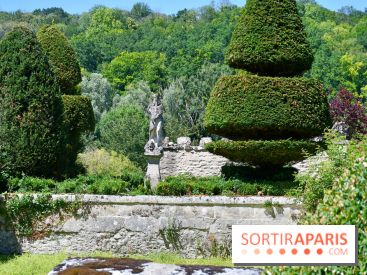
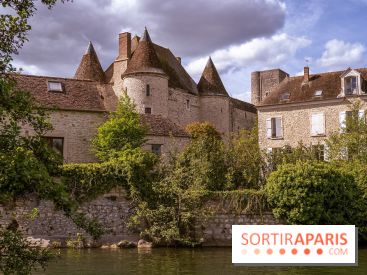
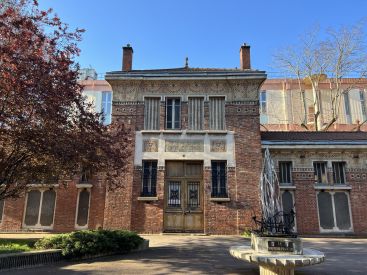
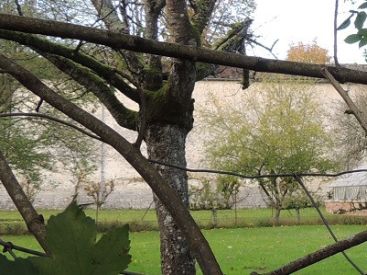
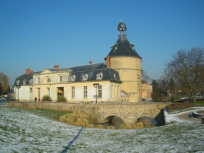
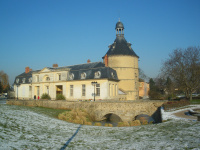
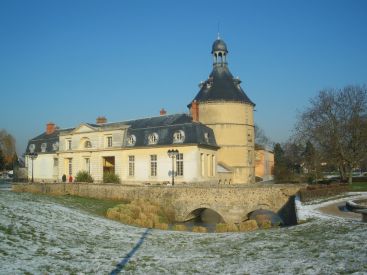
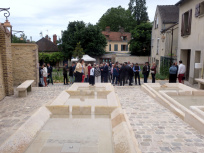
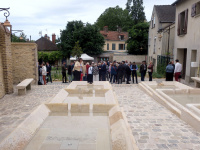
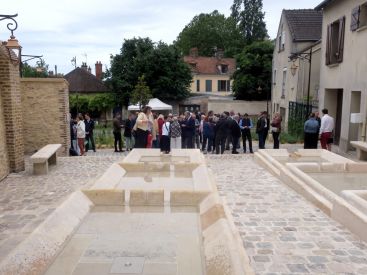
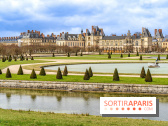
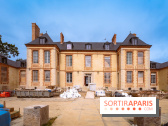
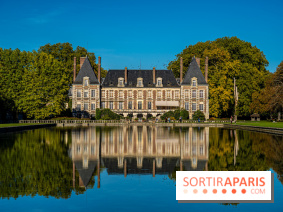
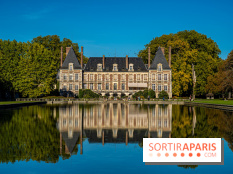
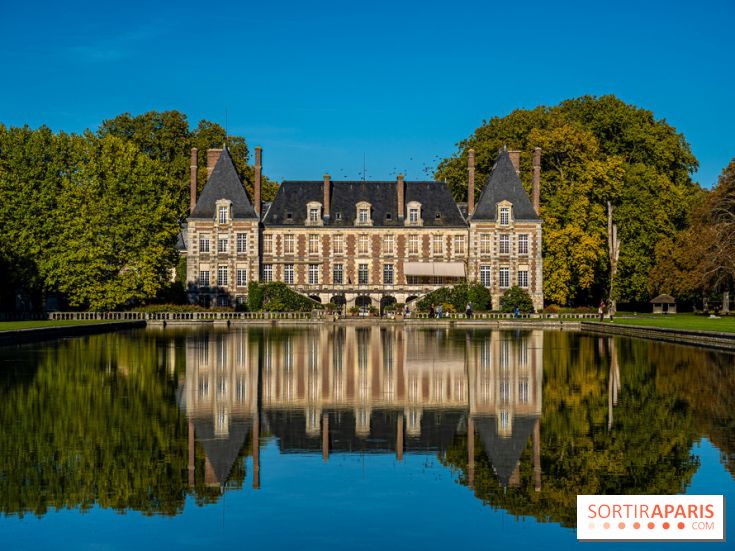
Even before you glimpse the château, the park sets the tone. Between remarkable trees, landscaped avenues, and a winding river, the domaine Cadet de Vaux offers an unexpected face in the heart of Franconville, in the Val-d'Oise. Labeled Regional Heritage of Interest with its ice house, this expansive complex spans nearly three centuries of history, from the earliest bourgeois country houses to the landscaping that has shaped the site.
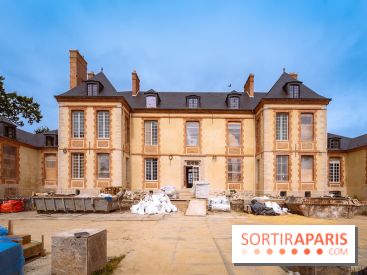
The château's name does not derive from its builder. The residence was erected around 1758 for the Bequet family, originally English, who had a regular garden and a vast park laid out. It was only at the end of the eighteenth century that it was acquired by Antoine-Alexis Cadet de Vaux, a pharmacist, chemist, inventor and founder of the Journal de Paris, considered the first French daily. A figure active in hygiene and public health issues, he left his name to the estate, which it still bears today.
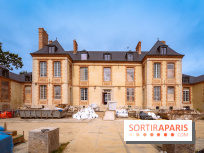
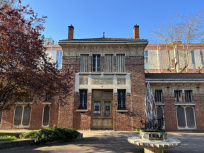
The site's appeal lies as much in its architecture as in its surroundings. With its sober neoclassical lines, the castle embodies the spirit of 18th‑century country houses, designed for enjoying the countryside rather than demonstrating power. The parc-arboretum preserves many rare species, while the ice house, probably built in the 16th century and rediscovered in 1965, ranks among the estate's most remarkable structures. Buried three‑quarters underground and oval in shape, it was used to store ice year‑round, long before refrigerators were invented.
Over the centuries, the estate changed hands several times before becoming a municipal facility. While the castle itself isn’t open to visitors, its park is now accessible to the public and makes for a pleasant stroll. Between country manor, arboretum, and a clever remnant of food-preservation techniques, the site offers a distinctive glimpse into daily life and the art of living in the 18th and 19th centuries.
This page may contain AI-assisted elements, more information here.