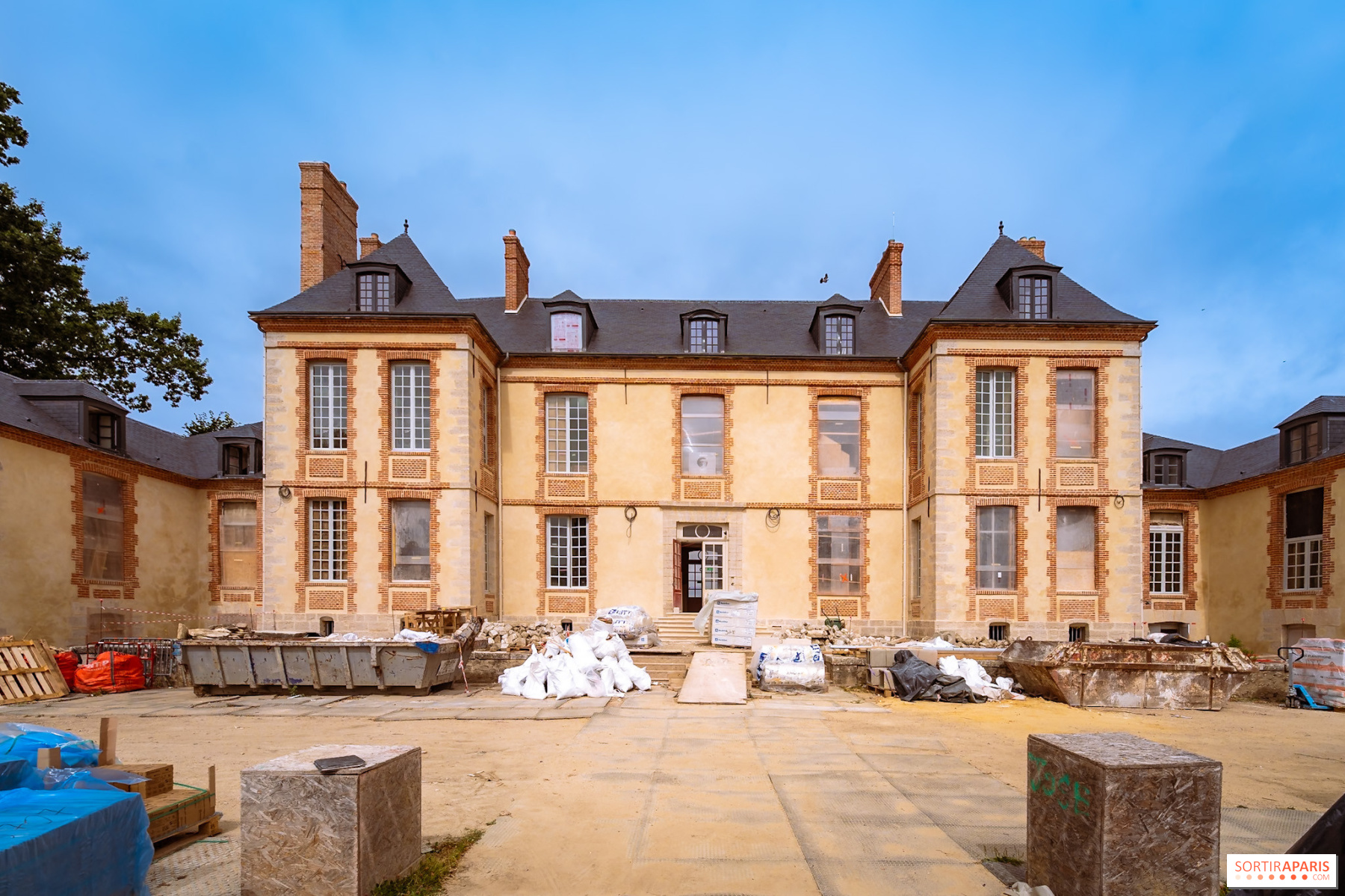
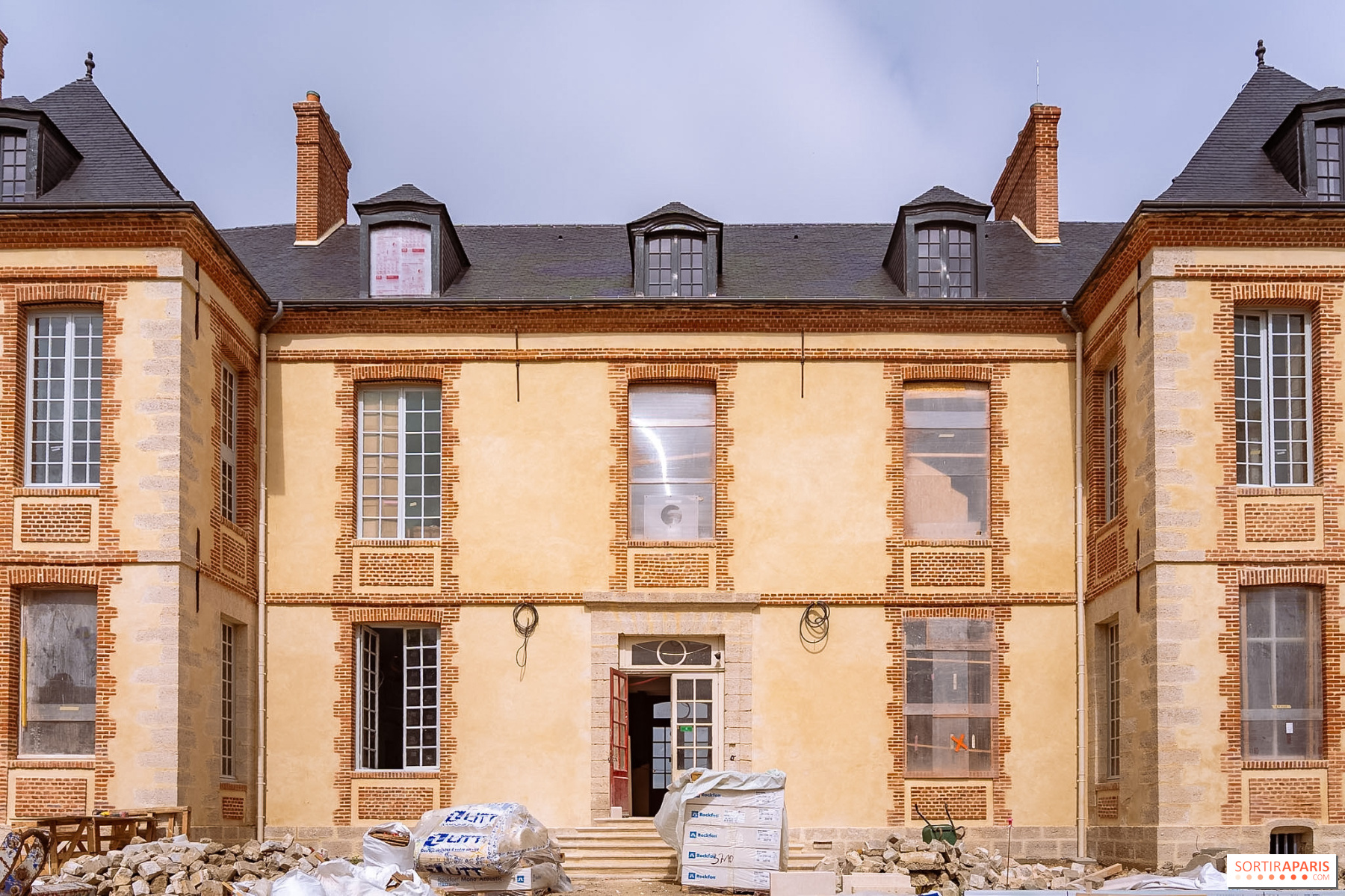
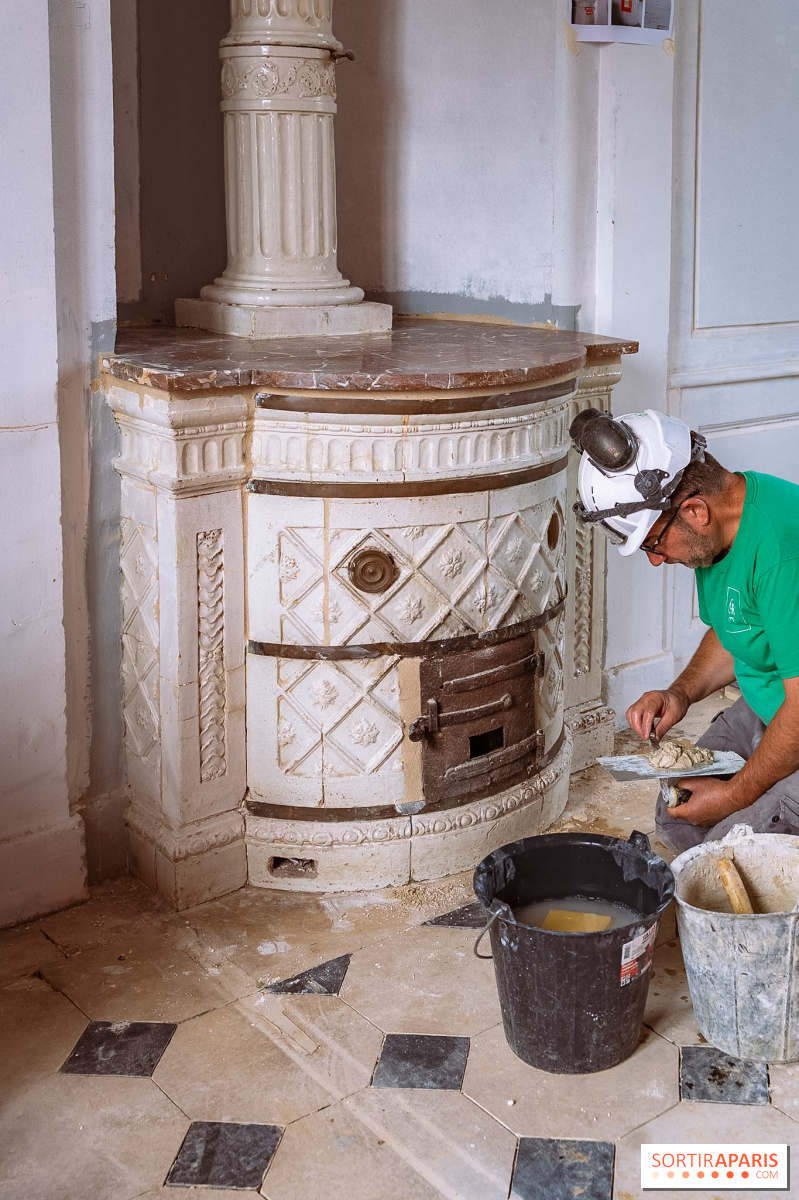
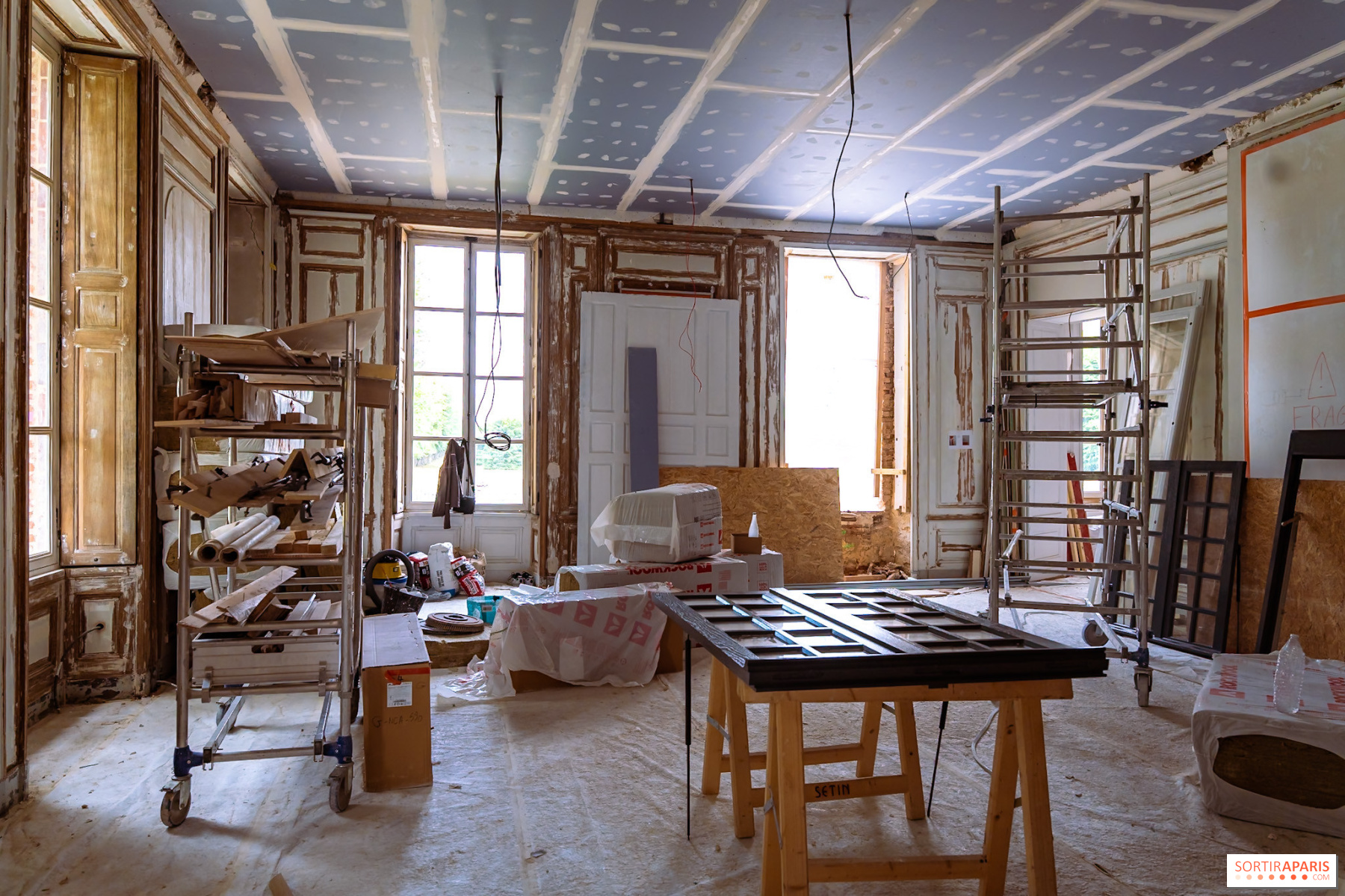
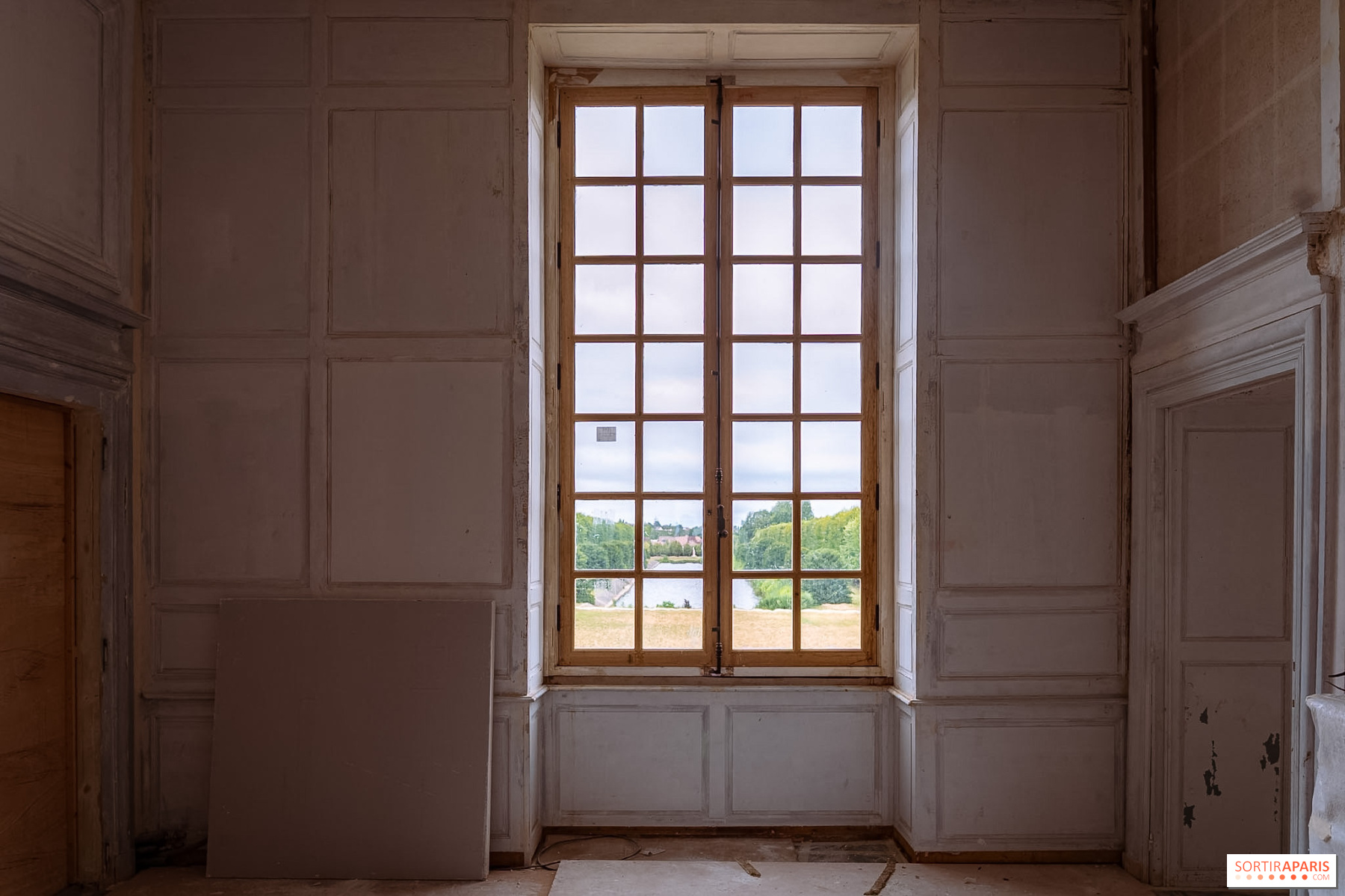
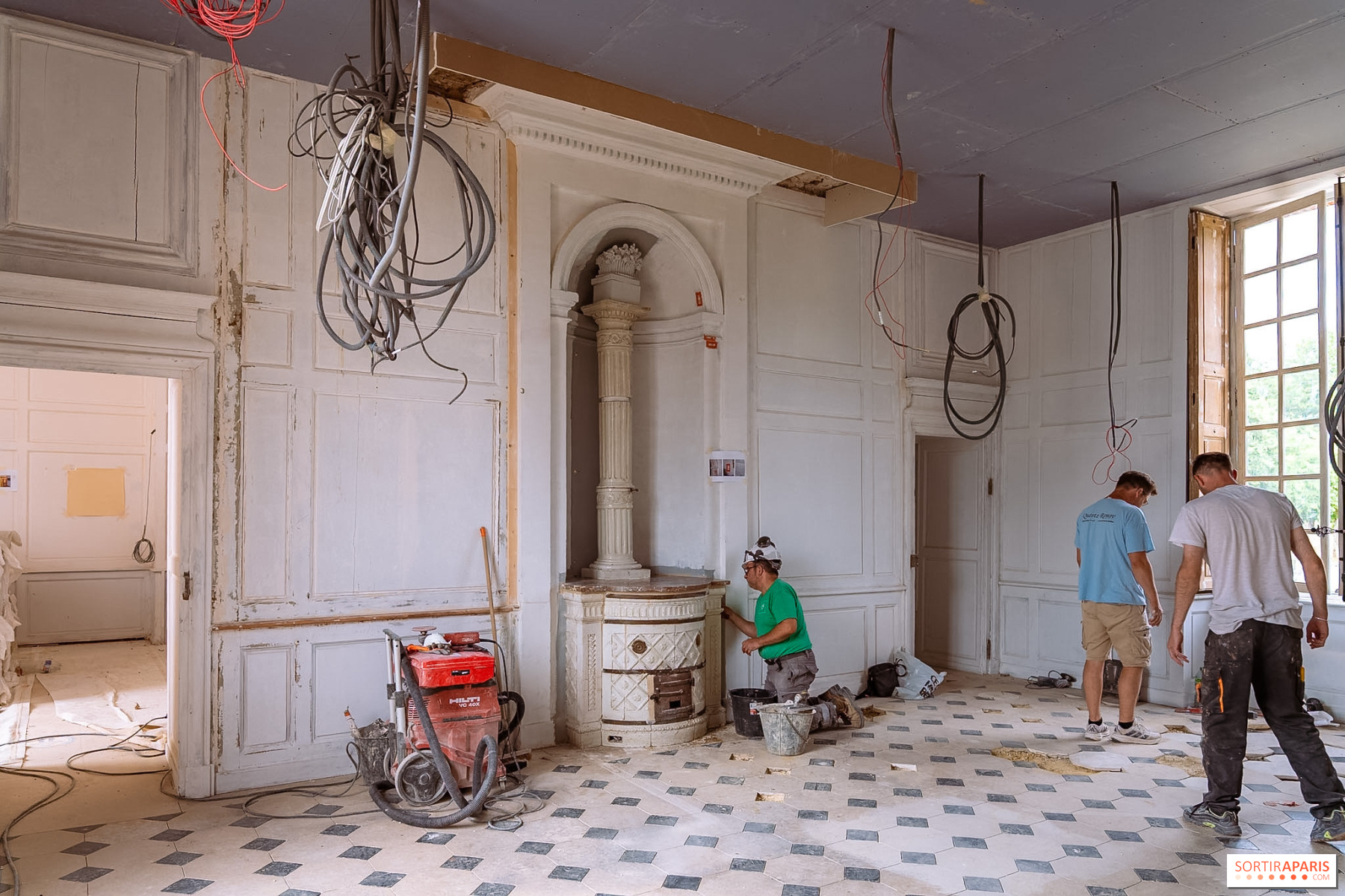
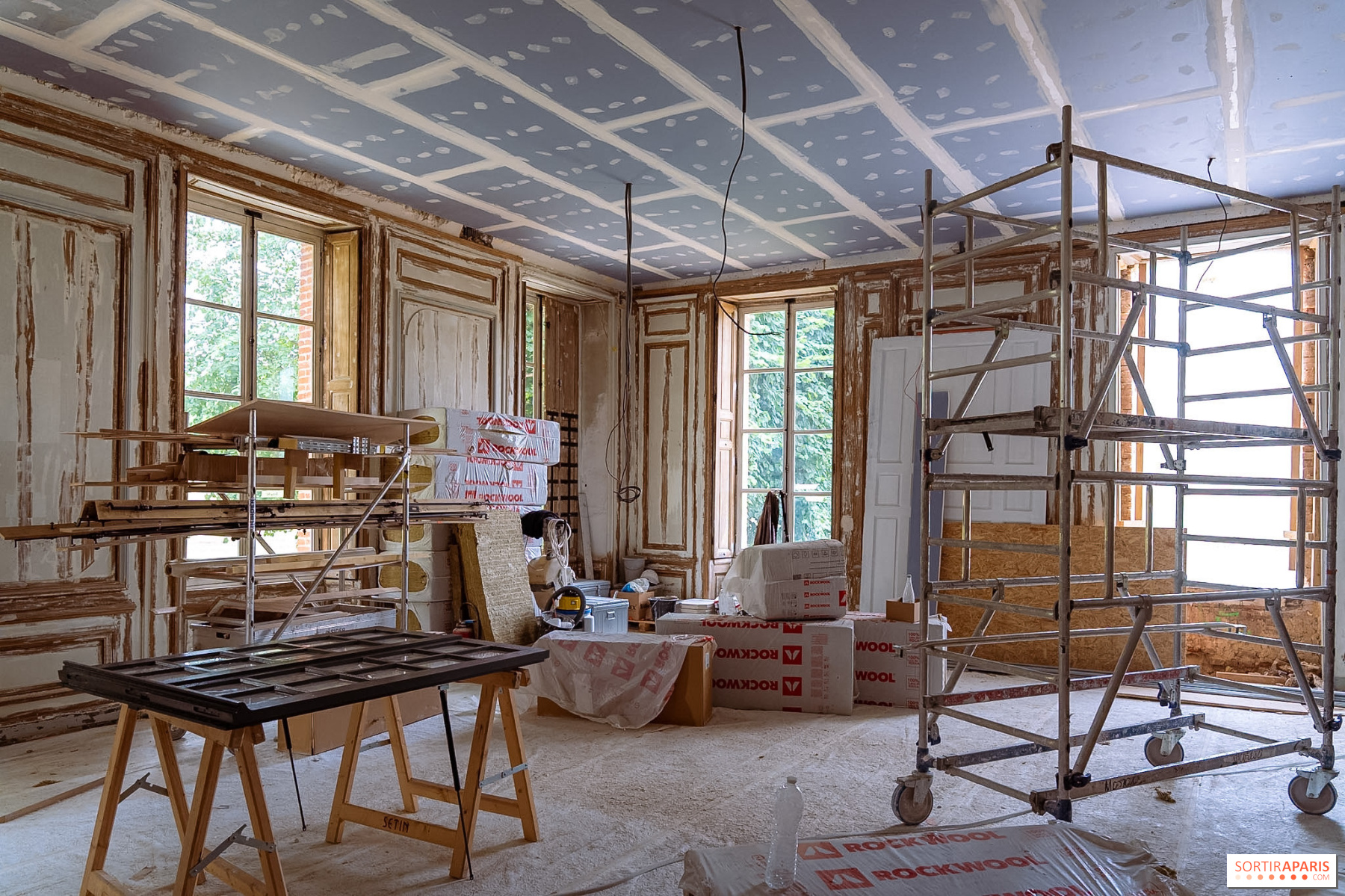
The workers are still busy in the vast chambers of the Château de Plaisir, in the Yvelines (78). We’re at the stage of laying the floor before tackling the finishes and the fittings. It’s hard to believe that the work could be completed by January 2027. Yet outside, the scaffolding has come down, the façades have regained their glow, and the restored dovecote now overlooks the estate once more. Begun in the autumn of 2024, the restoration of the Château de Plaisir is now nearing its end.
The year 2026, moreover, carries a special resonance for the Plaisirois: it marks the 50th anniversary of the city’s acquisition of the castle, on 14 December 1976. A milestone that coincides with the revival of this Yvelines heritage.
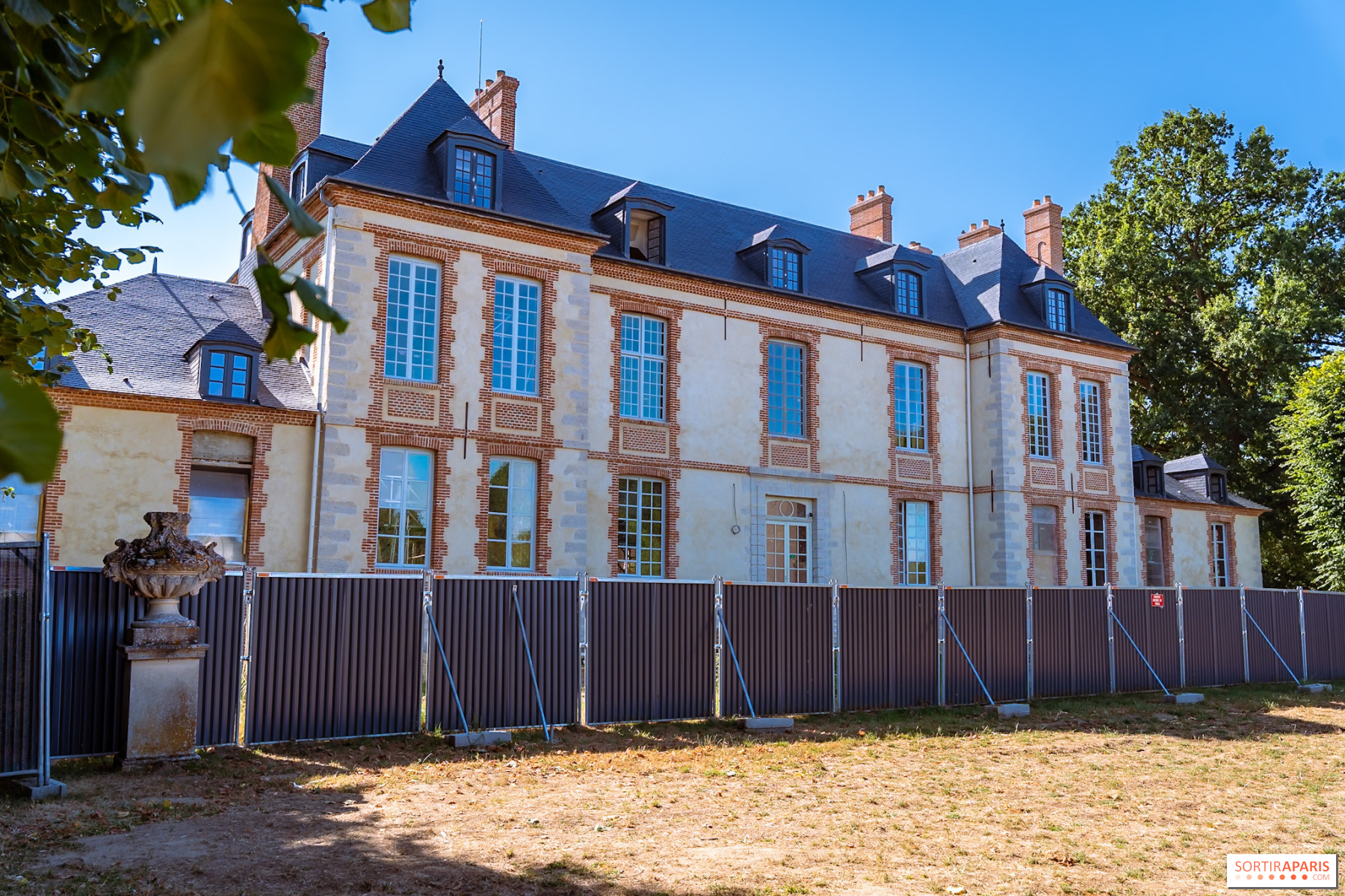
The château has watched over Plaisir for nearly four centuries. Its central block dates from around 1620, during the reign of Louis XIII, built by Simon Le Tellier, a physician and royal adviser. Between 1700 and 1711, the Count of Pontchartrain added the two wings, giving the building its current silhouette. It is said that the king intended to build this little château for his own private pleasures, a detail that would have inspired the town’s name.
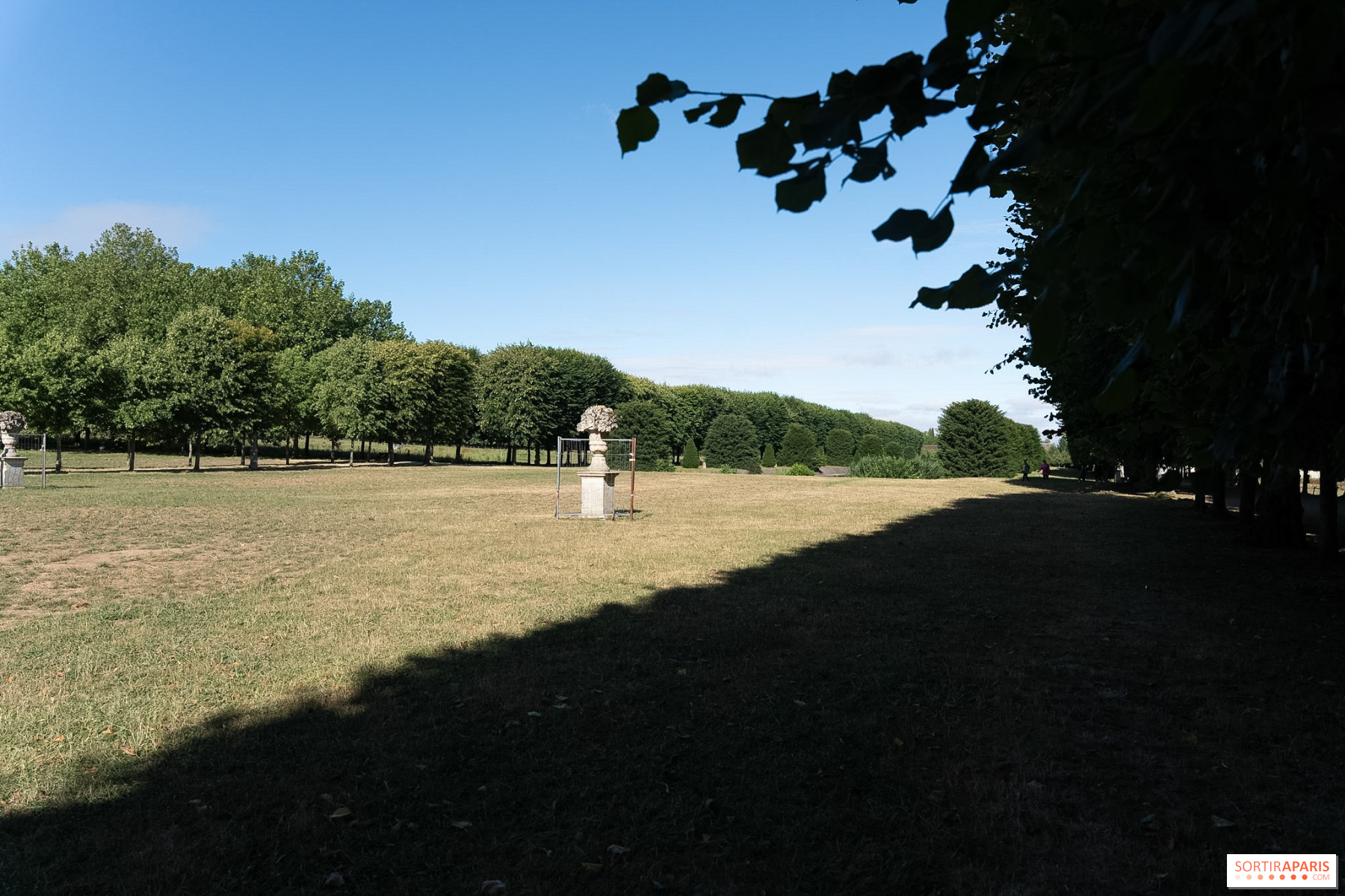
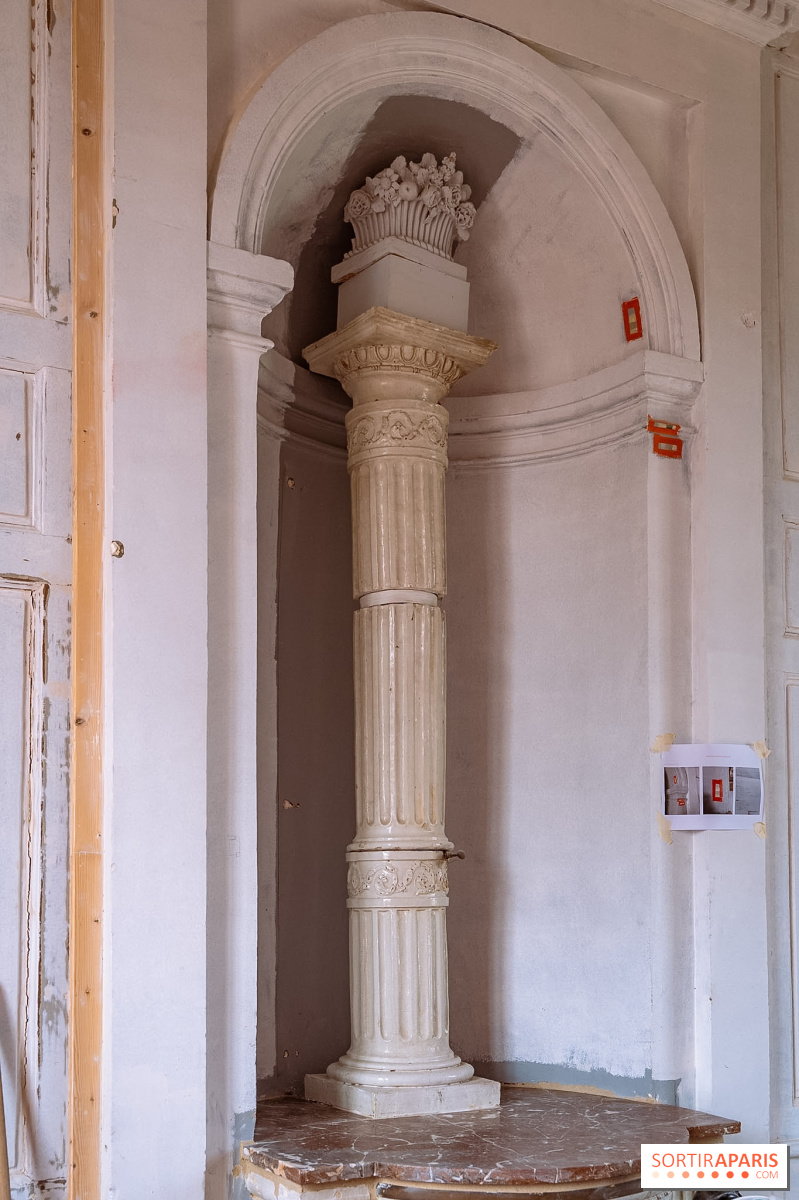
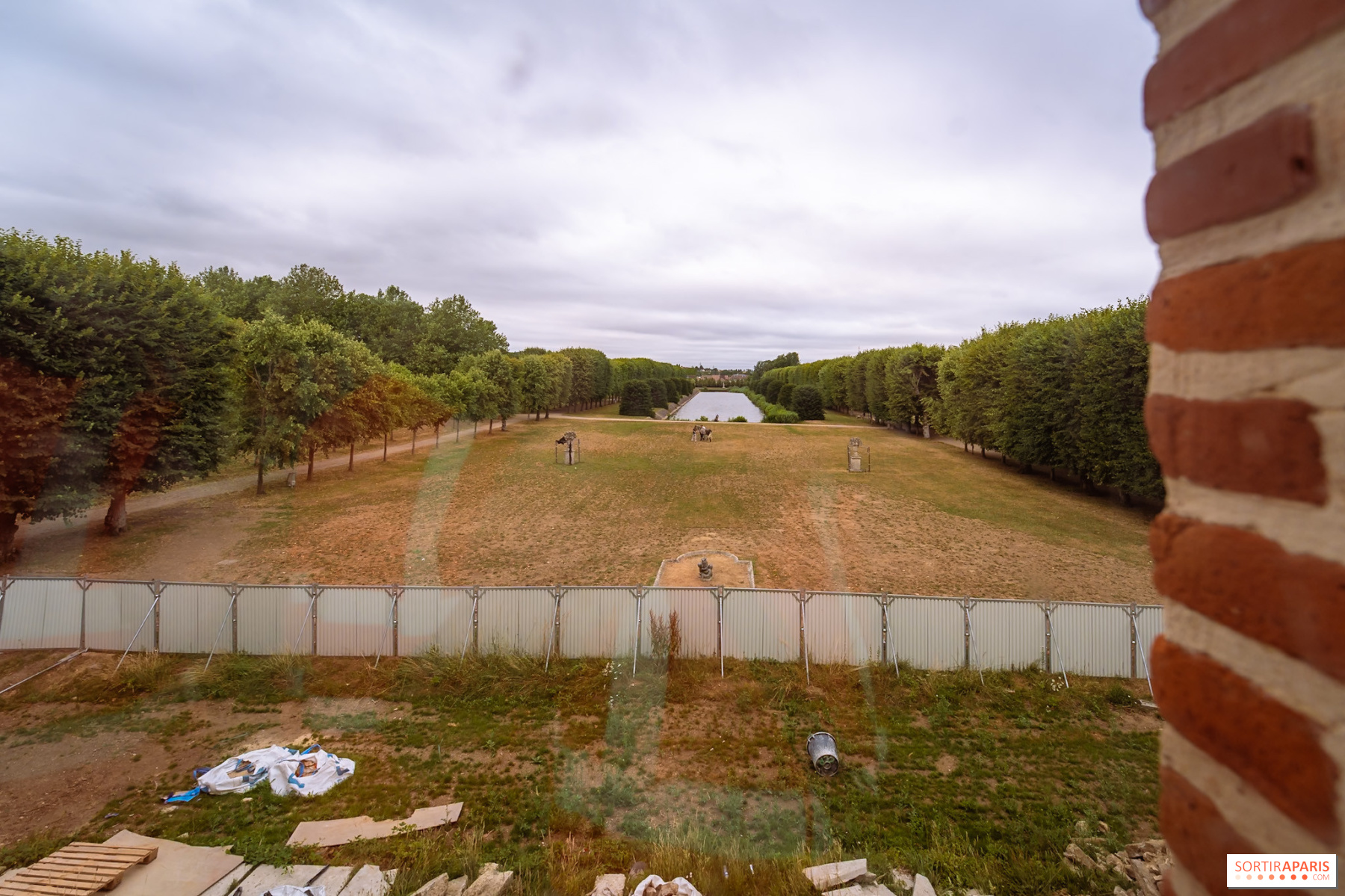
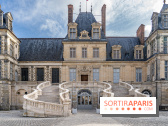
Typical of Louis XIII style, this 17th-century château preserves its stone walls accented with brick, its slate roof, its park with a canal and rows of linden trees, its decorative moats and its dovecote. Inside, the grand two-flight staircase, the marble fireplaces and the wood paneling still bear witness to the place’s former riches. The façades, the roofs of the outbuildings and the entire park have been classified among the historic monuments since August 25, 1961.
But time has left its mark: a weakened framework, a degraded roof, damaged façades, outdated heating. The municipality has therefore embarked on a major restoration, now estimated at 11 million euros. “This is the city’s most important piece of historic heritage,” says the mayor of Plaisir.
Even before the first hammer blow, months of study were required. Heritage architects, engineers, acousticians, and specialist firms joined forces to understand the building down to its last detail before any work began.
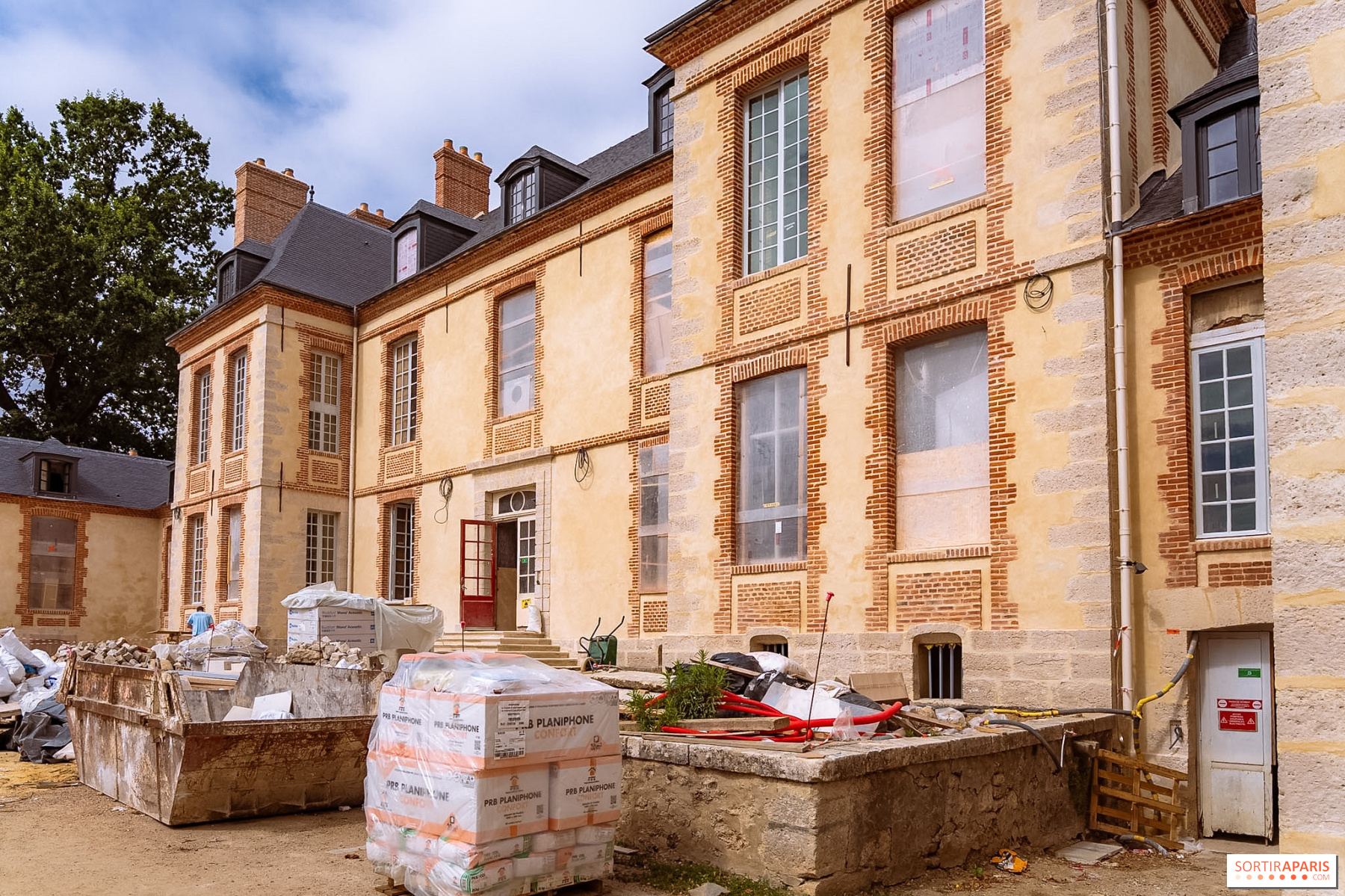
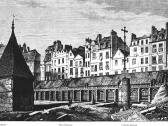
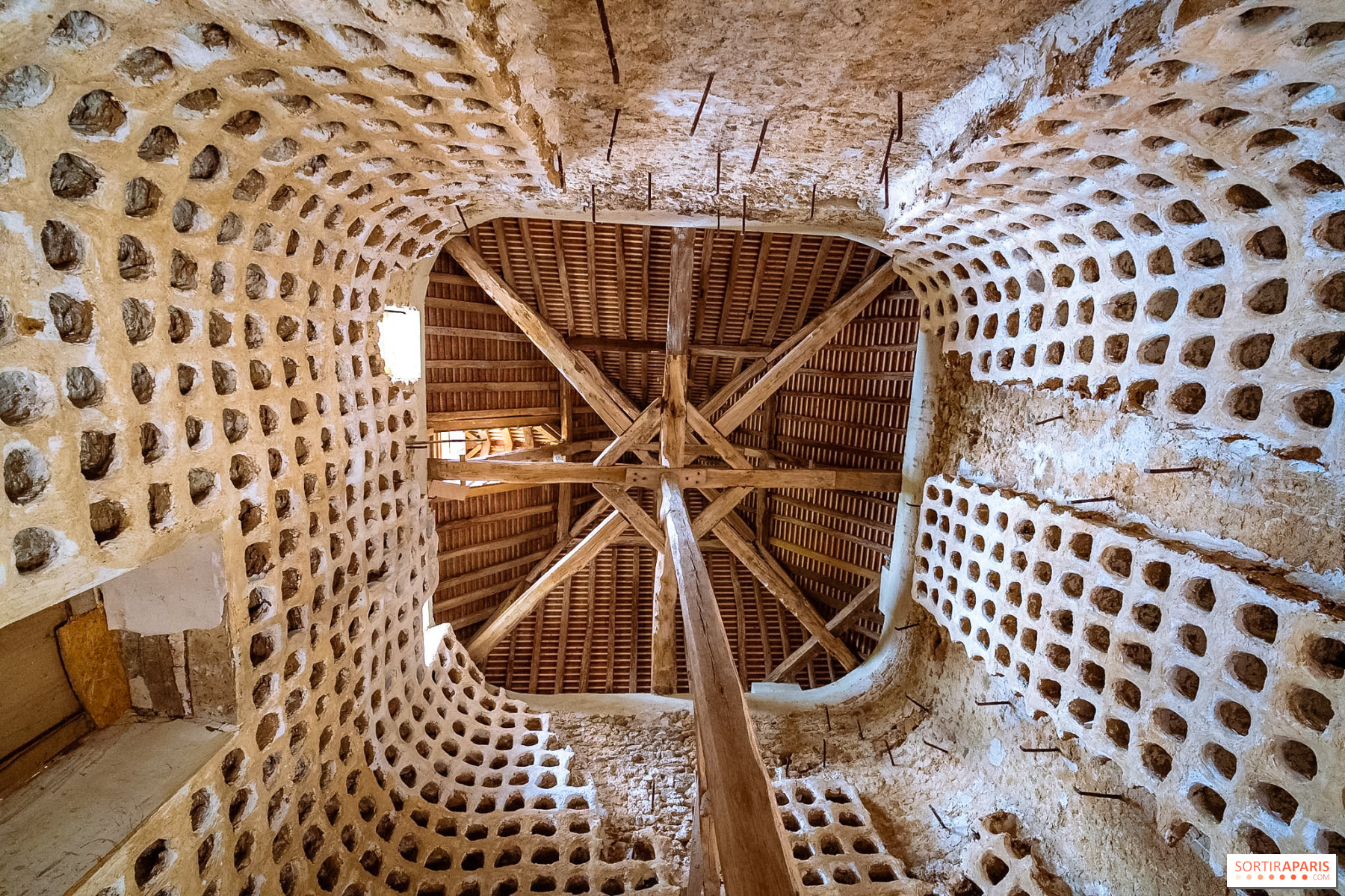
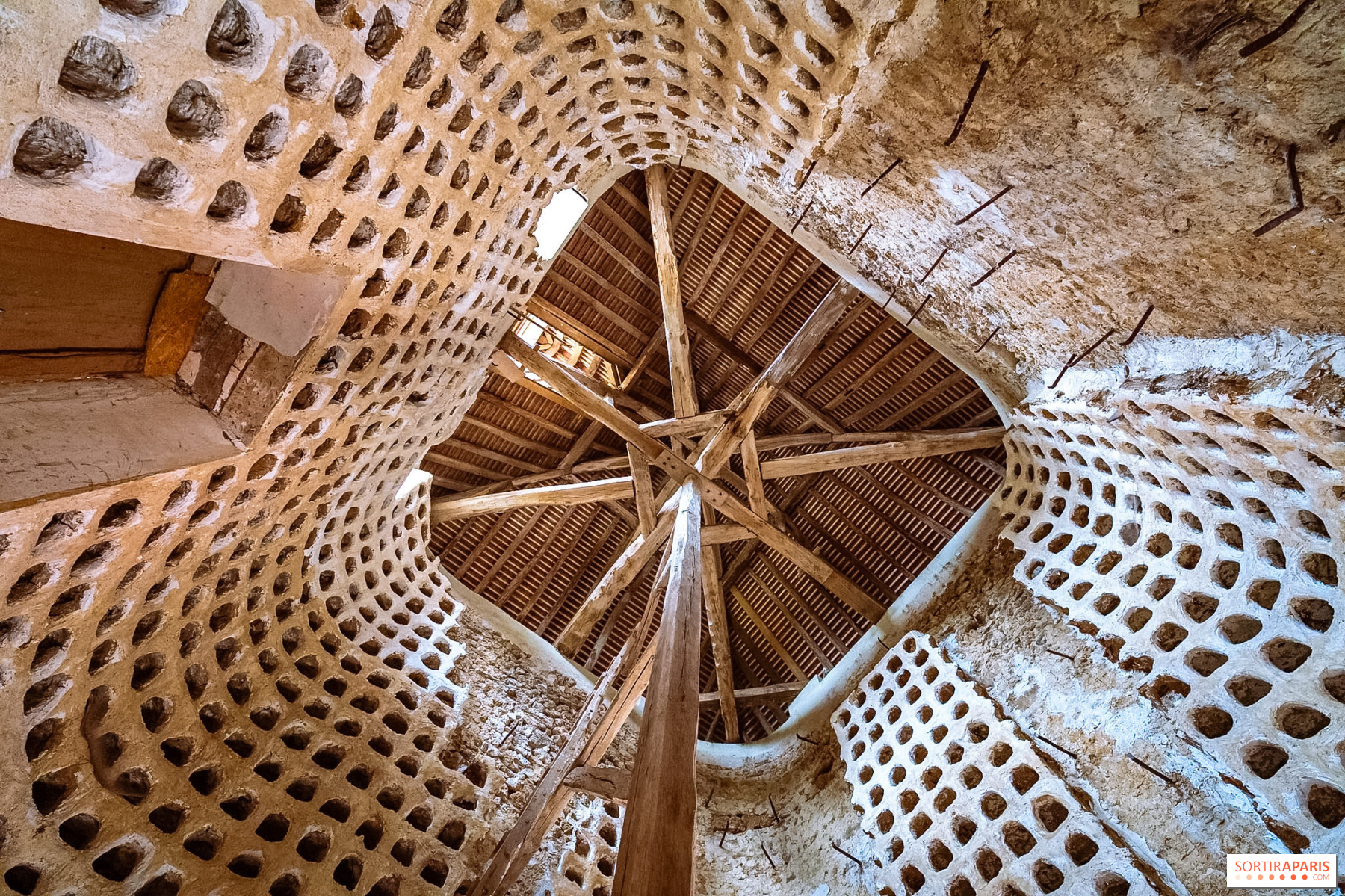
The first months on site were then devoted to the heaviest tasks: rebuilding the timber frame, a complete overhaul of the slate roof, and the restoration of the chimneys and façades. The colombier, built at the end of the 17th century, also underwent a full restoration, from its timberwork to its rotating ladder, a hallmark of the building’s heritage. This small square structure, 13 meters tall, once housed nearly 1,600 nest boxes, or more than 3,000 pigeons.
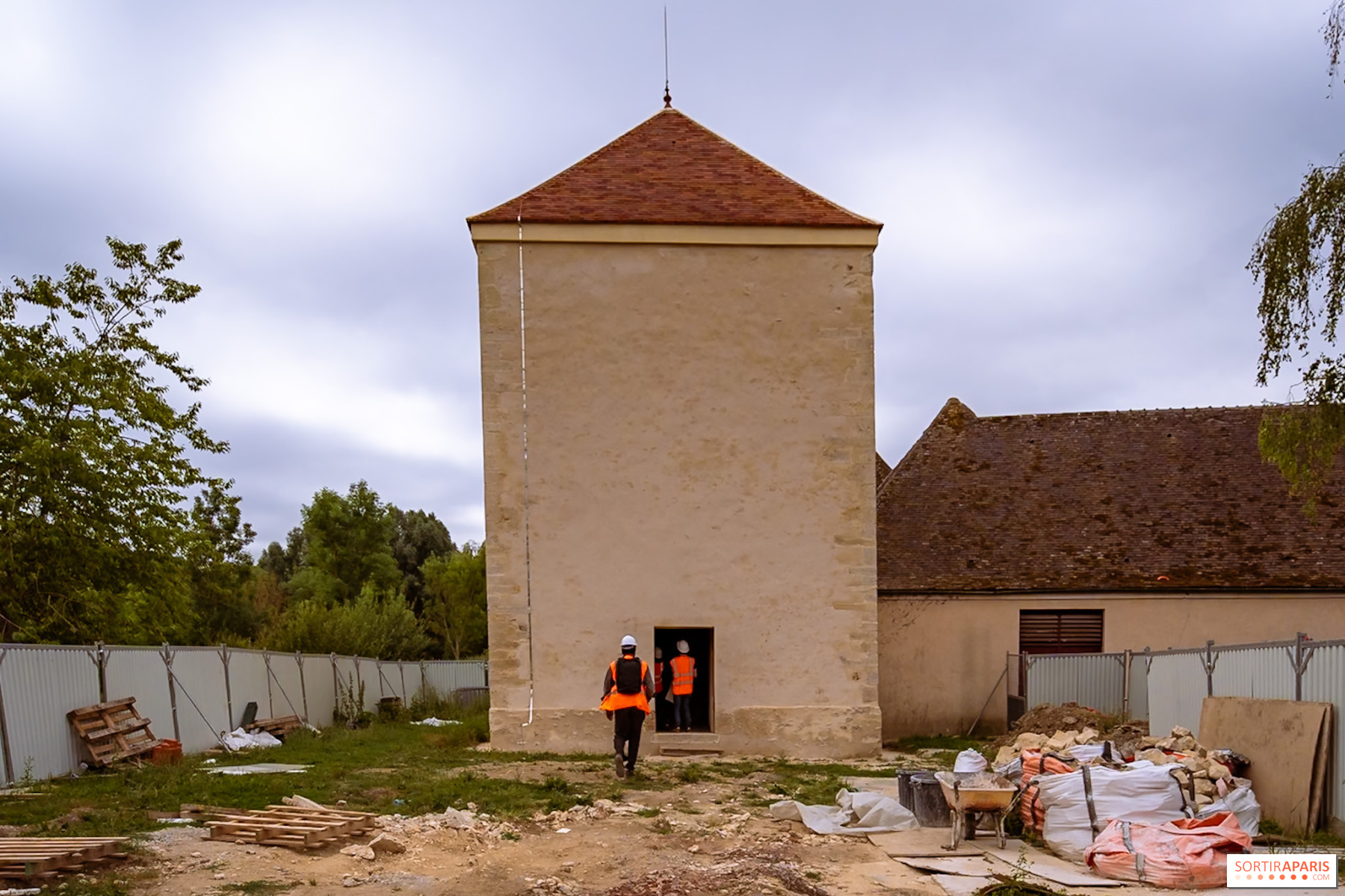
The worksite has shifted indoors: floors, technical networks, and the final touches. Beneath the parking lot, a geothermal installation, with probes drawing heat from 150 meters below, will heat the building. A way to reconcile heritage preservation with energy performance.
This revival, estimated at 11 million euros, was not borne by the City of Plaisir alone. Nearly half of the budget is covered by external subsidies, provided by the Department of Yvelines, the Île-de-France Region, and DRAC Île-de-France, in support of the protection of historical monuments.
Patronage rounds out the fundraising: TotalEnergies contributes 100,000 euros to the project, while a donation campaign has been launched with the Fondation du patrimoine, France's leading advocate of heritage. The Plaisirois have also chipped in: donations, tax-deductible, come with nice perks. From as little as 100 euros, the donor's name is inscribed on a sealed parchment embedded in a wall of the castle, a way to leave a trace in the monument's history.
The City has also chosen a responsible project and supportive for the community. Hours of work have been reserved for professional integration, enabling people far from employment to train alongside skilled artisans and companies specializing in heritage restoration. On the environmental side, the approximately 35 tonnes of waste generated by the works were assessed item by item to promote their reuse, repurposing, or recovery.
And even the birds had a say: after an ecological survey identifying the species present in the dovecote, work on the building was scheduled for autumn to avoid disturbing their migration and nesting.
The real challenge wasn't just restoring a monument: it also meant giving it a new lease on life. In 2027, the castle will welcome the conservatoire de musique of the city.
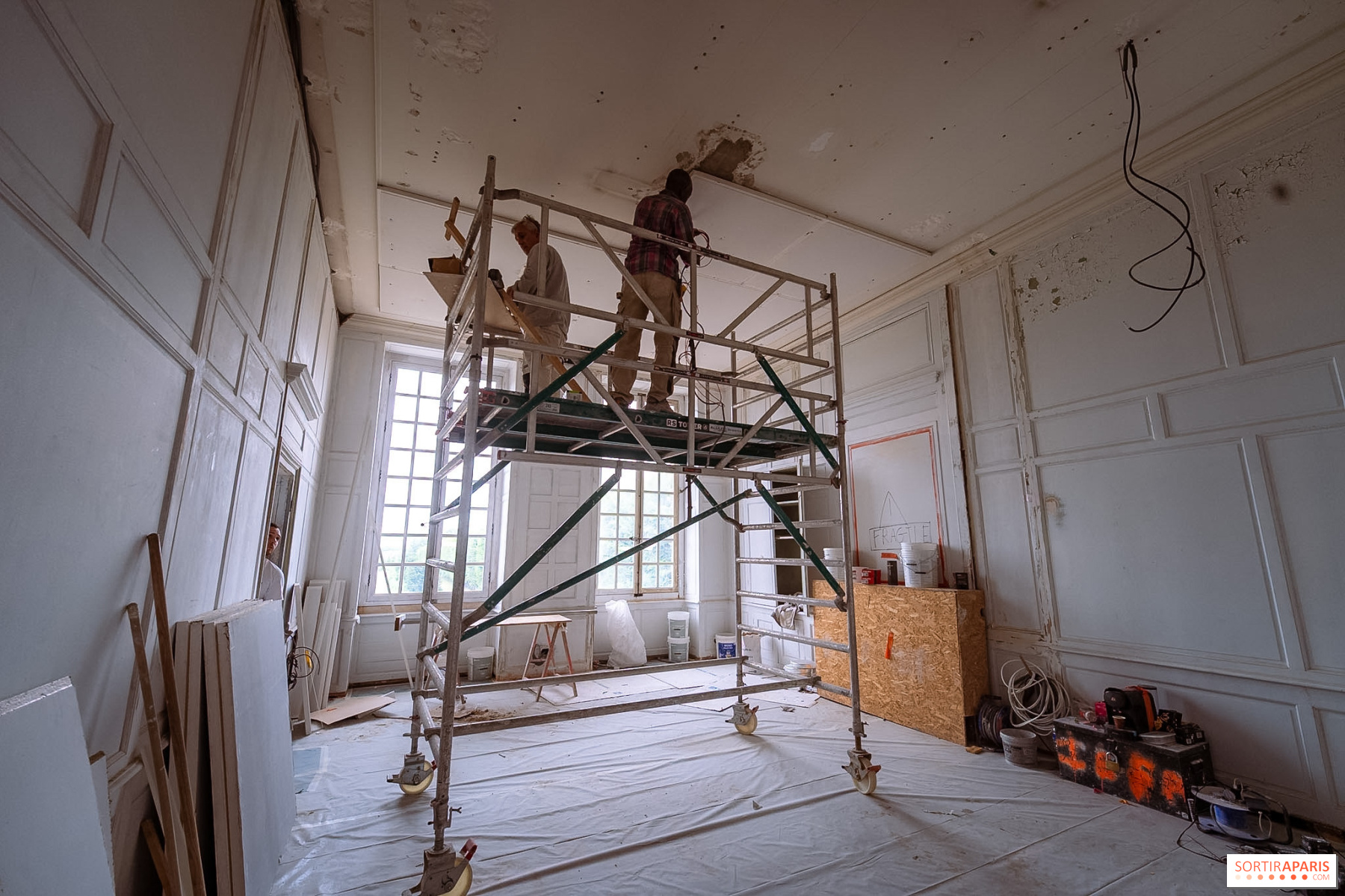
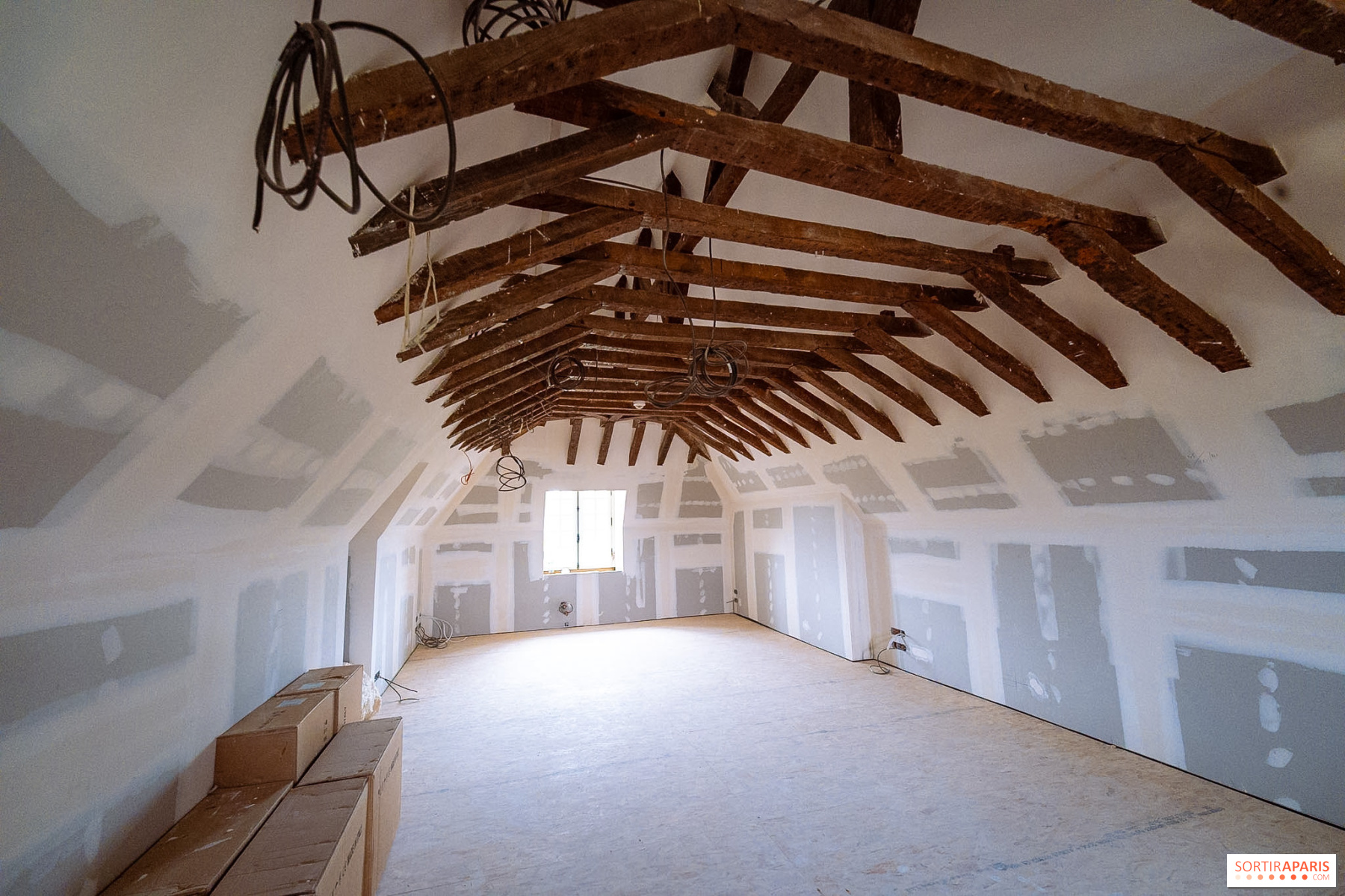
Here, the biggest challenge was turning a historic heritage site into a functioning conservatory. We had to balance faithful restoration with structural and acoustic demands, all while meeting the standards for public access, explains Léa Casé, who is following the project for the City.
As the project moves forward again, Sandrine Carneiro, Plaisir's new mayor since March, has worked with her team to safeguard a space that will be open to everyone. So, in the bottom-left corner, in place of the old library, there will be a public venue accessible to all. Literary salons, exhibitions, and other events can be held there.
The municipality is considering offering guided tours that would include access to the dovecote.
As is often the case with restorations of historic monuments, the timetable has seen a few tweaks. The reopening, initially slated for September, has been pushed back by several months after difficulties with some contractors. “No site is free of contingencies,” acknowledges Léa Casé.
The coming months will be devoted to final touches and technical testing, with a planned opening by the end of 2026, or possibly as early as 2027. Information about the project and the fundraising campaign conducted with the Fondation du patrimoine can be found on the City of Plaisir's website.
While its doors are temporarily closed, the parc du château de Plaisir, freely accessible year-round, remains a superb spot for strolls and events. Each year, it hosts the Escale d'ailleurs festival and the national celebration, in particular. And to uncover more of the department’s treasures, head to our guide to the heritage of the Yvelines, featuring castles, museums and historic monuments worth visiting.
Dates and Opening Time
From July 3, 2026 to December 31, 2029
Location
Parc du Chateau de Plaisir
282 Rue de la Bretechelle
78370 Plaisir
Route planner
Official website
www.ville-plaisir.fr