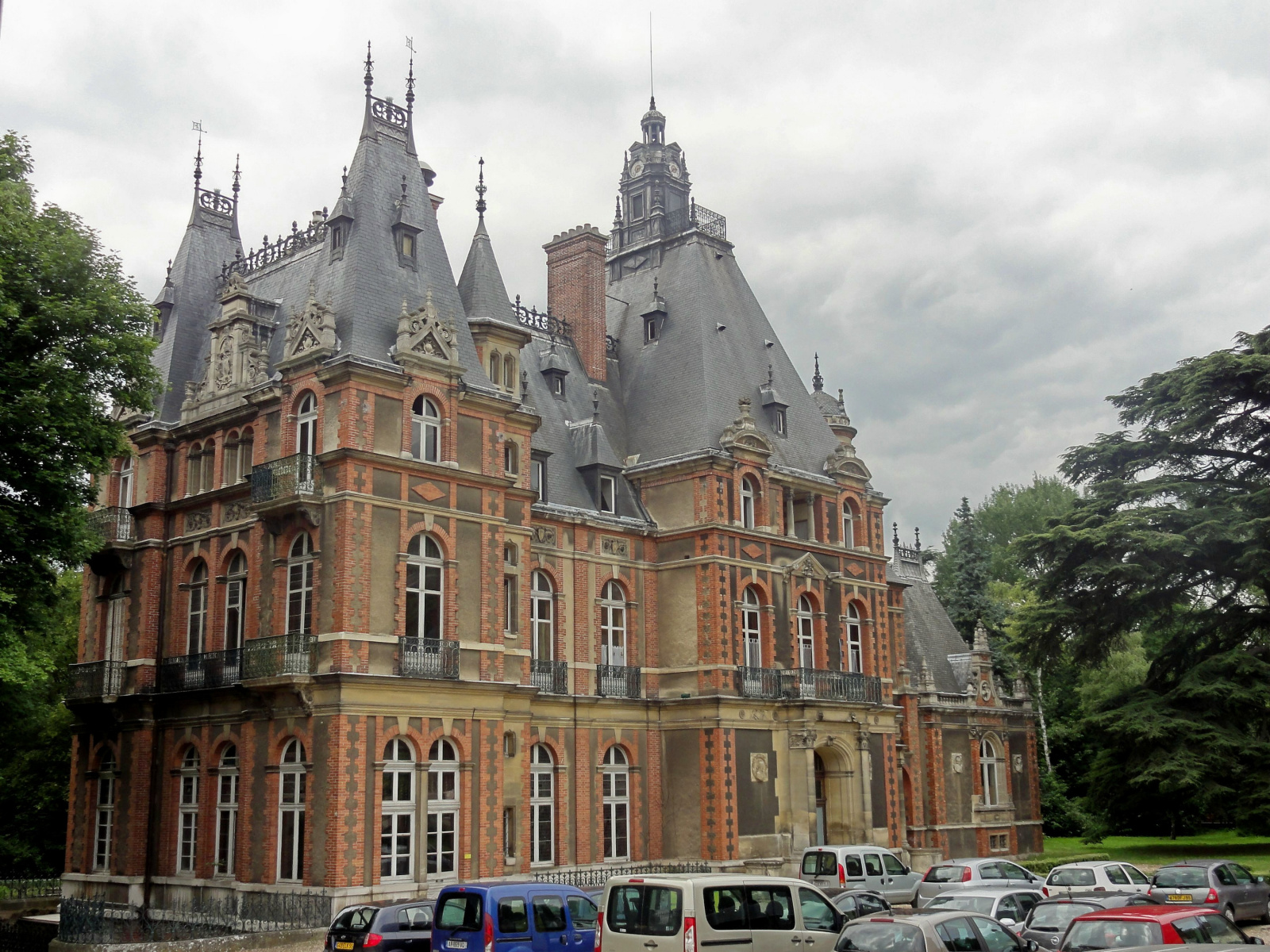
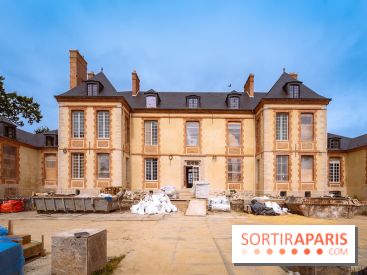
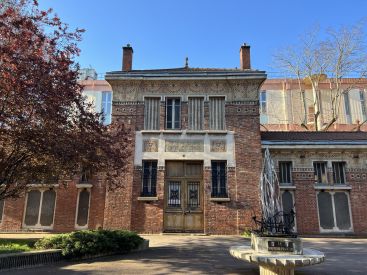
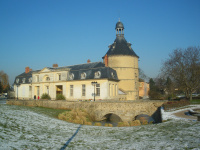
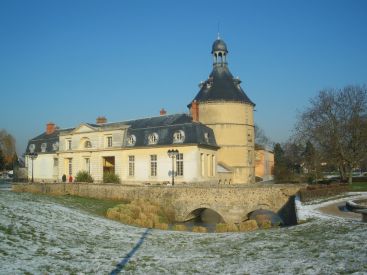
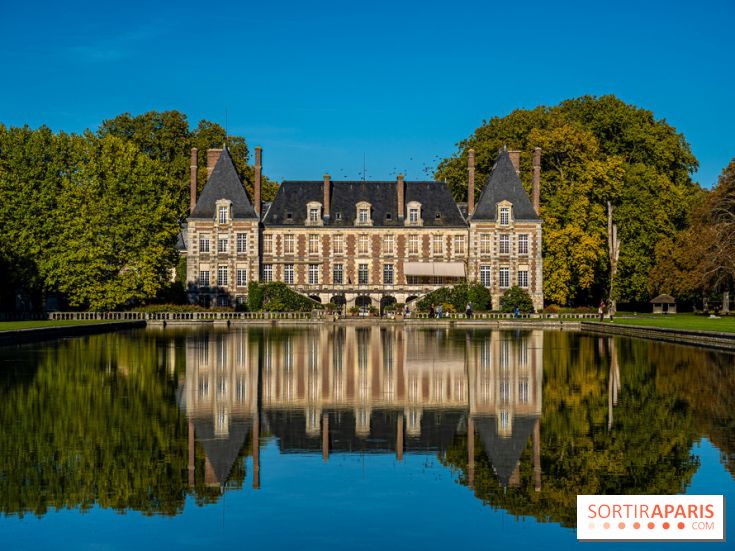
Behind its gates and its expansive wooded grounds, the Duke of Dino's Castle offers a setting that feels closer to country estates than to fortified fortresses. Labeled Regional Heritage of Interest, this ensemble in Montmorency, in the Val-d'Oise is far more than an elegant 19th‑century residence: it sits within a portion of the former Montmorency Historic Park, a estate shaped since the 17th century and tied to several of France’s notable historical figures.
The name of the château does not derive from its builder, but from one of its most famous owners. The residence was erected between 1879 and 1885 at the behest of banker Isaac Léopold Sée, who sought to create a holiday home in a style inspired by the Italian Renaissance. A few years later, the estate was purchased by Charles Maurice de Talleyrand-Périgord, Duke of Dino, a title that would remain permanently tied to the château. His wife undertook substantial expansions and modernization, giving the estate much of its current character.
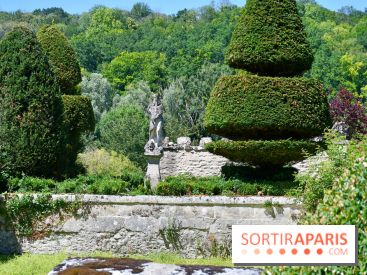
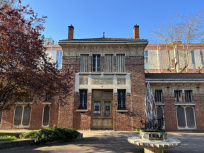
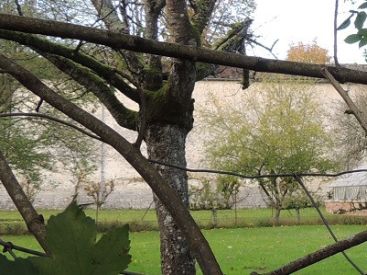
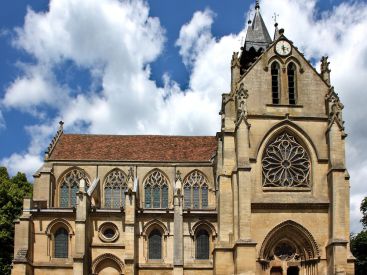
What makes the ensemble remarkable is the dialogue between an exceptionally refined villa-style architecture and a park that carries centuries of history. Built in brick and stone in an Italian Neo-Renaissance style by architect Pierre Victor Cuvilier, the castle sits in a landscape that was once the vast park of the Châteaux de Charles Le Brun and then of Pierre Crozat. The outbuildings, the gates, the landscape perspectives and the four hectares of park still preserved all contribute fully to the site's heritage value.
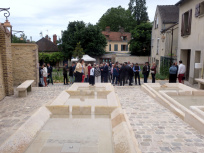
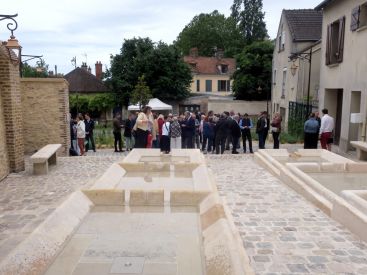
After changing hands several times in the 20th century, the estate was acquired by the Ville de Montmorency in 1991. The château today hosts the association MARS 95, dedicated to child protection, while the park, restored and opened to the public, has become once again a place for a leisurely stroll. Between a country retreat and the legacy of former aristocratic gardens, the site tells another facet of Montmorency's history, far from the grand royal châteaux but just as revealing of the art of living in past centuries.
This page may contain AI-assisted elements, more information here.