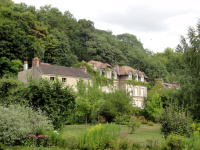
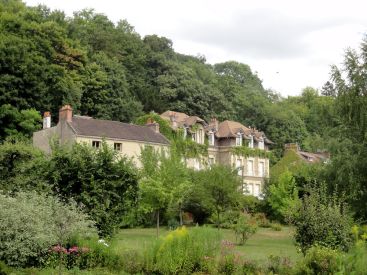
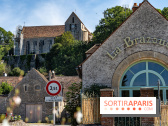
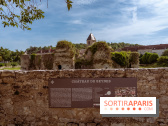
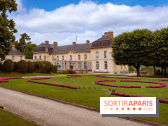
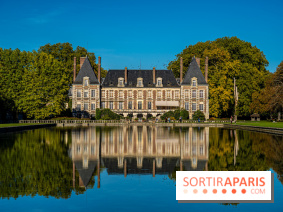
Sometimes you have to look away from the grand monuments to stumble upon a much more intimate story. In Taverny, near the Notre-Dame Church, the Rohan-Chabot Chapel reveals itself in a green corner, with its neo-Gothic charm and the fragrance of a family saga. Labeled Regional Heritage of Interest, this small 19th‑century edifice is no ordinary chapel: it houses the funeral memory of a prestigious lineage, blending French nobility, religious heritage and discreet patrimony.
The name Rohan-Chabot already hints at the rank of those who left their mark on this place. It points to an alliance in the 17th century between two great houses: the Rohan and the Chabot. The chapel was built in the mid-19th century on part of the former neighboring priory, demolished in 1846, to become the family’s burial site. Behind this romantic architecture lies a story of transmission, memory, and family power.
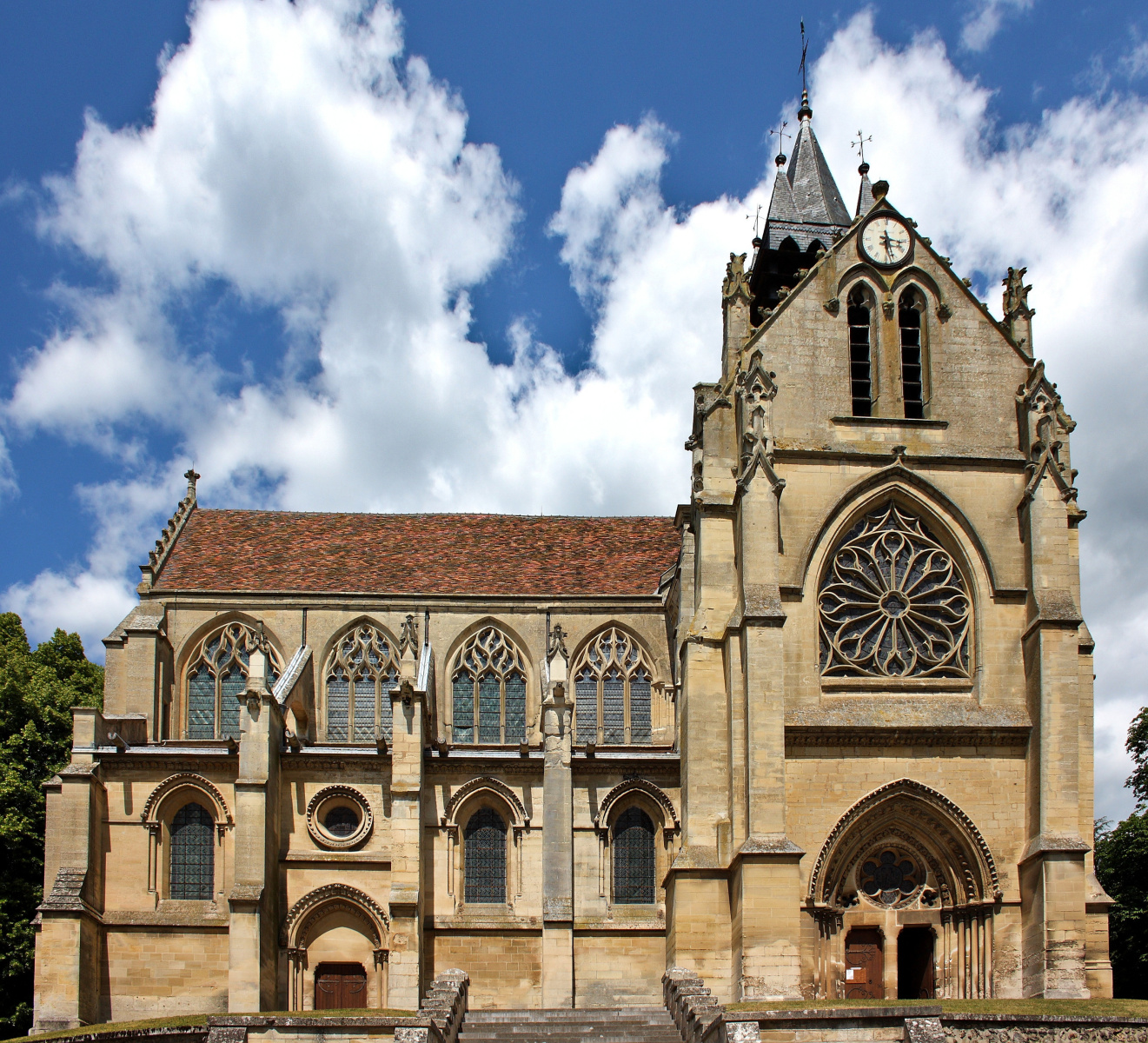
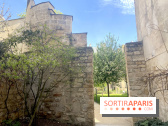
What captivates here is its almost cinematic aura: a small, isolated chapel, neo-Gothic lines, tall lancet windows, a broken-barrel vault, and inside, sixteen funerary plaques that silently tell the story of generations past. Not flashy in the showy sense, but a rare atmosphere, half medieval-reimagined decor, half private space for reflection. A human-scale heritage that rewards a close look.
Offered to the municipality in 1968 by the Marquise de Maillé, née Rohan-Chabot, the chapel has since re-established its place in the local landscape thanks to a restoration and to the enhancement of its surroundings. Today, it unfolds as a somewhat secret heritage stop, occasionally open for cultural events, blending a stroll, family history and architectural curiosity. A discreet stop, to be seen almost as an architectural confidant, between family memory, neo-Gothic stone and a heritage walk.
This page may contain AI-assisted elements, more information here.