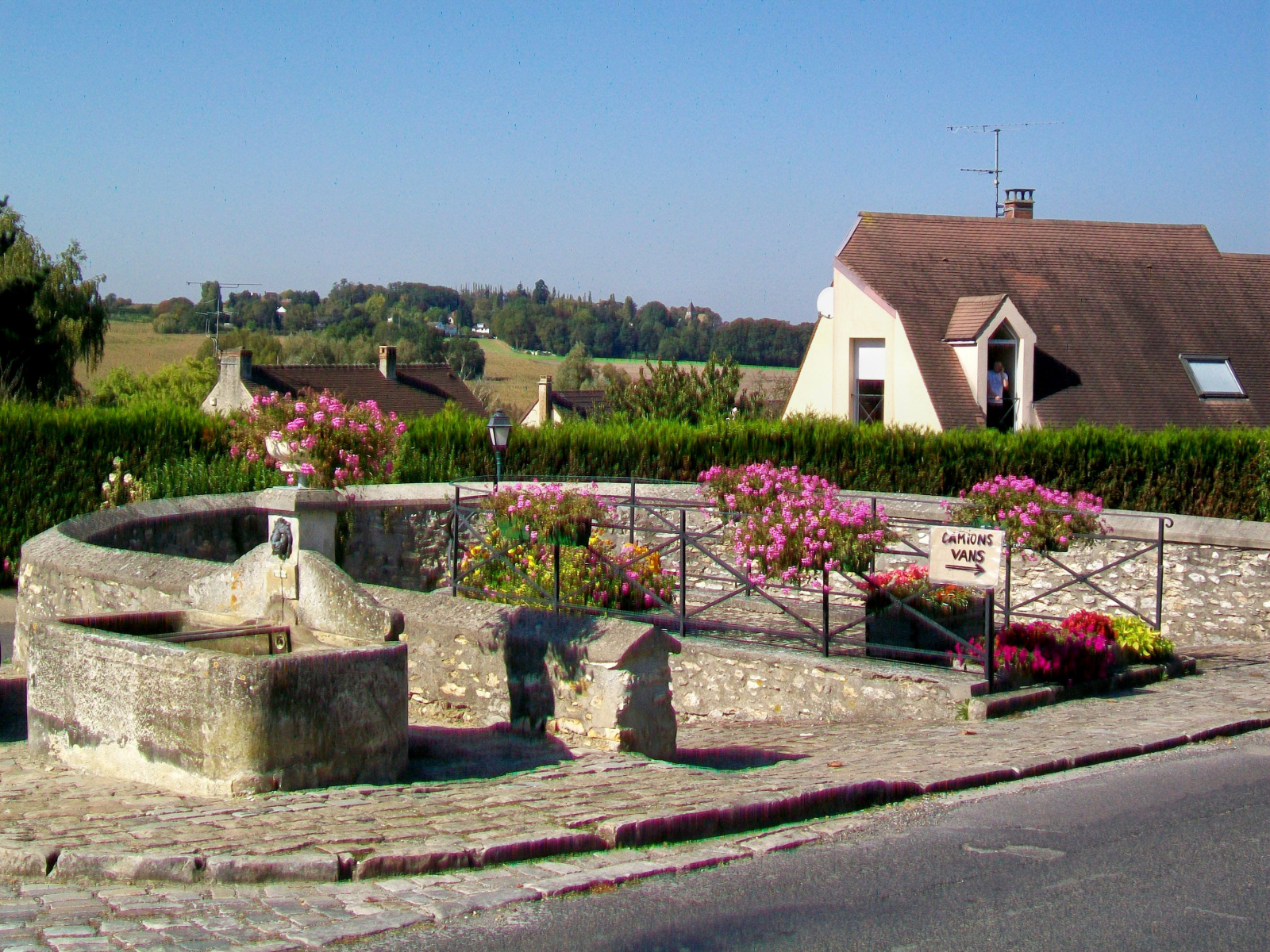
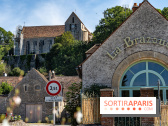
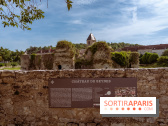
Few passersby today realize that this modest stone basin, in Béthemont-la-Forêt, in the Val-d'Oise, once served the village's horses. With its fountain, its drinking trough and, above all, its rare lave-sabots preserved since the 19th century, this rural ensemble is among the sites distinguished by the Patrimoine d’intérêt régional label. A discreet yet precious testament to a time when water dictated the rhythms of rural life.
Its name almost tells you everything about its use. The fontaine supplied water to the inhabitants, the abreuvoir allowed the animals to drink, while the lave-sabots was used to clean the horses' hooves after journeys and farm work. In a village long shaped by rural life, this amenity met very real daily needs, at a time when horses played a central role in travel and in farm activities.
What makes the site particularly compelling is the presence of this lave-sabots, an apparatus now rare in the Île-de-France. Built in limestone and already noted on the 1833 cadastre, it features a semicircular design that allowed horses to step straight into the basin. The owners, for their part, could stay dry on the surrounding ledge. In its shape, its function, and its state of preservation, the whole is a fine example of rural micro-heritage—at once simple and highly communicative.
As animal traction gradually disappeared, the fontaine-abreuvoir and lave-sabots lost their original function, but not their significance. Restored and promoted by the municipality, this small structure remains visible in the village and recalls an everyday life now erased. Labeled Patrimoine d’intérêt régional since 2021, it invites us to see these modest elements of the landscape—often discreet—in a new light, capable of telling a whole local story.
This page may contain AI-assisted elements, more information here.