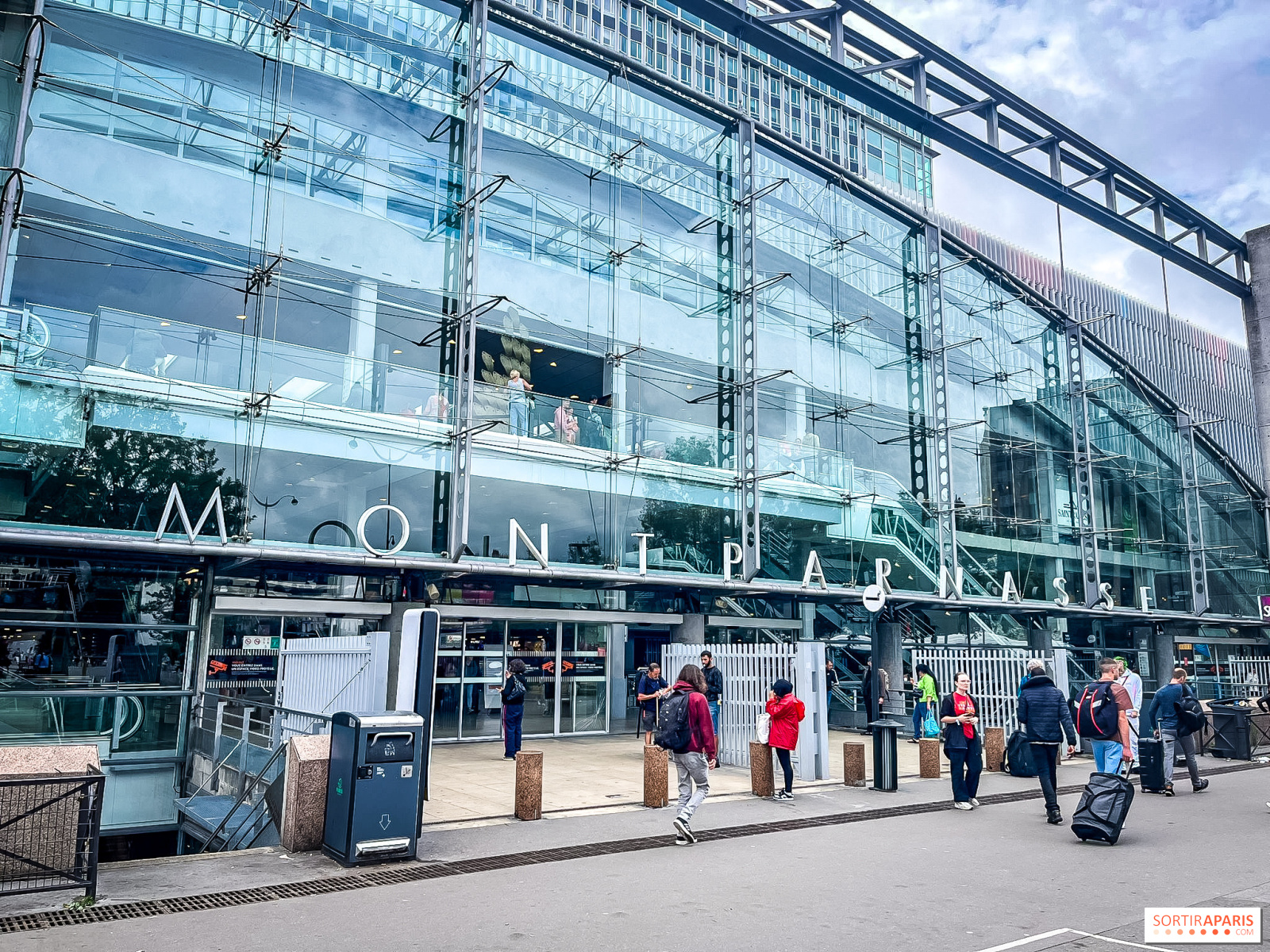
If you ask a Parisian where the Montparnasse station is, they’ll point without hesitation to the sprawling rail complex in the 15ᵉ arrondissement. Yet what many people don’t know is that the current station isn’t the one travelers in the 19ᵉ siècle knew.
Its history begins in 1840 with the opening of the West Station, built to link Paris with Versailles. At the time, rail travel was still a fascinating novelty. Soon, lines spread to Brittany, Normandy and the Pays de la Loire region. The station became one of the main gateways to western France.
If there is an image associated with the Montparnasse station, it’s almost certainly the one of the locomotive plowing through a façade before crashing into the street. On October 22, 1895, a train from Granville arrives in Paris several minutes late. To make up for the delay, the locomotive’s engineer keeps a high speed as the train nears the terminus. For technical and human reasons, the brakes fail to stop the train in time.
The locomotive clears the buffers, plows through the station hall, blasts a hole in the façade and ends its run several metres below, at Place de Rennes. The photograph of this accident has become one of the most famous railway images in world history. Even today, it regularly appears in works on the history of the railway.
At the end of the 19th century and the early 20th century, the Montparnasse district is home to an extraordinary cultural buzz. A few streets from the station, painters, writers, poets and musicians from around the world cross paths. Picasso, Modigliani, Foujita, Chagall, and Hemingway frequent the studios and the neighborhood cafés.
For many foreign artists arriving in Paris from the Atlantic ports, Montparnasse train station is one of the first sights of the capital.
In the 1960s, Paris launched sweeping efforts to modernize the city. The old station, having become too cramped, no longer met the demands of rail traffic. A radical decision was taken: to rebuild the entire complex. The new station was erected slightly further south.
Its gradual inauguration spans the 1960s and 1970s, coinciding with the construction de la tour Montparnasse, which profoundly reshapes the neighborhood’s landscape. The old station almost entirely disappears, making way for new urban developments.
One of the railway's major transformations unfolds in 1989 with the arrival of the TGV Atlantique. This breakthrough dramatically shortens travel times to the West of France. Rennes, Nantes, Bordeaux, and Tours become more accessible than ever from Paris.
Montparnasse thus becomes one of the showcases of France’s high-speed rail. Millions of travelers now use this station each year to reach Brittany, the Southwest, or the Atlantic coast.
One of Montparnasse's most striking features is its vertical organization. Unlike many of Paris's historic stations, a significant part of its facilities is perched above buried tracks and a complex web of urban infrastructure.
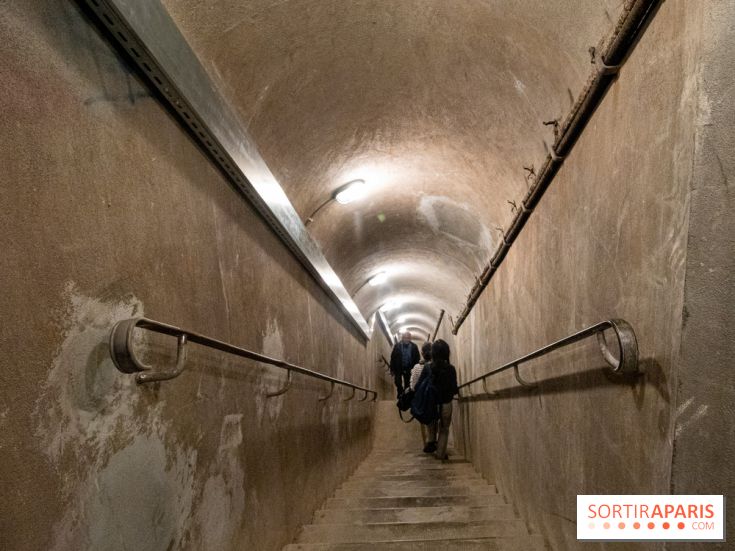
Under travelers' feet lie tunnels, engineering levels, subway access points, and miles of invisible railway equipment. This modern architecture sometimes gives it a labyrinthine reputation, but above all it bears witness to the technical challenges addressed during its reconstruction.
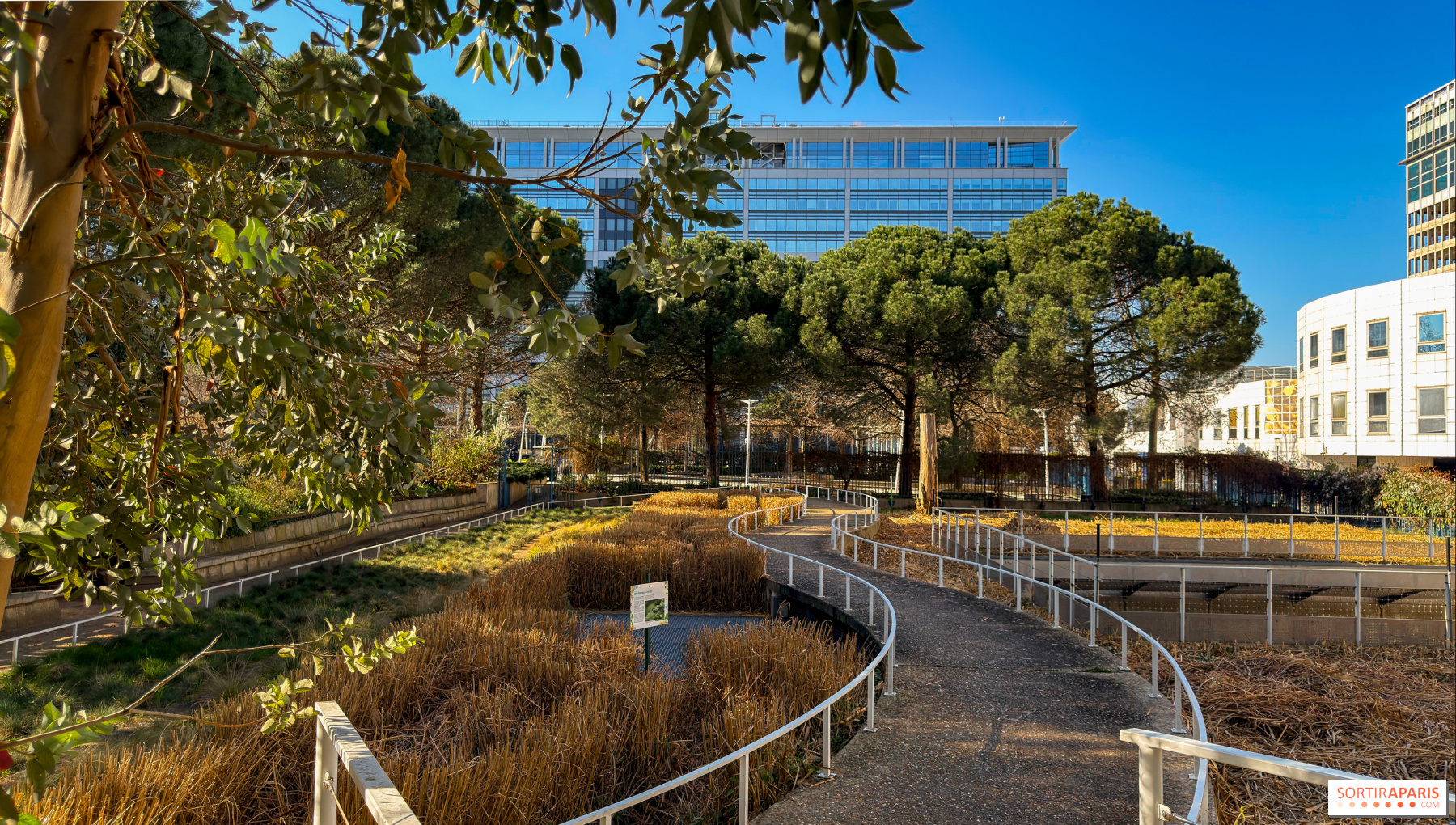
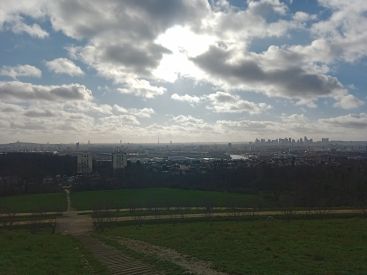
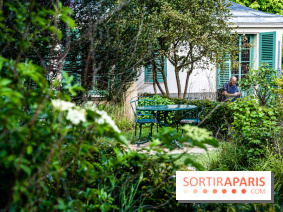
Few passengers know it, but Montparnasse station houses on its roof one of the largest hanging gardens in Paris: the Jardin Atlantique. Created during the rebuilding of the complex, this green space spanning several hectares remains largely unknown to the general public.
It nevertheless stands as a genuine oasis of calm above the railway bustle. This trait sums up the station’s spirit quite well: a modern place full of surprises for those who take the time to discover it.
Today, Montparnasse station welcomes tens of millions of travelers each year. Regularly modernized, it remains a vital hub in the French rail network. From 19th‑century steam trains to ultramodern TGVs, it has stood at the forefront of every major evolution in railway travel.
And even if it doesn’t have the monumental charm of some older stations, it remains one of the capital’s most important gateways for arrivals and departures.
Restaurants near Montparnasse Station in Paris, our go-to spots to eat with a suitcase.
Looking for a restaurant in the Gare Montparnasse district of Paris? Here are our top picks and recommendations! [Read more]
Location
Montparnasse station
Place Raoul Dautry
75015 Paris 15
Route planner
Accessibility info
Official website
www.garesetconnexions.sncf







 Restaurants near Montparnasse Station in Paris, our go-to spots to eat with a suitcase.