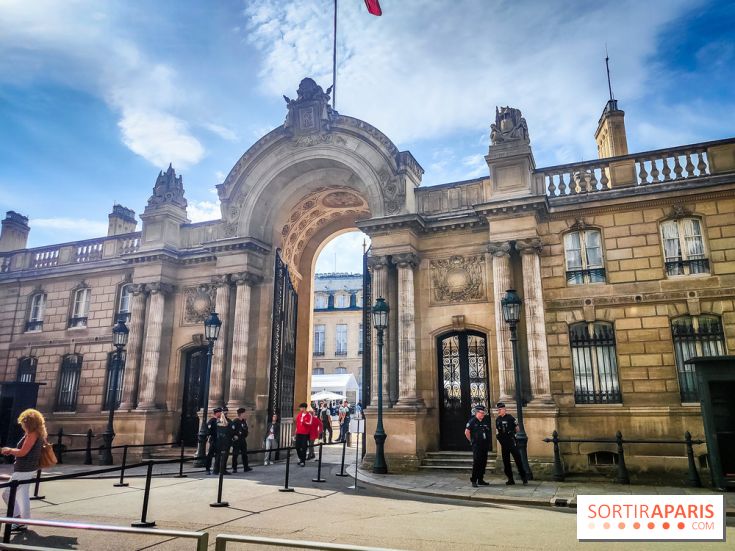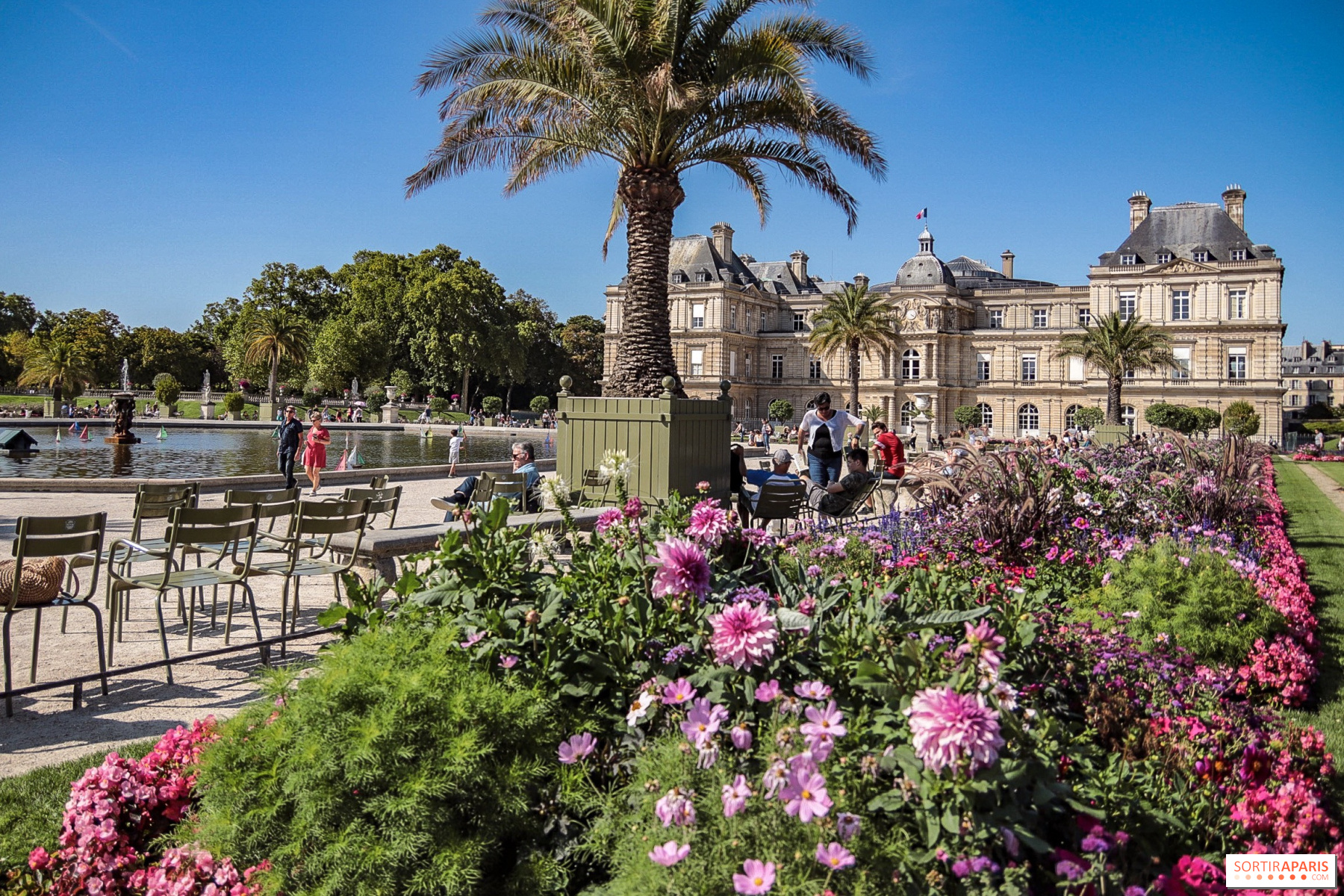
In the Parisian gardens, some decorative elements seem to have always been there... This is the case with these green chairs that people move with the sun, in the shade, or during a pause beside a basin. Once linked in the public imagination to the Luxembourg Garden, they are today found in several Parisian gardens, notably at the Tuileries. But what is their history? It goes back to 1923, when a new chair model was designed to replace heavier and less practical furniture. Easy to move, these chairs gave pedestrians an unusual freedom in the use of public space.
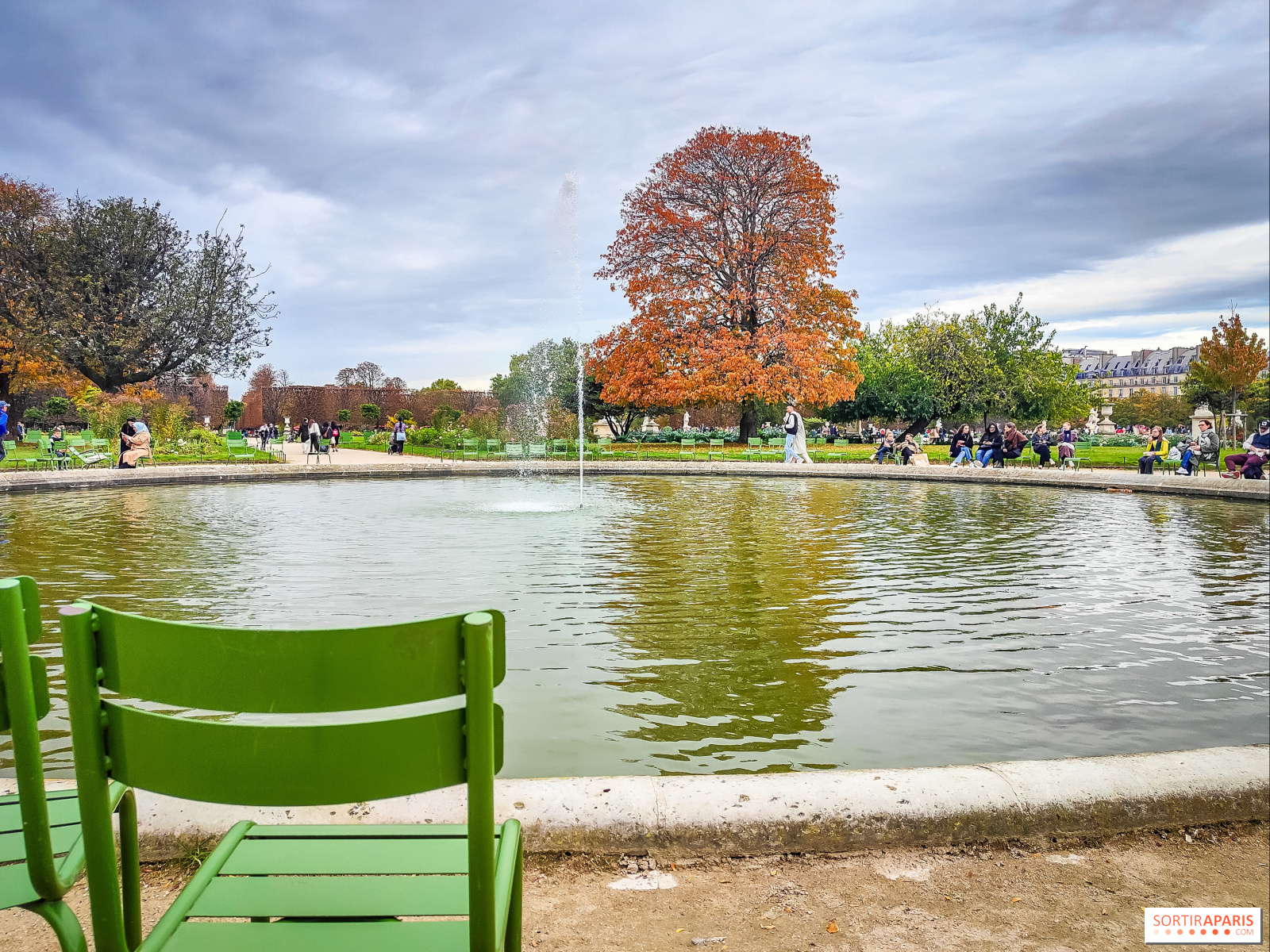
Prior to their introduction, the gardens were notably equipped with cast-iron and wooden chairs, heavier and harder to move. In the early 1920s, the administration of the Sénat, which oversees the jardin du Luxembourg, set out to modernize this seating. A fully metal model was developed to be sturdier, lighter, and easier to stack. Its main advantage remained its mobility: every visitor could choose their spot and move their chair as the day progressed.
Over the decades, the silhouette of these chairs has changed little. Their backrest formed of metal slats, their slim frame and their green hue have become familiar to regulars of Parisian gardens. In 2004, this model also inspired designer Frédéric Sofia, who created for Fermob a contemporary version named Luxembourg. Lighter and made of aluminium, it preserves the lines of the historic furniture and today graces many terraces and private gardens.
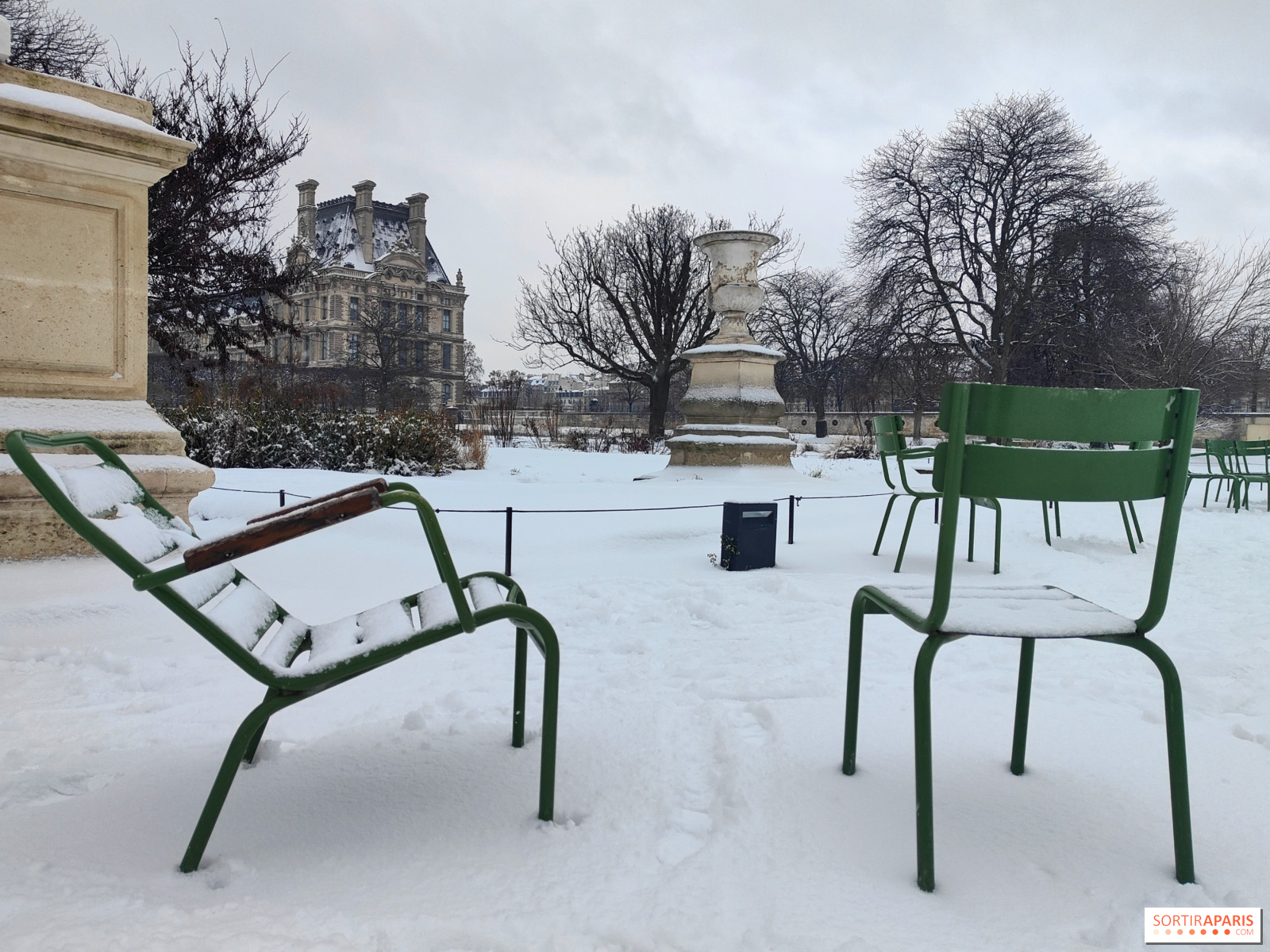
The green chairs now remain part of the everyday life of Parisian gardens: reading, chatting, watching passersby, or taking a break between strolls. Their history underscores how an object designed for practicality can end up becoming a lasting landmark in the Parisian landscape.
This page may contain AI-assisted elements, more information here.