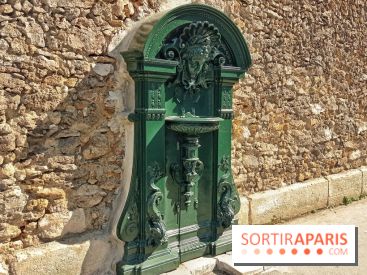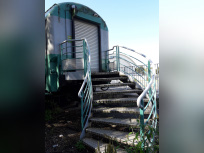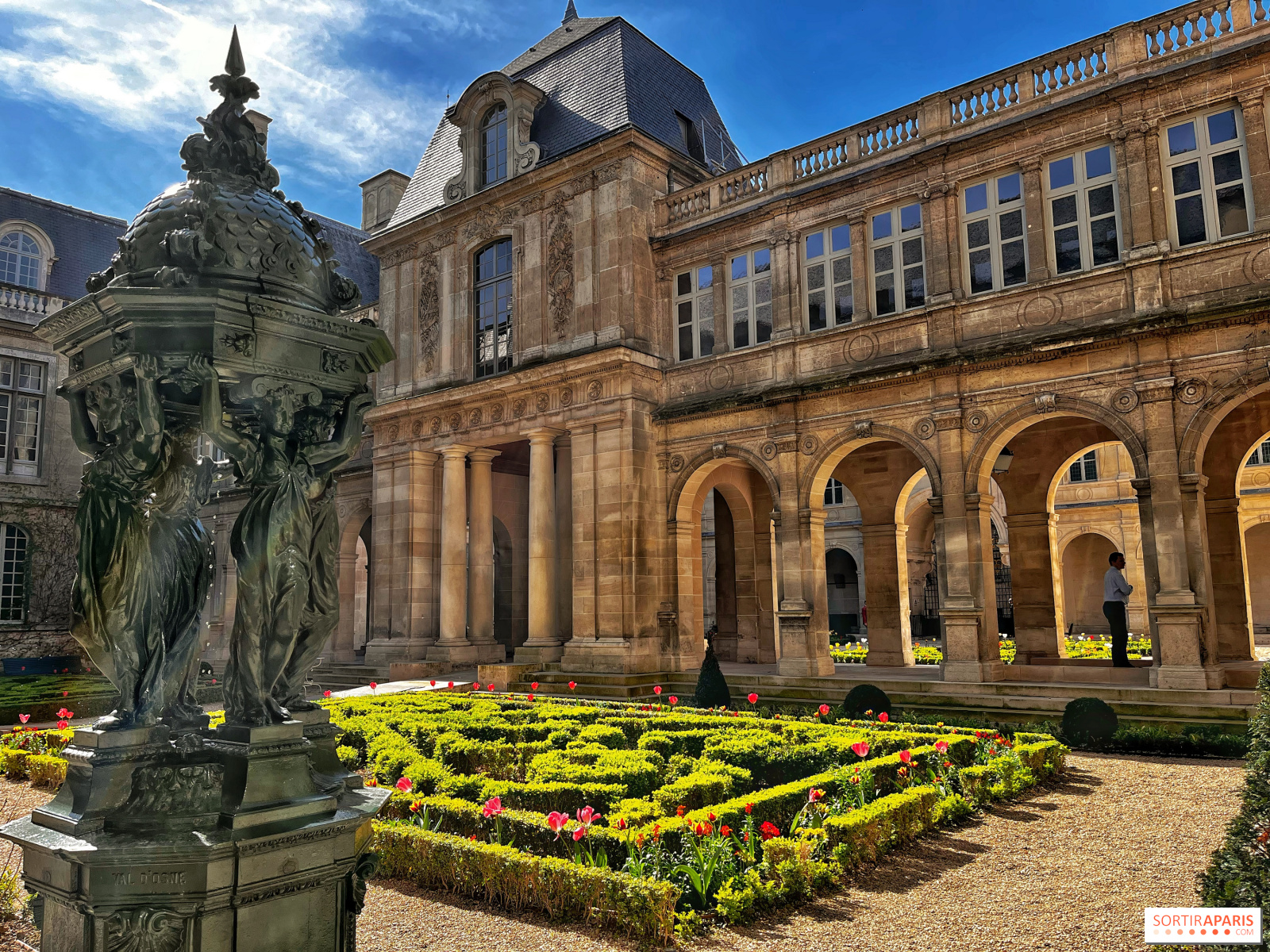
Paris wouldn’t be quite the same without its characteristic cast-iron silhouettes and the iconic "Dark Green Wagon" that adorns every street corner. This distinctive visual identity owes much to the 19th century and the urban revolution spearheaded by Baron Haussmann. Under his leadership, architects like Gabriel Davioud and philanthropists like Sir Richard Wallace designed urban furniture that was not merely functional but also deeply artistic.
Columns Morris, Wallace fountains, and public benches were originally designed to unify the city and provide Parisians with a pleasant street environment. What captivates observers about this urban furniture is its remarkable ability to survive modern times without losing its soul. While global metropolises are becoming increasingly uniform under glass and steel, Parisians cling to their Guimard street entrances with their organic curves, and their newsstands where they read the paper, despite the city’s desire for change.
These objects are time markers: they connect us to the Belle Époque period while still fitting into contemporary life. They serve as proof that well-designed creations stand the test of time. Beyond their aesthetic appeal, this furniture embodies a distinctive way of living: strolling. Each piece invites us to slow down amidst the hustle and bustle of the city.
By preserving its icons, Paris maintains its identity as a museum city, where heritage isn’t just admired behind glass, but is integrated into daily life.


 The Little History of Parisian Street Furniture: The Newsstand, a Corner to Read the News Outdoors
It's a familiar silhouette, crowned with a scaled dome, that seems to watch over our news. The newsstand is much more than a simple point of sale: it’s a Parisian institution. Once adorned with ornate cast iron, and now reinvented, it remains the last stronghold of print in a digital world—a place where Parisians connect and gauge the pulse of the city. [Read more]

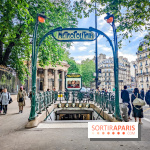

 The Little History of Parisian Design: The Guimard Entrance, an Art Nouveau Metro Icon
Like a forged iron vine bursting from the sidewalk, the entrance to the Paris Métro is an open-air work of art. Designed by Hector Guimard, it revolutionized the way we access the underground world. Delve into the history of these metro entrances, with their flowing, plant-like curves—silent witnesses to an era when industrial progress and poetic elegance went hand in hand. [Read more]
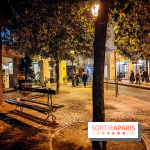
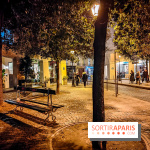
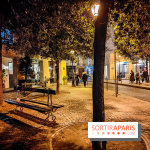
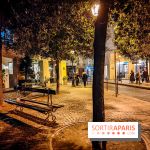 The little story of Parisian furniture: the Davioud Bench, an invitation to stroll through Paris
You sit on it to rest or watch the world go by—the Davioud bench, with its polished wooden slats and ornate cast-iron legs, is the silent companion of our urban respites. Originally designed to turn Paris into a sprawling open-air living room, it has, over 150 years, become a universal emblem of leisure in the city. [Read more]
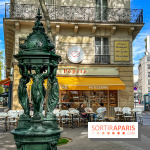
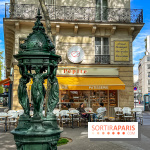
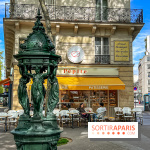
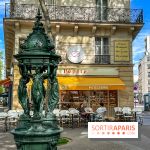 The little history of Parisian furniture: the Wallace Fountain, a gift that saved the city from thirst
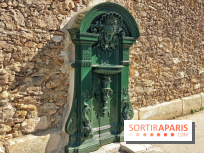
Silhouette of a green cast-iron fountain, an iconic fixture of Parisian squares, the Wallace fountain is much more than a free water source. It stands as a monument to philanthropy and a masterpiece of sculpture, reminding us that in Paris, even drinking water is a moment of beauty. Discover the story of these guardians of thirst, serving life at street corners for over 150 years. [Read more]
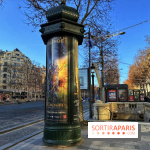
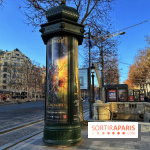
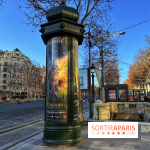
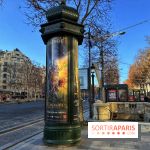 The Little History of Parisian Furniture: The Morris Column, a Beautiful Showcase for Advertising in Paris
A familiar silhouette of the city landscape, the Morris column is much more than just an advertising pillar. A true beacon of cultural life, it has adorned the sidewalks of the capital with its deep green hue and vibrant posters since the 19th century. Let’s take a look back at the history of a piece of urban furniture that has outlived countless city transformations to remain a cherished link between Parisians and live entertainment. [Read more]
 Bouquinistes des quais de Seine: a historic institution for art lovers - Photos
Constantly threatened with closure, the kiosks on the quays of the Seine have been part of the Parisian landscape for over a century and a half, and are a treasure trove of culture and art at low prices. [Read more]