It was in Paris, starting from 1868, that the first billboards began to appear in large numbers. This surge was driven by the printer Gabriel Morris. Confronted with the chaos of illegal posters that vandalized the city walls during the Second Empire, Paris decided to grant a monopoly on public displays to the Morris firm.
In exchange for maintaining these buildings, the printer was permitted to display exclusively posters for theaters, concerts, and cinemas. The goal was straightforward: to organize cultural information while providing passersby with an elegant and practical landmark.
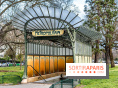
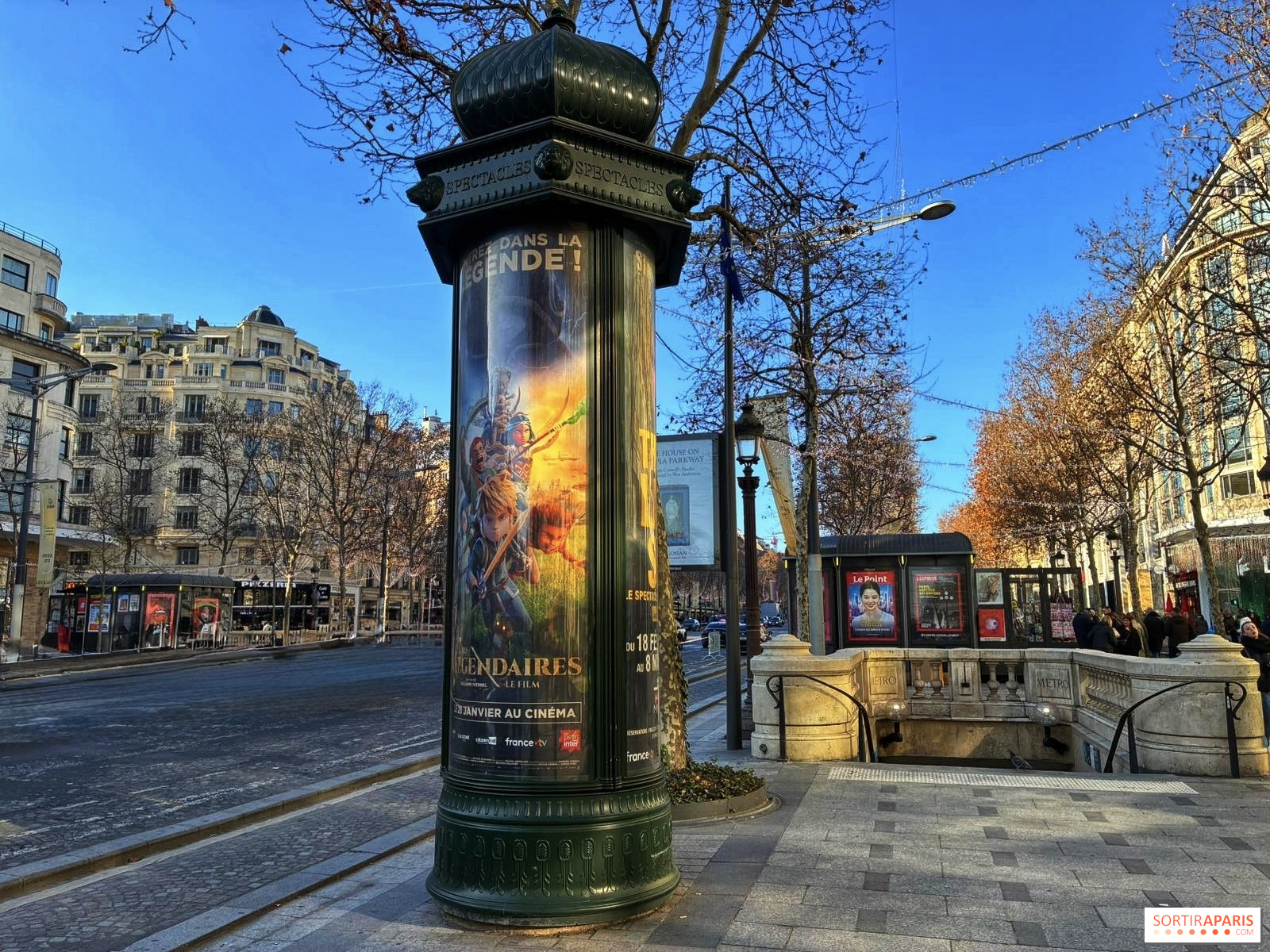
The Morris column isn't just a simple cast-iron cylinder. Its design, which has remained remarkably consistent for over a century, is a classic example of Haussmannian architecture. With its rounded canopy (the marquee), decorative acanthus leaves, and central pole, it seamlessly blends into the grandeur of the city’s major boulevards.
But they also conceal practical functions that have been long forgotten: originally, some served as shelters for city sweepers or even as public restrooms, before their use was strictly confined to cultural exhibitions.

Long before smartphones, the Morris column was the latest news source for residents. It was the go-to spot to find out which play was running at the Comédie-Française, which concert was happening at the Olympia, or which new film had just been released. It served as a communal gathering point on the sidewalk, a place where strangers exchanged spontaneous conversations over shared cultural interests.
Even today, despite the rise of digital media, it remains the prestigious medium for festivals and major productions, offering a tangible presence in a city flooded with screens.
In 2006, panic swept through Paris when the city hall proposed replacing the historic Morris columns with sleeker, more modern designs. The protests were swift and fierce: Parisians and heritage enthusiasts united to defend the iconic tiled dome and prevent its removal.
The outcome? The new columns installed by JCDecaux have maintained the iconic silhouette and the signature "train green" color, proving that you can't change Paris's visual identity without consequences.
Did you know: why has dark green become the iconic color of Paris street furniture?
Discover why Parisian benches, fountains and kiosks sport this famous dark green: a tribute to nature, visual harmony, Haussmannian modernization and the capital's signature identity. [Read more]
This page may contain AI-assisted elements, more information here.





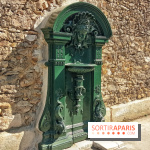
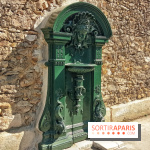
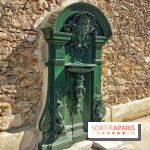 Did you know: why has dark green become the iconic color of Paris street furniture?