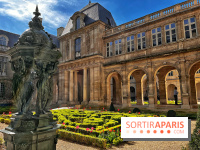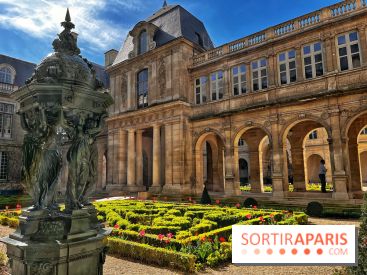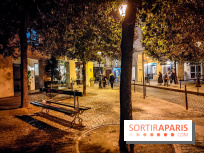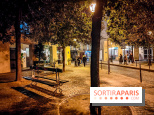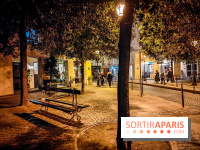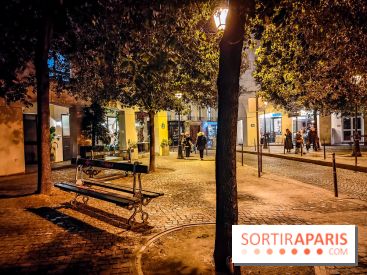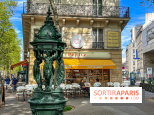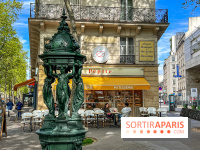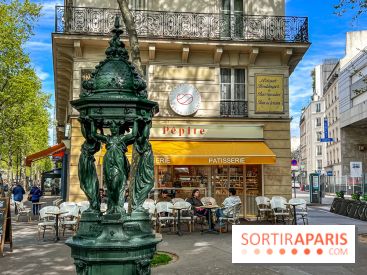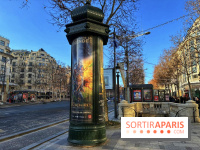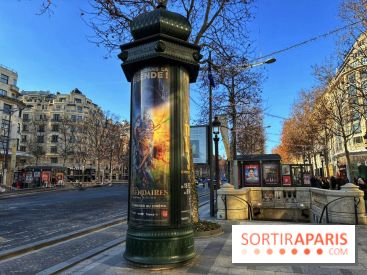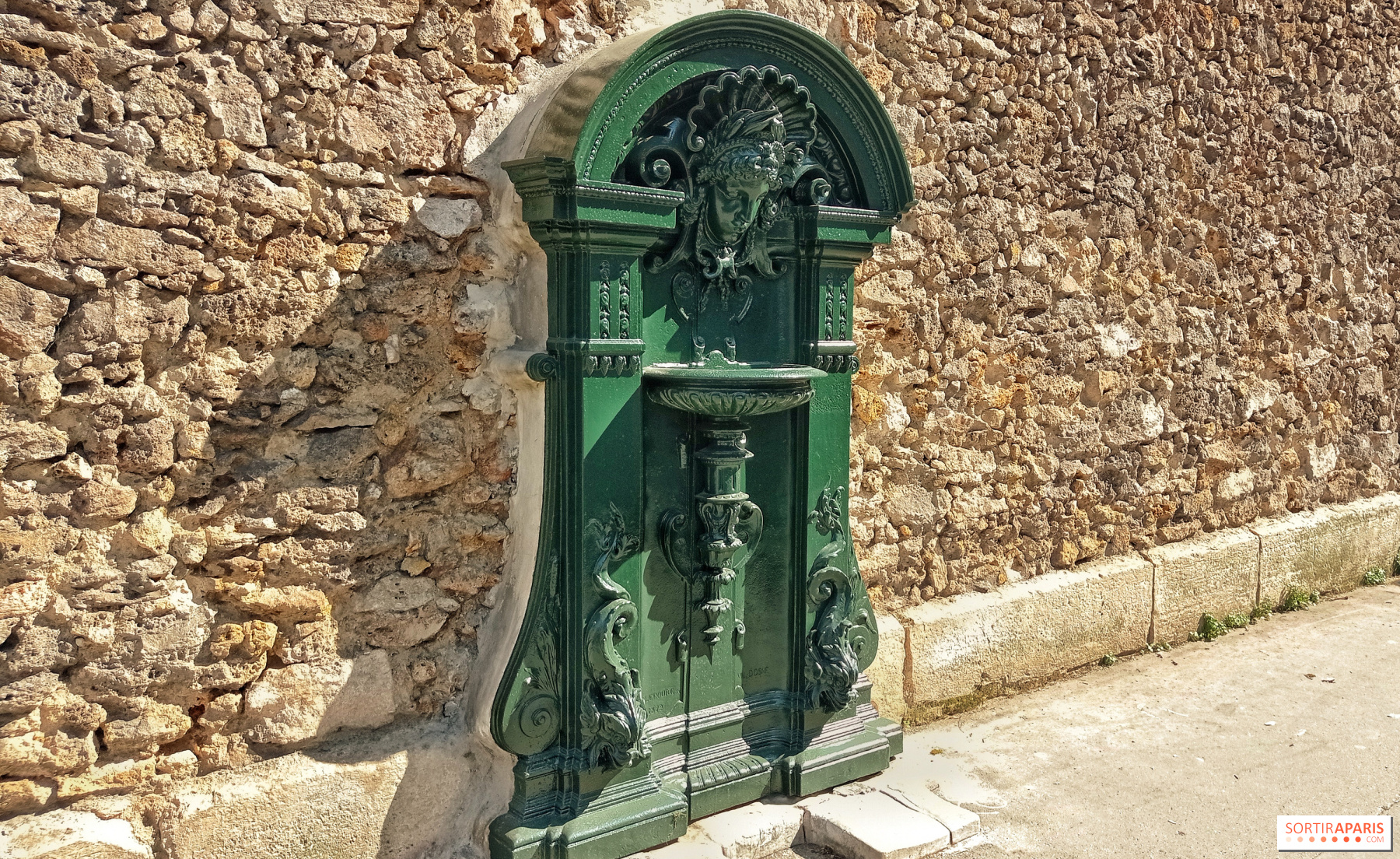
It's a color that has become iconic in the capital's landscape. This famous dark green, sometimes referred to as bottle green, is found in many of Paris's street furniture, from public benches to Wallace fountains. But why exactly was this color chosen? Once again, it's a legacy of the Haussmann transformation of the City of Light.
During the Second Empire, Napoléon III, supported by the prefect of the Seine, Georges-Eugène Haussmann, launched an ambitious overhaul of Paris. The Emperor aimed to bring more nature and harmony into the city. Under his guidance, and with Haussmann's urban planning vision, street furniture—lampposts, kiosks, benches, Morris columns—were standardized in a dark green color. This choice symbolized both modernity and a visual connection to the greenery of the newly designed parks and boulevards. The idea was that the furniture would blend seamlessly with the vegetation and stone, without distracting from the surrounding landscape. .
Codified as early as the XIXᵉ century, this color choice is part of the tradition of standardization in Parisian urban design. In public spaces, this green has become a visual signature. Sometimes referred to as "Carriage Green", it is also applied to railings, fences or signs. It ensures visual continuity in public spaces, reinforcing the Parisian identity in every stop, every park.
This page may contain AI-assisted elements, more information here.