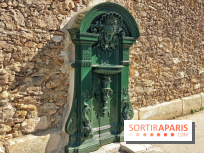
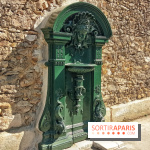
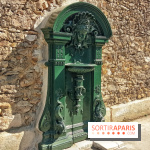
In the aftermath of the Franco-Prussian War of 1870, during a devastated Paris where access to drinking water had become a luxury for the city's poorest residents, the idea for this project was born. Sir Richard Wallace, a wealthy British philanthropist deeply fond of the capital, decided to donate dozens of fountains to the city, funding the initiative out of his own pocket.
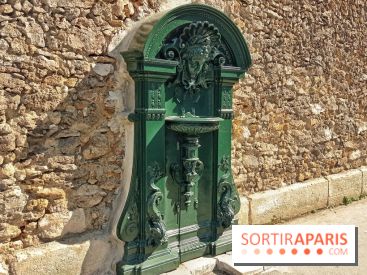
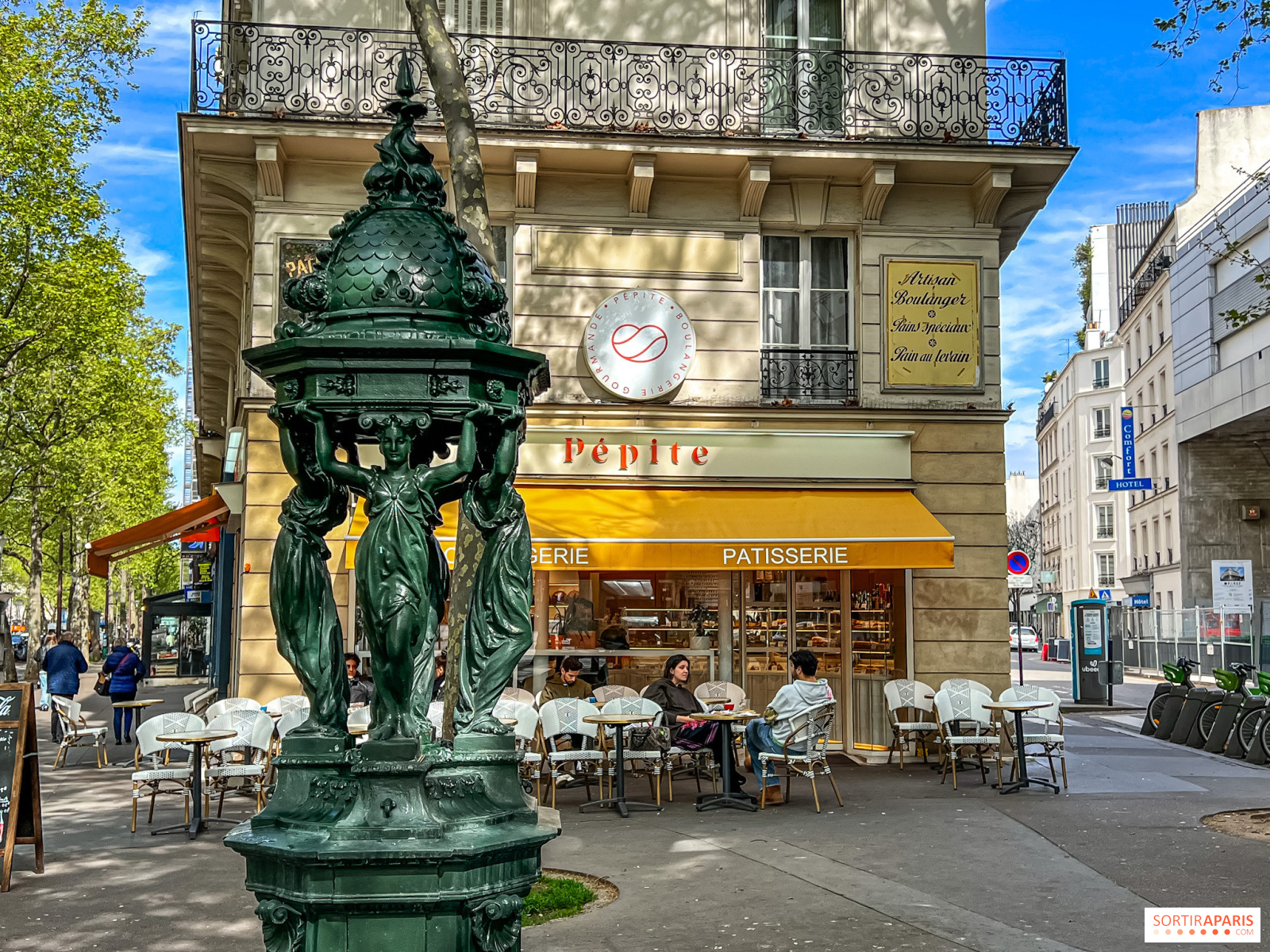
Designed by sculptor Charles-Auguste Lebourg and installed as early as 1872, these fountains had a clear purpose: to provide all citizens with access to clean, filtered drinking water — free of charge — while also enhancing the beauty of working-class neighborhoods.
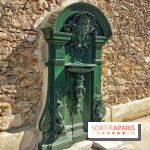
Discover the most original Wallace fountains in Paris
Whether you're a tourist or a Parisian, you're bound to have come across a Wallace fountain! To celebrate their 150th anniversary, we invite you to take a stroll through some of the capital's most iconic and original fountains, with their fascinating histories! [Read more]
The Wallace Fountain stands as a sculpted lesson in morality. Take a closer look: the four caryatids (female statues) supporting the dome are not identical. They embody the four cardinal virtues: Kindness, Charity, Temperance, and Simplicity.
By positioning these symbols at the heart of the city, Wallace aimed to elevate the act of drinking into a moment of dignity. Placed back-to-back, they also allowed viewers to appreciate the fountain from all angles, transforming it into a Gesamtkunstwerk—an all-encompassing piece of art seamlessly integrated into the urban fabric of Haussmannian design.

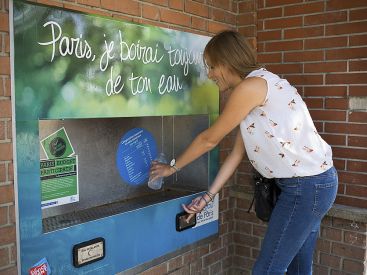
Originally, the fountains featured tin-plated iron cups attached by small chains. They were removed in 1952 for reasons of hygiene, but the tradition has endured. Today, as environmental concerns drive us to move away from plastic, the Wallace fountains are experiencing a renaissance.
They are no longer just relics of the past but have become , operating from spring to autumn to provide refreshment and keep Parisians and tourists cool during the warmer months.
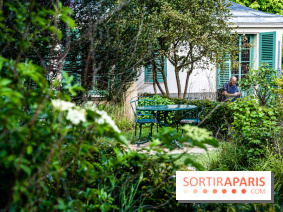
Discover why Parisian benches, fountains and kiosks sport this famous dark green: a tribute to nature, visual harmony, Haussmannian modernization and the capital's signature identity. [Read more]
This page may contain AI-assisted elements, more information here.
































 Discover the most original Wallace fountains in Paris