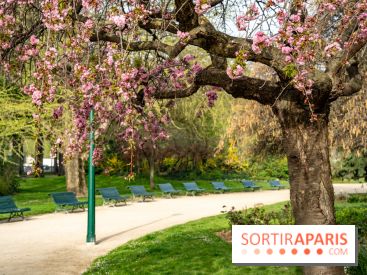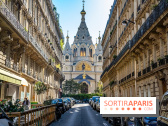
In the mid-19th century, during the Second Empire, Gabriel Davioud, chief architect for Paris’s municipal buildings, was entrusted with a significant task by Baron Haussmann. As the grand boulevards and squares took shape, there was an urgent need to furnish these public spaces with appropriate furnishings.
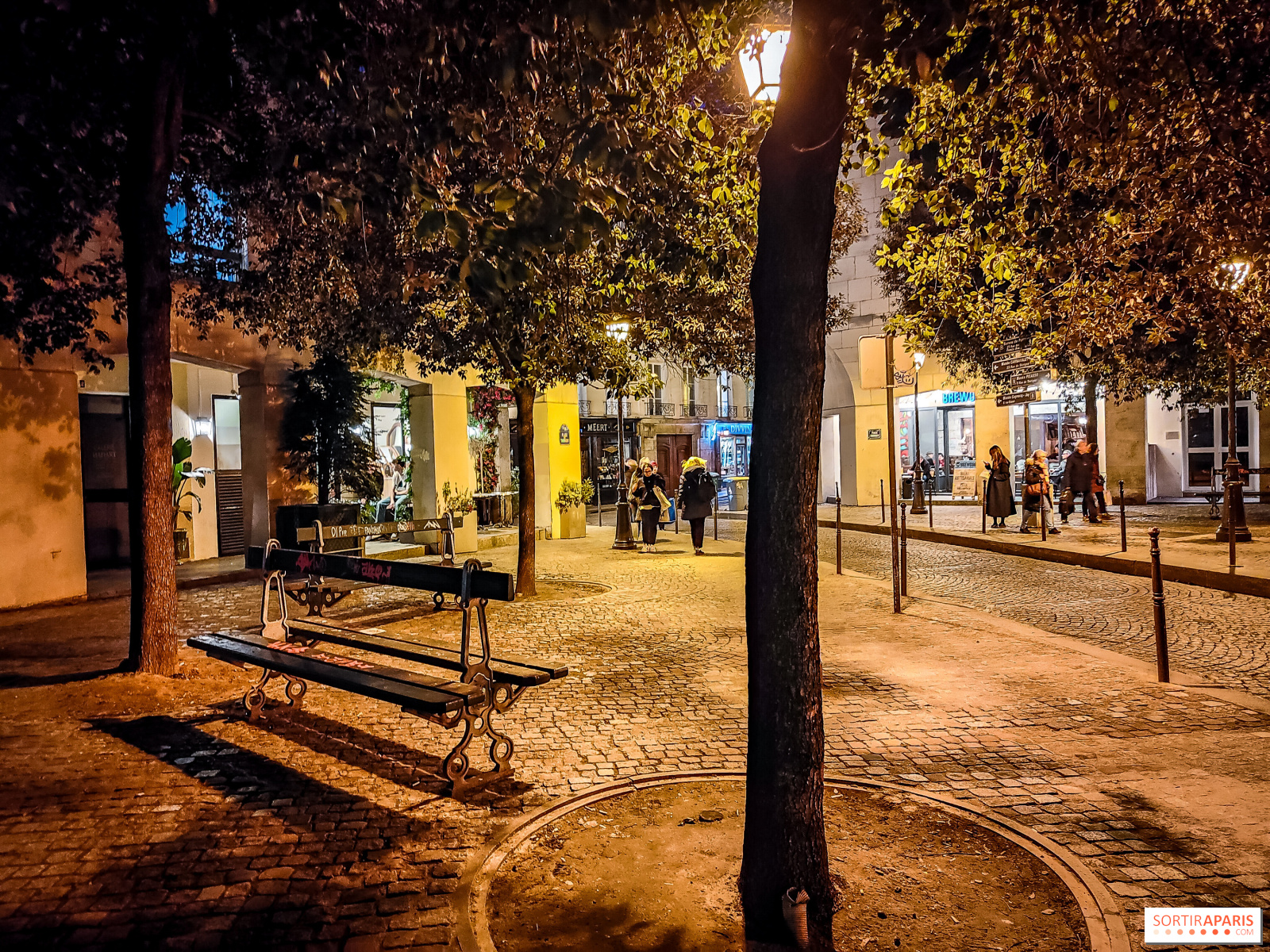
Starting in the 1860s, the so-called "Davioud" benches began to appear throughout Paris. The goal was to democratize urban relaxation, a practice once limited to private or paid gardens, encouraging Parisians to embrace these new public walking spaces.
Davioud’s genius lay in the elegant design of his structures. Unlike standard benches, the classic Parisian style often features a double seat: two backs placed back to back. This clever design allows people to sit on either side of the walkway, providing two distinct perspectives of the city.
Her cast-iron feet are decorated with intricate plant motifs that complement the trees lining the boulevards, while the curvature of the woodwork has been designed to provide maximum back comfort—an ergonomic breakthrough for its time.
Before Davioud's time, sitting in the street was uncommon and often seen as suspicious or something only beggars did. By installing these benches at regular intervals, the city introduced a new right: the right to sit down for free.
The park bench has become the centerpiece of strolling, that quintessentially Parisian pastime of wandering aimlessly. It stands out as the only piece of urban furniture that requires nothing in return, providing a welcoming haven to passersby from all walks of life.
Just like the Morris columns, the Davioud bench also had to confront modernity. Over the years, attempts were made to replace it with plastic or perforated metal models. Yet, Parisians proved fiercely attached to their historic seating.
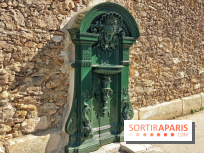
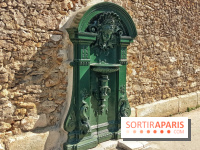
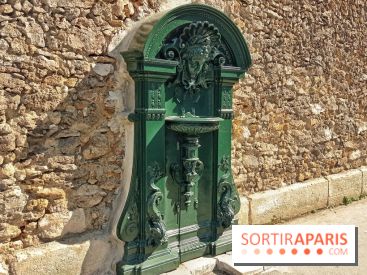
Did you know: why has dark green become the iconic color of Paris street furniture?
Discover why Parisian benches, fountains and kiosks sport this famous dark green: a tribute to nature, visual harmony, Haussmannian modernization and the capital's signature identity. [Read more]
This page may contain AI-assisted elements, more information here.




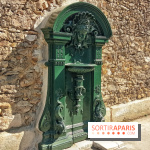
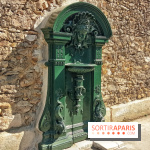
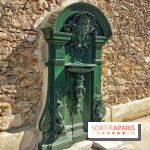 Did you know: why has dark green become the iconic color of Paris street furniture?