When we think of Guillaume Apollinaire, we often think of his calligrammes, Alcool and modern poetry. Paris was the very terrain that inspired his work. Exploring his footsteps in the capital means strolling through Montmartre, listening to the murmur of the Pont Mirabeau, visiting his tomb in Père-Lachaise... Embark on a stroll through Apollinaire's real and symbolic Paris.
Anavant-garde poet, Guillaume Apollinaire loved to blend lyricism, modernity and experimentation. Arriving in Paris in the early 20th century, he frequented the artistic circles of Montmartre and Montparnasse, where he rubbed shoulders with Picasso, André Derain and Max Jacob. He coined the term"surrealism" and renewed poetry with his Calligrammes.
Wounded in the Great War, he died of Spanish influenza in 1918. His work, at once rooted in tradition and resolutely modern, makes him a link between two literary centuries.

9 rue Léonie (today rue Henner; 9ᵉ arr.). One of his first Parisian domiciles, where he lived from April 1907 to October 1909. This address marks his arrival in Paris, at the foot of Montmartre, below Place Blanche. A commemorative plaque indicates that he lived at this number.
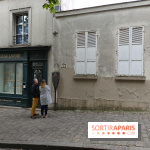
Le Bateau-Lavoir (formerly 7 rue Ravignan; 18ᵉ arr.). An artistic mecca where he rubbed shoulders with Picasso, Max Jacob, Braque and other avant-garde figures, this venue, often described as an artists' city, became a central symbol of Parisian artistic innovation.
Le Lapin Agile (18ᵉ arr.). Apollinaire also frequented this mythical neighborhood cabaret, the scene of literary evenings, nocturnal poetry and artistic companionship.
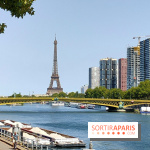
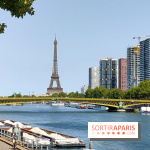
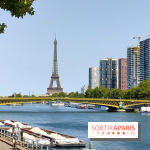
Le Pont Mirabeau (15ᵉ arr.). As Apollinaire nurtured a relationship withpainter Marie Laurencin, he crossed the Pont Mirabeau with her and composed the poem Le Pont Mirabeau inspired by this affair. Today, a plaque on the bridge bears the opening lines: "Vienne la nuit sonne l'heure / Les jours s'en vont je demeure".
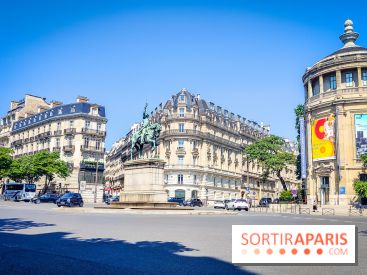
Le 202 boulevard Saint-Germain (7ᵉ arr.). Apollinaire dies on November 9, 1918 in this apartment, on the corner of rue Saint-Guillaume. A victim of Spanish flu aggravated by his war wounds, he was announced as "Died for France" due to his military service.
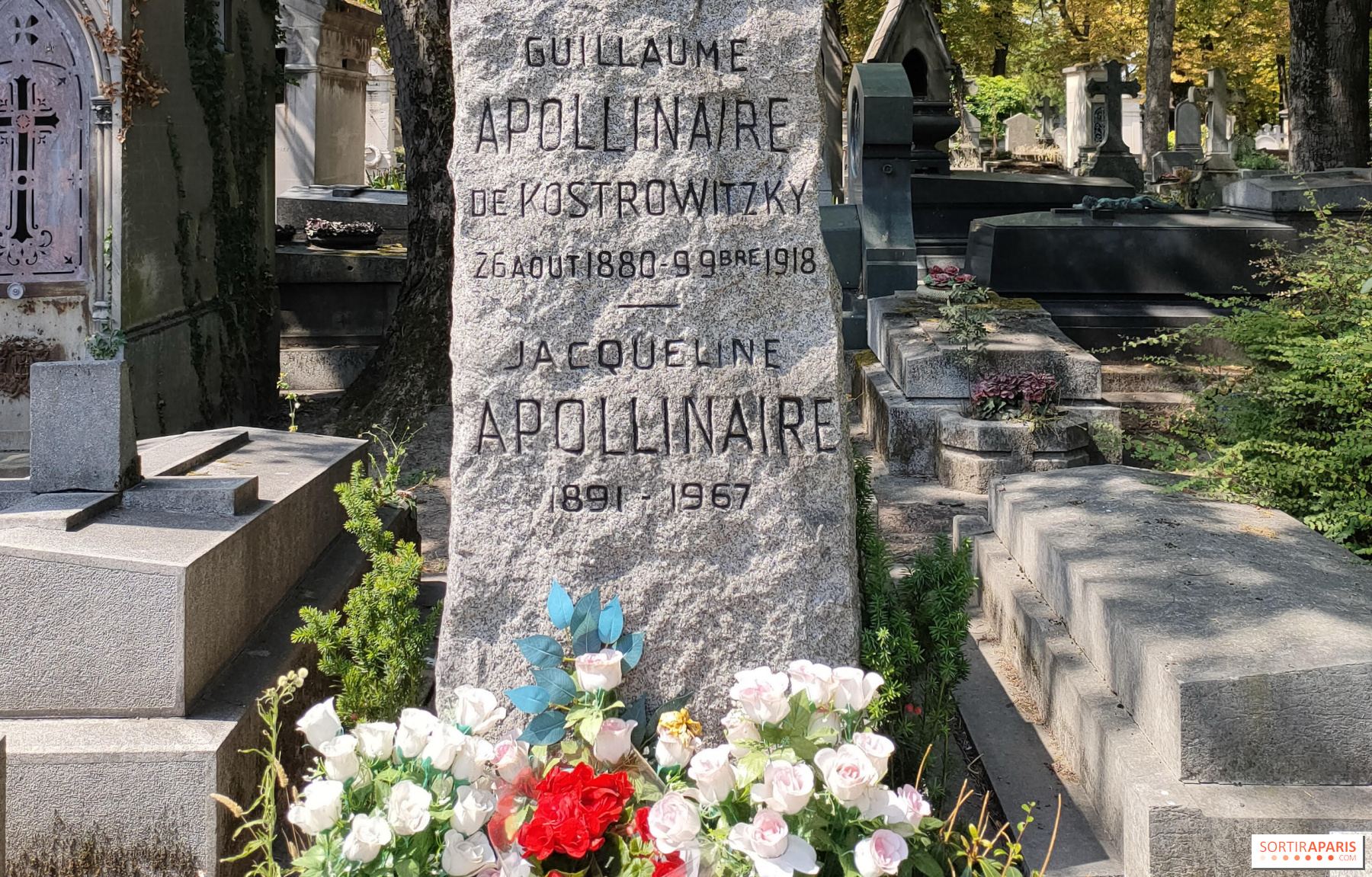
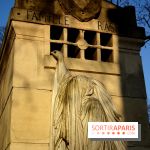
Père-Lachaise cemetery (20ᵉ arr.). He is buried in the Père-Lachaise cemetery, in a tomb designed by painter Serge Férat, where his wife Jacqueline also lies. Engraved on the slab are three stanzas from the poem Les Collines and an extract from the calligram Cœur Couronné Miroir.
Rue Guillaume-Apollinaire (6ᵉ arr.). Formerly rue de l'Abbaye, it pays tribute to the poet and links place Saint-Germain-des-Prés to rue Saint-Benoît.
History of the Mirabeau Bridge
Immortalized by Guillaume Apollinaire, the Pont Mirabeau is one of the most famous bridges in Paris. Made entirely of metal, it offers magnificent views of the capital. [Read more]
In Montmartre, Au Lapin Agile is the legendary cabaret where Brassens sang, Picasso drank and Apollinaire dreamed. A unique place that still perpetuates the free, bohemian spirit of the 18th arrondissement's Butte. [Read more]
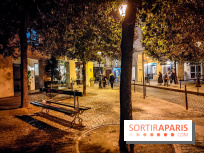
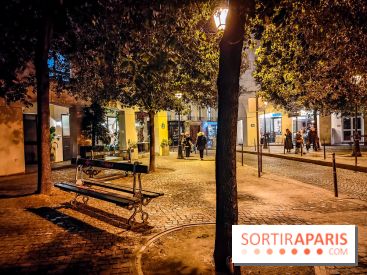
Perched on a small square in Montmartre since 1904, the Bateau-Lavoir is a major creative center where Picasso, Modigliani and Apollinaire left their mark. [Read more]
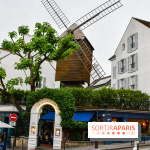
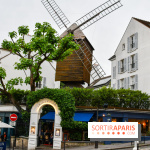
Perched high above Paris, Montmartre was the beating heart of artistic bohemia in the 19ᵉ and 20ᵉ centuries. Painters, poets and songwriters lived there freely between cabarets, studios and steep alleyways, leaving an eternal imprint on the soul of the capital. [Read more]
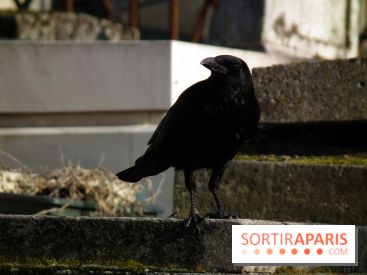
The Père Lachaise cemetery is not only the largest cemetery in Paris, but also one of the most visited in the world. Whether for its history, its illustrious figures or even its legends, this place is a must-see in the capital. [Read more]
Location
Le Bateau Lavoir
8, Rue Garreau
75018 Paris 18




 History of the Mirabeau Bridge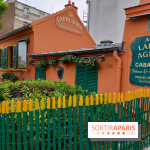
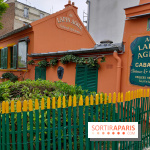
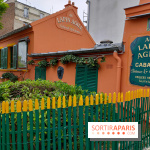
 Au Lapin Agile, a legendary cabaret in the heart of bohemian Montmartre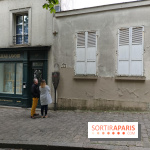
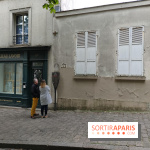
 Le Bateau Lavoir, Montmartre's modern art nest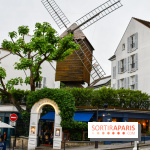
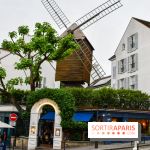 The legendary addresses and historic sites of artistic and bohemian Montmartre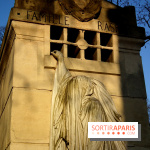
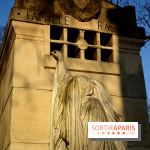
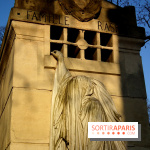
 Père Lachaise, Paris's most mythical cemetery and the graves of famous personalities