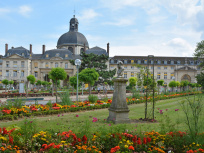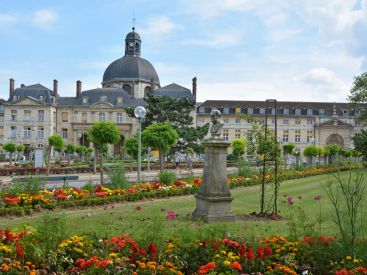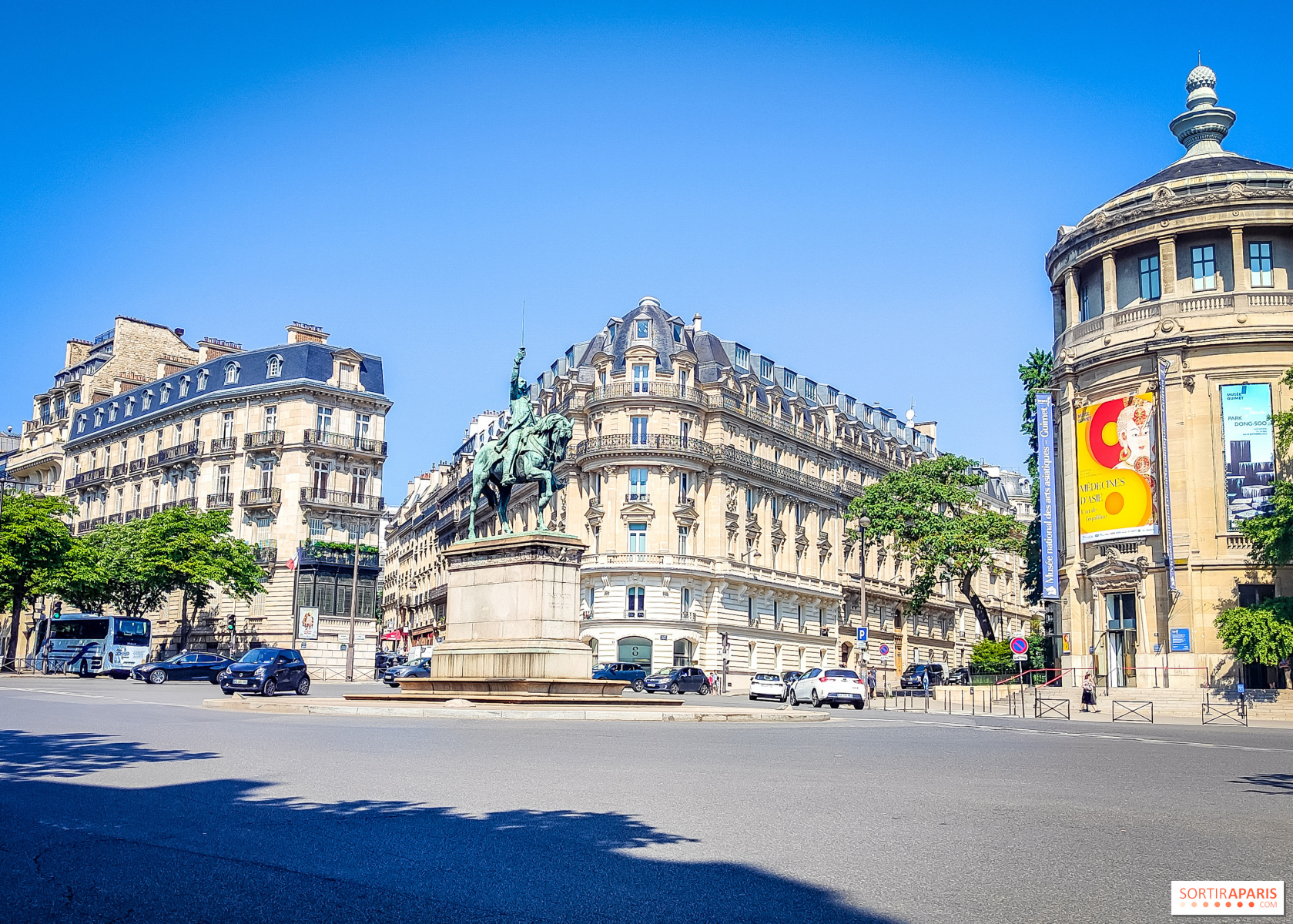
Located to the west of Paris, bordered by the Seine to the south and adjoining the Bois de Boulogne to the west, the 16th arrondissement stretches across a large area divided into four administrative districts: Auteuil, La Muette, Porte-Dauphine, and Chaillot. Known for its spacious streets lined with elegant Haussmann-era buildings, its embassies, and prestigious private schools, the 16th has earned a reputation as an upscale residential enclave. Yet beneath this polished façade lies a richer, more vibrant history—full of curiosities and surprising stories waiting to be uncovered.
Before being incorporated into Paris in 1860, the 16th arrondissement was primarily rural, made up of small hamlets such as Passy and Auteuil. These villages were renowned for their thermal springs, vineyards, mills, and pastoral atmosphere. Many literary and scientific figures sought refuge here, away from the hustle and bustle of the city center, drawn by its peaceful countryside. Even today, the neighborhood retains subtle but evocative remnants of this bucolic past.
Behind its elegant facades and secluded museums lie astonishing stories, unusual discoveries, and little-known tales that shed new light on the 16th arrondissement. Here’s a curated selection of these hidden secrets that make this neighborhood even more intriguing.
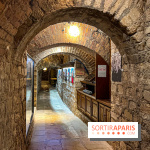
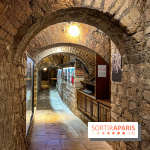
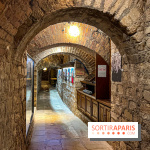
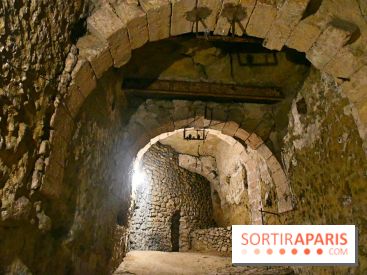
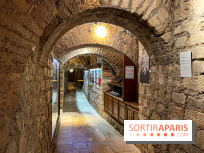
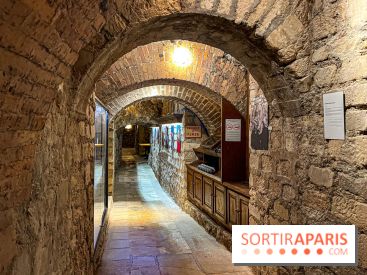
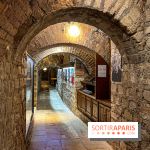 In Paris, this remarkable museum is tucked away inside a historic cellar.
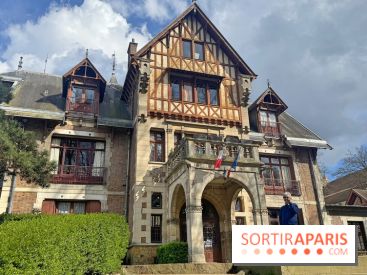
In the 16th arrondissement, just a stone’s throw from the Eiffel Tower, lies an unusual museum dedicated entirely to wine — housed in historic medieval cellars once used to store the monks’ vintages. Dive into the story of this one-of-a-kind place where underground heritage and viticultural culture come together. [Read more]
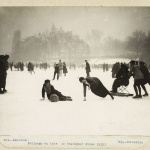


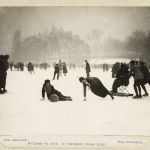 Winter in Paris: When Parisians Would Ice Skate on the Frozen Lakes of the Bois de Boulogne
Did you know that in the 19th century, the frozen lakes of the Bois de Boulogne turned into popular natural ice rinks enjoyed by Parisians? Between winter festivities, high society elegance, and outdoor skating, this forgotten tradition reveals a different side of Paris in the snow. [Read more]
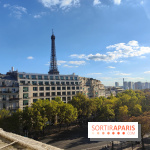
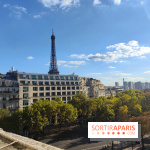
 The 16th district is the only neighborhood in Paris with two postal codes.
Why does the 16th arrondissement of Paris have two postal codes, 75016 and 75116, when all the others only have one? Explore the origins of this unique postal quirk in the capital and the administrative reasons behind this special case. [Read more]


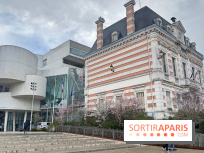
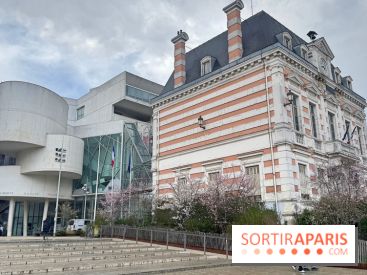
 Did you know? This Parisian university is located in the former NATO headquarters.
Did you know? Paris-Dauphine University, now a leading institution in economics, social sciences, and management, is housed in a building rich with history: the former European headquarters of NATO, constructed in the 1950s at Porte Dauphine. [Read more]
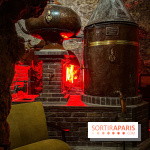
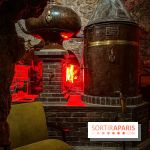 Did you know? Before becoming part of the cityscape, the 16th arrondissement of Paris was once home to vineyards.
Did you know that before becoming one of Paris’s most fashionable neighborhoods, the 16th arrondissement was once a land of vineyards, forests, and small villages? Let’s take a look at an intriguing story that uncovers the surprising “country” side of this elegant corner of the capital. [Read more]
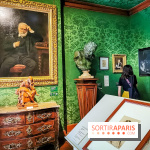
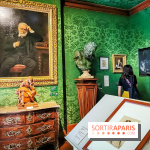
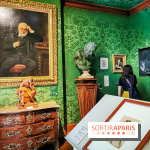
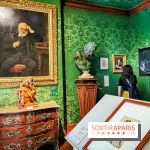 Did you know? Victor Hugo once lived on an avenue in Paris that already bore his name during his lifetime.
Did you know that Victor Hugo once resided on a Parisian street that was already named after him during his lifetime? This surprising detail highlights the immense esteem in which the writer was held in his era. Let’s take a closer look at a lesser-known slice of Paris's literary history. [Read more]



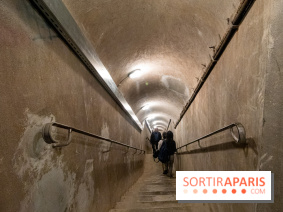
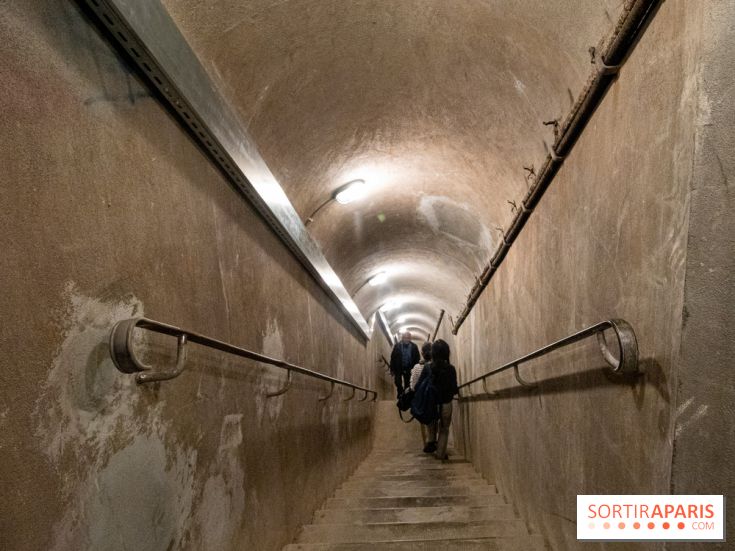
 In Paris, beneath the Radio House, lies a hidden atomic shelter— a remnant of the Cold War era.
Along the banks of the Seine in Paris, the Maison de la Radio, famous for its round shape and broadcast studios, conceals beneath its floors an underground nuclear bunker built during the Cold War—an enduring reminder of the security concerns that shaped that era. [Read more]
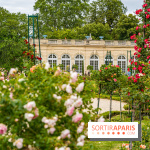
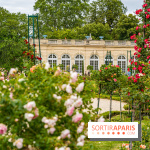
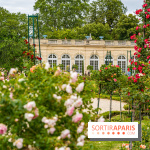
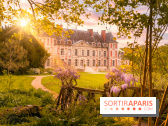
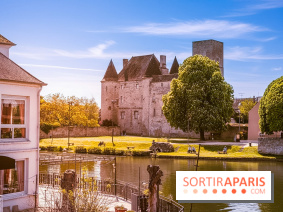
 Did you know? Marie-Antoinette's challenge led to the creation of the Château de Bagatelle in Paris.
Did you know that a simple bet between Marie-Antoinette and her brother-in-law, the Comte d'Artois, was the origin of the Château de Bagatelle? We tell you all about it! [Read more]

 The day the 16th arrondissement of Paris refused to be the 13th because of a popular expression
Paris wasn't built in a day, and has grown over the years, as shown by its various arrondissements. And did you know? The 16th arrondissement was originally intended to be the 13th, but firmly refused to be given this number. We explain why! [Read more]
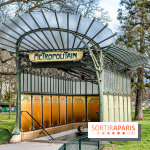
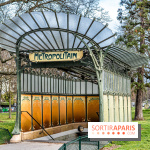
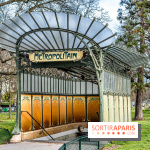
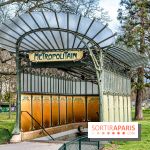 Did you know? This is the last of Hector Guimard's original Type B metro station aediculae.
Did you know? Hector Guimard's last surviving type B kiosk, nicknamed La Libellule, is located at Porte Dauphine station in Paris. This exceptional Parisian metro entrance is one of the last original vestiges, and we tell you all about it. [Read more]
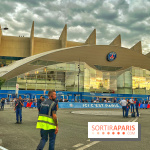
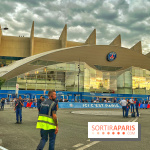
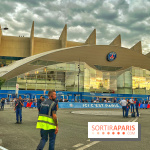
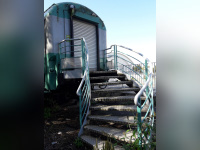
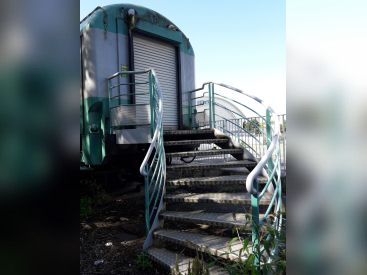
 Did you know? There is a ghost metro station under the Parc des Princes.
Paris-Saint-Germain fans wouldn't have minded a metro station just a stone's throw from the Parc des Princes. But for security reasons, Porte Molitor never opened and is now one of Paris's ghost stations! [Read more]
This page may contain AI-assisted elements, more information here.