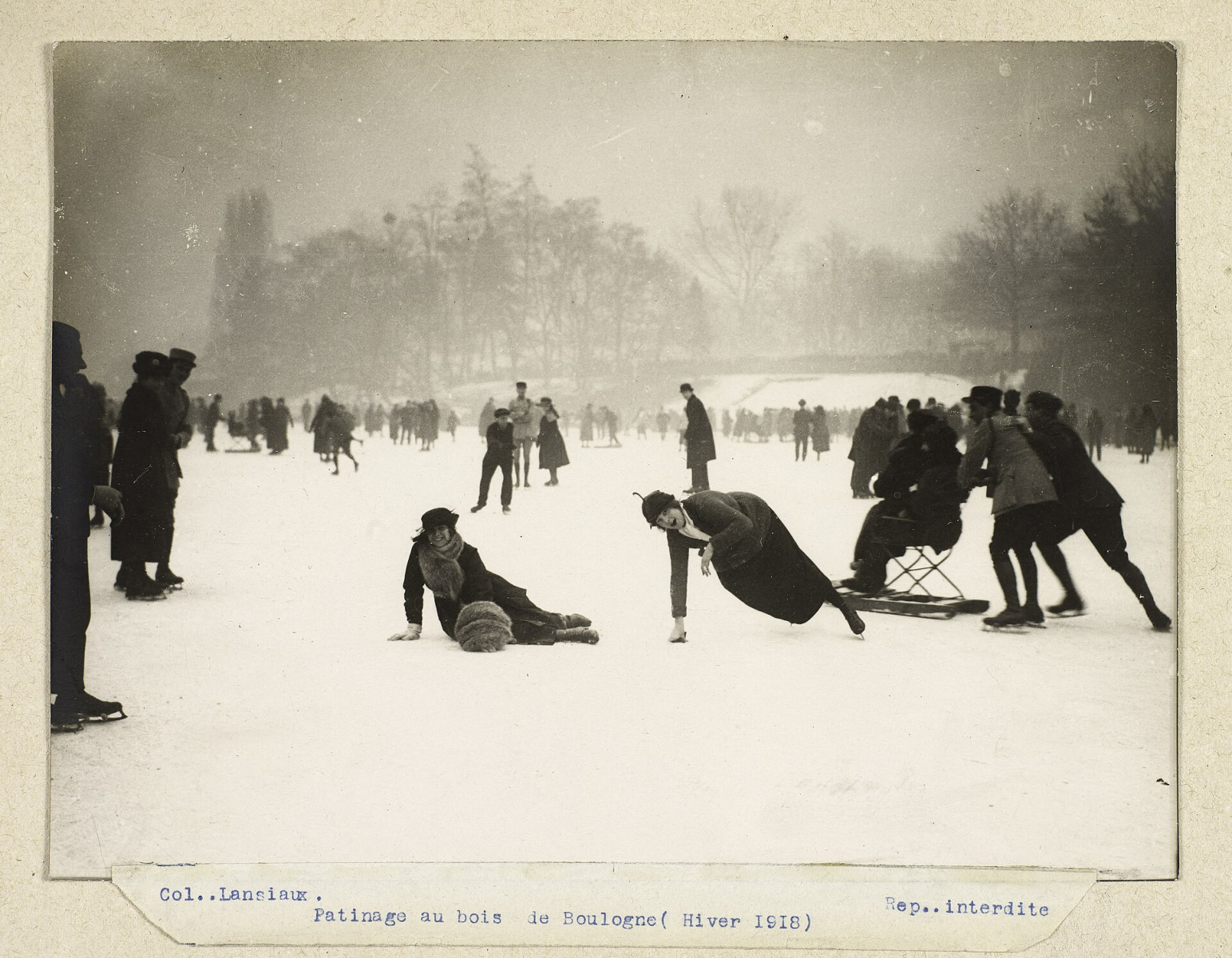
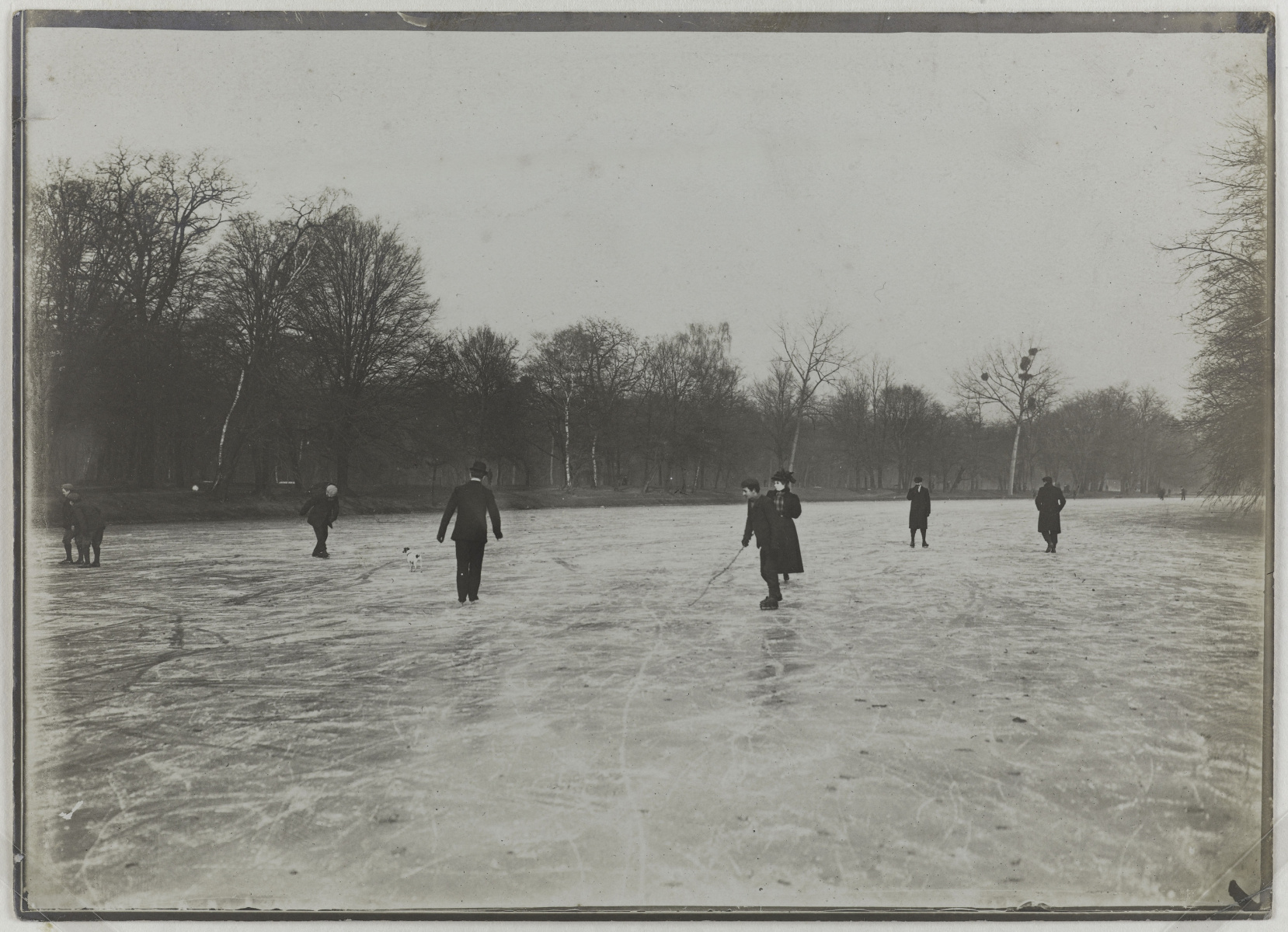
Long before artificial ice rinks took over the winter scene in Paris each December, the lakes of the Bois de Boulogne provided a magical setting for Parisians to enjoy skating. During the harshest winters, the water would freeze over, creating a smooth surface that became both a popular and stylish gathering spot. At that time, the woods, already landscaped under Napoleon III to offer a lush retreat for city dwellers, revealed a different face in winter. The lower lake, and sometimes the upper lake, turned into natural skating arenas, enchanting visitors with their transformed beauty.
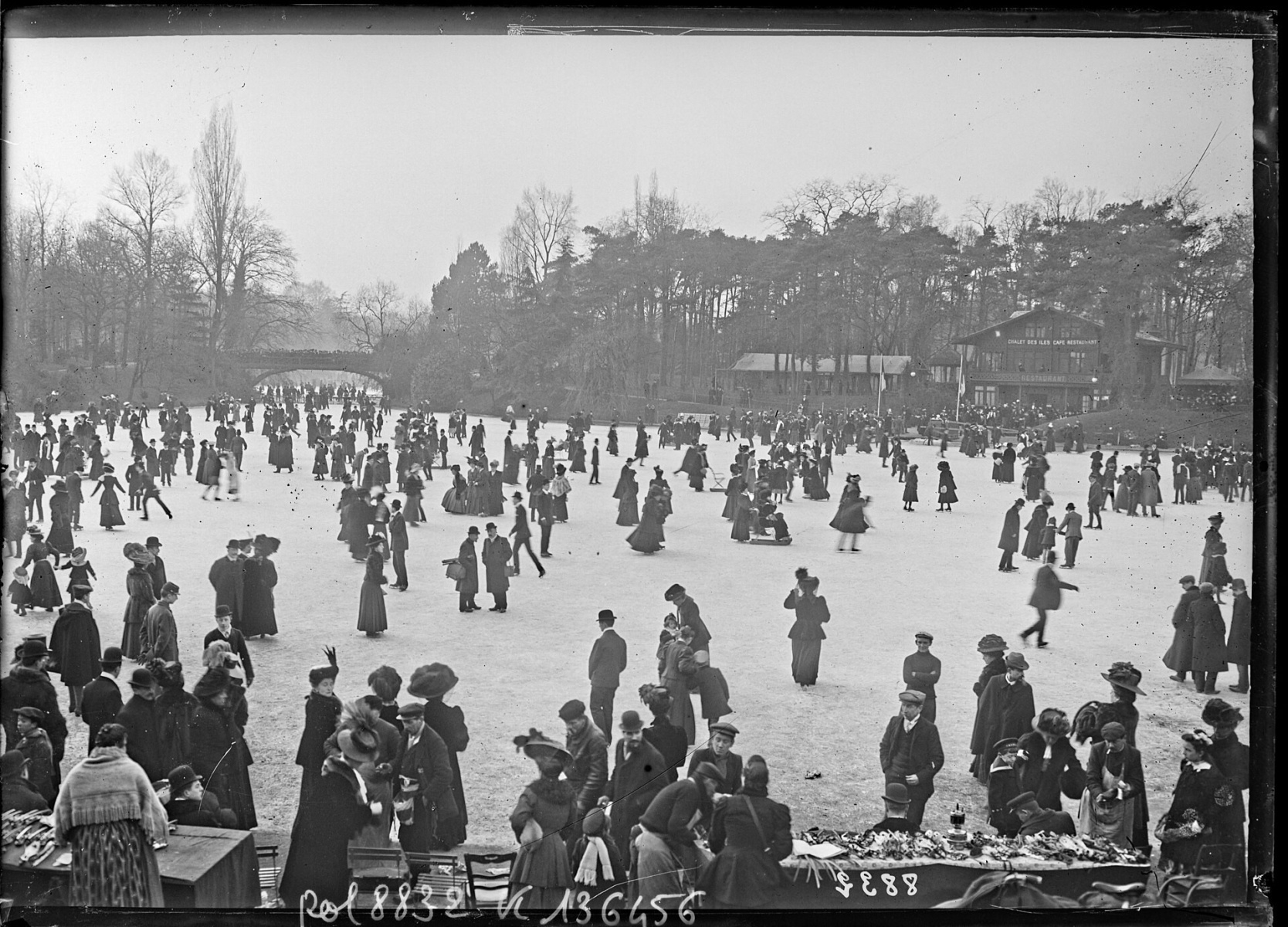
When the ice was thick enough, newspapers would herald the start of the skating season. It was an event that brought together a broad slice of Parisian society: families, stylish young adults, and excited children. Some spectators marveled at the skill of the skaters, while others simply came to enjoy the lively atmosphere and spectacle.
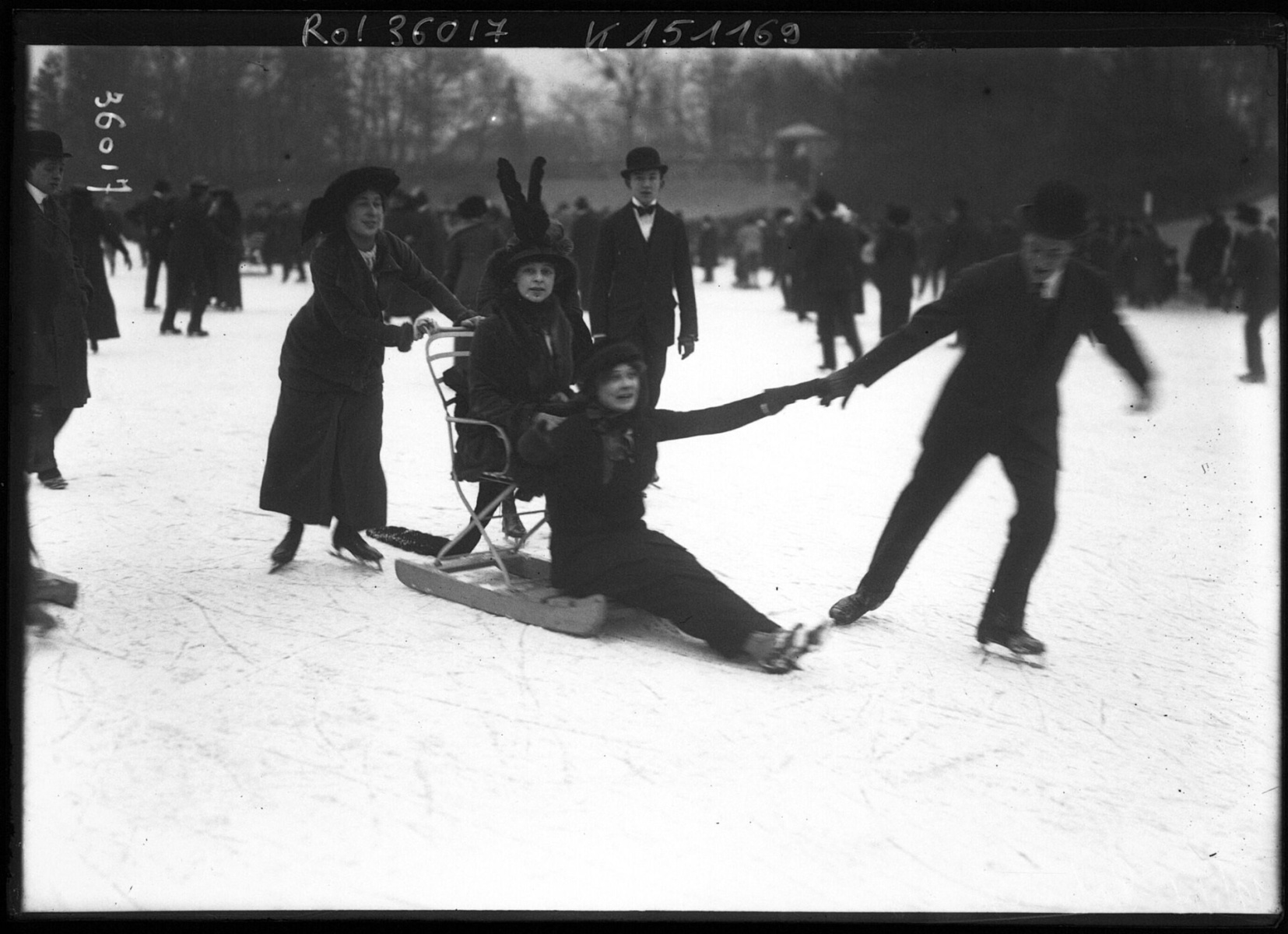
The ice skating on the lakes of the Bois de Boulogne was more than just entertainment — it was a true seasonal event. Occasionally, festivities would be organized, complete with lanterns, music, and a lively crowd. This vibrant and welcoming winter atmosphere brought together sport, leisure, and socializing in a unique celebration of the season.
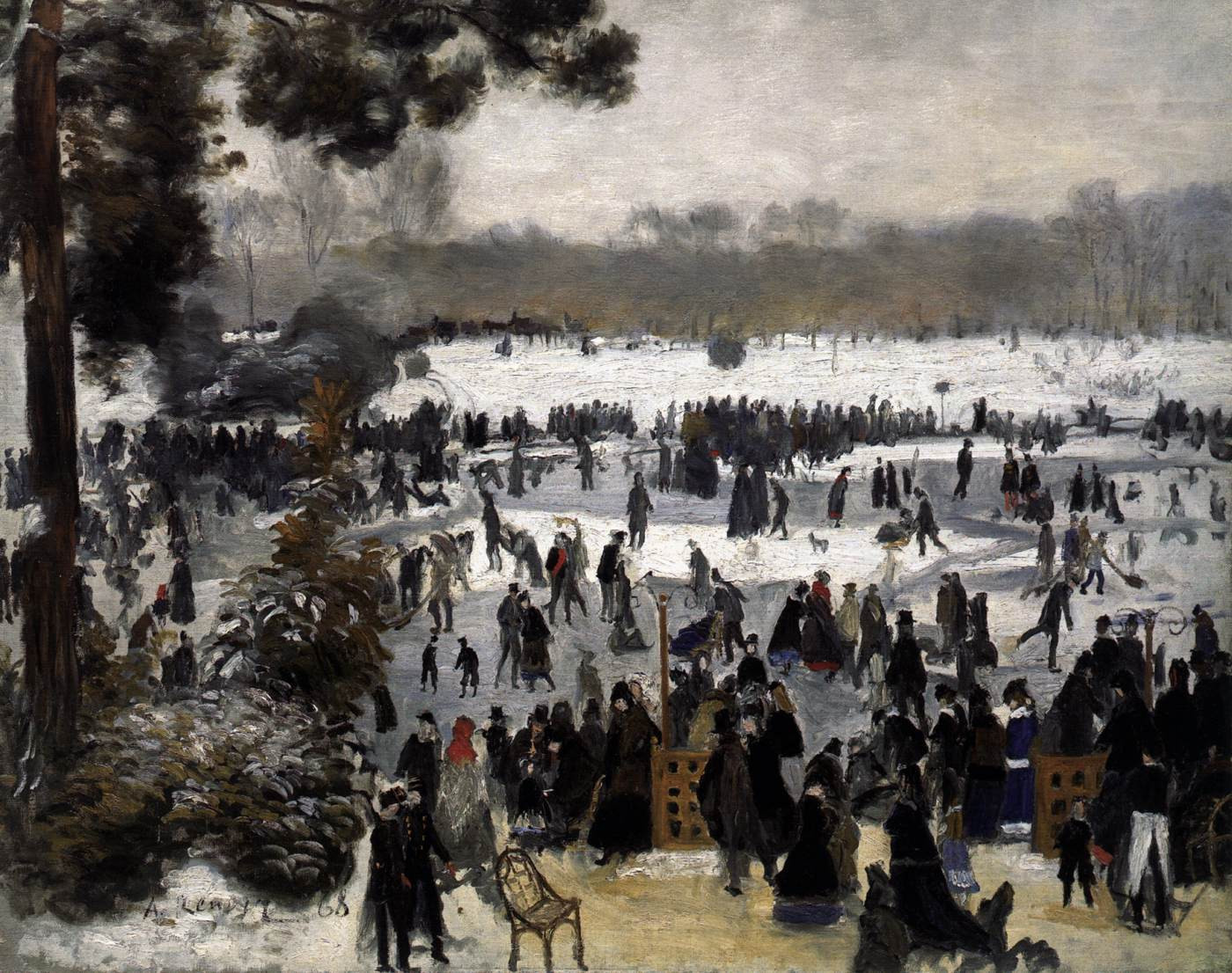
This tradition of ice skating on wooden rinks did not go unnoticed by artists. Pierre-Auguste Renoir, in particular, captured this unique atmosphere in an 1868 painting titled "Skaters at Longchamp," depicting skaters in the Bois de Boulogne. The artwork reflects how these winter activities had become embedded in Parisian imagination at a time when the seasons heavily influenced the city's rhythm.
Among the skating enthusiasts gathering at Bois de Boulogne, some belonged to a more structured group: the Cercle des Patineurs. Established in the late 19th century, this club brought together the most dedicated skaters, often from Paris’s high society. They practiced a refined, almost choreographed style of skating, inspired by dance traditions. When the winters were cold enough, members would meet dressed in elegant attire—sometimes even in uniform—to perform intricate figures on the ice. Their presence infused these chilly days with a touch of sophistication, transforming Bois de Boulogne from a simple leisure spot into a lively winter social arena.
Today, it’s hard to imagine . Winters are milder, the ice no longer holds, and safety regulations prevent such activities. Climate change, along with the changing landscape of urban leisure, has brought this tradition to an end.
This page may contain AI-assisted elements, more information here.