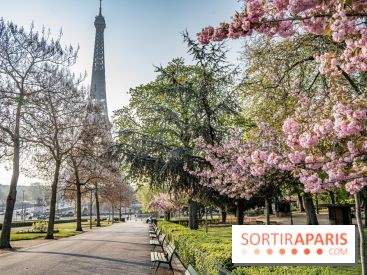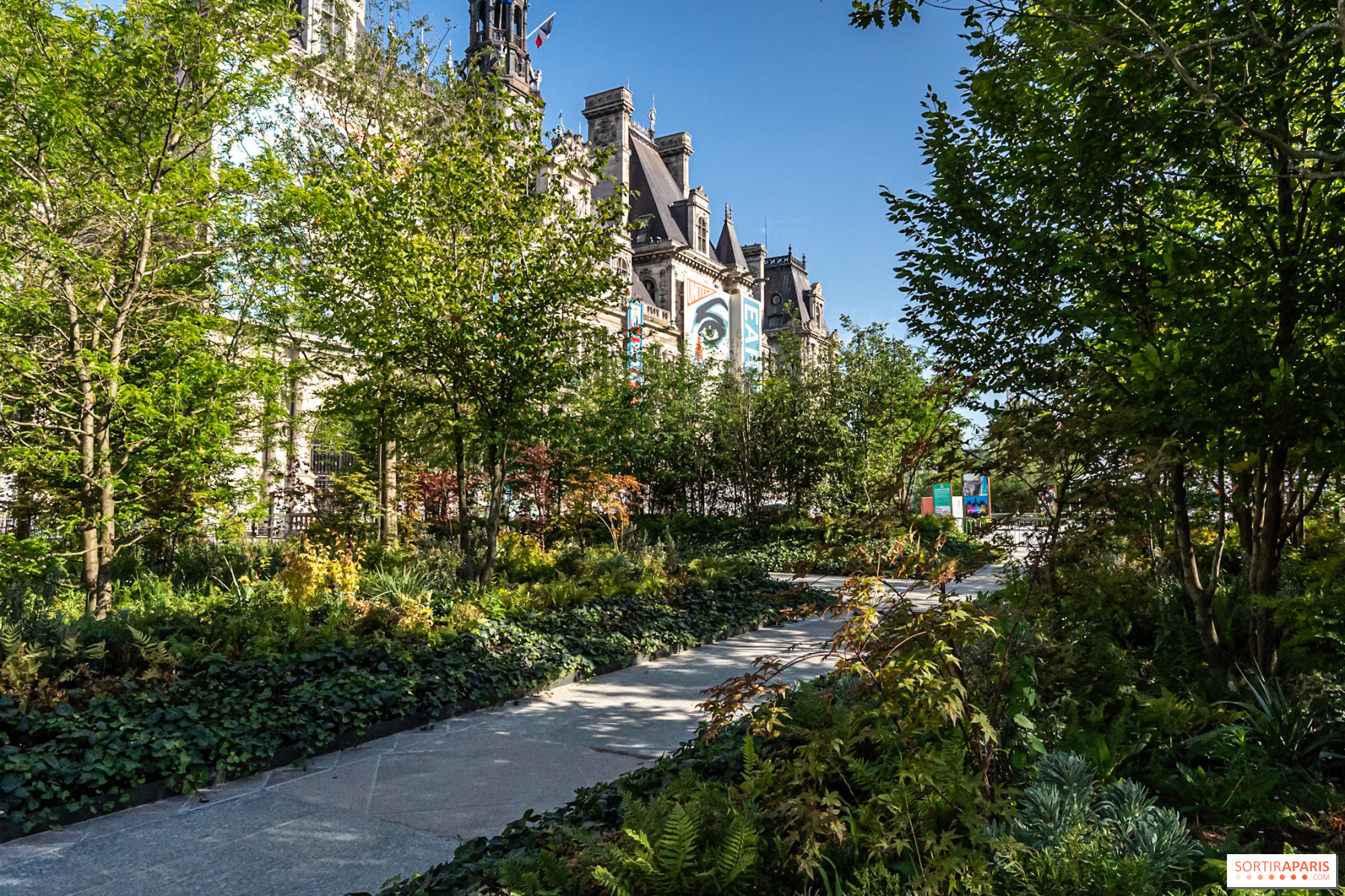
s the4th arrondissement of Paris and one of the capital's central districts. Here, you'll find a joyful mix of heritage and modernity. You'll encounter tourists admiringNotre-Dame or strolling alongÎle Saint-Louis, as well as trendy Parisians in search of the latest fashion gems in avant-garde concept stores.The Hôtel de Ville imposes its solemn silhouette, and around it, the narrow streets are full of creative boutiques, art galleries, and great places to eat that shake up the classics. It's a neighborhood that loves to surprise, where the old rubs shoulders with the avant-garde without ever stepping on each other's toes.
This is the 4th arrondissement that everyone knows. However, this district of the capital is full of surprising secrets and forgotten history. We'll take you on a journey to discover fun facts about the 4th arrondissement of Paris, including hidden details and original anecdotes. You can then share all these unusual facts with your friends and family and show them how the capital holds (almost) no secrets for you. This page is updated as we make new discoveries. So, are you ready to discover some surprising facts about this Parisian spot?


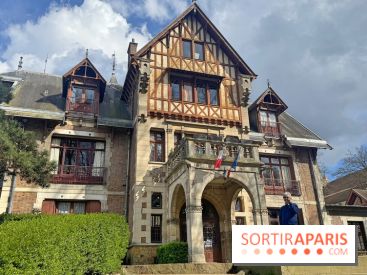
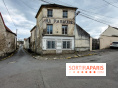
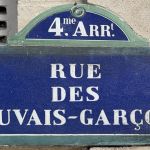 Why is Paris’s Rue des Mauvais Garçons called that?
In the heart of the Marais, Mauvais-Garçons Street intrigues as much as it amuses. But what's behind this unusually quirky street name in Paris? [Read more]



 Did you know? The expression "to wait 107 years" is linked to the cathedral of Notre-Dame de Paris.
"We're not going to wait a hundred and seven years!"This typically French expression, as grumpy as it is exaggerated, has its roots in medieval Paris. Between dust and hammers, it comes from the interminable construction site of Notre-Dame de Paris, where the wait put Parisians' legendary patience to the test. [Read more]



 Did you know? France's roads start at ground zero, in front of Notre-Dame de Paris.
Paris' long history gives it a number of advantages, not least that of being the starting point for all the roads in France. It has been the country's capital for centuries, and is home to ground zero, located on the forecourt of Notre-Dame Cathedral. [Read more]



 Did you know? The expression "faire la grève" ("go on strike") originated in Paris... in front of the Hôtel de Ville.
Did you know? The expression "faire la grève" (to go on strike) originated in Paris, on what is now the Place de l'Hôtel de Ville. Before evoking a demand, it referred to an open-air quest for work by unemployed workers. Discover the astonishing history of this phrase that has become part of everyday language. [Read more]



 Did you know? There used to be a morgue on the Ile de la Cité, and it was a real public attraction.
In the 19th century, the morgue on Quai de l'Archevêché became a morbid and popular showcase, where anonymous corpses in search of identity attracted thousands of curious onlookers behind glass. A place as astonishing as it is disturbing, when death was a showcase on Paris's Île de la Cité. [Read more]
 Did you know? Why is the Marais district in Paris called Le Marais?
Beneath its cobbled streets and private mansions, the Marais hides an unexpected past. Before it became one of Paris's most fashionable districts, it was a vast marshland crossed by ancient branches of the Seine ... [Read more]
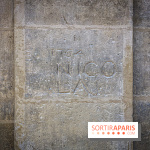
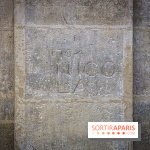

 Did you know? This graffiti, dating from 1764 on the Place des Vosges, is the oldest in Paris.
Here's an amusing Paris anecdote! In the Marais district, on the Place des Vosges, you'll find the oldest graffiti in the capital... Did you know that? You do now! But what does it say? When was it done? Discover its history! [Read more]



 Notre-Dame de Paris: what is the cathedral treasure and where is it kept?
Like many religious sites, Notre-Dame de Paris Cathedral is home to a special treasure trove. Discover the precious and sacred objects preserved in the heart of the monument. [Read more]
This page may contain AI-assisted elements, more information here.