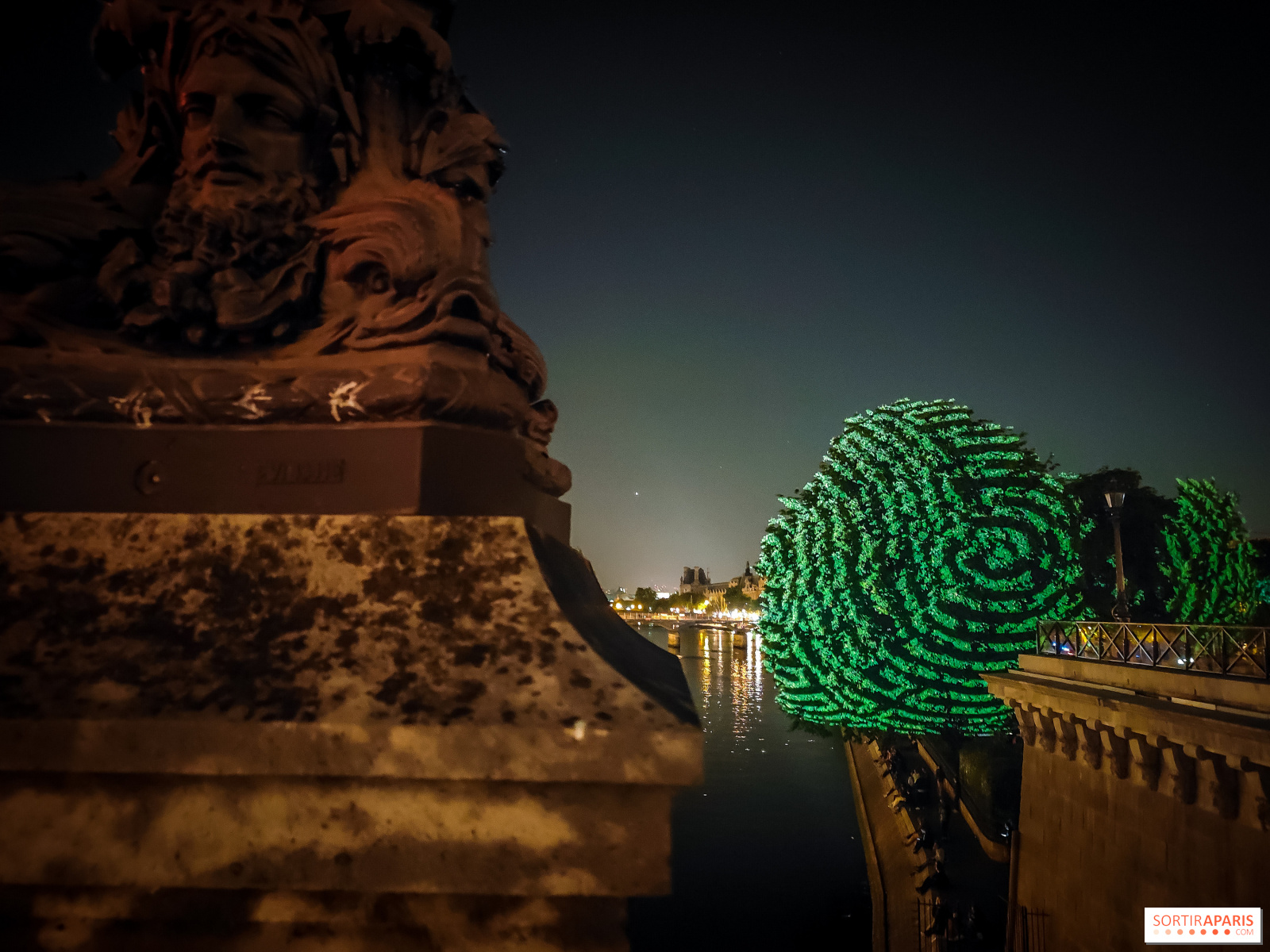
Imagine a place where death strutted its stuff, on display for all to see in the heart of Paris... Such was the morgue on Quai de l'Archevêché in the 19th century.
This former municipal morgue, set up on the tip of theIle de la Cité to help identify anonymous bodies, was in fact public and quickly became a real tourist attraction for Parisians.
Originally, the anonymous corpses were displayed in the Châtelet prisons from 1804, before being moved to the Quai du Marché-Neuf to facilitate identification.
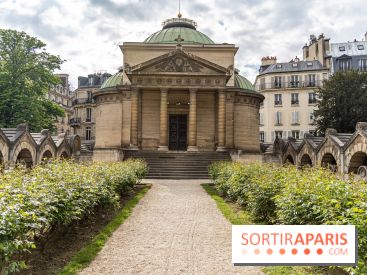
In 1864 (or 1868, depending on the source), Baron Haussmann commissioned the construction of a building resembling a small Greek temple on the eastern tip of the Île de la Cité, on the site of today's Square de l'Île-de-France: the famous morgue on the Quai de l'Archevêché.
The building comprised a central body and two wings: one dedicated to the clerk's office and the other to autopsies, body washing, magistrates' chambers and the amphitheater.
In the center, the exhibition room displayed the bodies on sloping tables - often made of black marble - visible through a large pane of glass, sometimes cooled by a trickle of water or by a refrigeration system, depending on the era. Visitors could then stare at the corpses - which were on display for an average of three days - and examine the deceased's clothes, hanging by his or her side, in the hope of recognizing some of them.
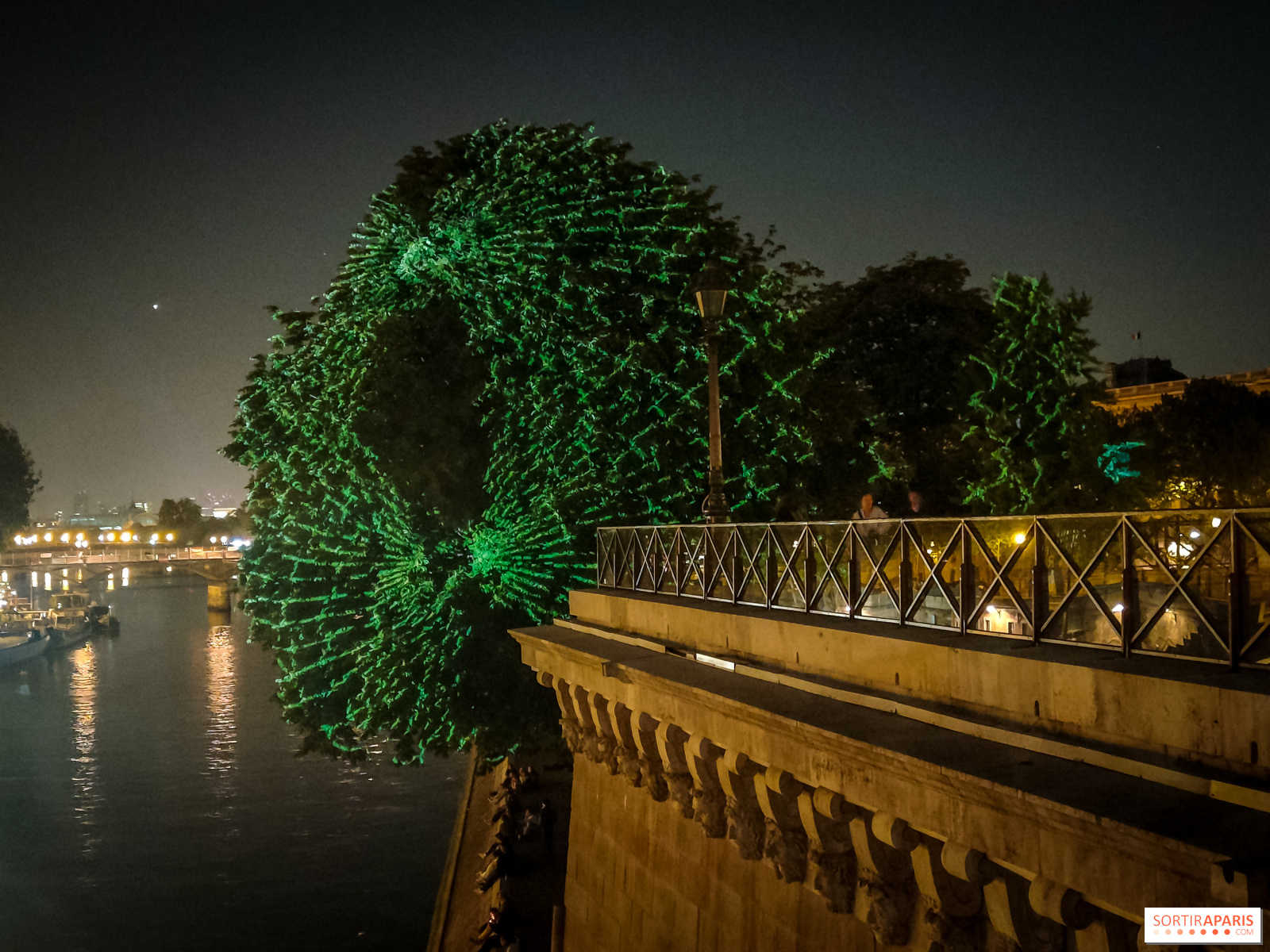
In the 19th and early 20th centuries, the morgue on the Quai de l'Archevêché quickly becameone of the most popular places to visit in Paris. Every day, up to 40,000 curious onlookers from all walks of life - workers, bourgeois, travelers - came to observe this morbid spectacle.
Some bodies, like that of a little girl discovered on rue du Vert-Bois in August 1886, attractedhuge crowds, to the point where the police had to regulate access. Émile Zola himself drew inspiration from this in Thérèse Raquin, evoking this "representation of death" accessible to all, where the public applauded or whistled as in a theater.
But towards the end of the 19ᵉ century, the practice came under fire from public opinion and the press for its immorality, the vulgarity of this theatrical staging of death and its effects on public sensitivity. Such a practice was in fact opposed to respect for the deceased and funeral rites. All the more so as identifications were not that numerous (only less than 20% were recognized)!
In March 1907, Prefect Louis Lépine issued a decree forbidding public access to the morgue, citing "moral hygiene" and arguing that such an exhibition of corpses was above all a matter of morbid "curiosity" . From then on, only those with special authorization could enter the morgue on Quai de l'Archevêché.
Eventually, the morgue in 1923 was replaced by theInstitut médico-légal de Paris, located quai de la Rapée in the 12ᵉ arrondissement, and a square was laid out on its former site - today the Square de l'Île-de-France, bordered by the Mémorial des martyrs de la déportation.
On the trail of Paris's most notorious criminals and serial killers
Follow in the footsteps of Paris's most notorious criminals and serial killers, in our company. From Landru to Guy Georges, the "killer of Eastern Paris", not forgetting Doctor Petiot and the Cabard and Miquelon duo, discover the dark side of the capital over the centuries and along the streets. [Read more]



 On the trail of Paris's most notorious criminals and serial killers