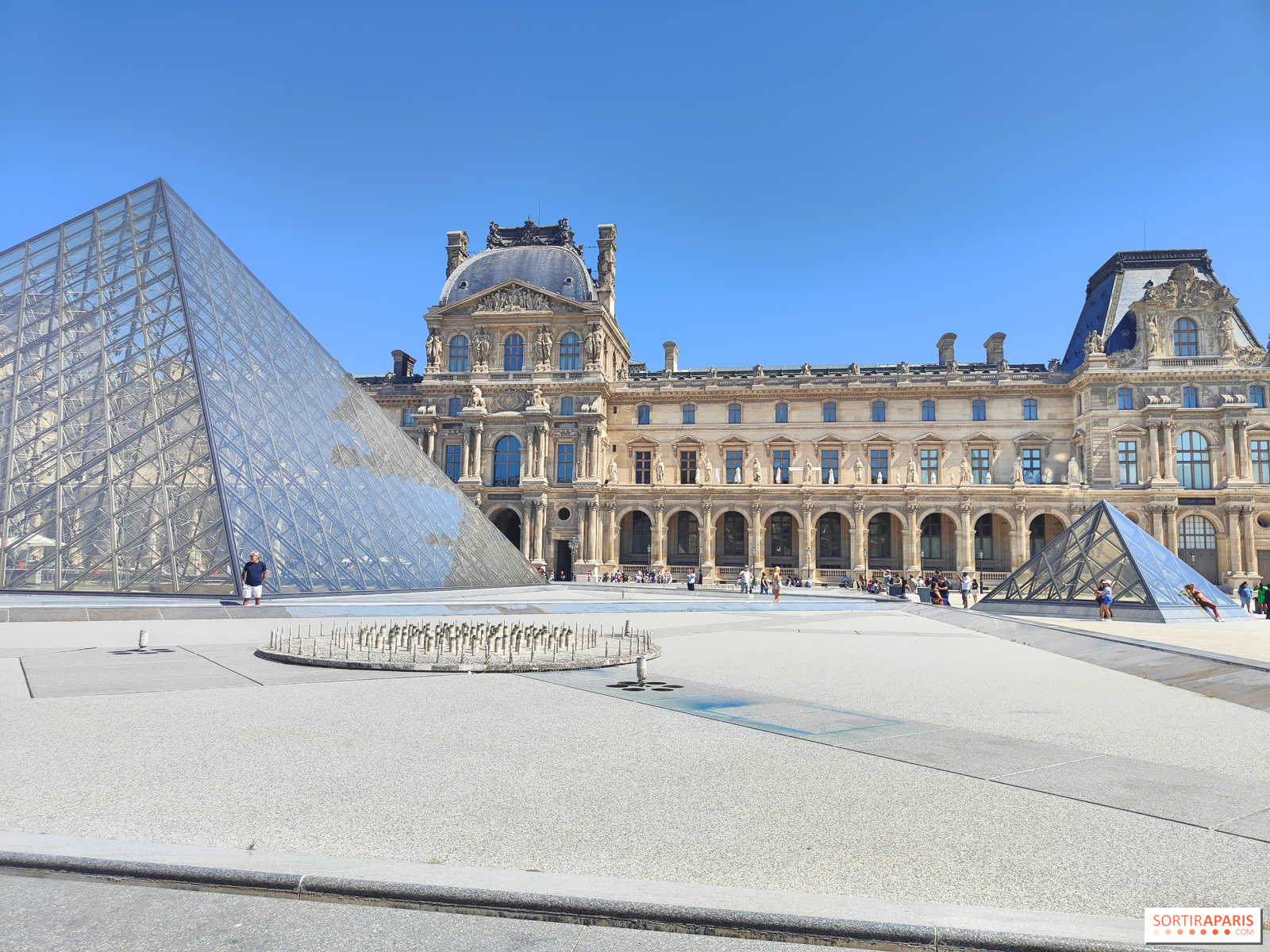
The 1st arrondissement, also known as the Louvre arrondissement, offers some of the most iconic views of Paris. Crossed by the Seine and straddlingthe Île de la Cité, which it shares with the 4th arrondissement, this central location in the capital takes us straight to the Paris of tourists, the Paris of our dreams. Although it is the smallest arrondissement in Paris, it is also home to some of the city's greatest monuments, includingthe unmissable Musée du Louvre, one of the most famous museums in the world, the Sainte-Chapelle with its thousand stained-glass windows, Conciergerie, where Marie-Antoinette, and Louis XVI were held during the French Revolution, and of course the iconic Tuileries Garden that runs along Rue de Rivoli, as well as the Palais-Royal and its beautiful green setting.
Think you've seen everything there is to see in the 1st arrondissement? Behind this historic neighborhood lie secrets and fun facts that may still surprise you and will probably make you see it in a new light. That's why we're revealing some unusual facts about Paris's 1st arrondissement that you can share with your friends and family during your trips to Paris!

 Did you know? In the 19th century, facing the Louvre, grand department stores drew shoppers from all over Paris.
In the 19th century, right opposite the Louvre, a massive commercial temple captured the imagination of Paris. Situated on Rue de Rivoli, this iconic department store revolutionized the shopping habits of the fashionable elite, turning what was once a simple transaction into a social outing. After disappearing for a time, it eventually reemerged in new forms, maintaining its place as a symbol of Parisian elegance and commerce. [Read more]



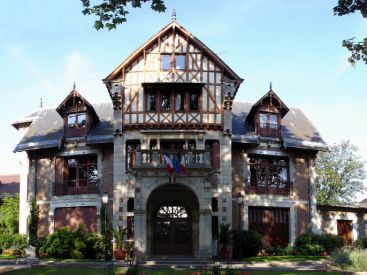
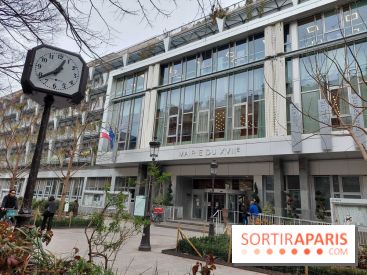
 The architecture of this district town hall in Paris is inspired by that of a church.
The former town hall of the 1st arrondissement of Paris boasts a surprisingly striking architecture for a City Hall: it is directly inspired by that of the nearby Church of Saint-Germain l'Auxerrois, which stands adjacent to it. [Read more]
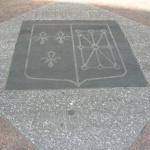
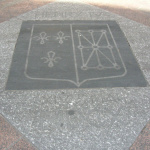
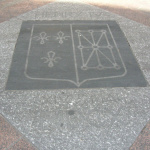
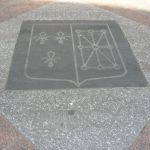 Did you know? This carved cobblestone in the heart of Paris marks the site of a regicide.
At the corner of Rue de la Ferronnerie in the 1st arrondissement of Paris, a discreet carved paving stone commemorates the assassination of King Henry IV on May 14, 1610: a detail that many passersby walk past without even noticing, yet it is the site of a crucial episode in French history. [Read more]
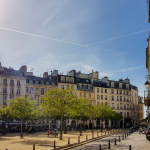
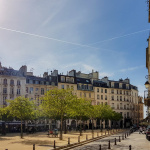
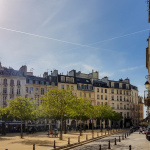
 Did you know? Here's why this square is known as the "sex of Paris".
Place Dauphine is one of Paris's most emblematic landmarks. Did you know that it's nicknamed the "Sex of Paris"? We'll tell you why. [Read more]



 The Red Man of the Tuileries, a paranormal legend at the heart of the famous Parisian garden
Have you heard the legend of the Red Man of the Tuileries, the ghost who roamed the Tuileries Palace and its gardens in Paris? Let us tell you this paranormal story! [Read more]



 Did you know? The Jardin des Tuileries is open to the public thanks to... Charles Perrault!
Opened to the public thanks to the tenacity of a certain Charles Perrault, the Tuileries Gardens owe a great deal to this storyteller. Behind his work, he is also the defender of a Paris where art and nature are shared by all. [Read more]
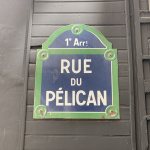
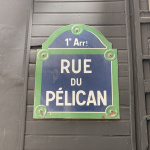
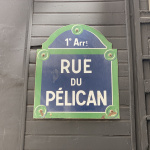
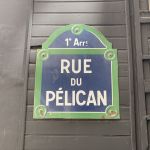 Why is rue du Poil-au-Con now called rue du Pélican in Paris?
In Paris, rue du Pélican, located in the 1st arrondissement, hides a sulphurous past: in the Middle Ages, it was called rue du Poil-au-Con, because prostitution was legalized under Saint-Louis. That's our story for today! [Read more]



 Did you know? This is the oldest clock in Paris and its fascinating history.
Do you know the oldest public clock in Paris, still in operation? Mounted on the walls of the Conciergerie in the heart of the Ïle de la Cité, this clock has been telling the time since 1371. Commissioned by Charles V, the clock marks the king's time. This public clock, still in operation today, embodies six centuries of history and impressive mechanics, we tell you. [Read more]



 Did you know? This small cannon in the garden of the Palais-Royal was used as a clock in the 18th century.
The capital really is full of little curiosities, not least in the gardens of the Palais-Royal, where a small cannon takes pride of place. Between 1786 and 1911, it was used not as a weapon, but as a clock! Find out how. [Read more]



 Did you know? Why is the Tuileries metro station green?
Since June 2023, the Tuileries station on line 1 of the Paris metro has been astonishing with its verdant decor, the work of Cyprien Chabert echoing the Jardin des Tuileries. Note that this decoration is ephemeral and will remain in place until 2030. [Read more]