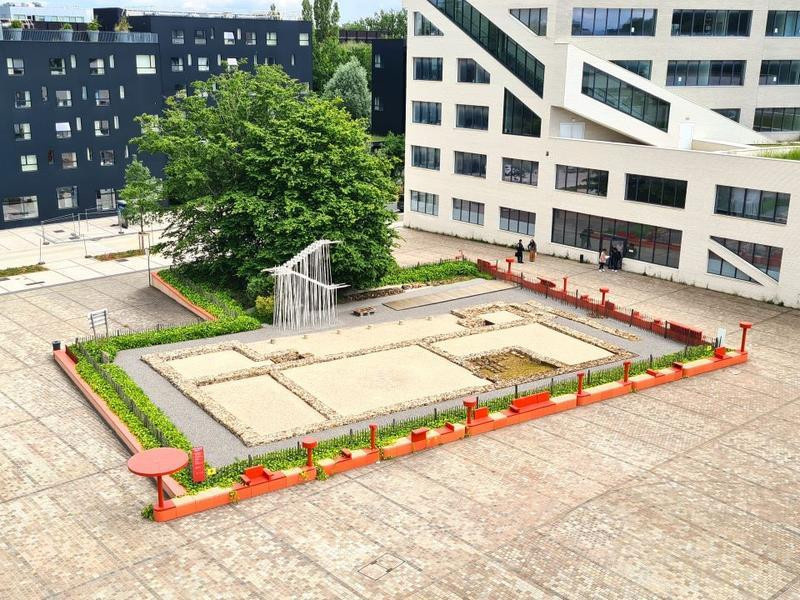
Between Orsay and Gif-sur-Yvette, in the shadow of the futuristic buildings of Paris-Saclay, lies an unsuspected archaeological treasure: the Gallo-Roman villa of Moulon. Officially christened « La Mare Champtier », this agricultural estate dating from the 1st to 3rd century AD was uncovered during the construction of the Maison de l’ingénieur. Thanks to excavations carried out between 1994 and 2019, the secrets of this ancient dwelling are being revealed for free or during guided tours like this Saturday, June 6, 2026.
The site sheds light on how the era was organized, with remains revealing pottery, tools, bone or metal adornments, coins, glassware, and fragments of wall paintings, at the heart of this masterpiece of an ancient agricultural estate. On the floor, researchers even uncovered a floor-heating system, a hypocaust, and a water inlet—remarkable modernity for its time.
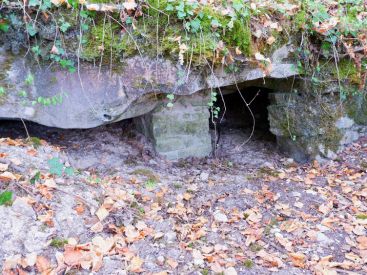
Don't expect to wander through ancient ruins; these are ground archaeological remains. Reading the site requires a bit of imagination and careful listening to the guide, or consulting the freely accessible information panels to visualize the original scale. Moreover, the remains are outdoors, so plan your clothing according to the weather.
The opportunity to get a feel for Saclay's millennial history, for local-history enthusiasts, knowing that it is the only visible example of its kind in the southwest of the region and the sole archaeological site located on a university campus in France.
Location
Place Hubert Coudane
91400 Orsay
Prices
Free
Official website
www.destination-paris-saclay.com