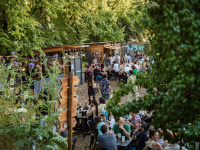
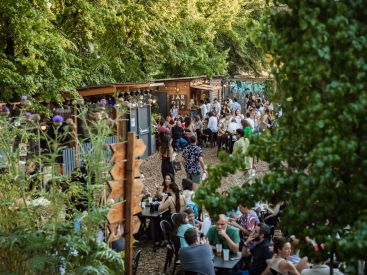
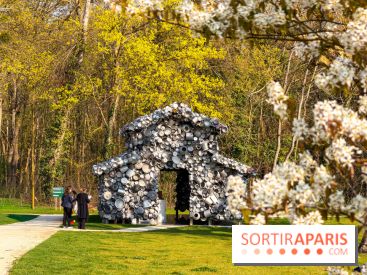
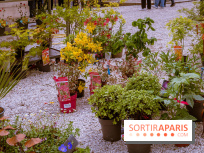
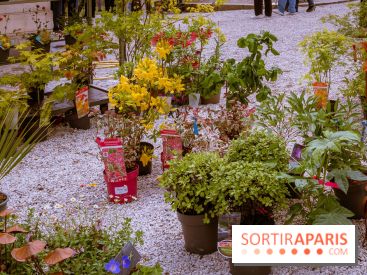
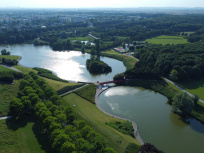
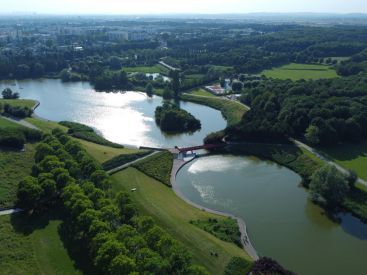
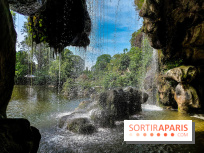
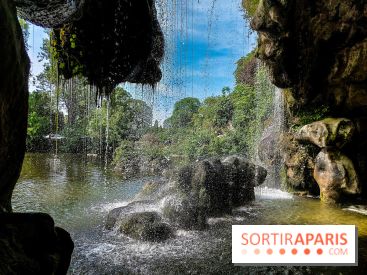
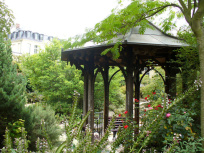
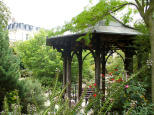
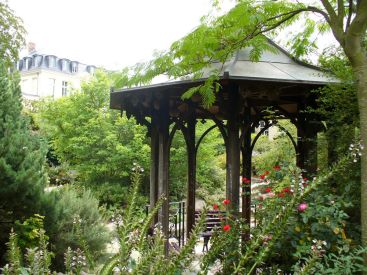
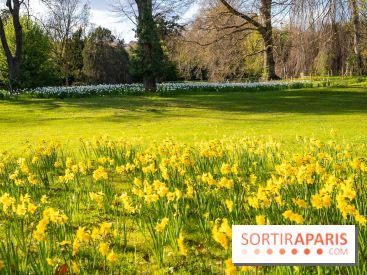
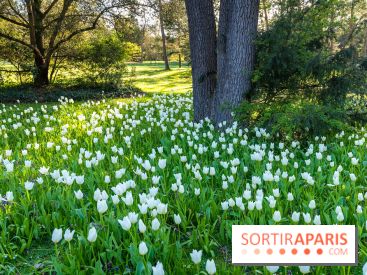
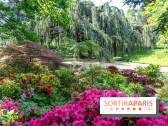
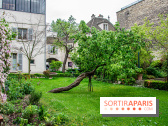
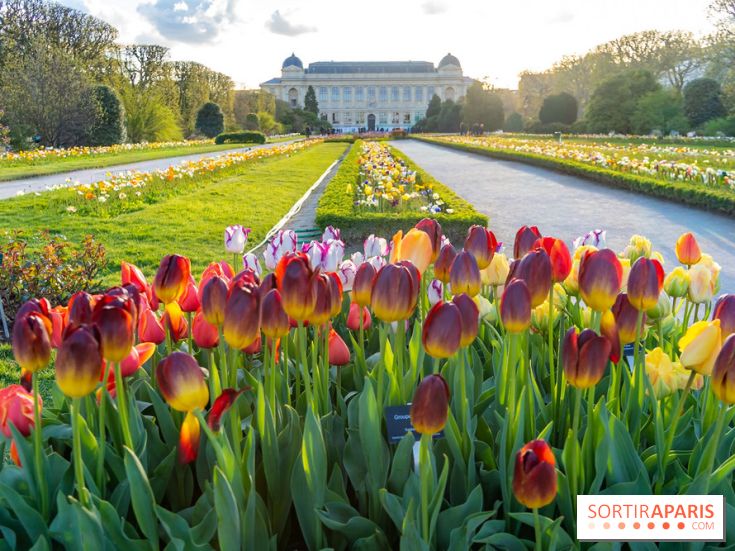
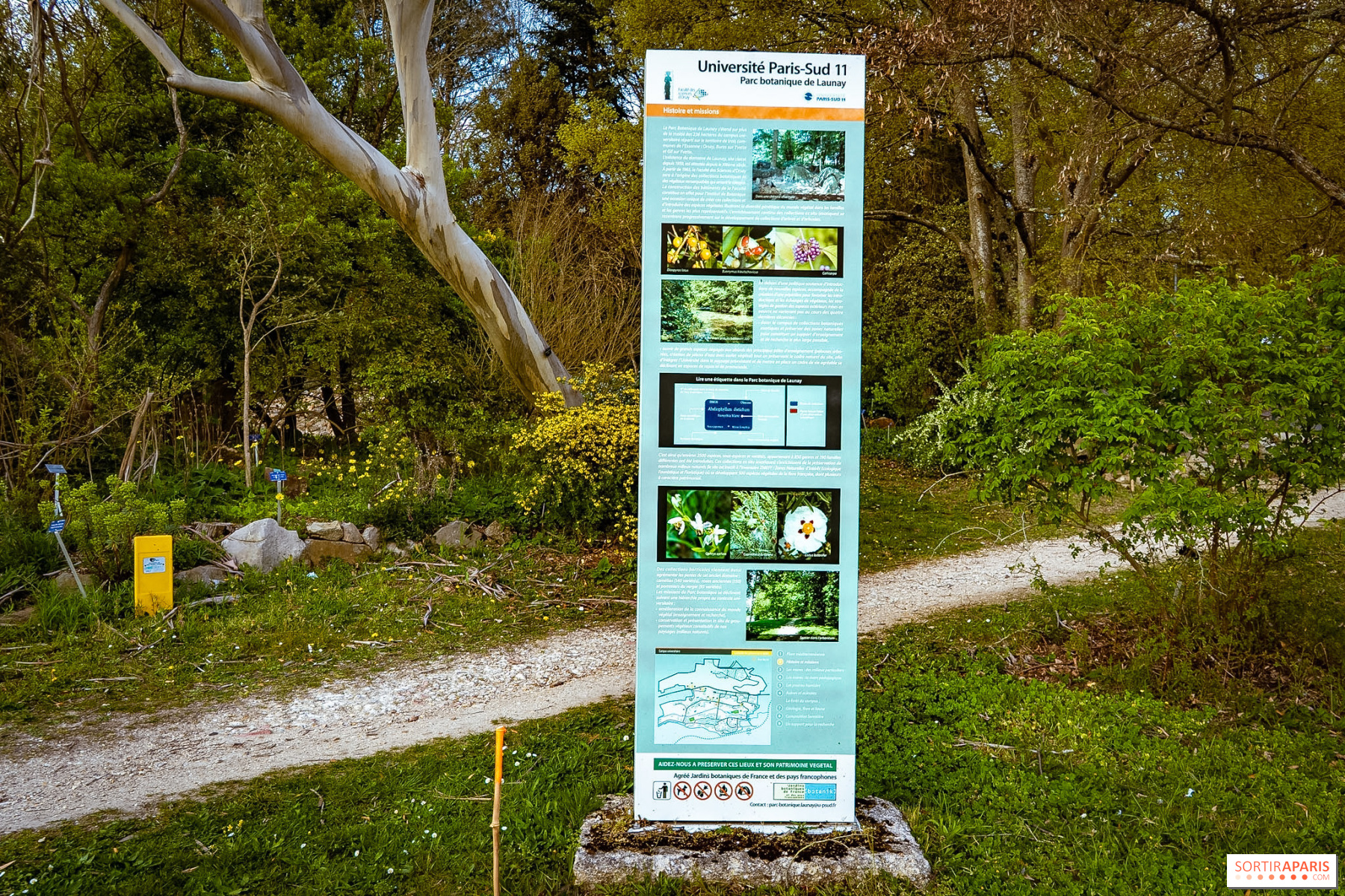
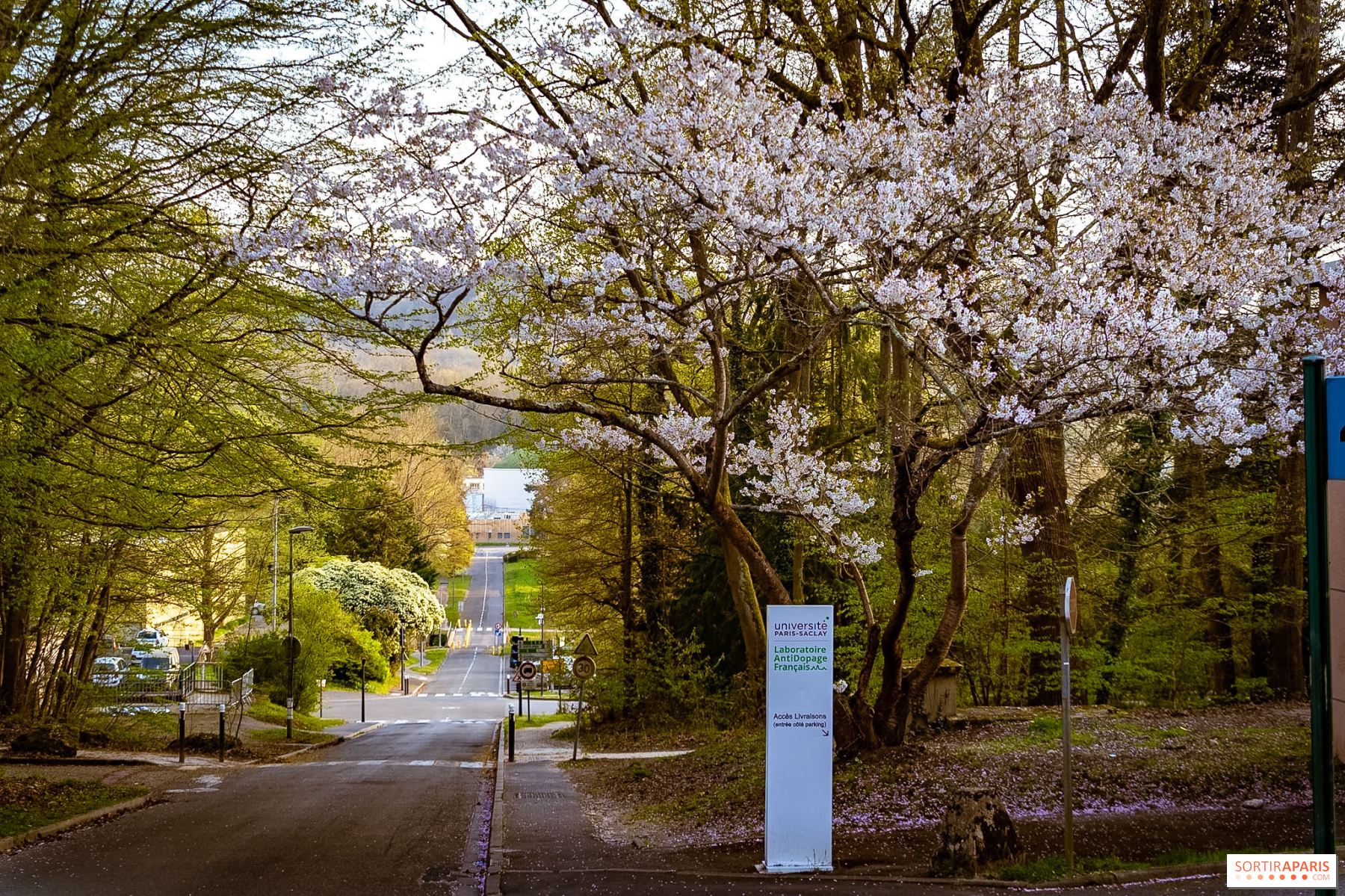
Situated about thirty kilometers south of Paris, the Launay Botanical Garden tucked away within the University of Paris-Saclay in Orsay (Essonne) holds many surprises for those who venture through its gates. Spanning 90 hectares, this park, recognized as a Botanical Garden of France and Francophone Countries since 2001, boasts nearly 3,000 plant taxa from all five continents, all accessible free of charge year-round. An off-the-beaten-path gem to add to your list of must-see green spaces in Île-de-France.
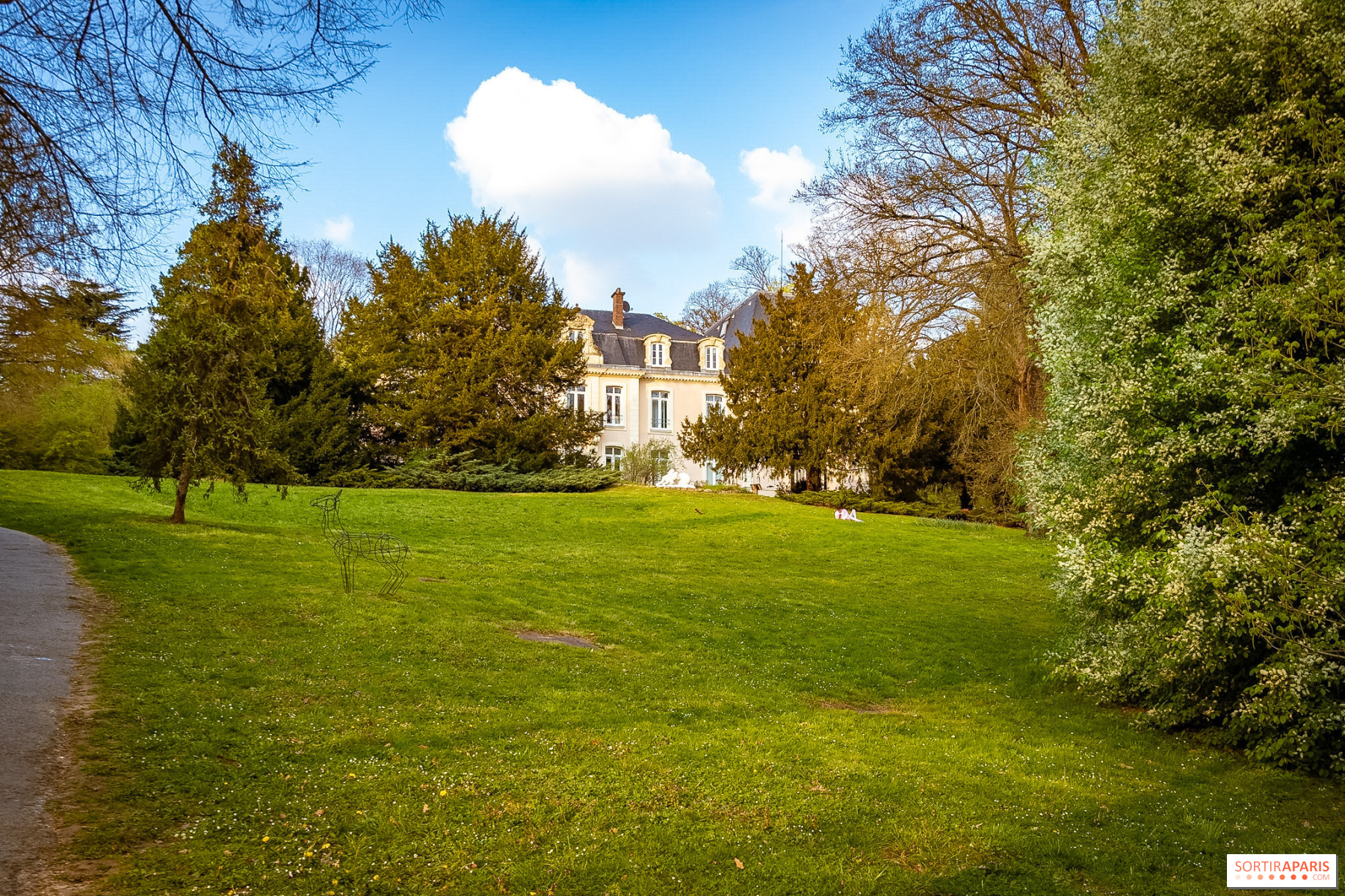
The earliest references to the Launay estate date back to the 13th century, when it was home to numerous water mills that contributed significantly to the fortunes of local lords. Over the centuries, it changed hands multiple times, often passing to wealthy owners such as Antoine de Valles, an advisor to King Louis XIII. The real turning point came in the 20th century: in 1955, Frédéric and Irène Joliot-Curie decided to build the Institute of Nuclear Physics there, which later became part of the University of Paris. The Orsay Faculty of Science was officially established in 1965. It was at this time that natural science teachers began planting the seeds for a collection that has continued to grow ever since. In 2010, the garden received the “National Collection” label for its Sisyrinchium collection, research that has helped deepen our understanding of pollination evolution in this group of plants.
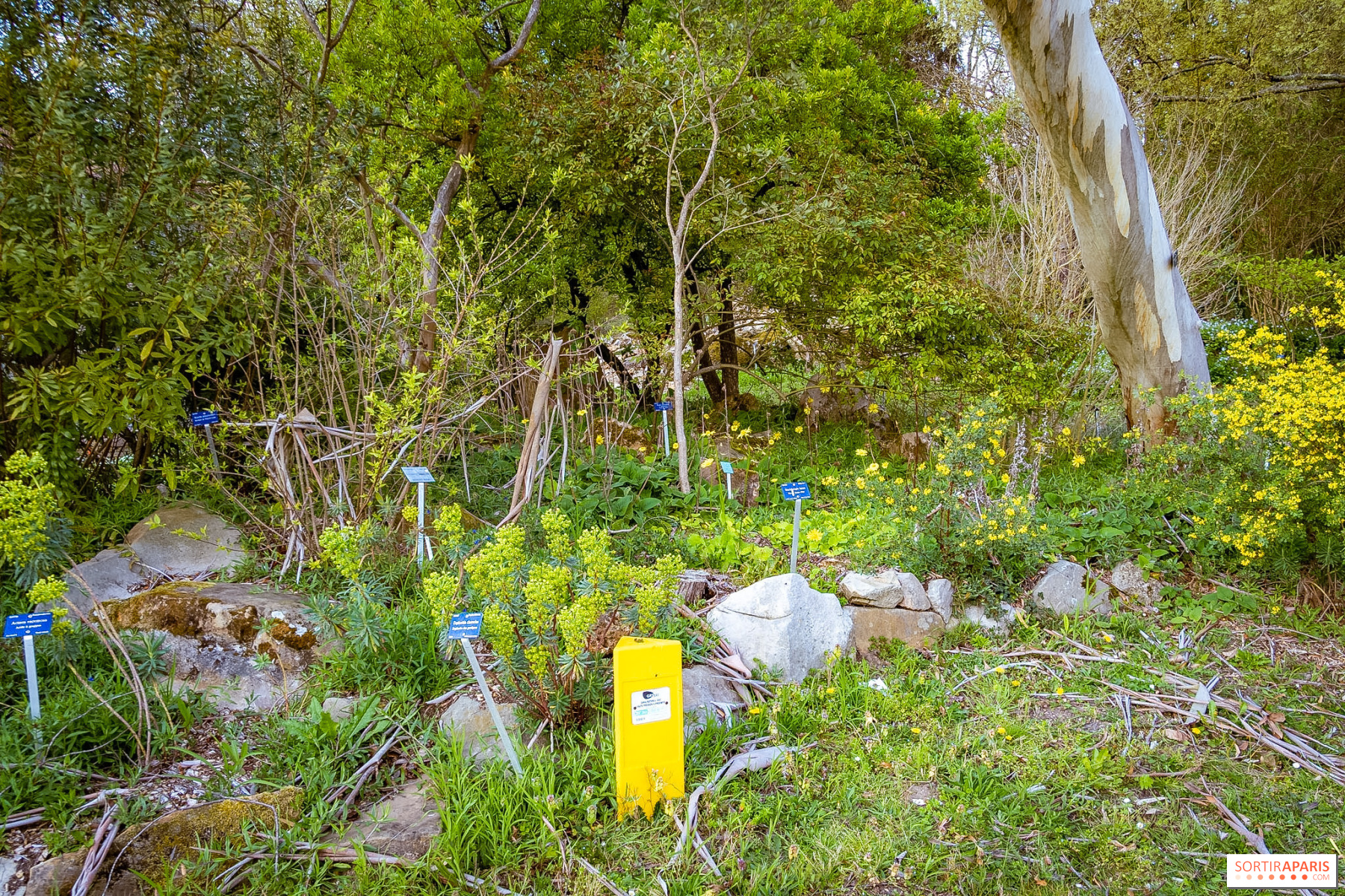
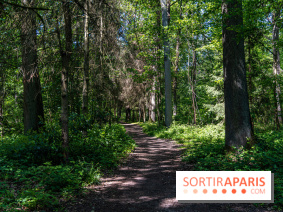
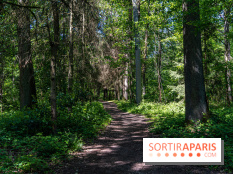
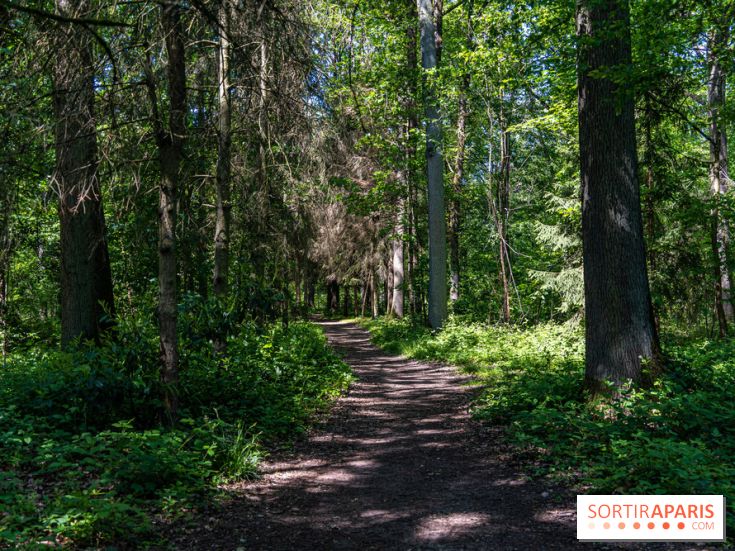
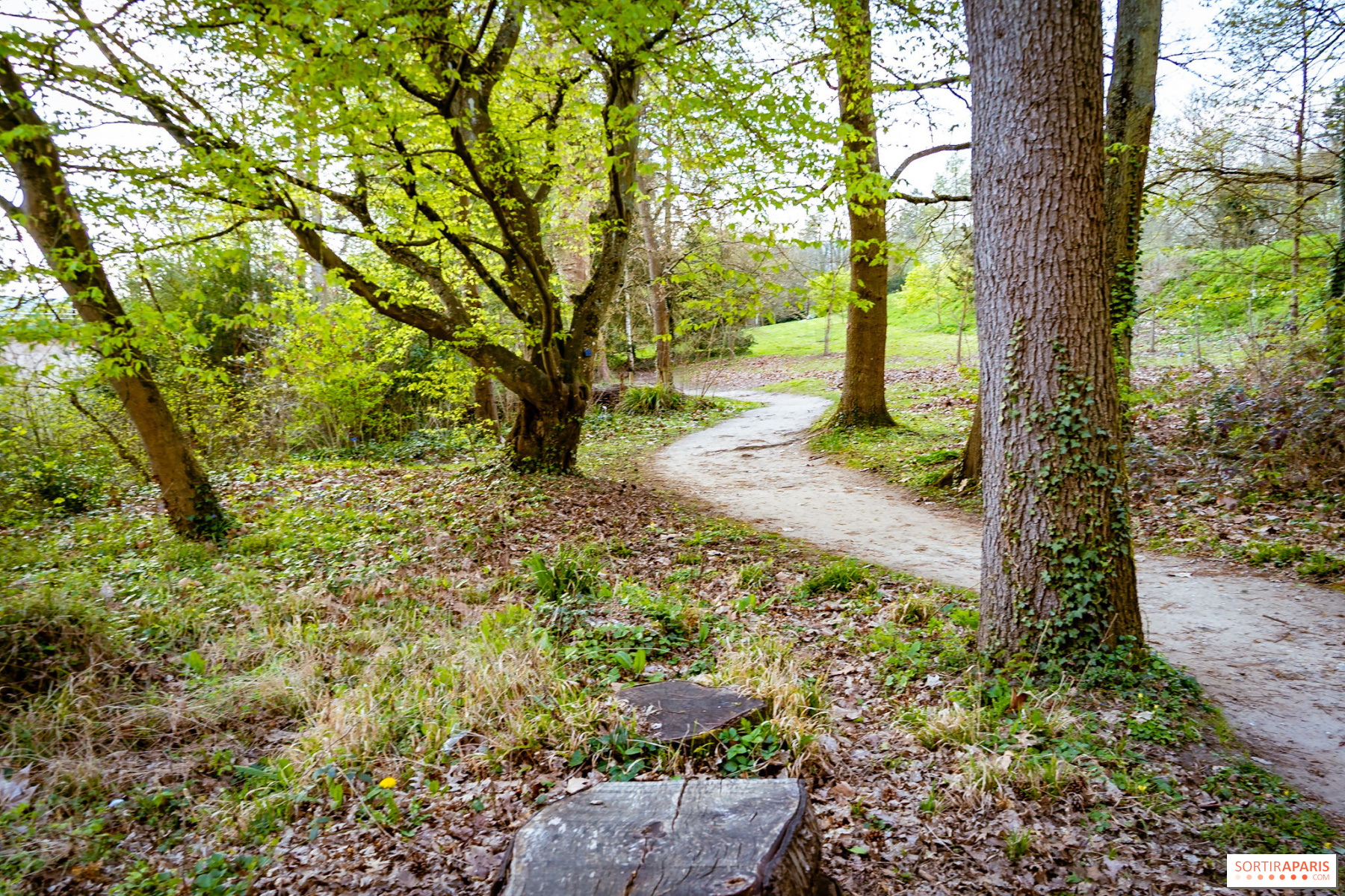
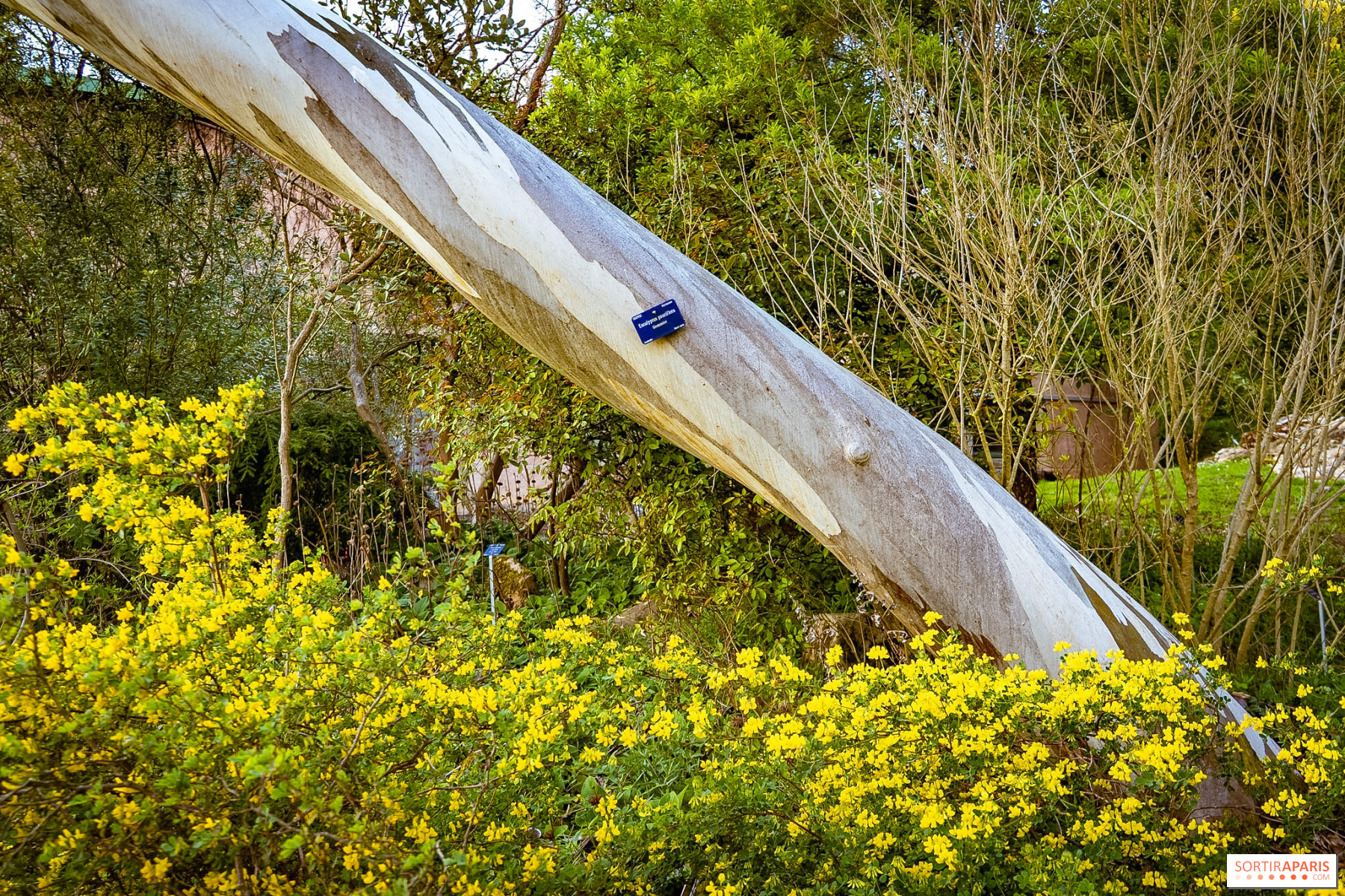
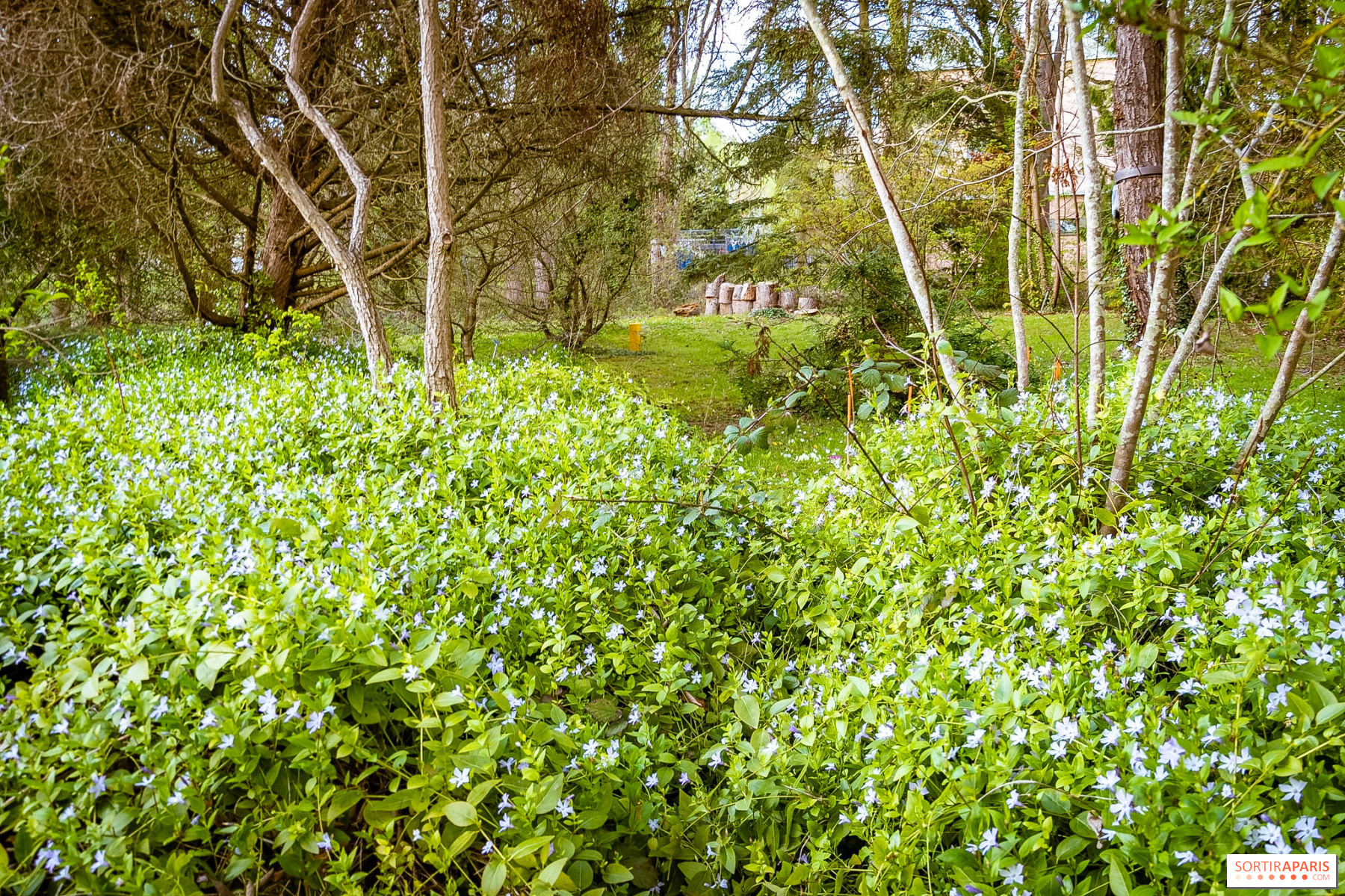
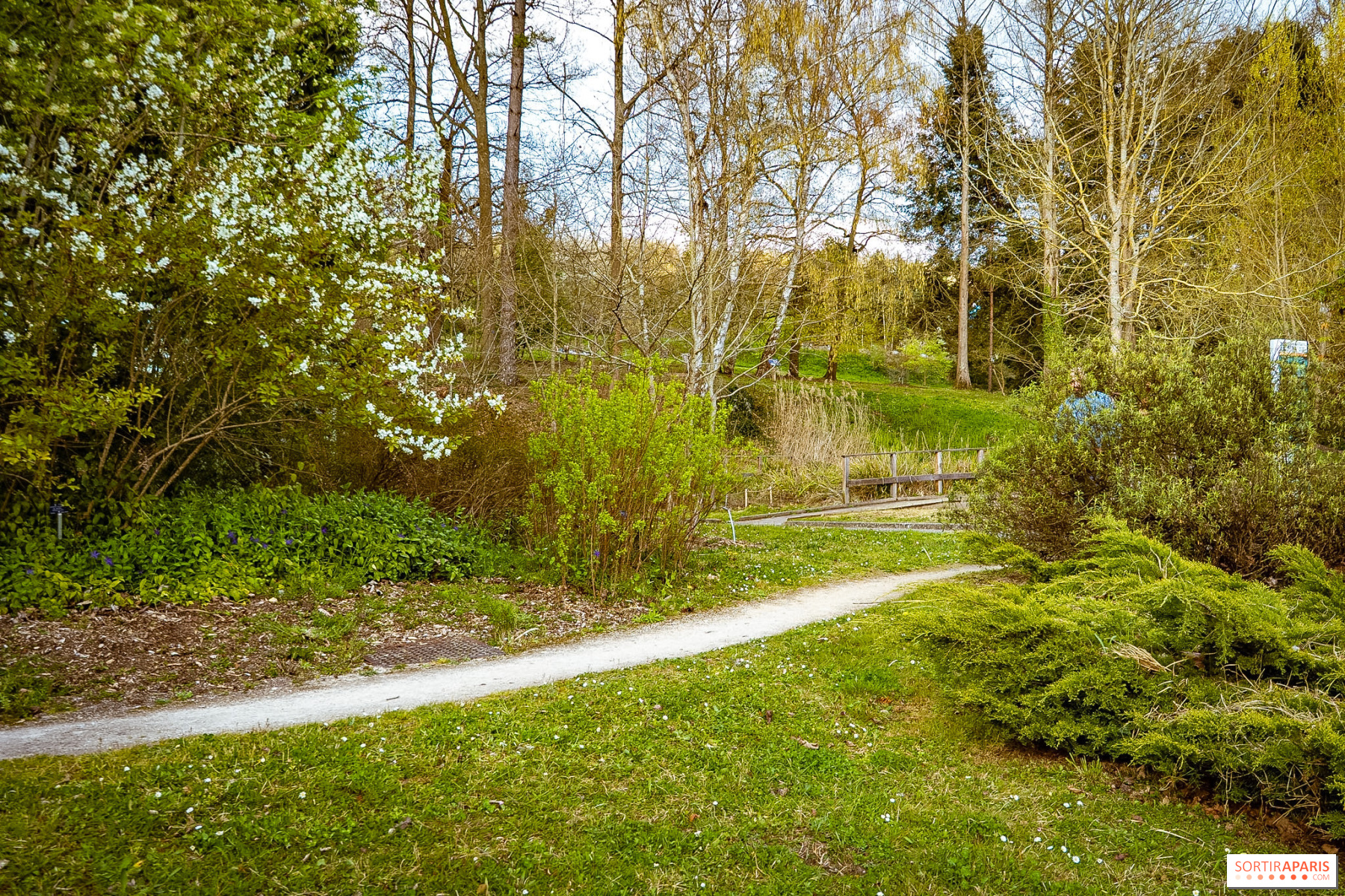
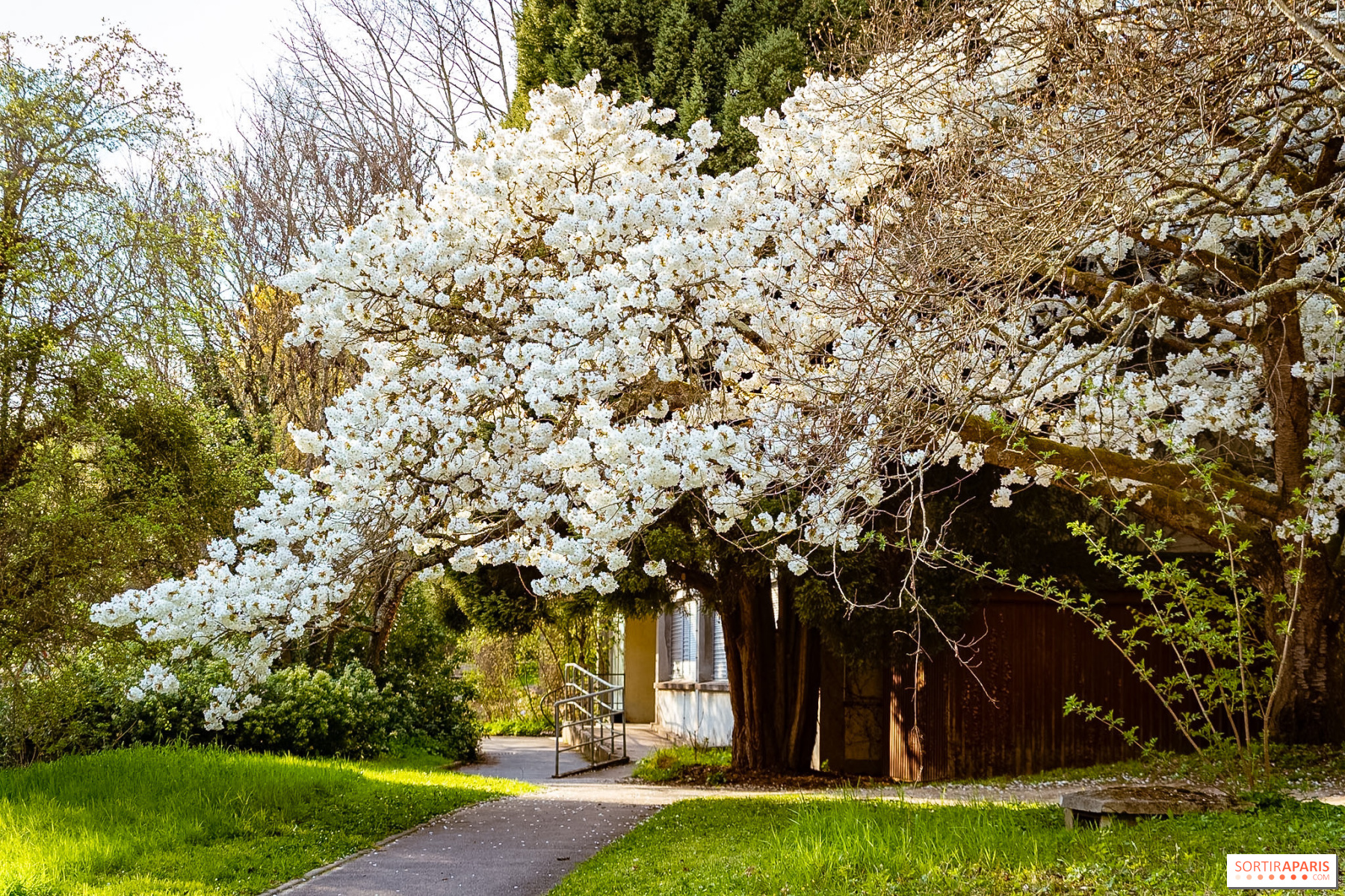
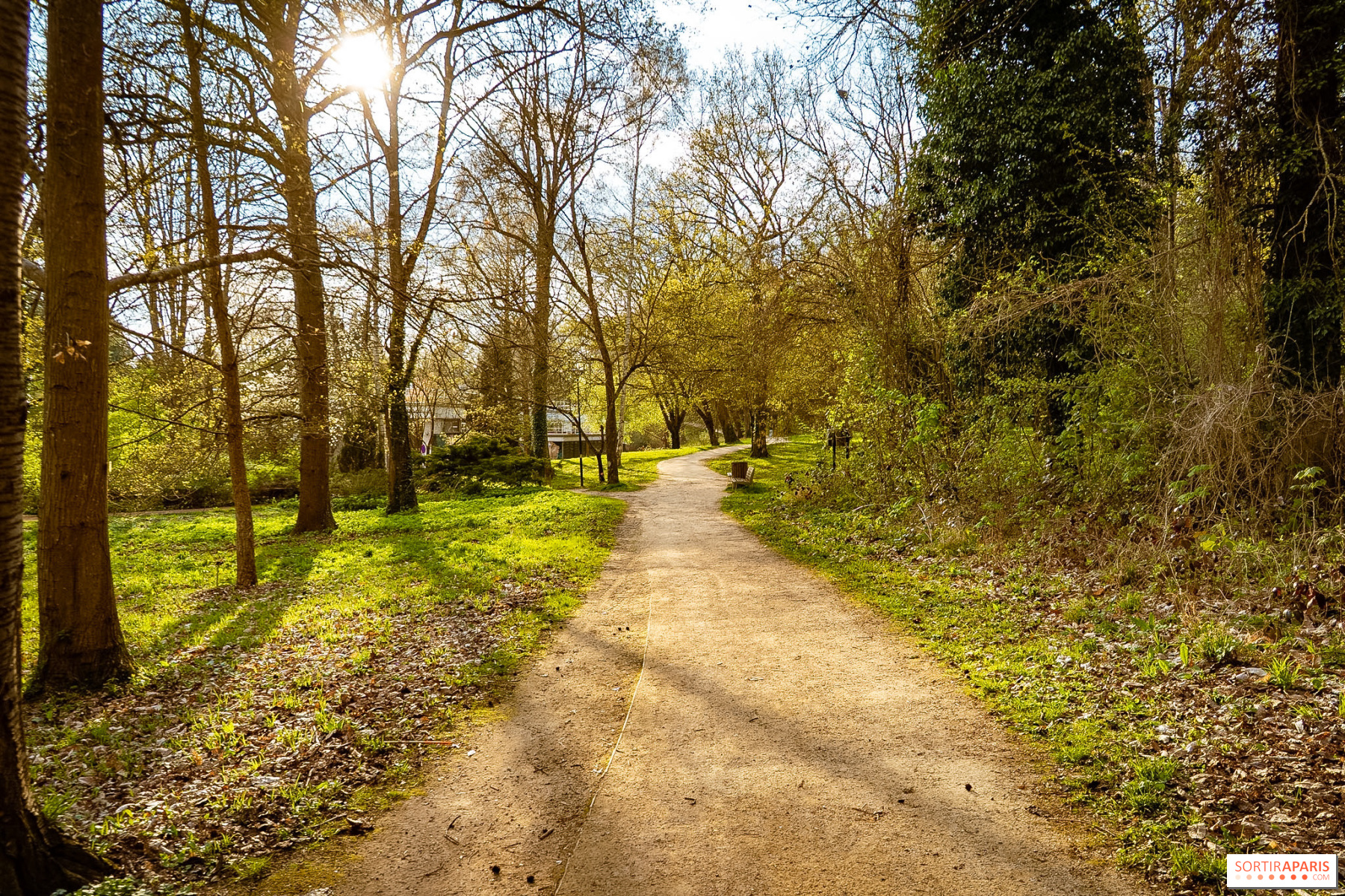
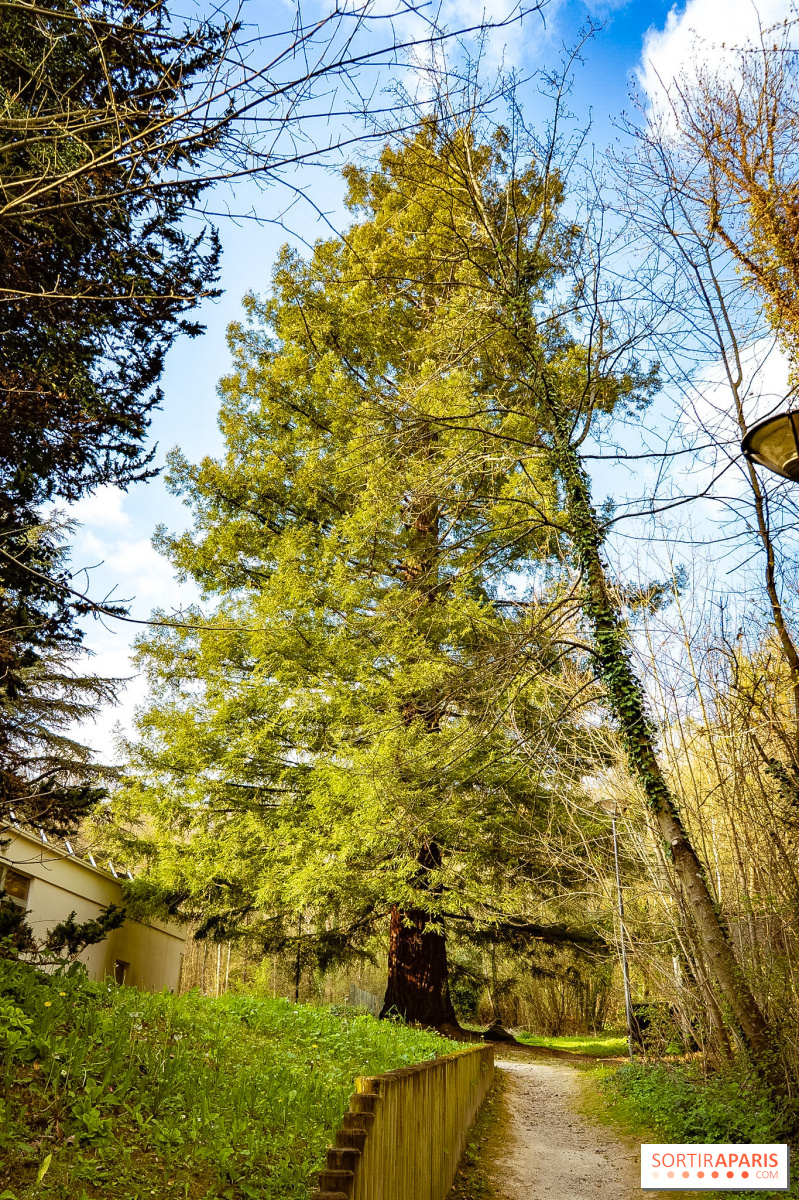
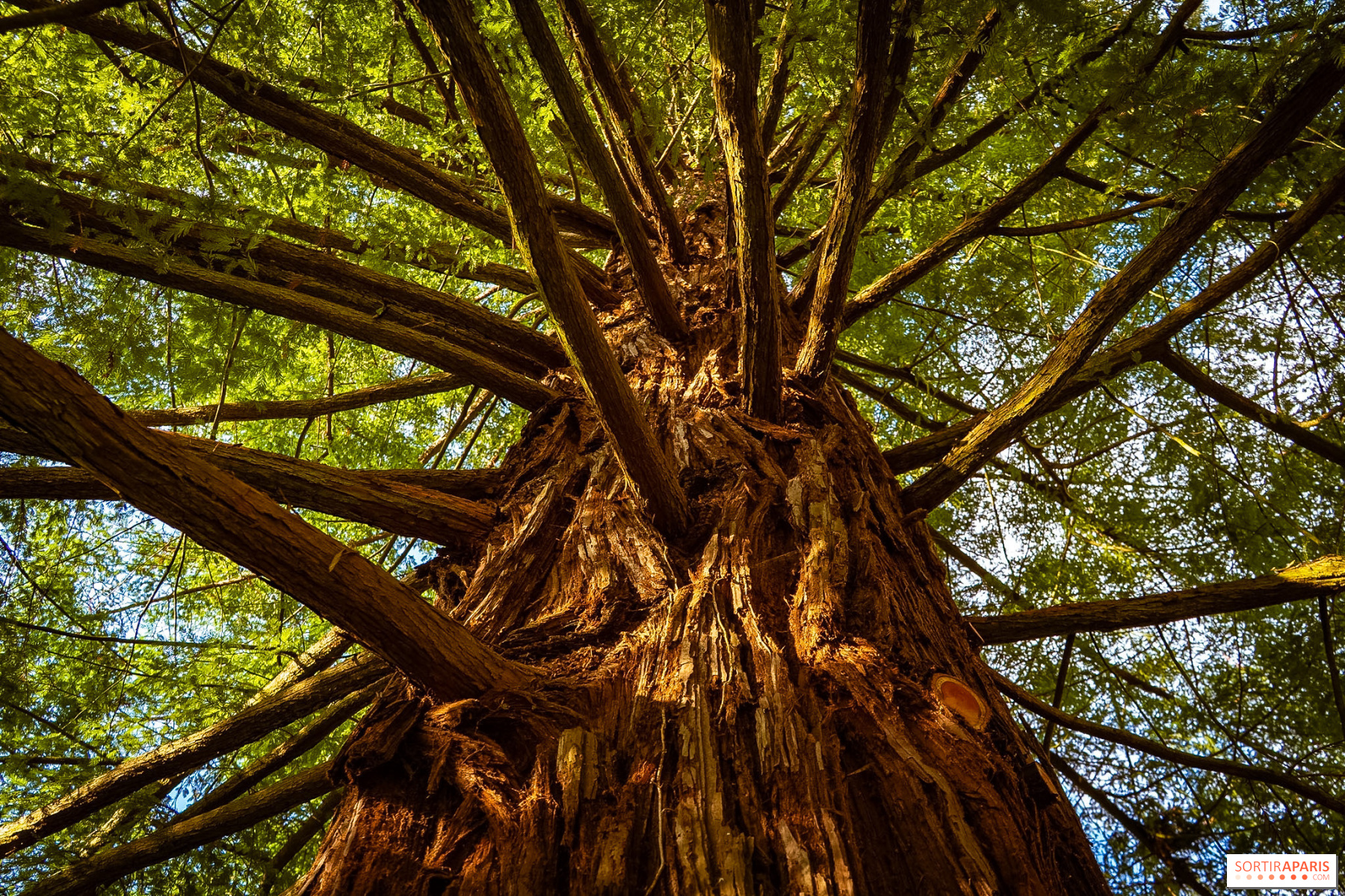
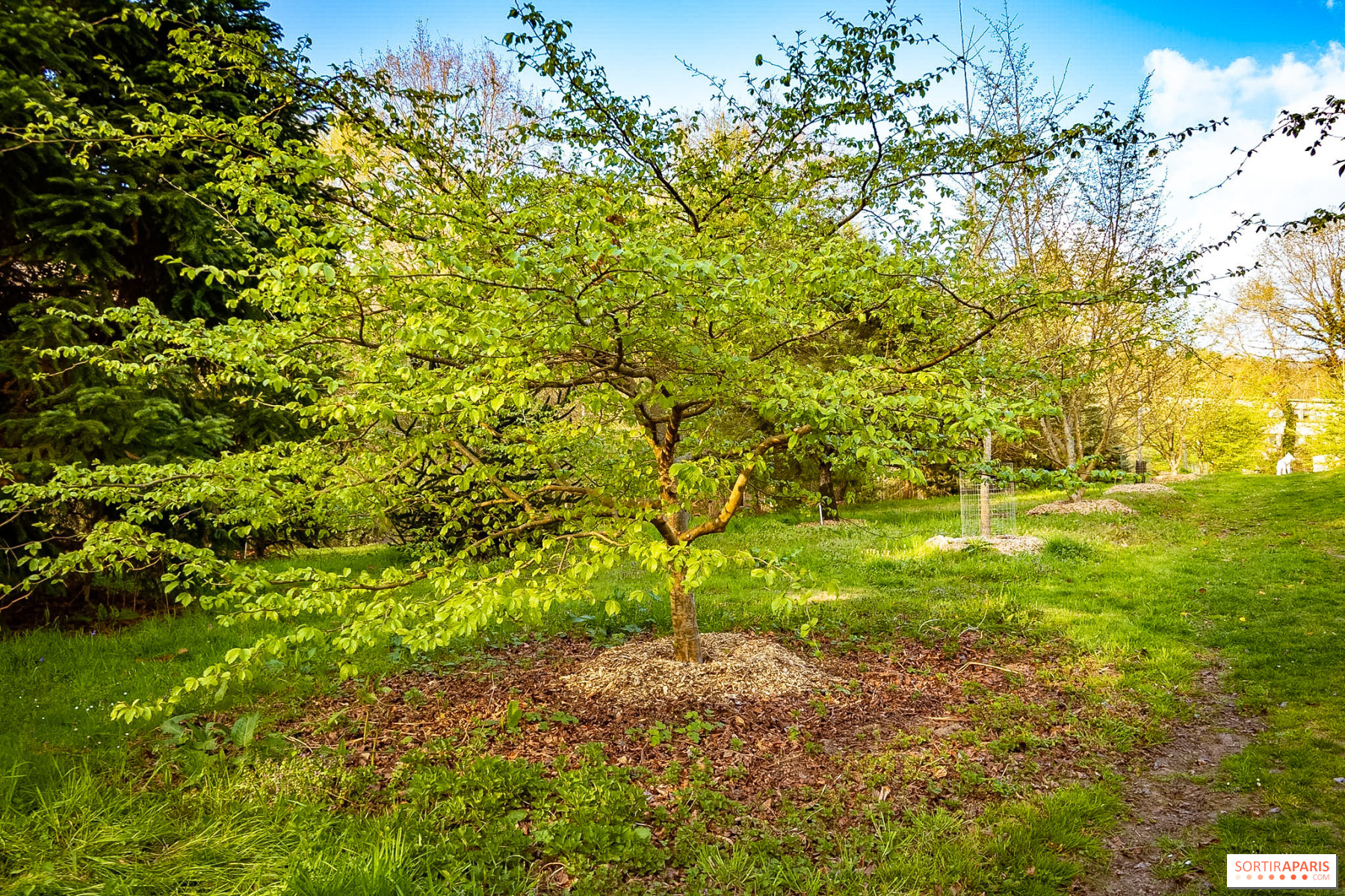
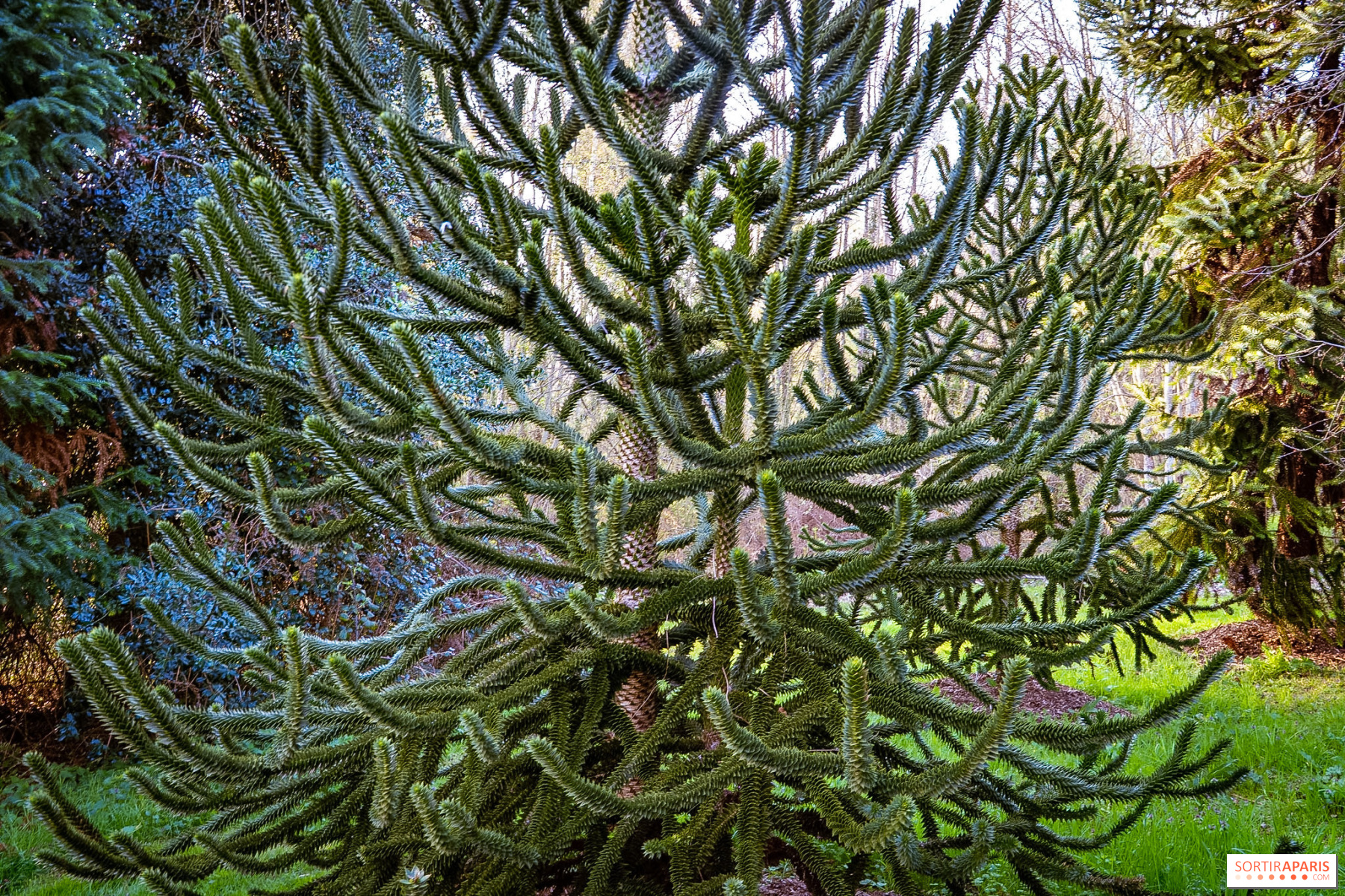
Here, we meander along a few secluded paths, surrounded by trees and plants that are quite unusual for the region: giant Peruvian rhubarb, Jurassic-era metasequoias, and North American red oaks... The atmosphere is intentionally natural, a stark contrast to the symmetrical elegance of French formal gardens. For the past 250 years, a thirty-meter-tall pedunculate oak has stood watch at the main entrance of the university. Some of the species are genuinely extraordinary: the wig tree (Cotinus coggygria) from Asia, which in spring sports long pink hairs on its stems, before turning a fiery orange-red in autumn.
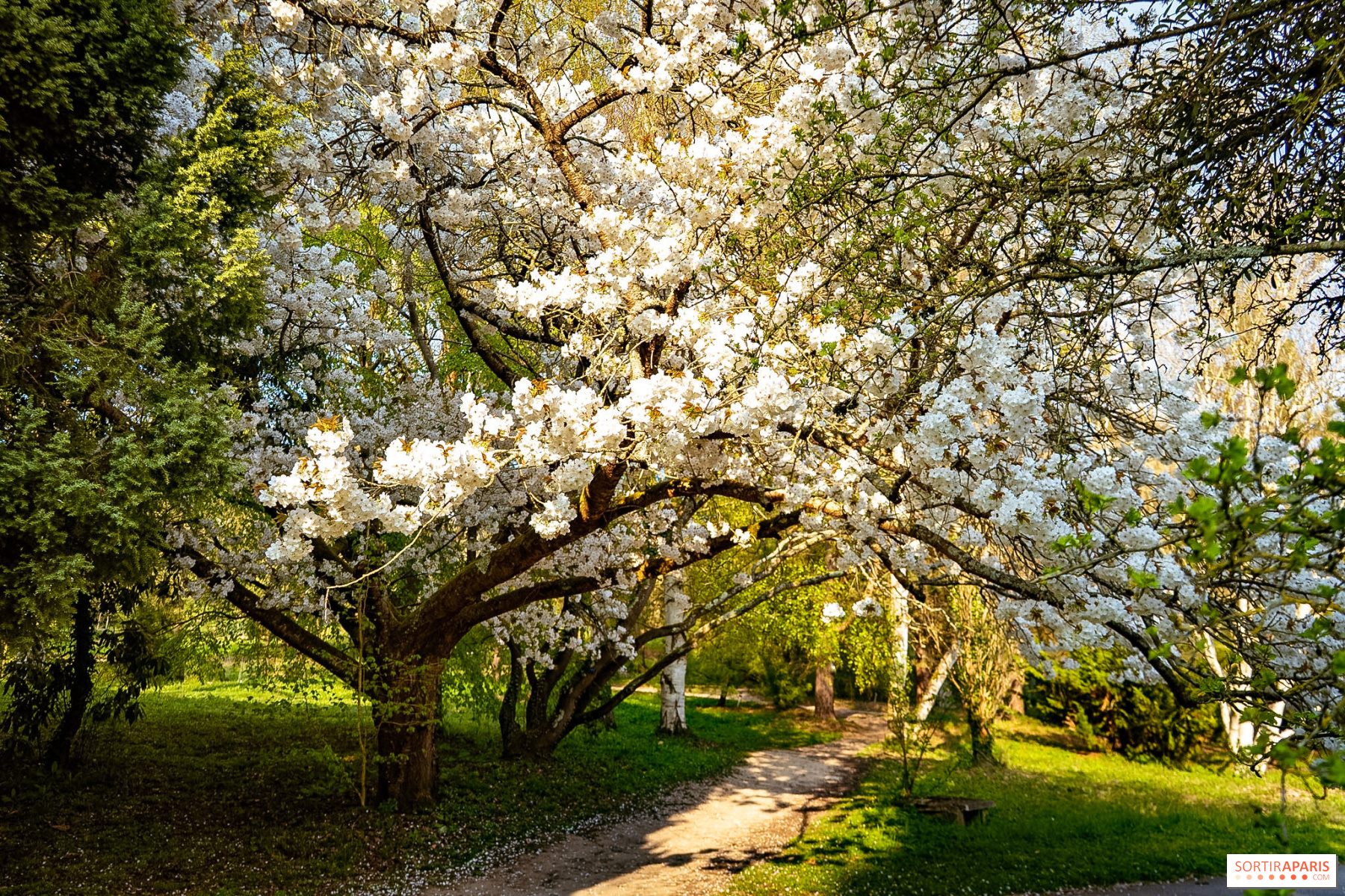
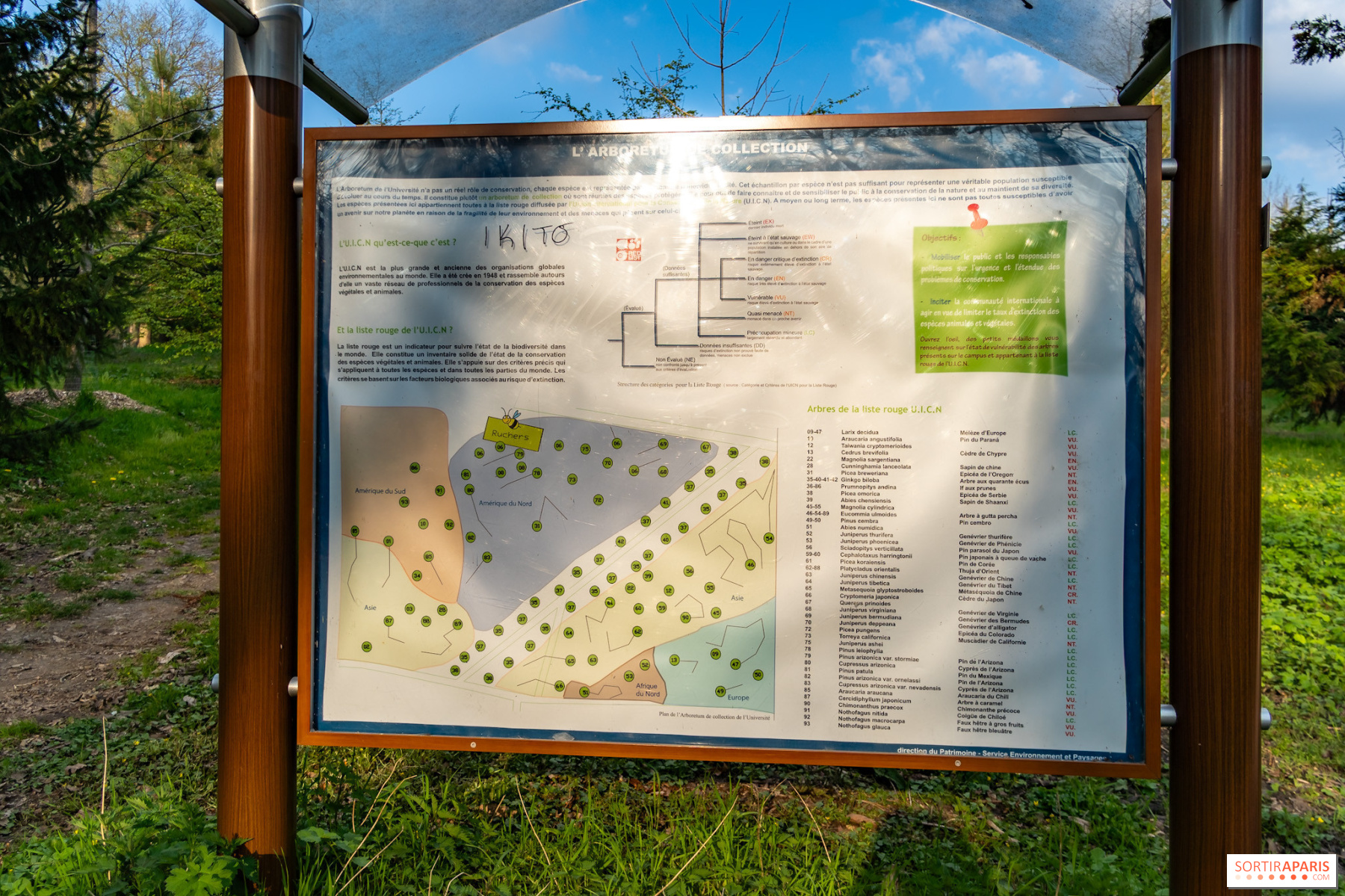
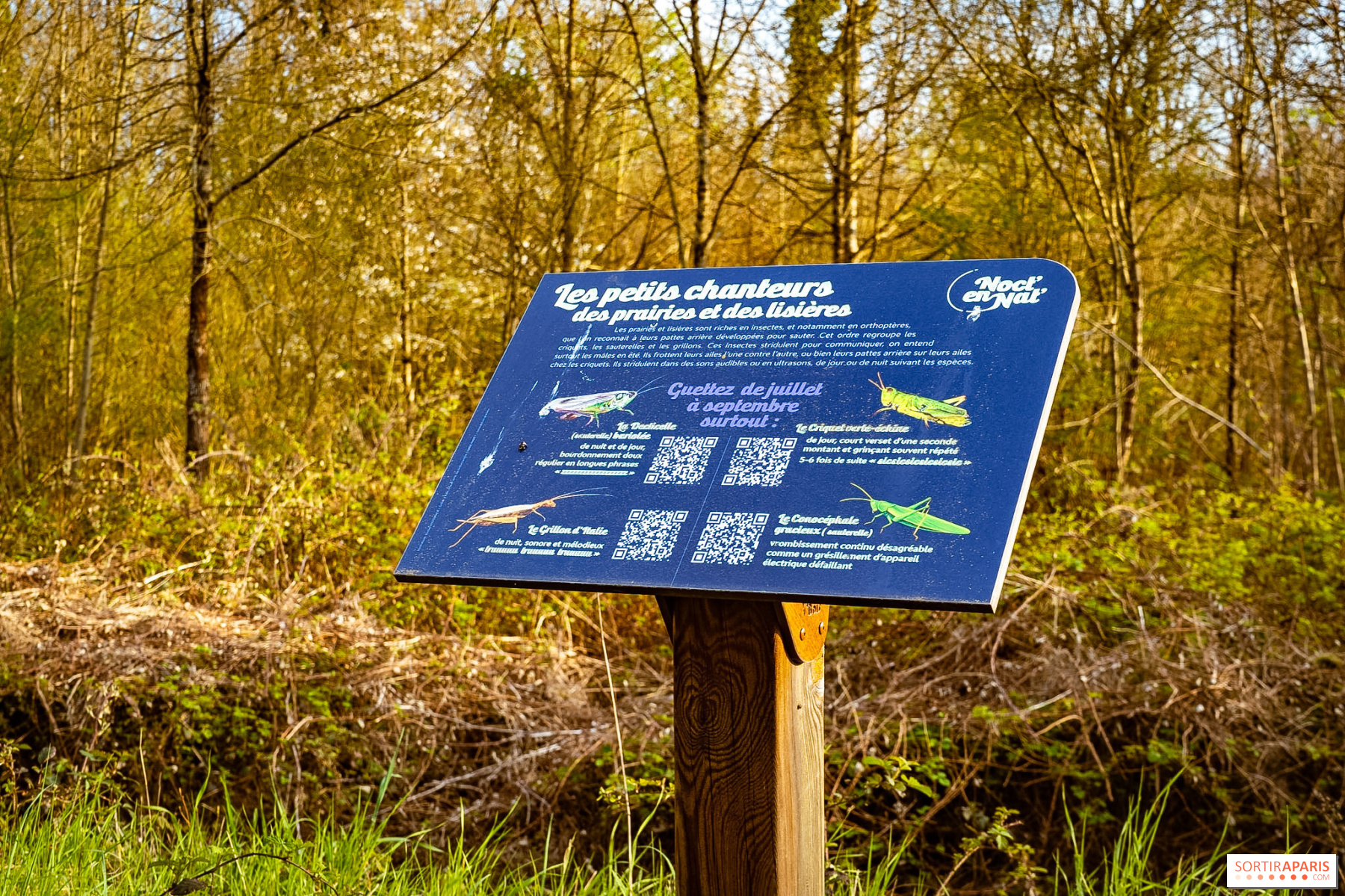
Since 2008, the garden has hosted an arboretum dedicated primarily to conserving species classified as vulnerable on the IUCN Red List of threatened species. Complementing this are the plant biology greenhouses, showcasing tropical plants and an educational vegetable garden. For orchid enthusiasts, the garden is home to the Ophrys apifera, a wildflower whose flower pattern eerily mimics a bee — an illusion only fully appreciated upon close inspection.
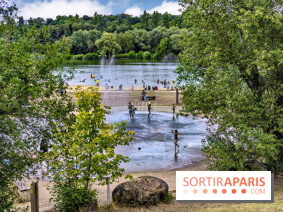
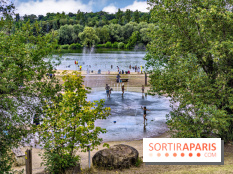
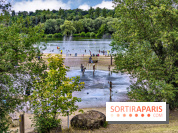
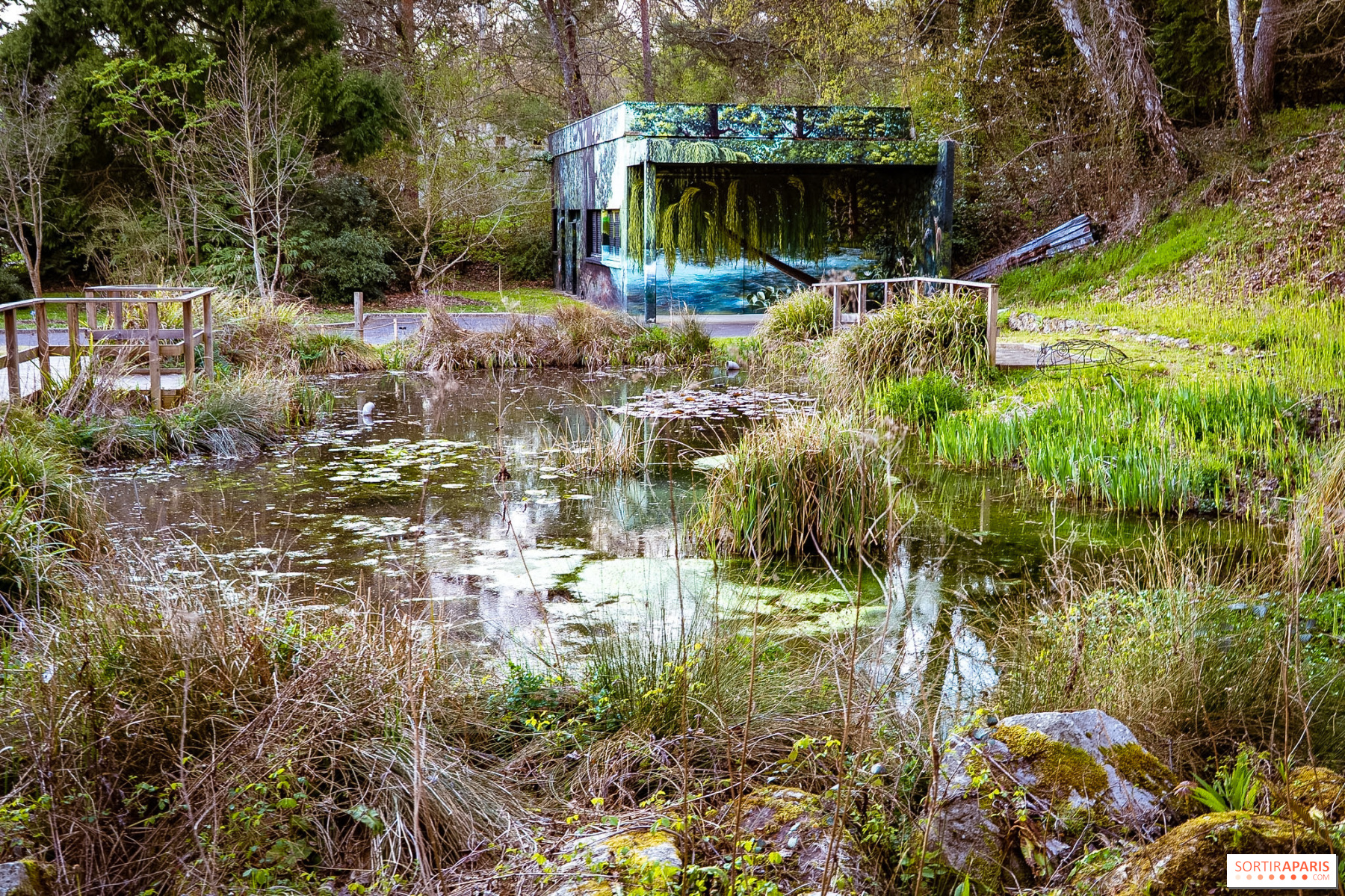
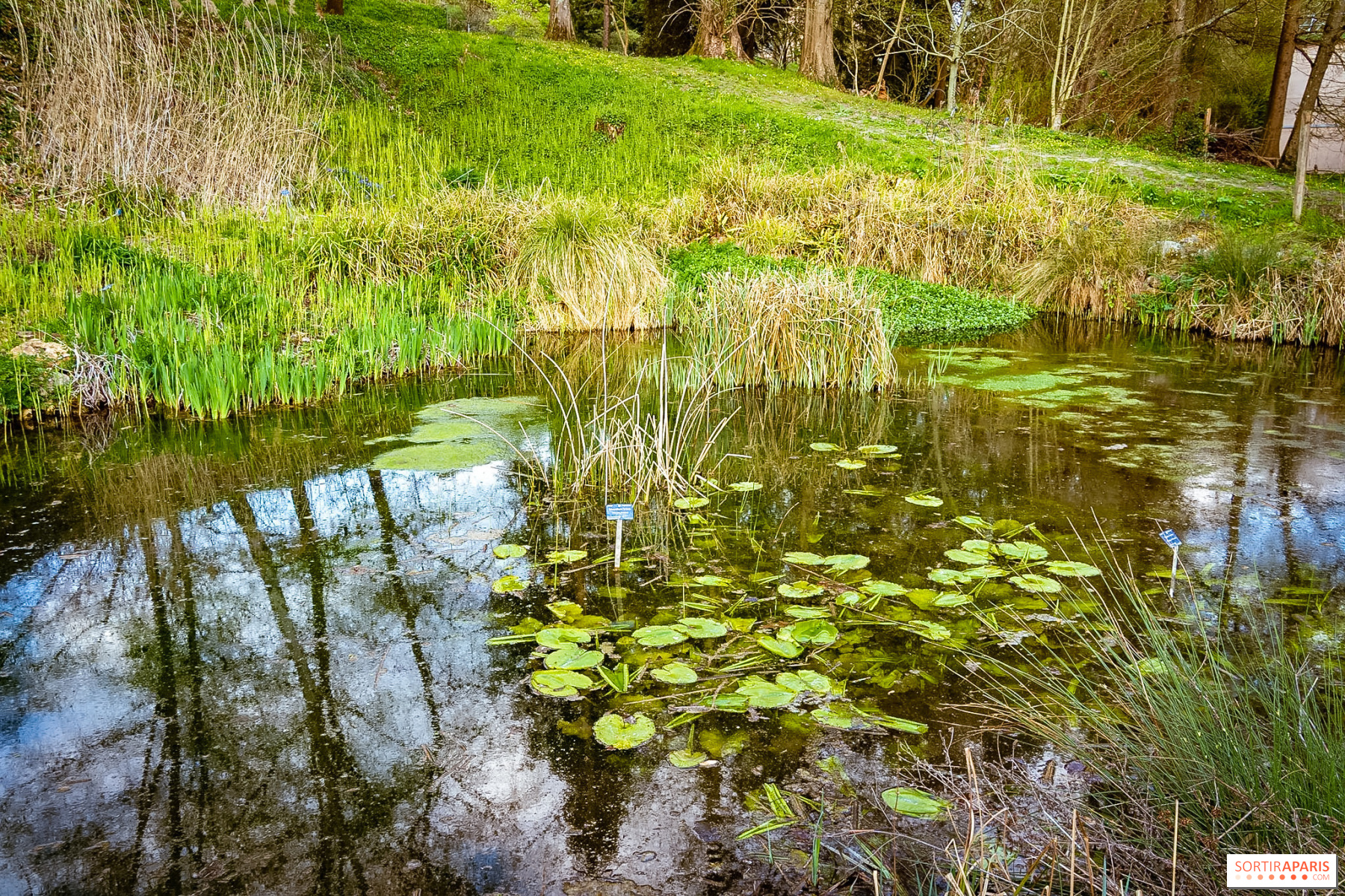
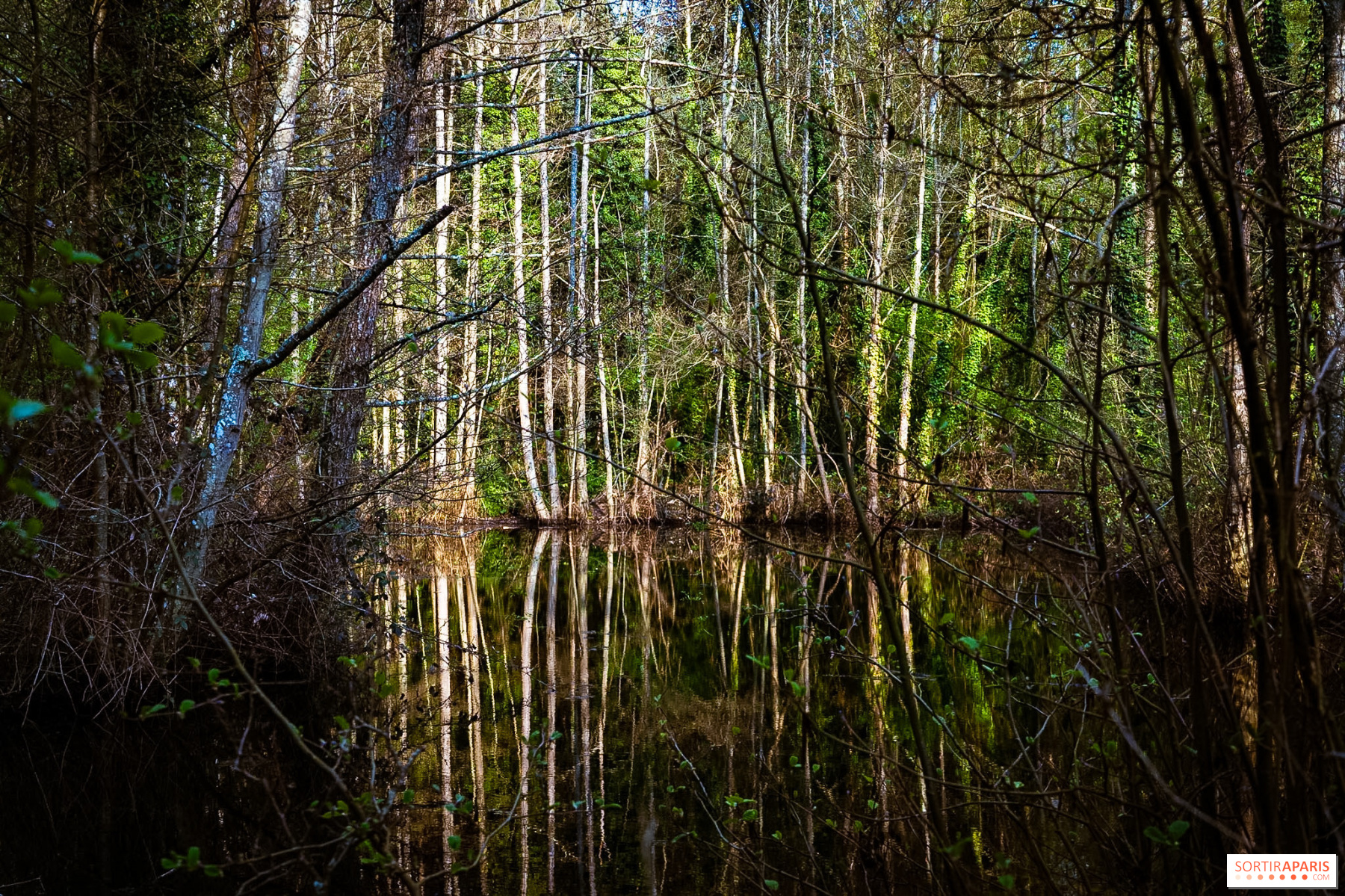
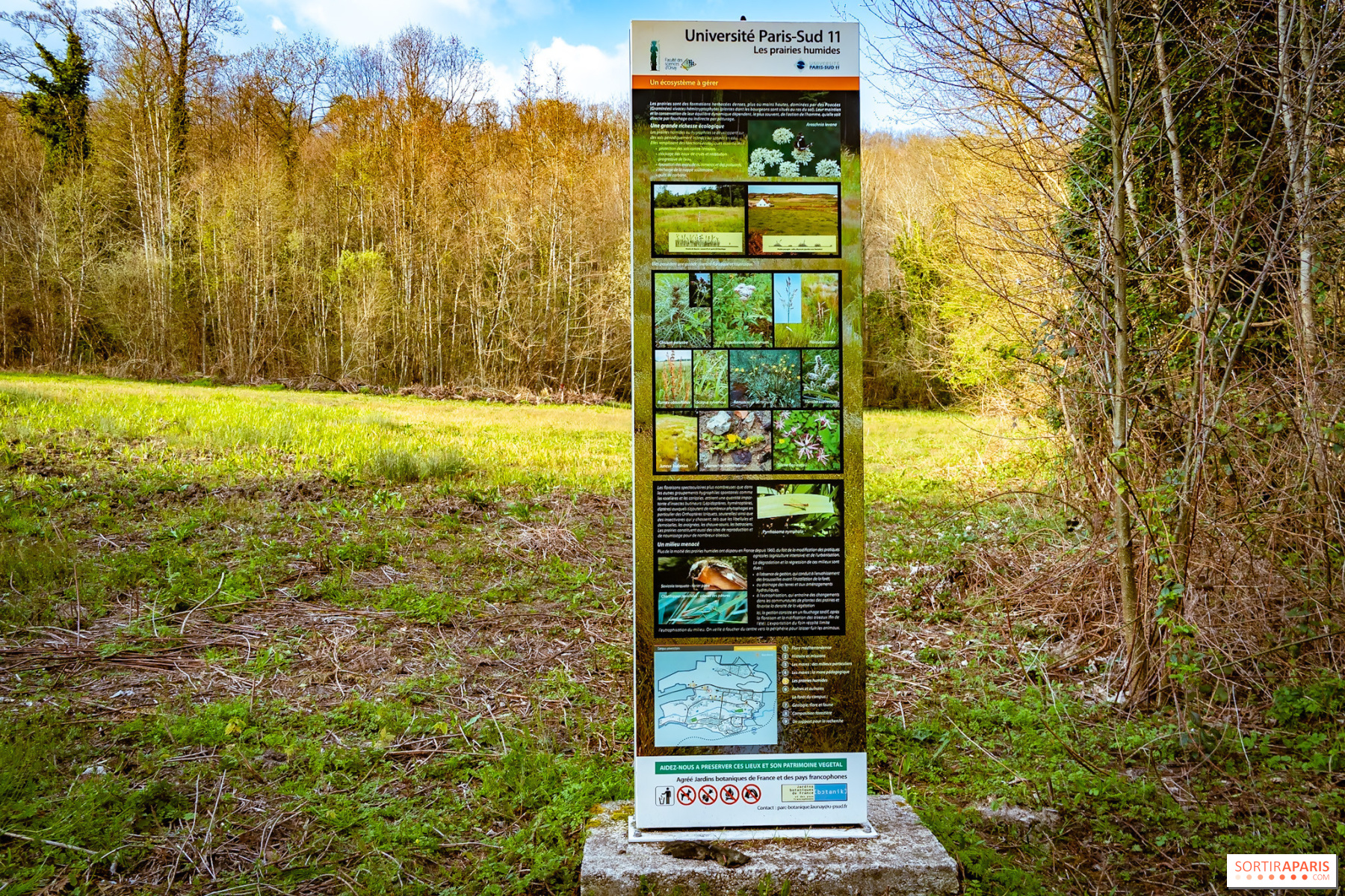
The conservation arboretum is one of the most valuable spaces within the estate. Established in 2008 to meet the standards of the French Botanical Garden label, its primary mission is to safeguard species considered vulnerable, listed on the IUCN’s global Red List. Visitors can encounter trees from all corners of the world, including some species you wouldn't expect to find in Essonne: Japanese zelkovas, American flowering dogwoods, or Chinese cork oaks. Today, the park is home to roughly 3,000 plant taxa spanning 428 genera and 131 families. Each tree is carefully tagged, allowing visitors to explore independently and gradually discover the incredible diversity of this global botanical heritage. A teaching pond complements the area, providing insights into wetland ecosystems and their associated fauna. It’s a place to linger, whether with notebook in hand or simply with eyes wide open, soaking in the richness of these preserved environments.
The garden is located on Rue du Doyen André Guinier in Orsay. Access is straightforward via the RER B line, heading towards Saint-Rémy-lès-Chevreuse or Charles de Gaulle Airport, with the Orsay-Ville station serving as the stop. The campus is just a short walk from the station, and entry is free—no ticket or reservation required for self-guided visits.
This is where the garden truly demonstrates its educational value. Free guided tours are offered every Thursday at 2 p.m., lasting between an hour and a half to two hours, with no reservation required. Each session explores a different theme, making it an enticing reason to visit regularly:
For any questions, you can reach us by email at parc-botanique.launay@universite-paris-saclay.fr or by phone at 01 69 15 67 32. The full schedule of visits for 2026 is available online on the Université Paris-Saclay website.
Our opinion: This botanical garden is a true hidden gem for anyone looking to breathe in some fresh air without straying far from Paris. The atmosphere is calm and focused, and the guided tours are exceptional — a rare find for a completely free outing. That said, some areas of the grounds could benefit from more regular maintenance, which can sometimes give an impression of neglect in certain spots. However, the impressive variety of species and the sprawling 90-hectare estate more than make up for this. We especially recommend exploring the themes related to ethnobotany or fragrant plants. This place is perfect for families, school groups, curious nature lovers, or anyone seeking a peaceful stroll on a Thursday afternoon.
Also worth exploring in Essonne:
The superb Japanese garden at Château de Courances: a bucolic and exotic stroll in the Paris region
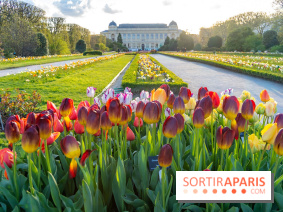
The Japanese garden at Château de Courances is undoubtedly one of the most beautiful Japanese gardens around Paris, and particularly so in France. Located on the fabulous Courances estate in Essonne, this Anglo-Japanese garden will delight you with its exotic landscapes. Come and discover it from April 5 to November 2, 2025. [Read more]
Just 30 minutes from the Gare de Lyon railway station, on the Yerres side of the Essonne département, Maison Caillebotte is home to one of the region's most beautiful green spaces: Parc Caillebotte, the garden that inspired the famous Impressionist painter Gustave Caillebotte. [Read more]
Location
Botanical garden of the University of Paris-Saclay
Rue du Doyen André Guinier
91400 Orsay
Prices
Free
Official website
www.universite-paris-saclay.fr
More information
Open year-round with free access




 The superb Japanese garden at Château de Courances: a bucolic and exotic stroll in the Paris region


 Parc Caillebotte, the large free landscaped park that inspired Gustave Caillebotte in Yerres (91)