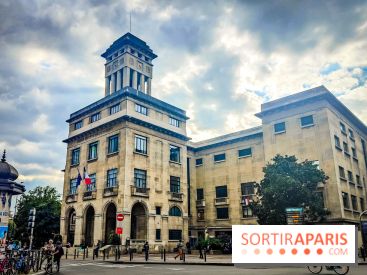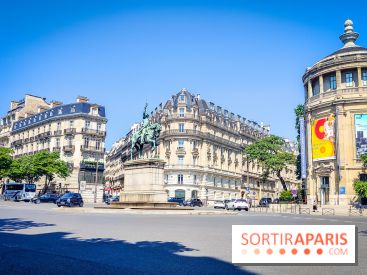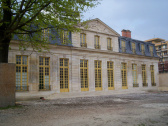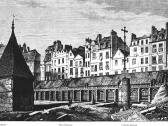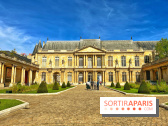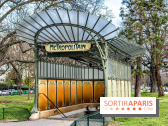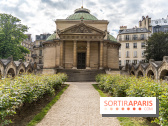
When we talkabout arrondissements, we tend to focus on the numbers... unless we are referring to specific neighborhoods. However, what is less well known is that each arrondissement has its own name! And these names do not always refer to the most well-known neighborhoods. These administrative districts have remained unchanged since 1860!
So, do you know the real names of the capital's arrondissements? While some are obvious, others are a little more unexpected, and we'll explain what they refer to. For the more playful among you, you can have fun guessing them before discovering the answers.
Are you ready? Let's go!
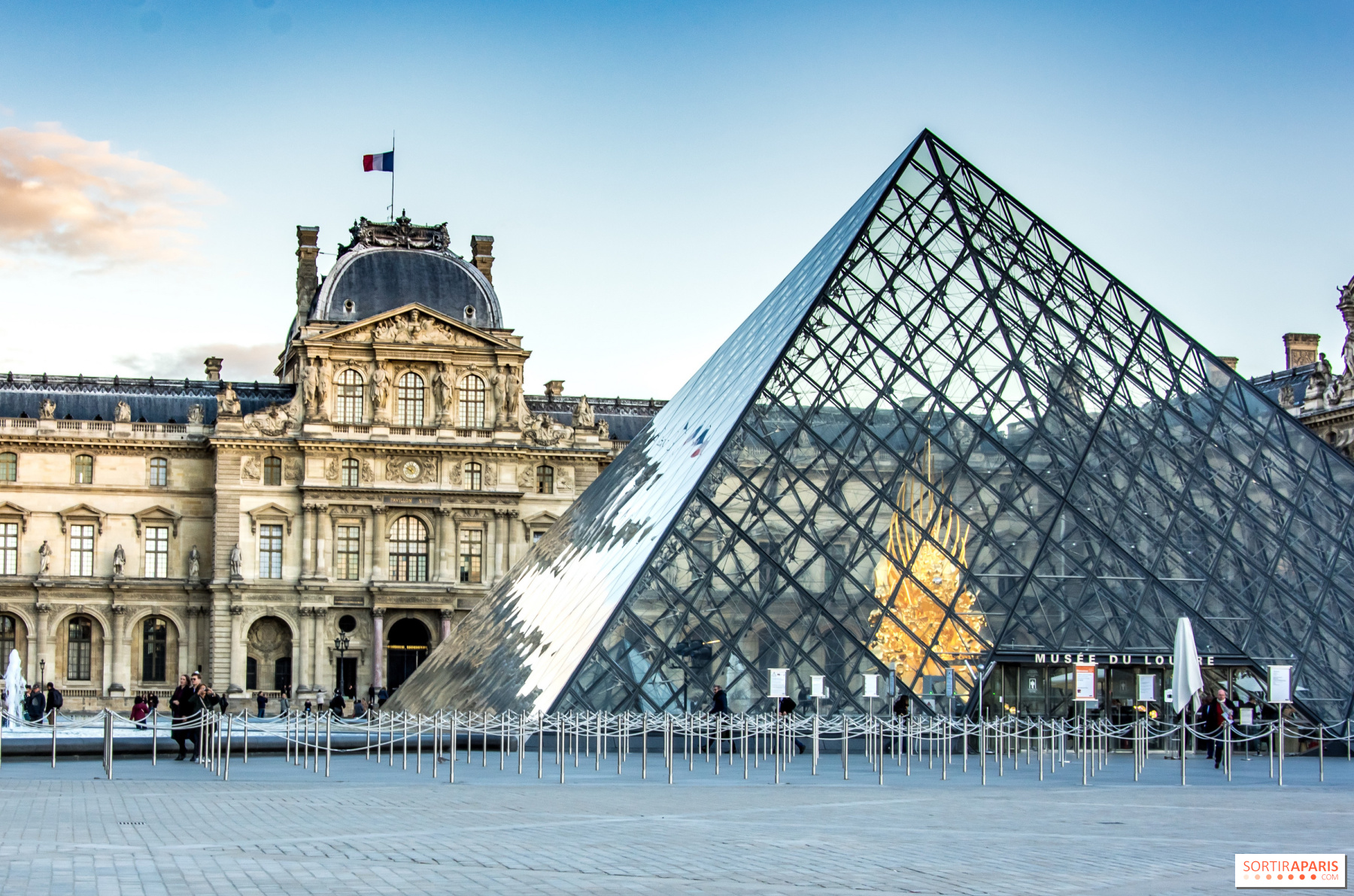
The 1st arrondissement: the Louvre district
This one is no big surprise: this central district of the capital is named after the iconic castle that houses one of the most famous museums in the world: the Louvre Museum. This arrondissement is further divided into four neighborhoods: Saint-Germain l'Auxerrois (the church located right next to the Louvre), Les Halles, Palais-Royal, and Place Vendôme.
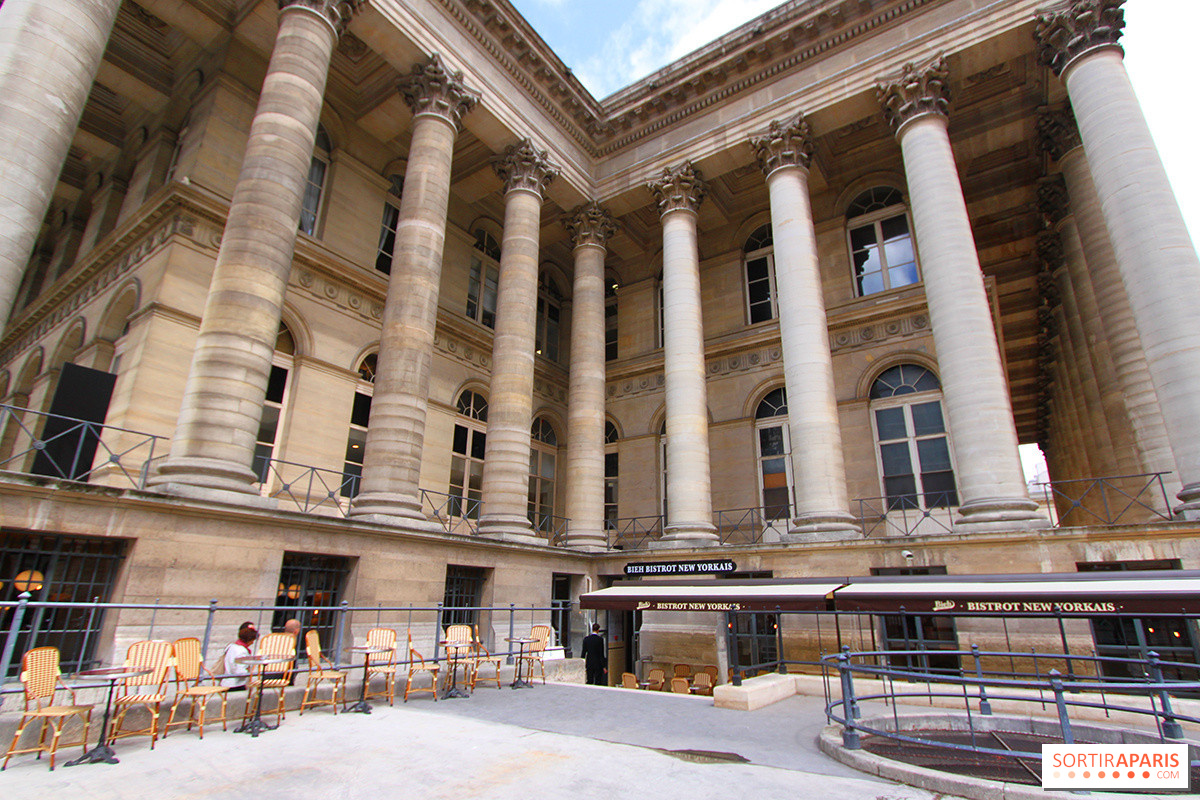
The 2nd arrondissement: the stock exchange district
A little less obvious than the 1st arrondissement, the 2nd arrondissement takes its name from the Palais Brongniart, the former headquarters of the stock exchange. Its sub-districts are divided between Gaillon, Vivienne, Mail, and Bonne-Nouvelle.
The 3rd arrondissement: the Temple district
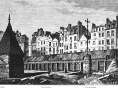
For this one, the Temple metro station, the boulevard of the same name, or even the square du Temple might have given you a clue, which is already quite something, since it's quite rare to hear it referred to as such in everyday life. And for good reason, as the famous temple after which it is named refers to a monument from the Middle Ages that no longer exists: the Enclos du Temple. It included a church, a tower, a keep, outbuildings and convents, as well as a garden. It stood where the Square du Temple is located today. The arrondissement is divided into four neighborhoods: Arts-et-Métiers (home to the famous museum dedicated to inventions), Les Enfants-Rouges (with one of the oldest markets in Paris), Archives, and Sainte-Avoye.
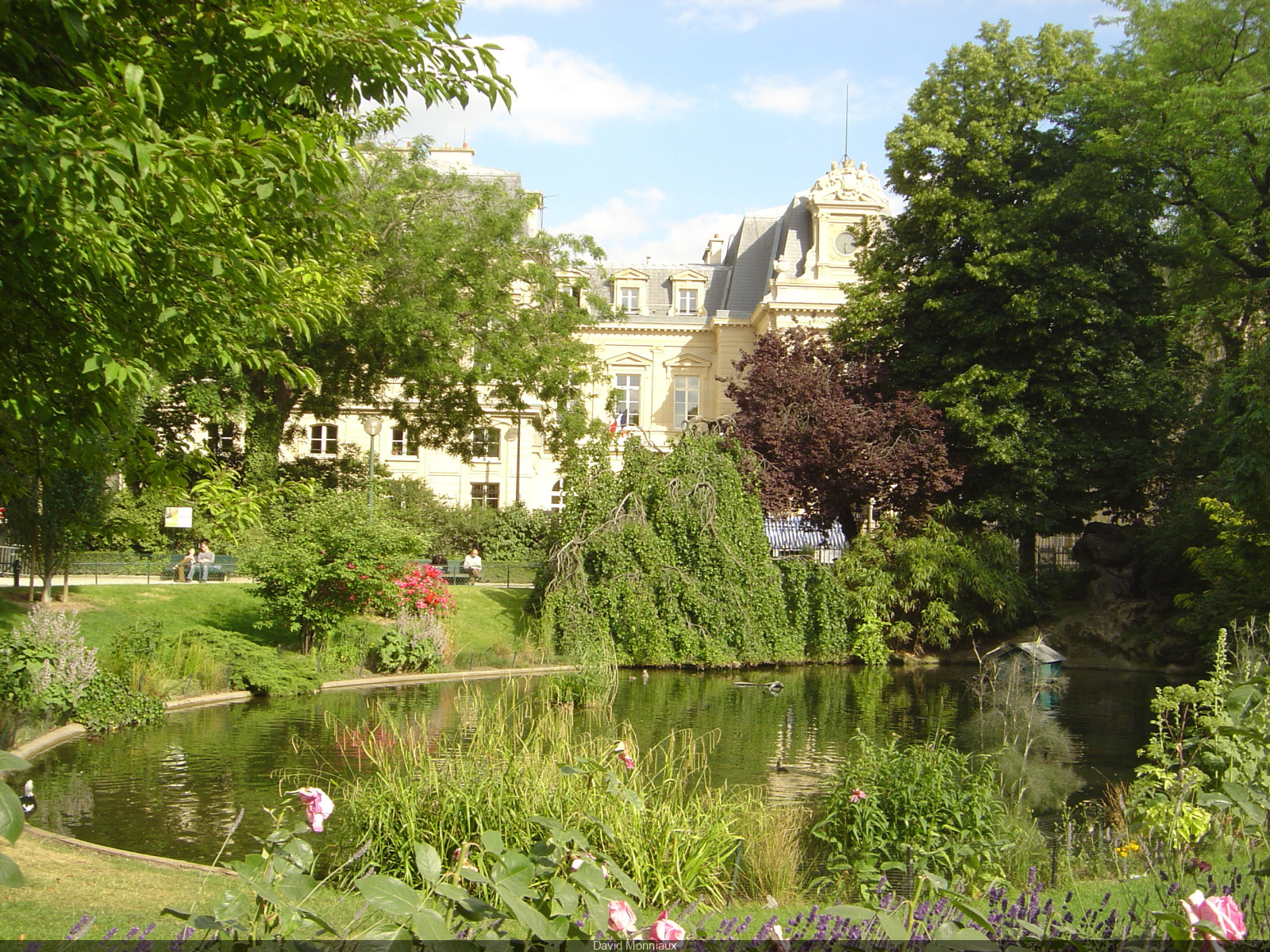
The 4th arrondissement: the arrondissement of the Hôtel de Ville
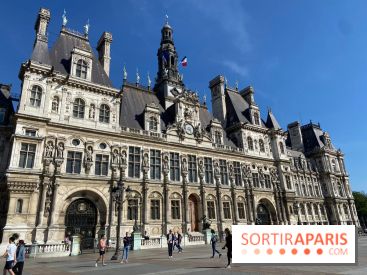
And no, it's not the one in the Marais, but the one where Paris City Hall is located! The four neighborhoods that make up this arrondissement are officially named Saint-Merri, Saint-Gervais, Arsenal, and Notre-Dame.
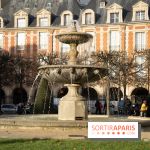 Did you know? Why is the Marais district in Paris called Le Marais?
Beneath its cobbled streets and private mansions, the Marais hides an unexpected past. Before it became one of Paris's most fashionable districts, it was a vast marshland crossed by ancient branches of the Seine ... [Read more]
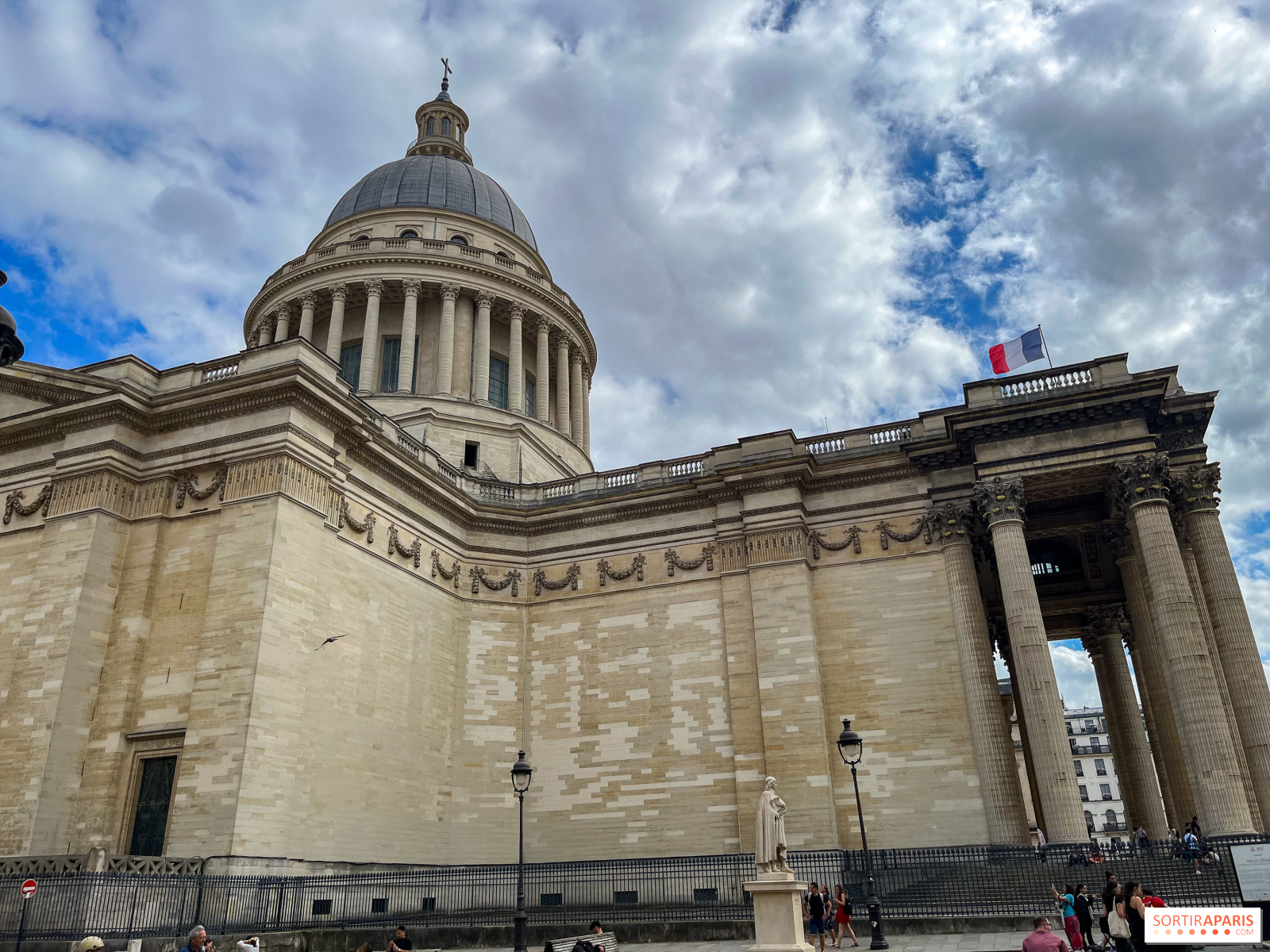
The 5th arrondissement: the Panthéon district
You might have guessed the Latin Quarter. However, the flagship of this district is the monument dedicated to the great men and women of the nation, which, incidentally, was the highest point in Paris before the Eiffel Tower. It is divided between the neighborhoods of Saint-Victor, Jardin des Plantes, Val-de-Grâce, and La Sorbonne.
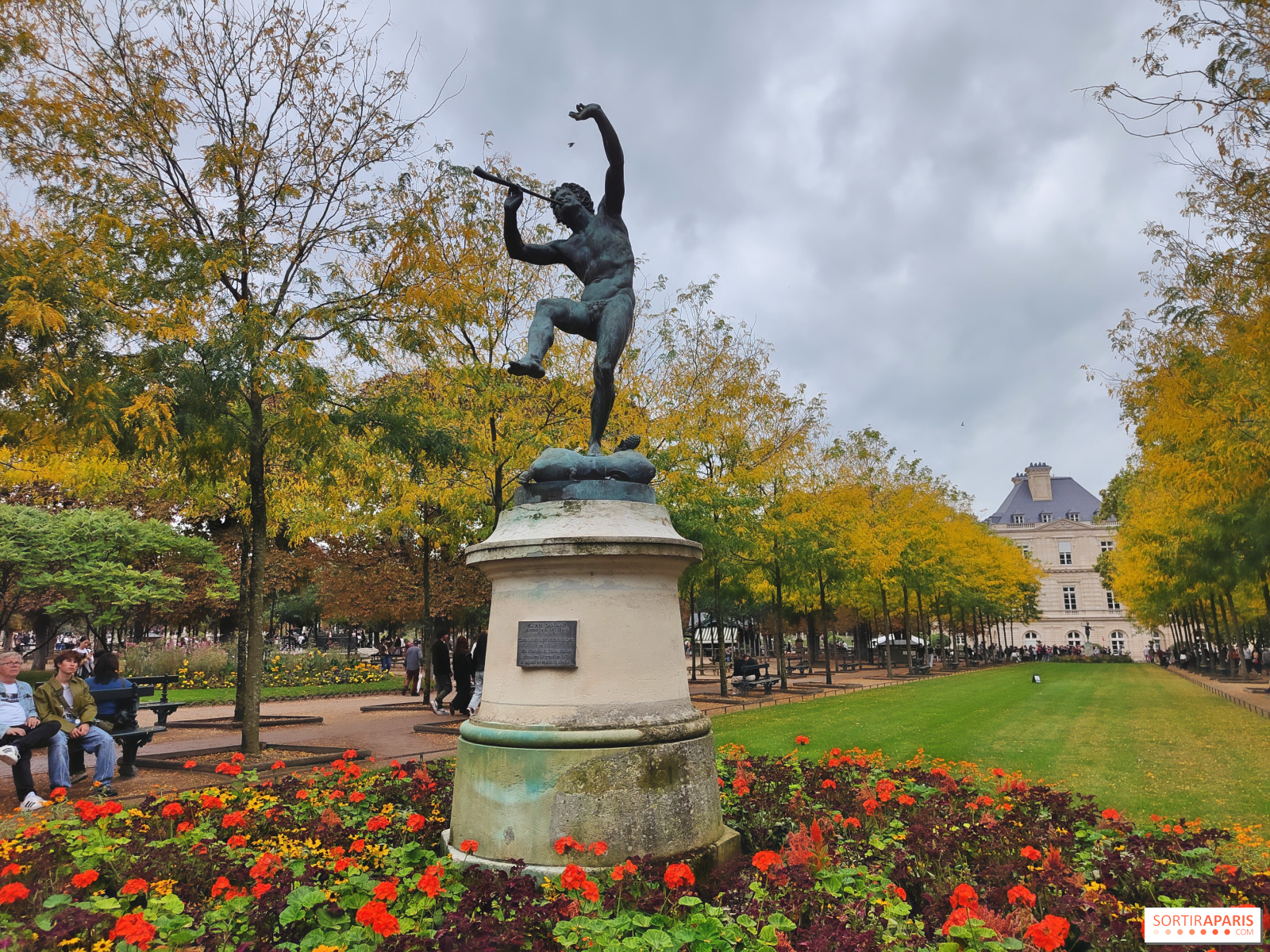
The 6th arrondissement: the Luxembourg district
Once again, it is an iconic Parisian location that inspired the name of this district: between the Palais du Luxembourg, which houses the Senate, the Musée du Luxembourg ( ) located in an adjacent wing, and the famous garden that Parisians tend to nickname "Le Luco," it is clearly an emblematic place. This arrondissement is made up of the neighborhoods of La Monnaie (since it is home to the Monnaie de Paris),Odéon, Notre-Dame des Champs, and Saint-Germain des Prés.
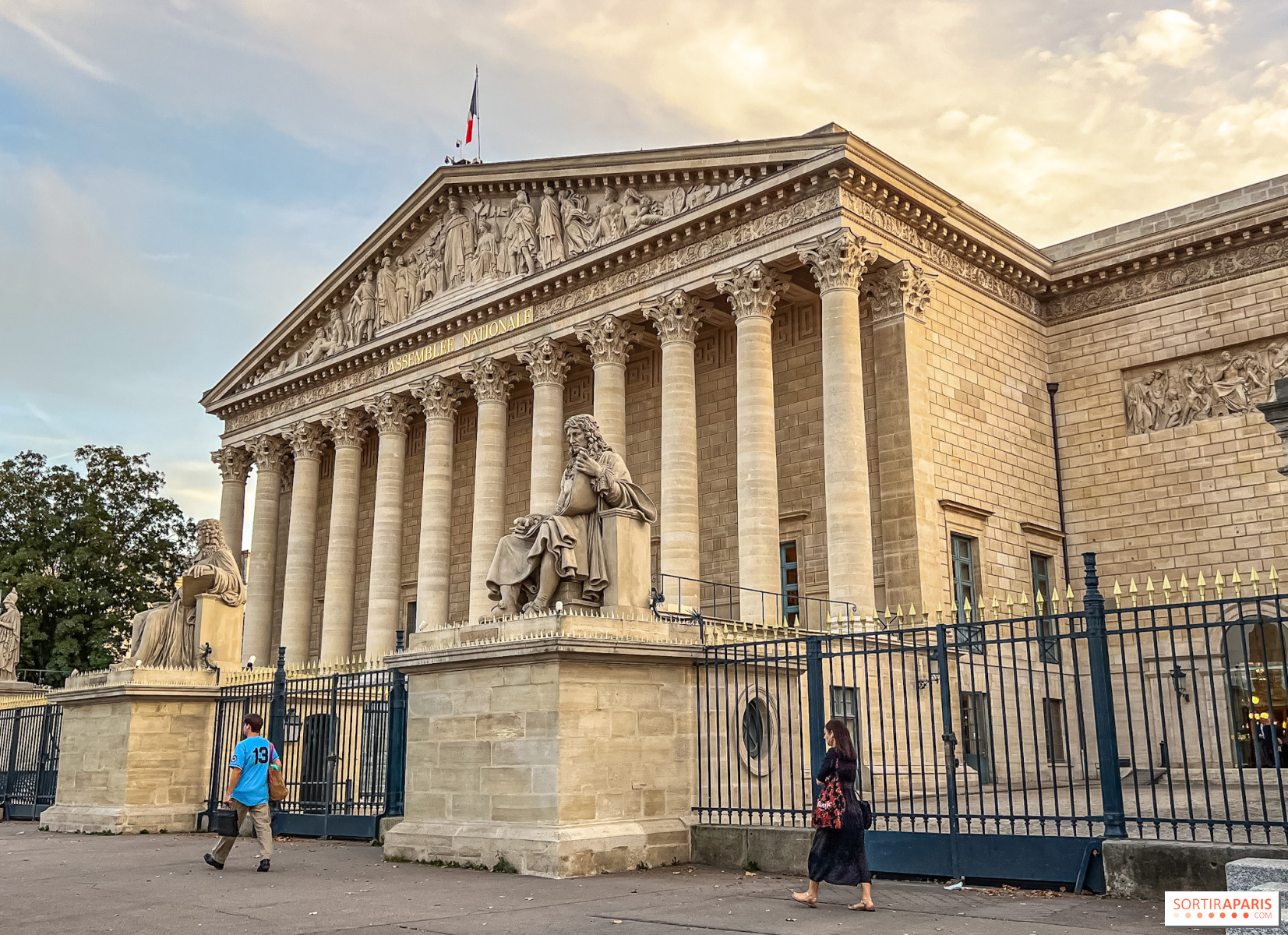
The 7th arrondissement: the arrondissement of the Palais Bourbon
To guess this one, you need to know about the many major institutions located there. The Palais Bourbon is the seat ofthe FrenchNational Assembly: just as the Senate gave its name to the 6th arrondissement, the 7th is named after a major center of power in France. It comprises the neighborhoods of Saint-Thomas-d'Aquin, Les Invalides, École Militaire, and Gros-Caillou.
The 8th arrondissement: the Elysée district
Never two without three: the8th arrondissement is also named after a place linked to political power: the Elysée Palace, the presidential residence. Its four districts are Champs-Elysées, Faubourg du Roule, Madeleine, andEurope.
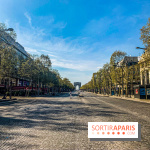
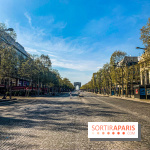
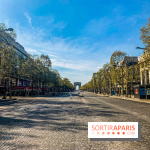
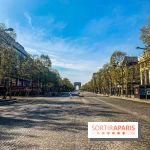 Did you know? Why are the Champs-Elysées so named?
Do you know the origin of the name of the Champs-Elysées, the famous Parisian avenue? Created in 1674 by André le Nôtre and officially named in 1698, this royal thoroughfare takes its name from Greek mythology, we tell you. [Read more]
The 9th arrondissement: the Opera district
We leave political institutions behind in favor of cultural buildings. The9th arrondissement's s represented by the sumptuous Palais Garnier, Paris' iconicopera house, highlighted by a beautiful perspective. Here again, four neighborhoods make up the arrondissement : Saint-Georges, Chaussée-d'Antin (where the famous Boulevard Haussmann and its department stores are located), Faubourg-Montmartre, and Rochechouart.

The 10th arrondissement: the warehouse district
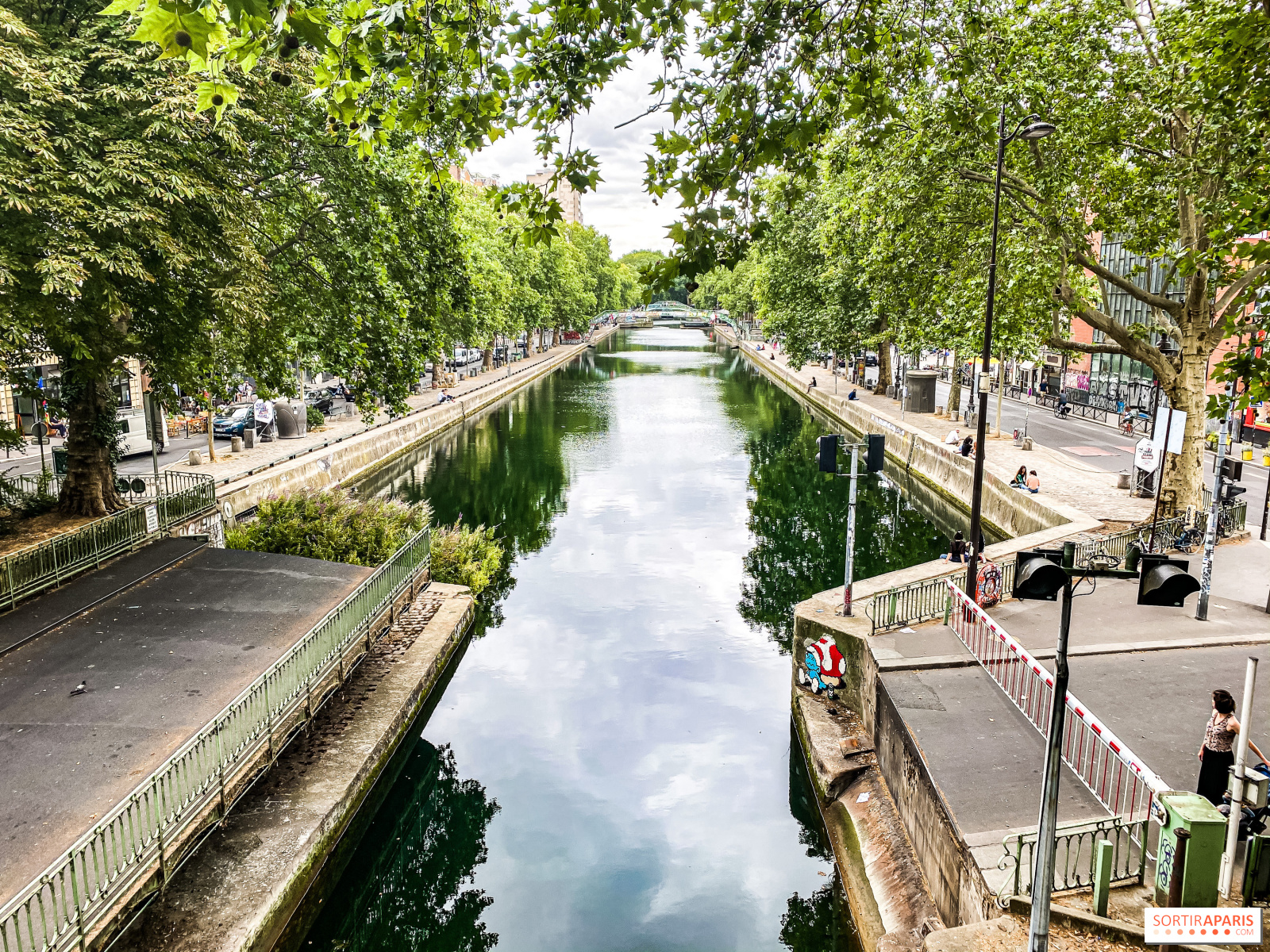
If you got this one, you're an expert! It refers tothe Entrepôt Saint Martin, which dates back to the Napoleonic era with the construction of the canal of the same name, whose purpose was to supply Paris with drinking water and facilitate the transport of goods. The building has since disappeared. The neighborhoods of Saint-Vincent-de-Paul, Porte-Saint-Denis, Porte-Saint-Martin, andHôpital-Saint-Louis make up this arrondissement.
The 11th arrondissement: the arrondissement of Popincourt
As the capital grew, it gradually absorbed the surrounding fiefdoms and villages, which then gave their names to certain neighborhoods. This was the case with Popincourt, a small seigneury whose estate belonged to the Popincourt family in the Middle Ages. It is subdivided into the neighborhoods of Folie-Méricourt, Saint-Ambroise, La Roquette, and Sainte-Marguerite.
The 12th arrondissement: the arrondissement of Reuilly
And no, the 12th is not namedafter Bercy! Like the 11th arrondissement, it is named after an old village, Reuilly. It is made up of the neighborhoods of Bel-Air, Picpus, Bercy (after all) and Quinze-Vingts.
Métro Picpus: do you know the astonishing legend behind the name of this Paris station?
A strange name, a surprising legend: plunge into the underground of the Paris metro to discover the unusual history of Picpus station. We tell you the story behind the station's name. [Read more]
The 13th arrondissement: the arrondissement of the Gobelins
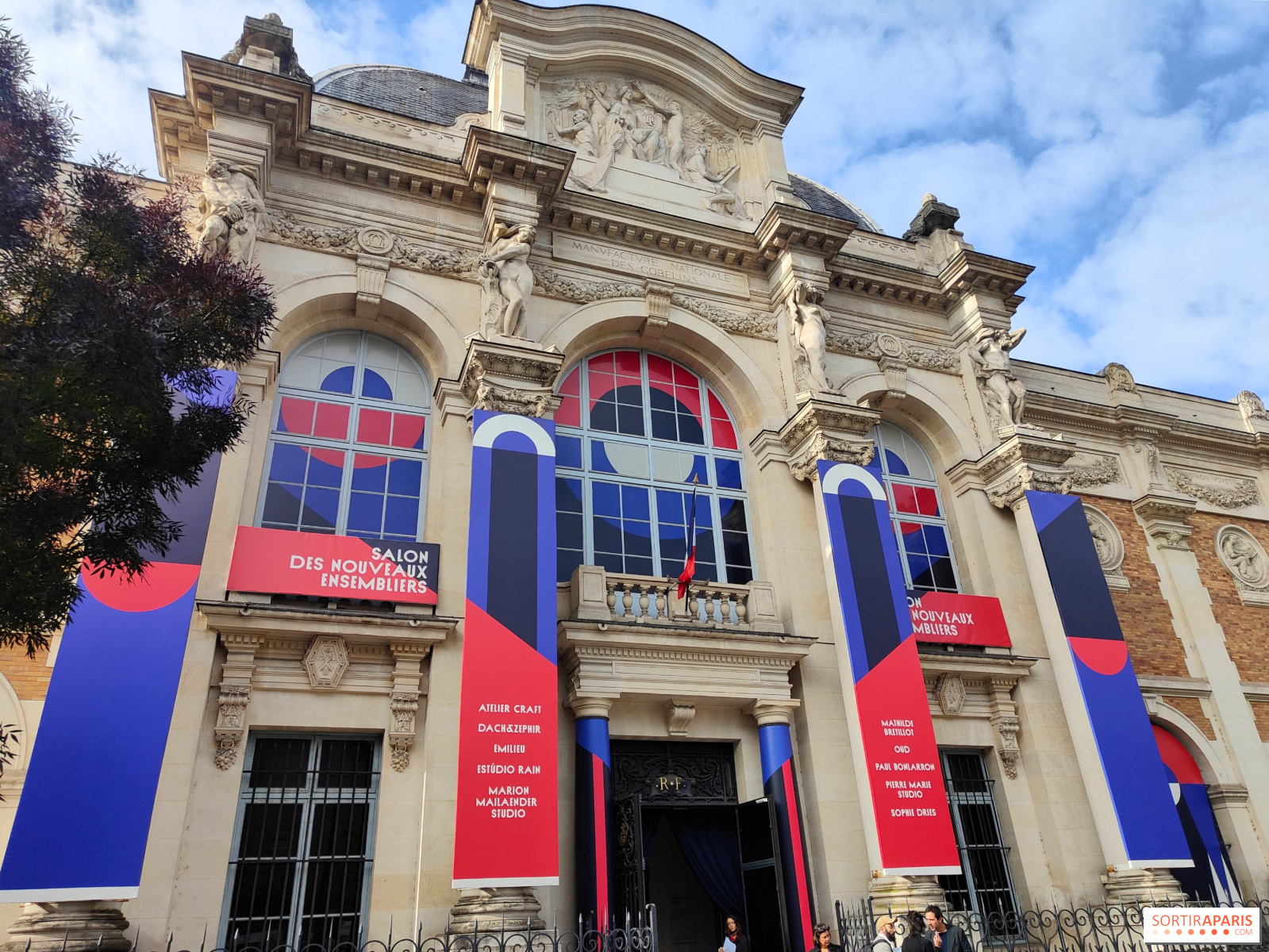
As you may have guessed, this is a reference to the famous Gobelins factory, home to theMobilier National ( e of National Furniture). The four sub-districts of the arrondissement are Salpêtrière, Gare, Maison-Blanche, and Croulebarbe.
The 14th arrondissement: the Observatory district
One might have expected this arrondissement to be named Montparnasse or Alésia, but that would be without taking into account the major scientific monument that isthe Paris Observatory, recognizable by its dome. The four sub-districts are named Montparnasse, Parc de Montsouris, Petit Montrouge, and Plaisance.
The 15th arrondissement: the arrondissement of Vaugirard
Like the 11th and 12th arrondissements, this is a former village that gave its name tothe 15th arrondissement, dating back to the Middle Ages. It is made up of the neighborhoods of Saint Lambert, Necker, Grenelle, and Javel.
The 16th arrondissement: the arrondissement of Passy
The 16th arrondissement brought together three villages: Passy, Auteuil, and Chaillot. The largest of the three, Passy, gave the arrondissement its name. This former village was also known for its mineral water springs and was home to many famous figures, including Honoré de Balzac and Chateaubriand. The sub-districts were named Auteuil, Muette, Porte Dauphine, and Chaillot, respectively.



 The day the 16th arrondissement of Paris refused to be the 13th because of a popular expression
Paris wasn't built in a day, and has grown over the years, as shown by its various arrondissements. And did you know? The 16th arrondissement was originally intended to be the 13th, but firmly refused to be given this number. We explain why! [Read more]
The 17th arrondissement: the Batignolles-Monceau district
This time, it's a feature that's named, since the 17th arrondissement encompassed the villages of Batignolles and Monceau, and both names have been retained for this administrative district. The sub-districts are Ternes, Plaine de Monceau, Batignolles, and Epinettes.

The 18th arrondissement: the arrondissement of Buttes Montmartre
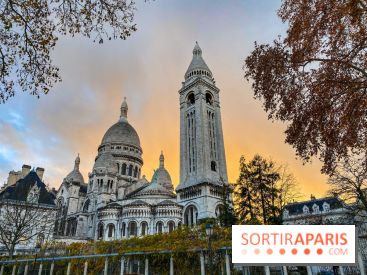
Here, it's pretty obvious: the18th arrondissement's s to the very picturesque Butte Montmartre, so it's no surprise that it was used as inspiration for its administrative district. As for the four neighborhoods that make it up, they are: Grandes Carrières, Clignancourt, Goutte d'Or, and Chapelle.

The 19th arrondissement: the arrondissement of Buttes-Chaumont
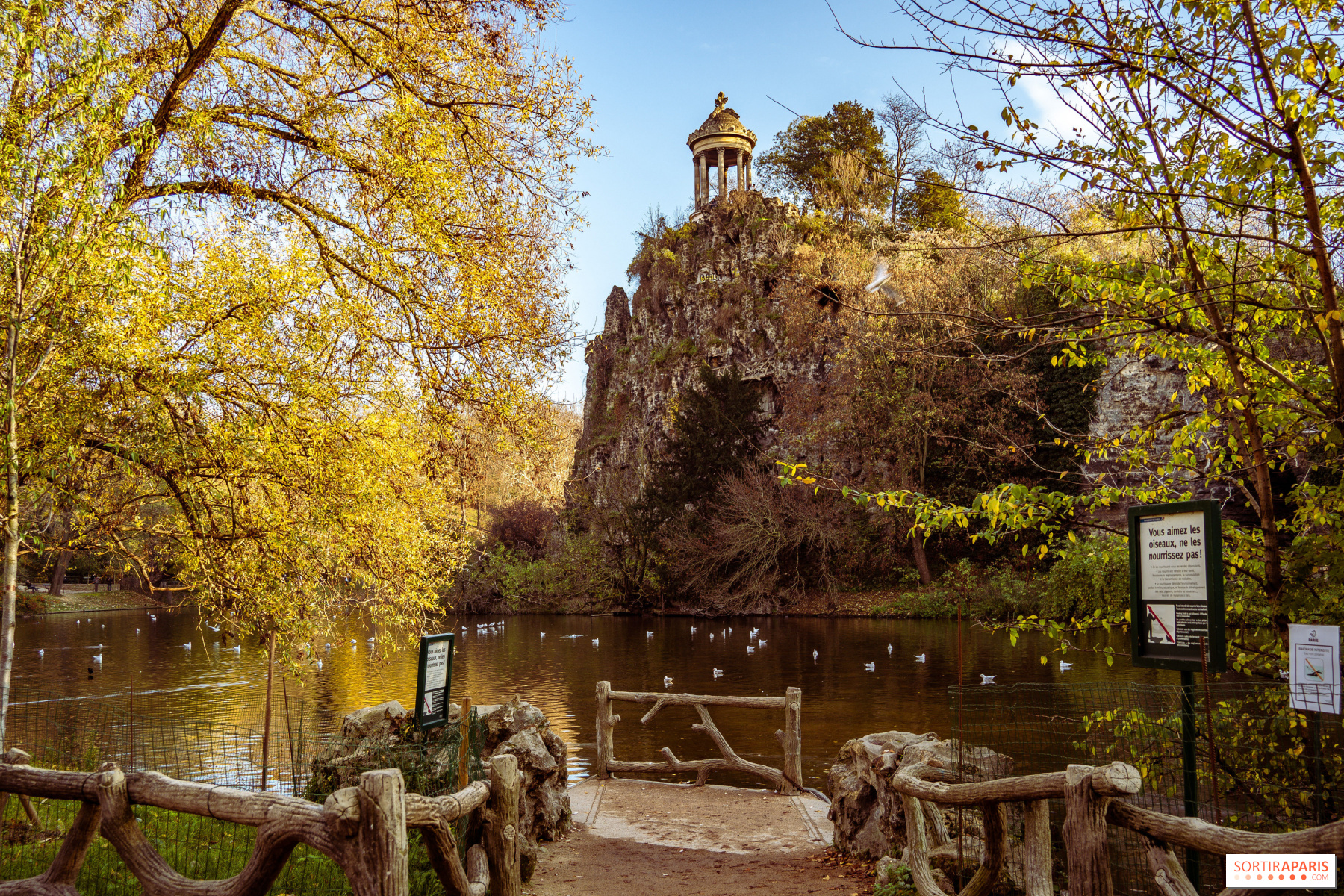
Here too, it is a distinctive feature of the landscape that gave its name to the administrative district of the 19th arrondissement of Paris and reminds us of the unique setting offered by the Parc des Buttes-Chaumont. La Villette, Pont de Flandres, Amérique, and Combat are the four neighborhoods that divide the arrondissement.
The 20th arrondissement: the arrondissement of Ménilmontant
This arrondissement is named after the old village that used to be there, which itself took its name from the distinctive landscape of the area, as it was located on one of the hills of the Butte de Ménilmontant: Mesnil meant "small house" in Old French, while Montant refers to a slope or hill. Together, they mean something like "small estate on the hill." As for its sub-districts, they are known as Belleville, Saint-Fargeau, Père Lachaise, and Charonne.
And now you know everything!





 Métro Picpus: do you know the astonishing legend behind the name of this Paris station?