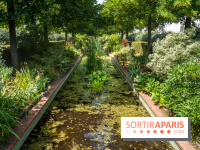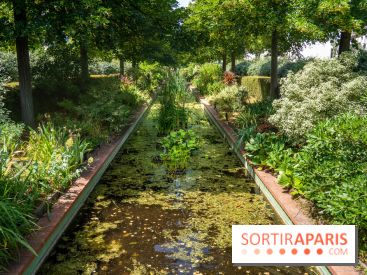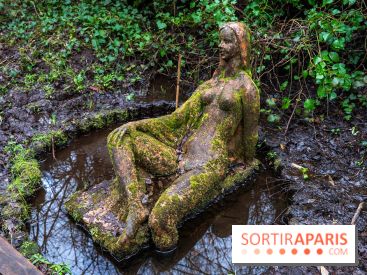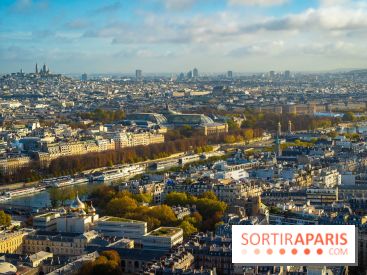
It's impossible to stroll through the Marais without falling under the spell of its cobbled streets, private mansions and arty ambience... But its name comes from an entirely different story. Before it became a Parisian hotspot, the area was a vast swamp! Situated in a low-lying area, it was crossed byformer branches of the Seine and regularly flooded.
From the 9th century onwards, the land began to be drained and dried out. Gradually, the land became usable for farming: vines, cereals, vegetable gardens and ... market gardens. This is precisely where its name comes from: the word "Marais" was used to describe land cultivated thanks to irrigation, and not just wetlands.
From the 13th century onwards, religious orders built convents and churches, while a large Jewish community settled and prospered - a legacy still visible on rue des Rosiers. In 1357, theHôtel de Ville was built at the gateway to the Marais. Its proximity stimulated trade and attracted activity.
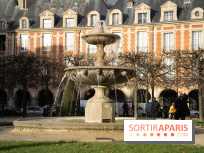
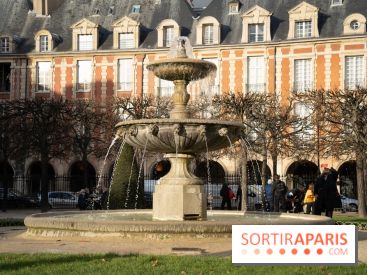
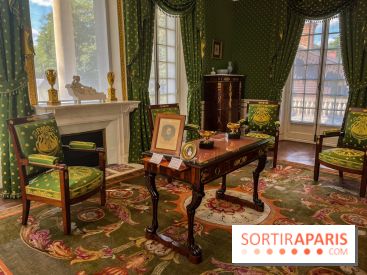
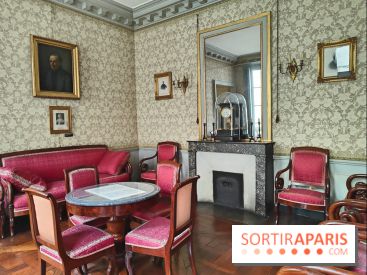
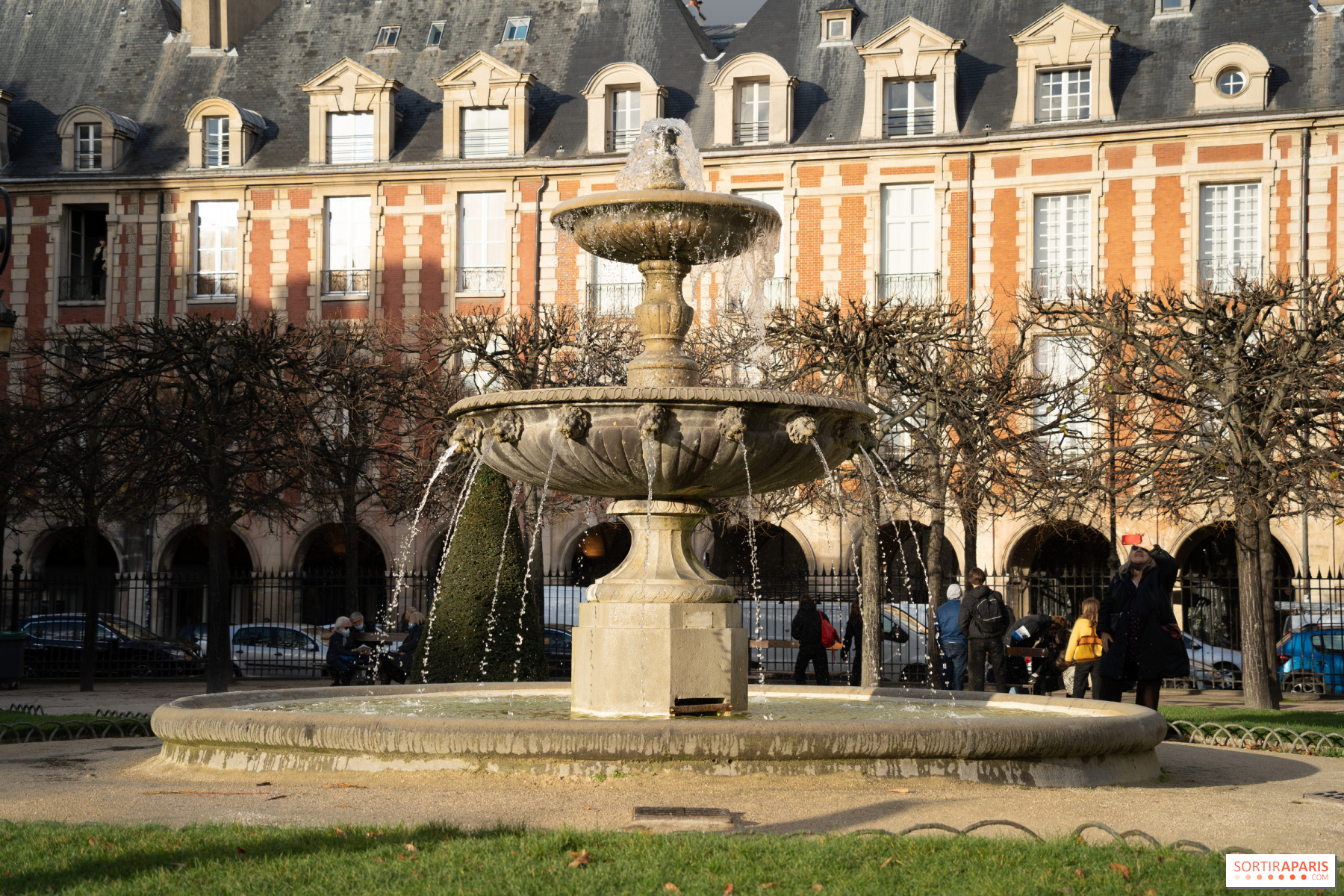
In the 17th century, the district experienced its golden age: sumptuous mansions , secret gardens and, above all, the creation of the majestic Place des Vosges, a jewel of royal urban planning.
Today, the Marais combines history, art and fashion: a former swamp, market garden, community refuge and aristocratic mecca, it has become one of Paris's most vibrant districts.