Did you know that one of Paris' most emblematic landmarks was once a harbor, a scene of executions and a symbol of power? Located in the 4th arrondissement of Paris, Place de Grève - today known as Place de l'Hôtel-de-Ville - was once a gravel area on the banks of the Seine. Before becoming the administrative center of the capital from 1357 onwards, this square was first and foremost a "grève" in the topographical sense: a sandy area sloping slightly towards the river. This toponym, originally descriptive, was to take on multiple historical and social meanings.
The"strike", before being political, was therefore geographical. In 1141, Louis VII ceded part of this area to the powerful corporation of water merchants, who set up an unloading port. This strategic site evolved rapidly: in 1357, Étienne Marcel, Provost of the Merchants, acquired the " maison aux piliers " to build the very first Hôtel de Ville. From then on, the Place de Grève became the administrative heart of Paris, a role it held uninterruptedly until the French Revolution.
But the Place de Grève is also famous for its role in penal history. As early as the 14th century, it became the preferred place of execution for royal and then municipal justice. The very first victim, Marguerite Porette, was burnt alive here in 1310, and for over five centuries, until 1830, the place was associated with the scaffold. Depending on the social status of the condemned, people were hanged, beheaded or burned. " Victor Hugo wrote in Notre-Dame de Paris: " From that time on, the Grève had this sinister aspect which is still preserved today by the execrable idea it awakens.
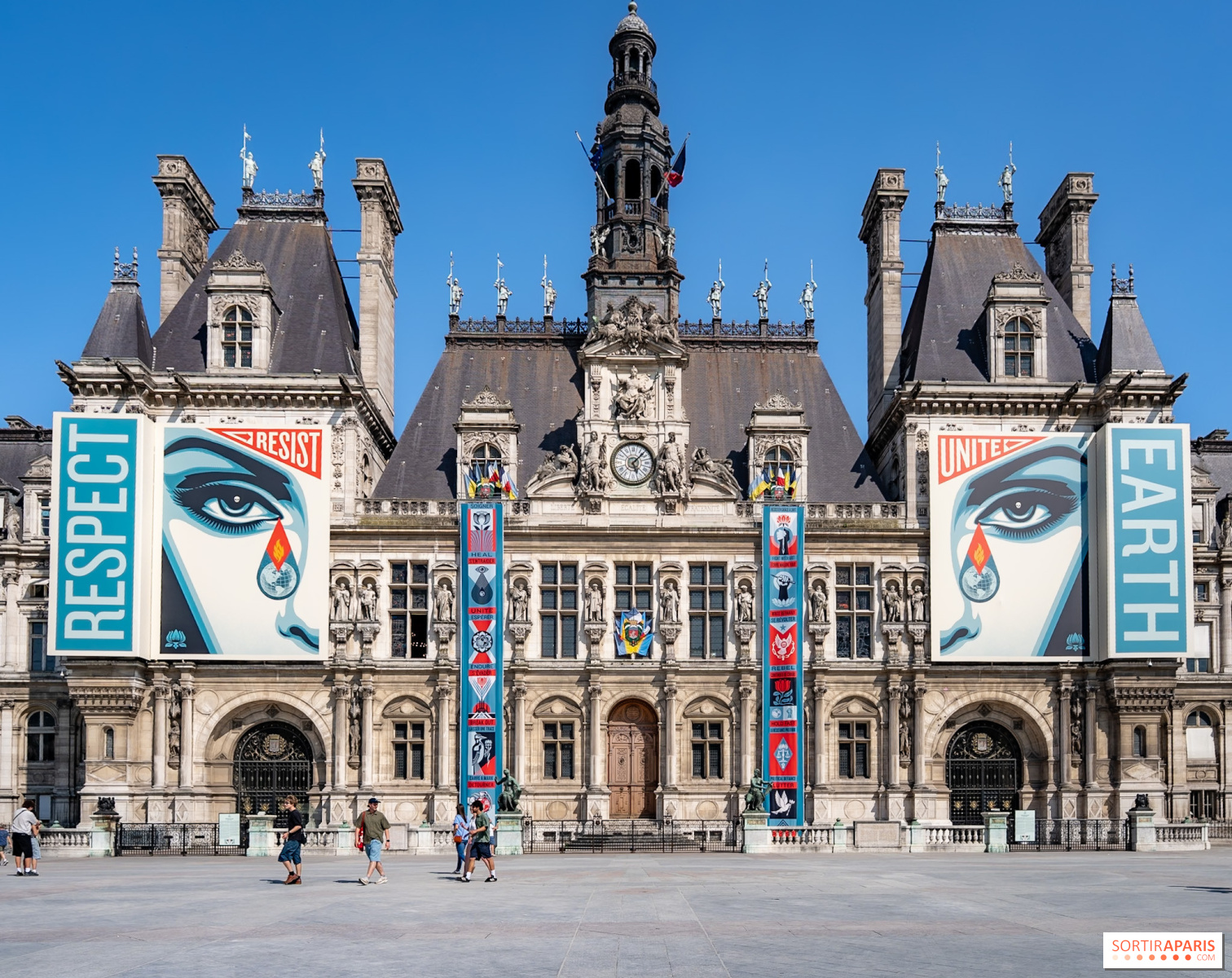
The writer, who witnessed several public executions as a child, vividly evokes these scenes in Le Dernier Jour d'un Condamné (The Last Day of a Condemned Man). In this text, he describes"the Hôtel de Ville [...] dark, gloomy, its face all gnawed with old age [...] On execution days, it vomits gendarmes from all its doors, and looks at the condemned man through all its windows". This spectacle, with its mix of crowds, fear and morbid entertainment, left a lasting mark on our collective memory.
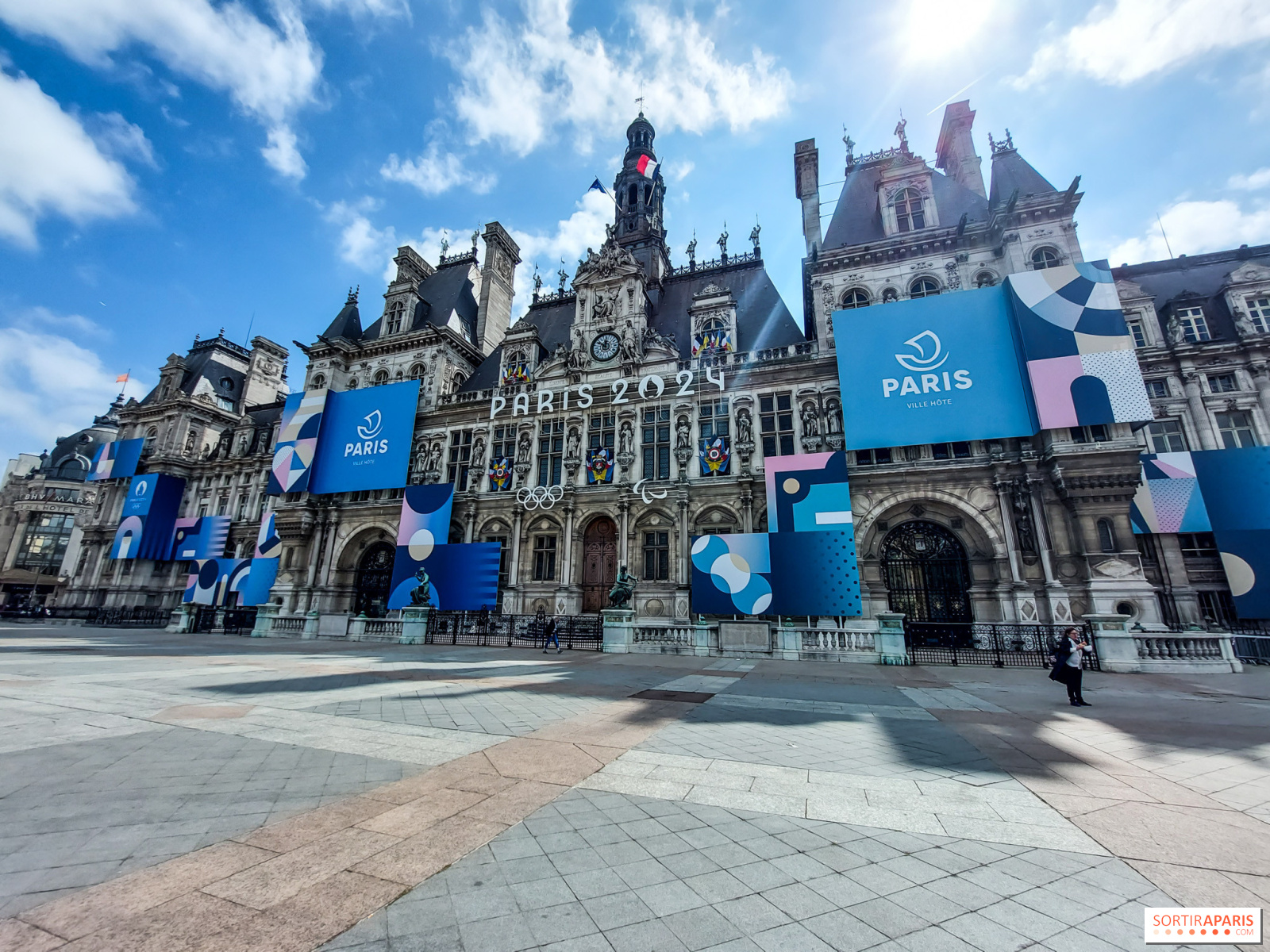
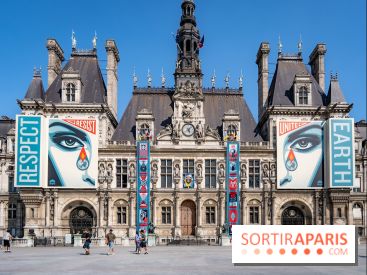
Alongside this judicial dimension, the square retained its role as the center of municipal power. As early as Francis I, a project to rebuild theHôtel de Ville was entrusted to Dominique Boccador. Construction began in 1533, but was not completed until 1628. The building underwent several transformations in the 19th century, notably under the impetus of Prefect Haussmann, who himself moved into the building in 1853.
In 1803, the Place de Grève was officially renamed Place de l'Hôtel-de-Ville, in a bid to modernize its toponymy. The word"grève" (strike), which had become synonymous with popular gatherings and protests, particularly in view of subsequent labor movements, was replaced by a more institutional name.
Today, although executions ceased in 1832 (they were moved to the barrière Saint-Jacques), the former Place de Grève retains in its stone and memory the imprint of the centuries. It remains a gathering place, but also a silent witness to the political, social and judicial transformations of Paris. As Hugo wrote in Actes et Paroles:"There is a horrible, tragic, execrable, pagan divinity. [...] It is now called the Death Penalty".
The Place de Grève, long the scene of both state violence and the exercise of municipal power, sums up the historical complexity of Paris: between justice, politics, commerce and collective memory.
This page may contain AI-assisted elements, more information here.