In the heart of the Grands Boulevards, the Max Linder Panorama Cinema still attracts Parisian film lovers in search of the big screen and the history of the seventh art. But behind this name, which has become an institution in the 9th arrondissement, lies a major figure in silent cinema: Max Linder.
An actor, director, screenwriter, and true pioneer, he inspired entire generations of artists, from Charlie Chaplin to Pierre Étaix and Jean Dujardin. Yet behind his smile and ingenious gags lies a tragic destiny, that of a genius overtaken by his demons. Who was Max Linder? We'll tell you all about him.

Born Gabriel Maximilien Leuvielle in 1883 in Saint-Loubès, in the Gironde region, Max Linder grew up in a bourgeois environment, in the heart of the Bordeaux vineyards. After a brief training at the Bordeaux Conservatory, he moved to Paris to try his luck in the theater, without much success. It was at Pathé that he finally found his calling: the company hired him to shoot comedy films on a daily basis. Max Linder was not content to be just an actor; he became a creator of forms, inventing the character of Max, an elegant young dandy with a top hat and small moustache, the prototype of the modern comedy hero.
His success was immediate. From 1910 onwards, Max Linder made a series of short films, combining the roles of screenwriter, director, and actor. His films, veritable little burlesque mechanisms, captivated international audiences. His triumphant tours abroad established him as the world's first movie star. Charlie Chaplin himself was inspired by him to create his famous character, the Tramp, paying tribute to the man he called "his master."
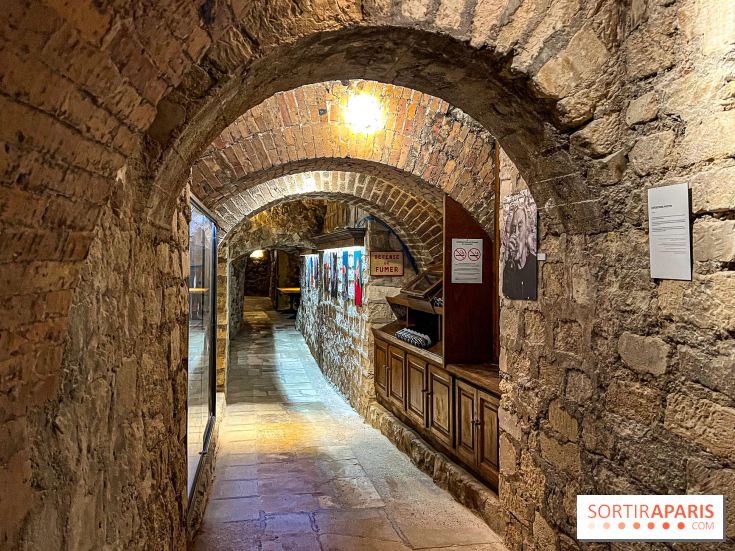
Aware that he was building a lasting legacy, Max Linder designed his own cinema in Paris. In 1919, he inaugurated the Max-Linder on Boulevard Poissonnière, a theater designed down to the smallest detail, from the seating arrangement to the musical orchestration. This venue, now known as the Cinéma Max Linder Panorama, bears witness to his high standards and artistic vision. The actor controlled everything, convinced that cinema was a total art form, where staging and atmosphere had to merge.
But behind this rigor lay a growing fragility. After a serious accident on set, health problems, and professional failures, the artist settled for a time in Lausanne, then in Chamonix. It was there that he met Hélène Peters, a sixteen-year-old girl whom he married despite his family's reluctance, in an atmosphere already marked by melancholy.
Max Linder 's career continued in Hollywood, where he directed several ambitious feature films, including Le Roi du cirque(The King of the Circus). Despite favorable reviews, he struggled to make his mark in an industry dominated by the United States. Tired and concerned about the future of French cinema, he became involved in defending the copyrights of filmmakers and became president of the Société des auteurs de films (Society of Film Authors). In a speech in 1925, he warned: "To have good films, we need good authors... and for that, we must recognize their rights."
But depression caught up with him. On October 31, 1925, Max Linder took his own life, dragging his wife to her death with him. He left behind a sixteen-month-old daughter, Maud, and an unfinished but seminal body of work. His tragic death brought an end to a dazzling career that was both comical and deeply human.
A hundred years after his death, Max Linder's shadow still looms large over cinema. His gags, his elegance, and his ironic view of bourgeois society continue to influence modern slapstick comedy. Whereas Charlie Chaplin embodied the endearing tramp, Max Linder played the clumsy dandy, a prisoner of his own polite world.
Through his character, he invented the very idea of the movie hero, both a mirror and a caricature of his creator. And if the Max Linder Panorama Cinema continues to bear his name today, it is because it recalls the ambition of a man who, long before others, understood that cinema was not just entertainment, but an art capable of recounting the complexity of the world and the human soul.
This page may contain AI-assisted elements, more information here.