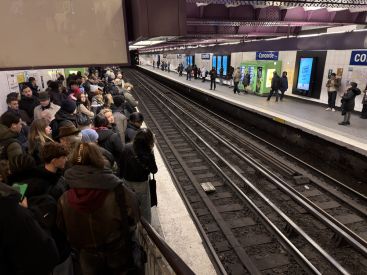
Did you think " Picpus " was just another station name on line 6 of the Paris metro? Think again. In reality, this unusual word hides a much more singular origin than it seems. Somewhere between a medieval legend and a toponymic hypothesis, Picpus has a rather original meaning. What if this strange name came from... a healing monk who cured the itching caused by fleas? Come on, let's take you on a historical journey through Paris's 12ᵉ arrondissement.
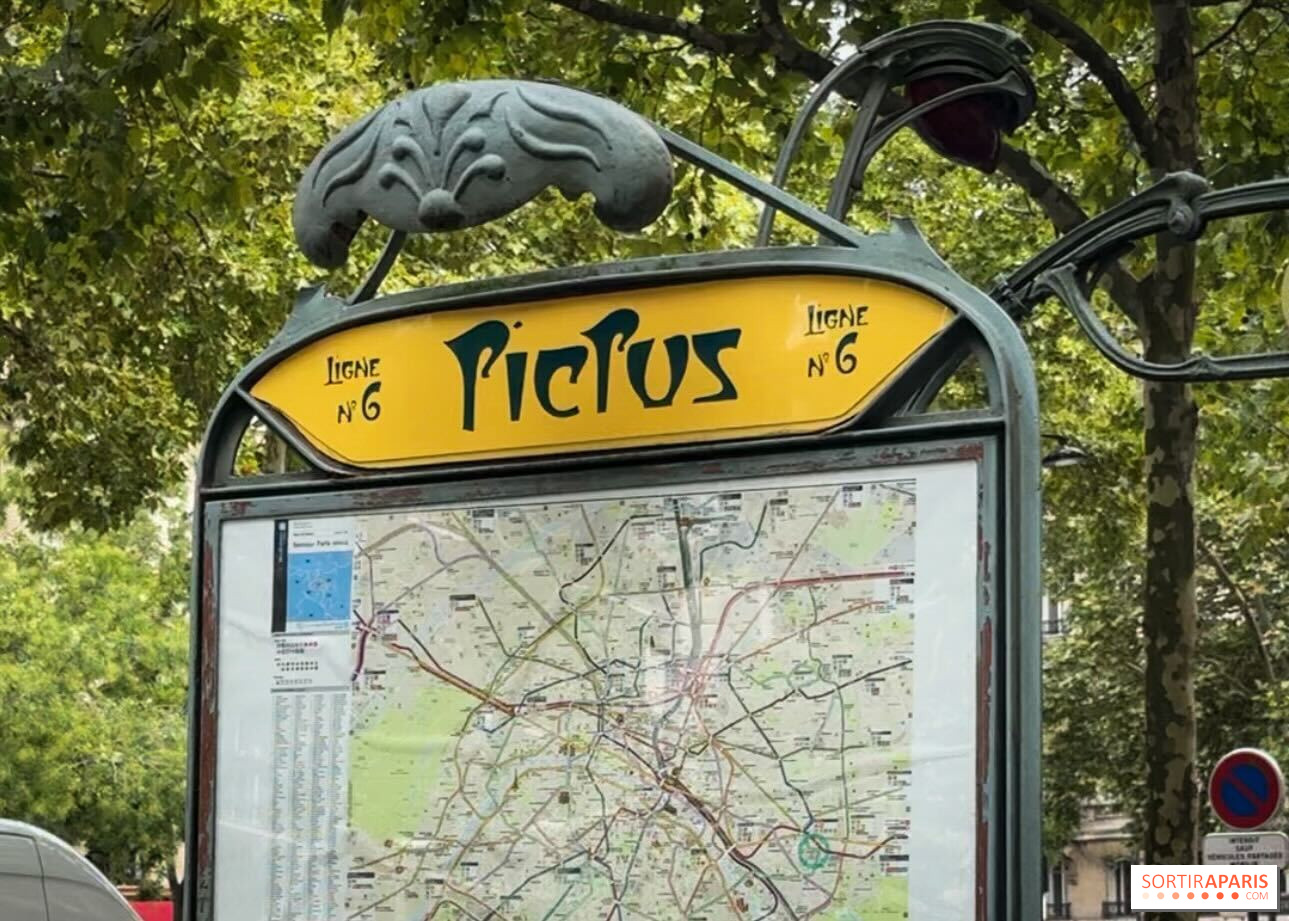
When it opened on March 1ᵉʳ 1909, the station was simply called Saint-Mandé, like the avenue it runs alongside. But in 1937, confusion with the neighboring Saint-Mandé - Tourelle station on line 1 prompted the RATP to rename the stop. It thus took the name of the nearby district: Picpus. Sober, concise, but above all... confusing. For who or what does Picpus refer to?
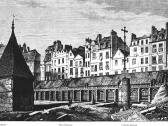
There are two tracks behind this title. According to legend, the story dates back to the XVIᵉ century. At that time, a strange ailment struck the inhabitants of the local hamlet: reddish-white tumors appeared on their skin, causing unbearable itching. A monk - whose name has been lost over the centuries - applies a mysterious ointment to the wounds. And what a miracle! The next day, no more pimples, no more pain. The people were relieved.
But the magic would have a much more down-to-earth explanation: the monk's ointment was nothing more than a flea remedy. This is how he came to be nicknamed "Pique-Puce", in reference to the bites he relieved. And by phonetic slippage, Pique-Puce became Picpus, designating first the hamlet, then the neighborhood, and finally... the metro station.
The other meaning is more rational: some linguists put forward a toponymic hypothesis. The name Picpus could derive from a Latin contraction of pic (slope) and pud/pod (foot or hill), evoking a modest but marked geographical relief. Others see a Celtic origin, always linked to a natural elevation. Less rocky, but plausible.
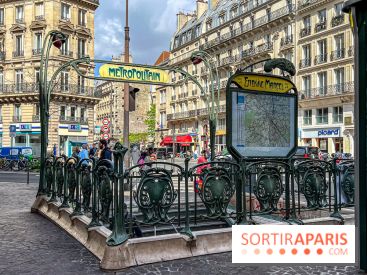
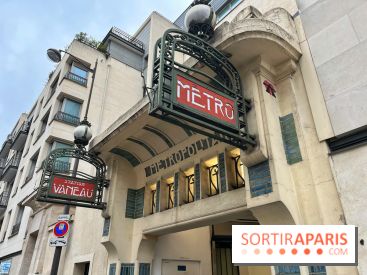
The icing on the cake: one of the station's entrances is adorned with an authentic Art Nouveau aedicula by Guimard, listed as a historic monument. The perfect opportunity to look up and admire this jewel of Parisian heritage.
This page may contain AI-assisted elements, more information here.