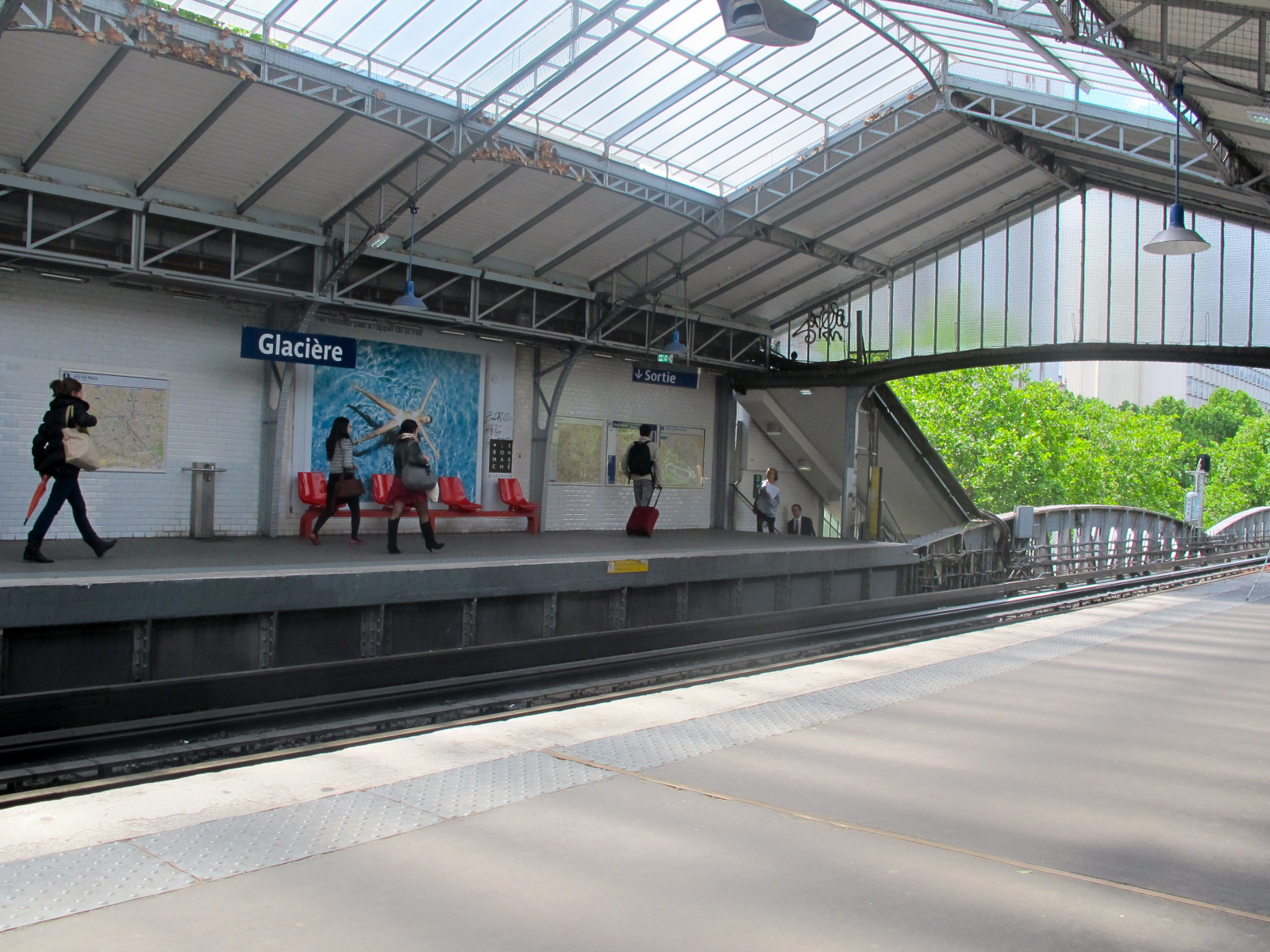
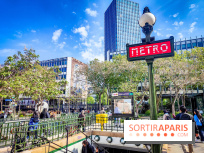
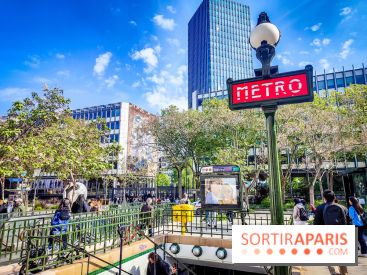
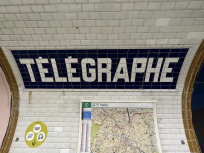
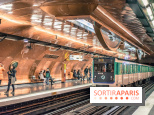
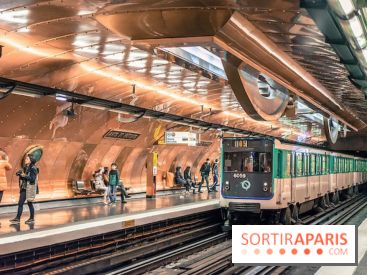
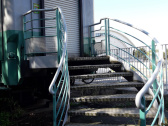
Today, thousands of Paris metro passengers pass throughGlacière station every day, perched on line 6 between Corvisart and Saint-Jacques. For many, it's just a stop on their daily journey. But sometimes, the name intrigues. "Glacière? Why would this corner of southern Paris have a name that brings to mind winter, ice cubes and freezers? Well, the answer goes back to a time when... Paris didn't yet have refrigerators.
Before refrigerators, there had to be a way to keep food cool, especially in summer. And the Parisians of yesteryear had found a solution: in winter, when ponds and small rivers froze over - notably the Bièvre, a river that has now disappeared beneath the city - large blocks of ice were cut up. These chunks were then stored in wells or specially converted cellars, known as... glacières.
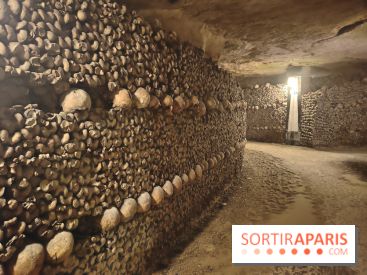
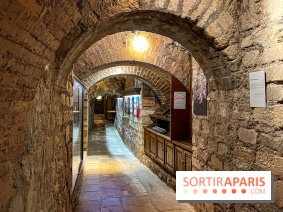
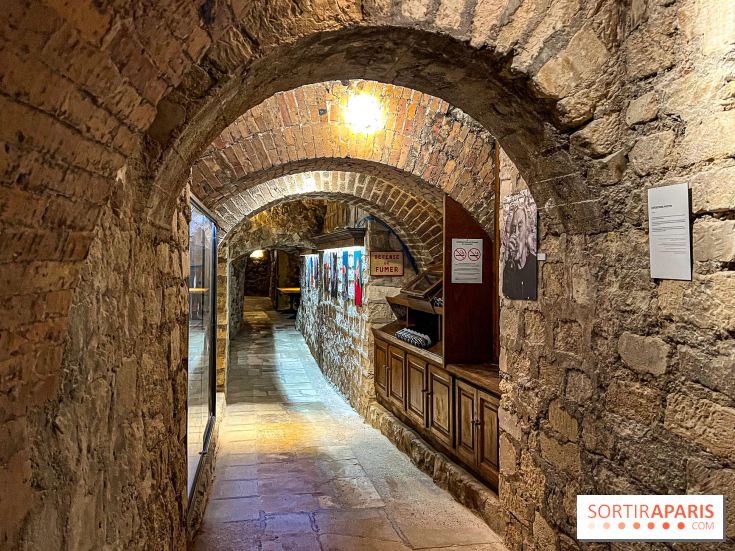
The area around the current station was known for just that. There weredisused quarries there, deep and cool, ideal for storing ice harvested in winter. The blocks were then used all year round to cool food and drinks, or even to make the first ice creams and sorbets. A veritable local industry, long before the advent of technology.
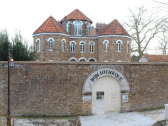
This little corner of Paris, nicknamed the hameau de la Glacière, has kept the memory of this activity alive. Rue de la Glacière was so named in the XIXᵉ century, and when the metro station opened in 1906, it simply took over the name of the neighborhood Today, there are no visible traces of the wells or the ice blocks. But the name remains. And it reminds us that in Paris, even metro stations have stories to tell. Sometimes you just have to look up to remember them.
This page may contain AI-assisted elements, more information here.