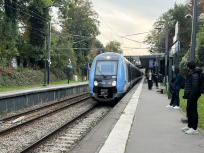
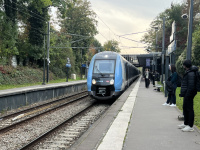
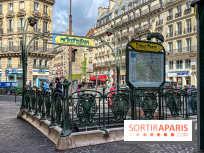
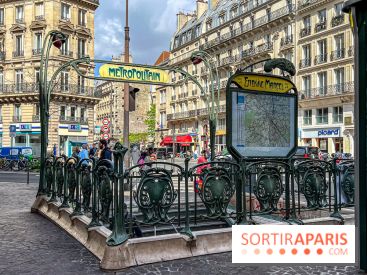
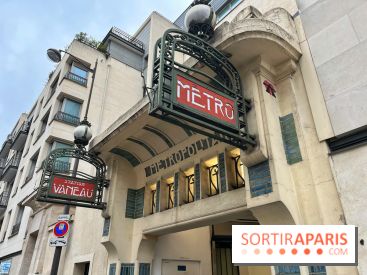
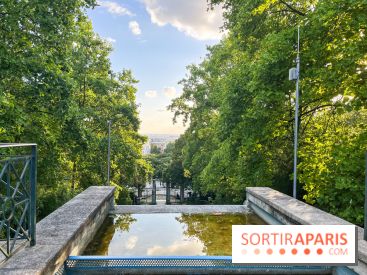
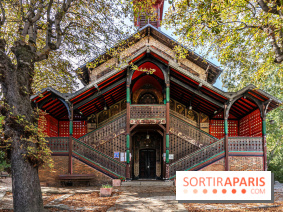
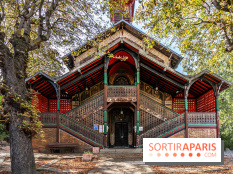
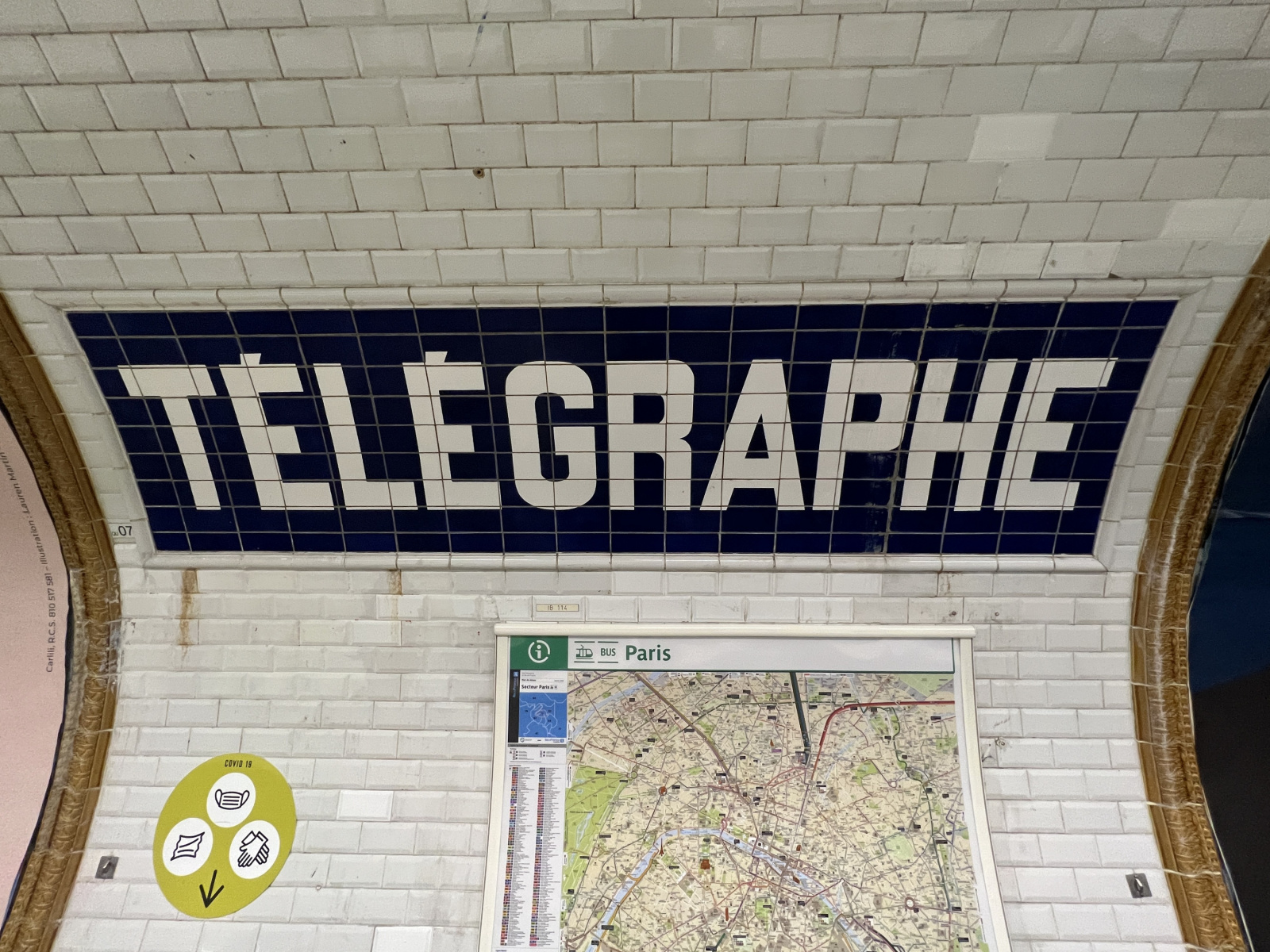
If the Télégraphe station stands today on line 11, it's because in the 18th century, the Butte de Belleville was home toone of Claude Chappe's optical telegraph stations. The name is a reminder that this corner ofParis's 20th arrondissement was once a hotbed of the first long-distance communications.
In 1792,engineer Claude Chappe perfected an optical transmission system using visual signals: the telegraph. These were large towers equipped with articulated arms, which were oriented according to a precise code. Placed at regular intervals, they enabled a message to travel in just a few minutes, whereas horses took hours or even days. A real revolution for the time!
And where should such a communication tower be installed? Preferably high up, to guarantee visibility. This is how one of the relay stations in the Chappe network came to be located on the Butte de Belleville, one of the highest points in Paris. This station served as a transmitter and relay station in the chain linking Paris to Lille, and then to the rest of France.
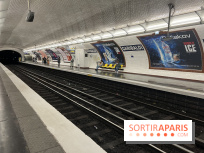
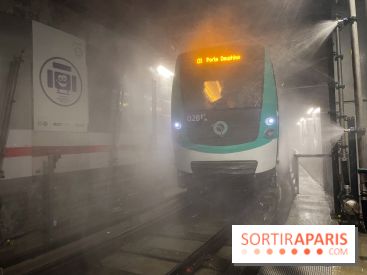
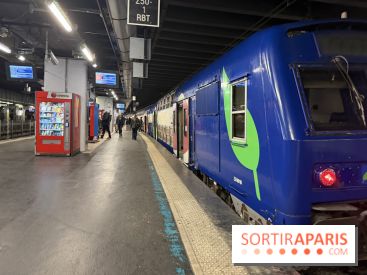
When line 11 of the Paris metro was inaugurated in 1935, the station located here was naturally named Télégraphe, in homage to this pioneering page in the history of communications. Even today, harried travellers on the line have no idea that they are following in the footsteps of this visionary device, which could have been the forerunner of the Internet!
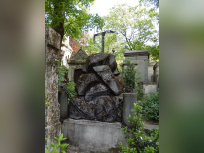
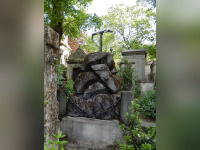
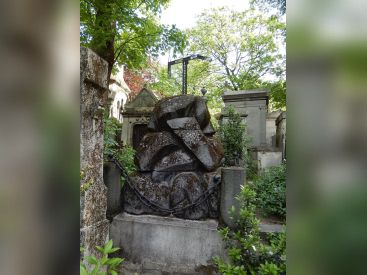
In fact, Claude Chappe is buried not far from here, in the Père Lachaise cemetery, and his mysterious tomb still intrigues walkers today!
Do you know the secret of this mysterious tomb in Père Lachaise?
In the 29th division of the Père Lachaise cemetery, an unusual tomb surprises walkers who come to explore this necropolis in the heart of Paris: a mountain of stone topped by a strange antenna. We tell you the secret of this original burial site. [Read more]
This page may contain AI-assisted elements, more information here.




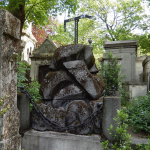
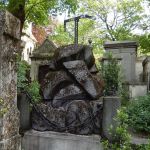 Do you know the secret of this mysterious tomb in Père Lachaise?