The Galerie Colbert, located next to the renowned Galerie Vivienne in the 2nd arrondissement, is experiencing a revival after three years of refurbishment. From 2022 to 2025, this covered passage—with a unique history—has been painstakingly renovated by the National Institute of Art History (INHA). Built in 1826, demolished in 1873, reconstructed in 1874 by Henri Blondel, restored in 1986, and ultimately renovated in 2025, it stands as a testament to the changing urban landscape of Paris. Let's go explore this exceptional site, which proudly houses the legendary restaurant Le Grand Colbert, listed as a historic monument. Situated between 6 Rue des Petits-Champs and Rue de la Banque, right in front of the entrance to the Bibliothèque Nationale de France, it sets itself apart from other passages by its complete lack of shops, being solely dedicated to culture.
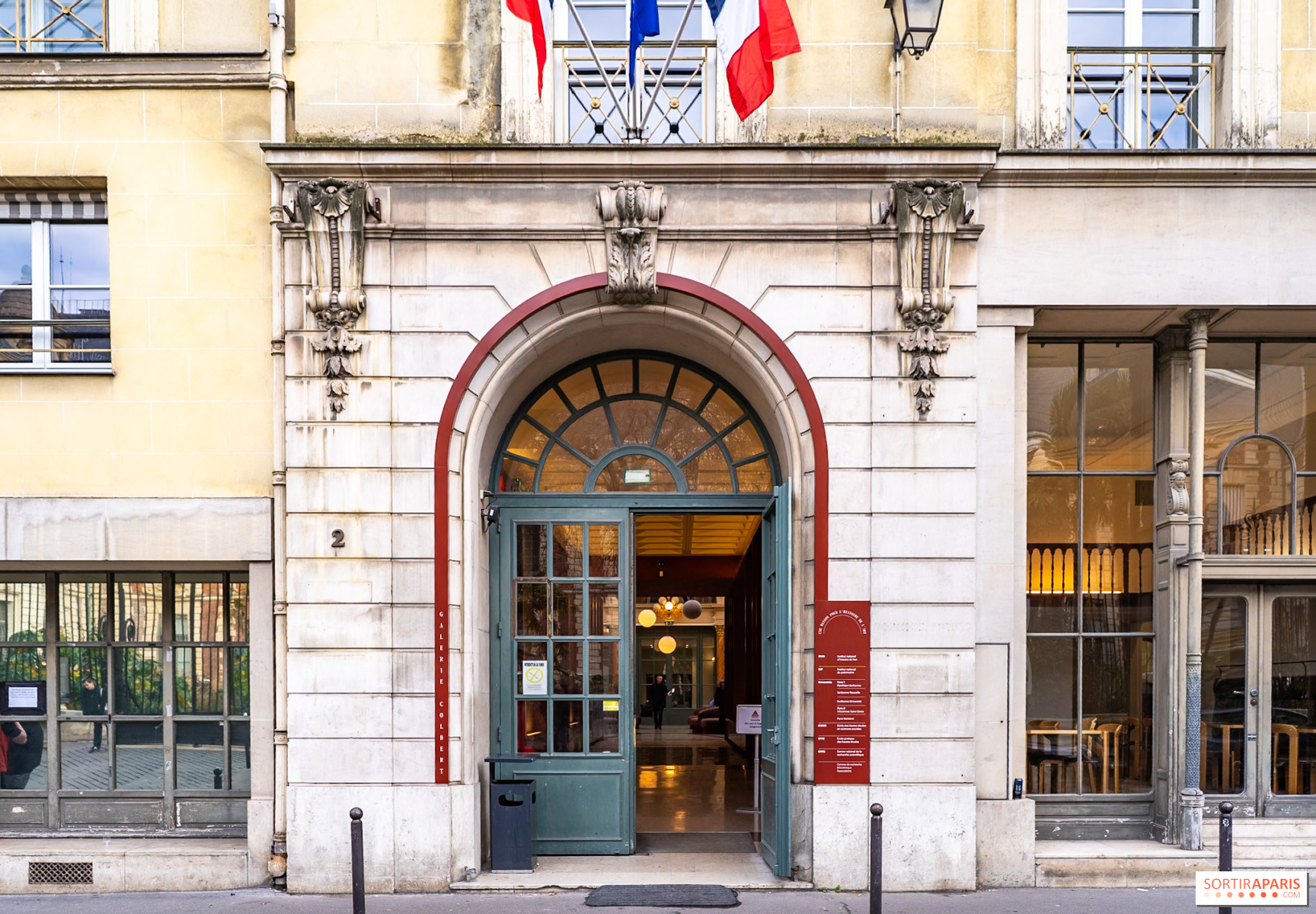
The renovation project, led by Pierre-Antoine Gatier, chief architect of historic monuments, and Constance Guisset, designer and interior architect, aims to bring together experts in art history, archaeology, and heritage preservation. Central to this transformation are the conviviality and spirited exchanges that fuel research. This urban campus now welcomes master’s degree students, both French and international researchers, as well as heritage professionals. Not to forget art history enthusiasts and curious visitors, who are free to explore this historic Parisian passage at their leisure.
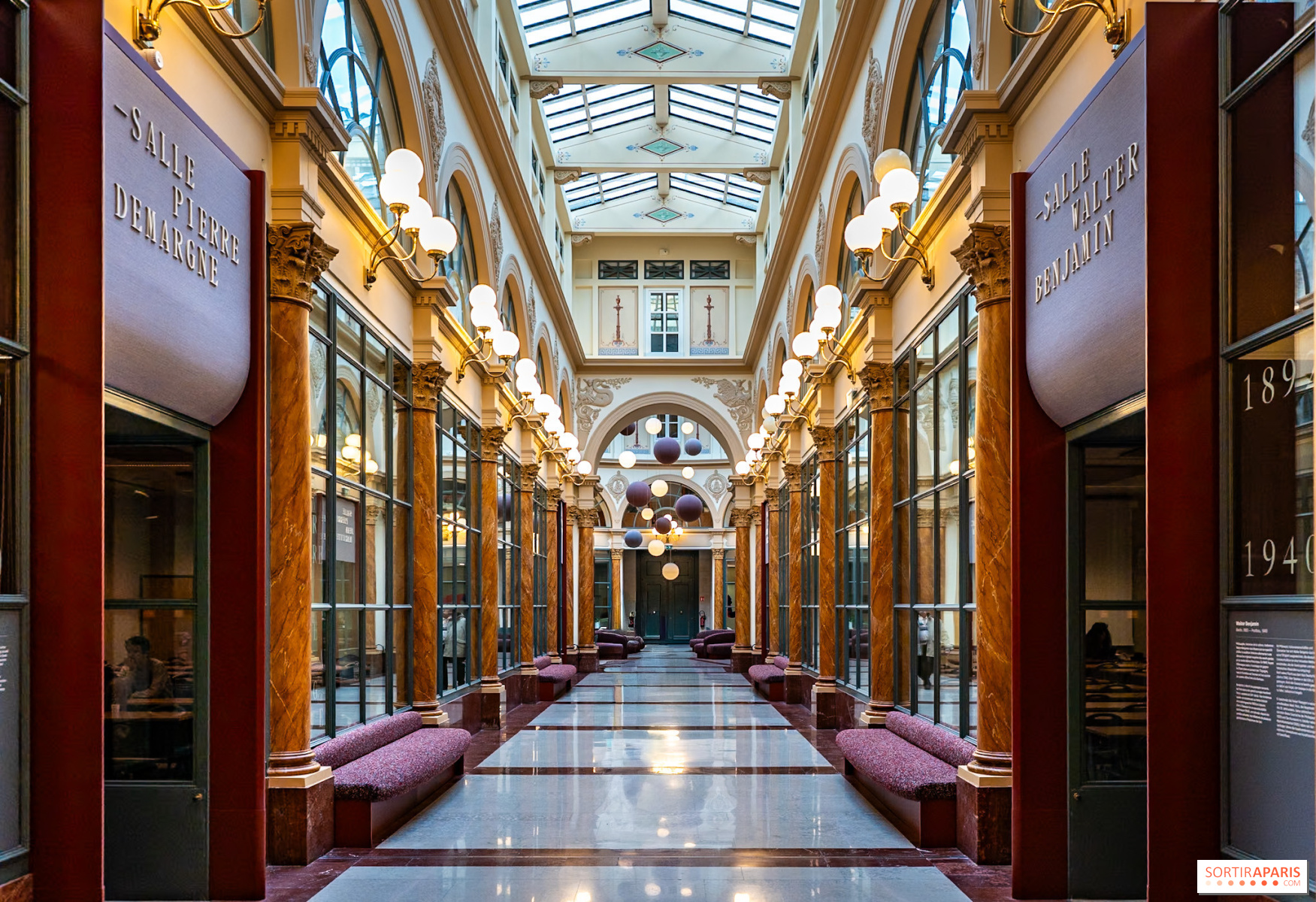
The gallery has maintained its character as a passage open to the city, while evolving into a vibrant social hub. It now houses the National Institute of Art History (INHA), the National Heritage Institute (INP), and several university research departments specializing in art history from various Parisian and Île-de-France institutions. The spaces are now lined with portraits and busts of influential figures in art history and archaeology, with halls named after icons such as Guillaume Guillon Lethière, Walter Benjamin, Roberto Longhi, Aby Warburg, André Chastel, and the resistant Rose Valland, whose memory is honored in the entrance hall.
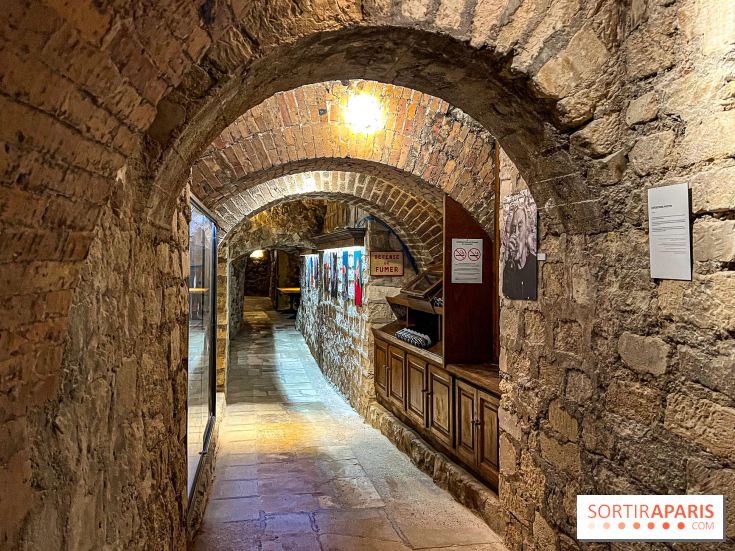
The history of Galerie Colbert dates back to a former private mansion built by Louis Le Vau, once owned by Colbert, and later by Regent Philippe d'Orléans, who resided at the Palais Royal. One of the most astonishing features of this site is that, in the 18th century, it served as the stables for Philippe d'Orléans. Today, it's hard to imagine that the elegant rotunda was once the courtyard of the stables.
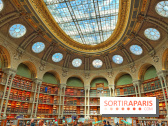
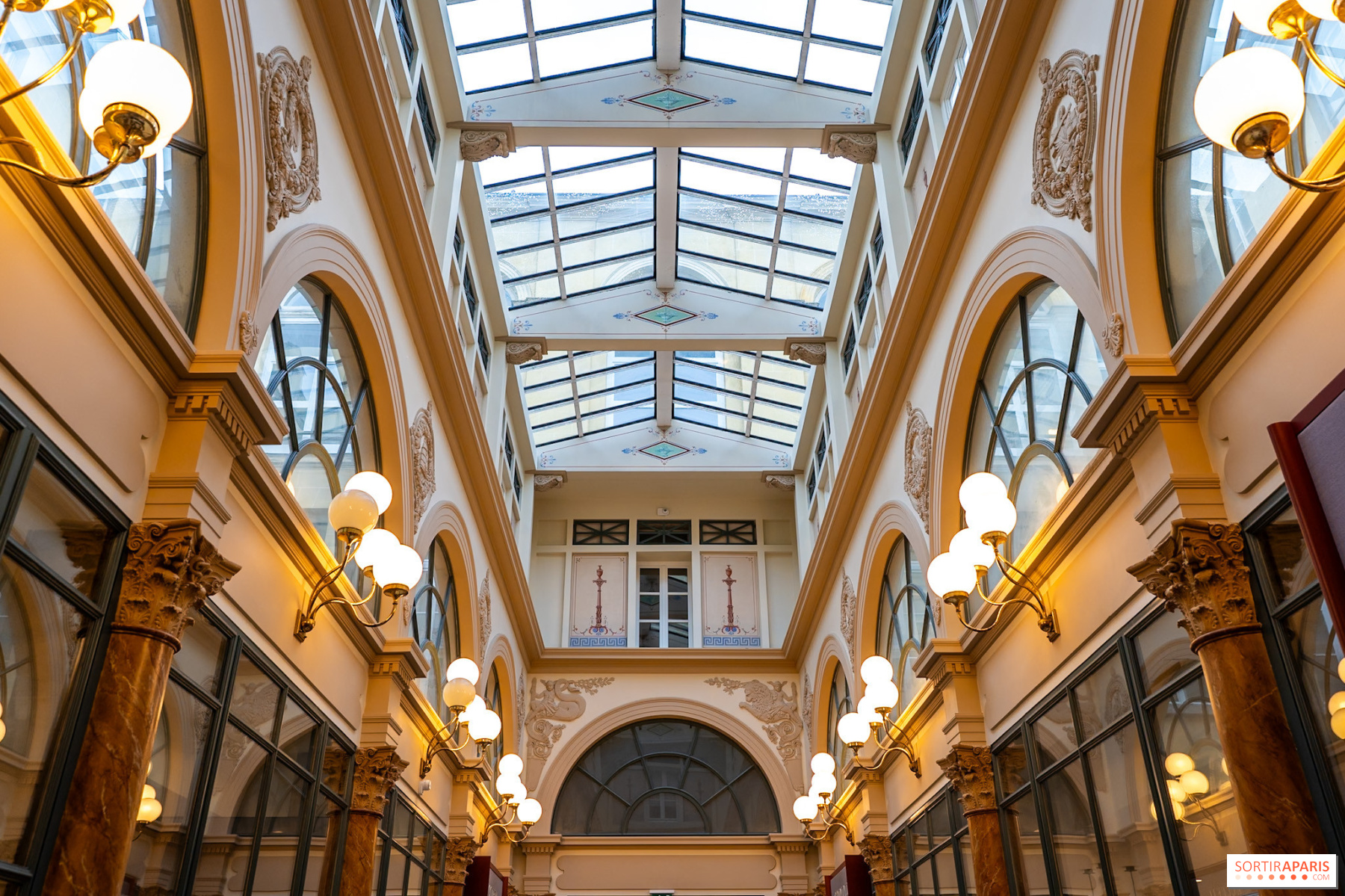
In 1826, the company Adam and Company purchased this complex from the government and decided to convert the old stables into a gallery, aiming to rival the nearby Galerie Vivienne. Architect J. Billaud then pulled off a remarkable feat: transforming the courtyard of the stables into a spacious rotunda illuminated by a glass dome, in keeping with the popular Parisian covered passages of the time—places of leisure, commerce, and social gathering. This spectacular transformation in 1830 marked the birth of a grand 19th-century setting.
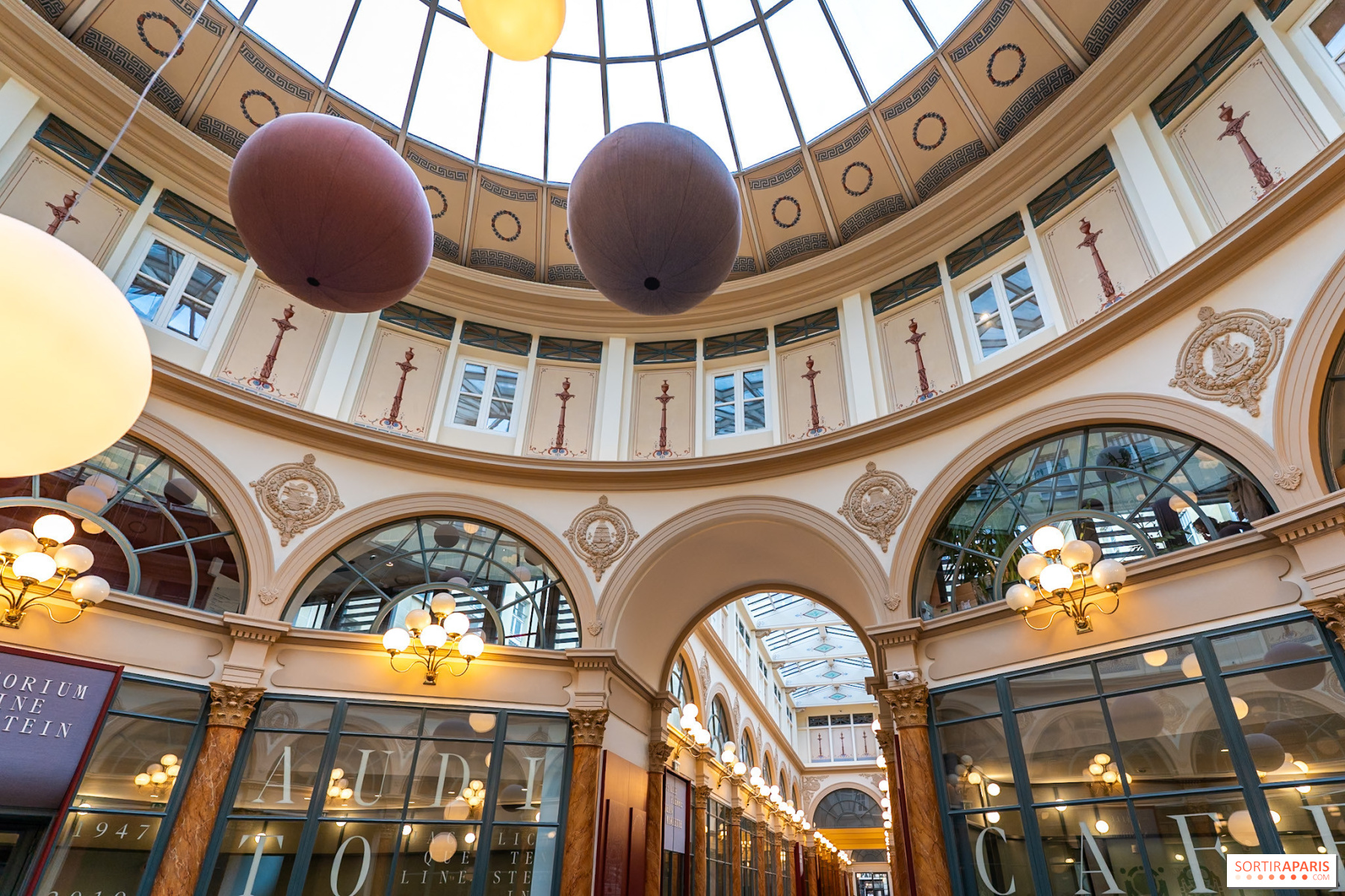
At the center of this rotunda, Billaud placed a stunning bronze candelabrum crowned with seven glass globes illuminated by gas, earning it the nickname "the luminous coconut tree." This candelabrum quickly became the most popular spot for romantic meetings during the July Monarchy. The gallery, stretching 83 meters long and lined with faux-marble half-columns, is decorated with colorful motifs. Above the main entrance, a painting depicts Colbert promoting Commerce.
With the rise of grand boulevards, major department stores, and Haussmann's urban reforms, these passages gradually lost their appeal and no longer suited modern needs. The aging gallery was deemed inconvenient and not sufficiently profitable. As a result, the owners decided to demolish the original structure in 1873 to give the site a new purpose and boost its value.
Between 1873 and 1874, the building was entirely reconstructed by architect Henri Blondel. This ambitious project aimed to create a more impressive and contemporary structure, incorporating offices, shops, and institutions in a refined neo-Renaissance style. The rotunda and glass roof, iconic features, highlight a more durable and distinguished architecture. The once-famous "luminous coconut tree" has since disappeared, replaced by a bronze statue from 1822 by Charles-François Nanteuil-Lebeuf, depicting Eurydice bitten by a serpent.
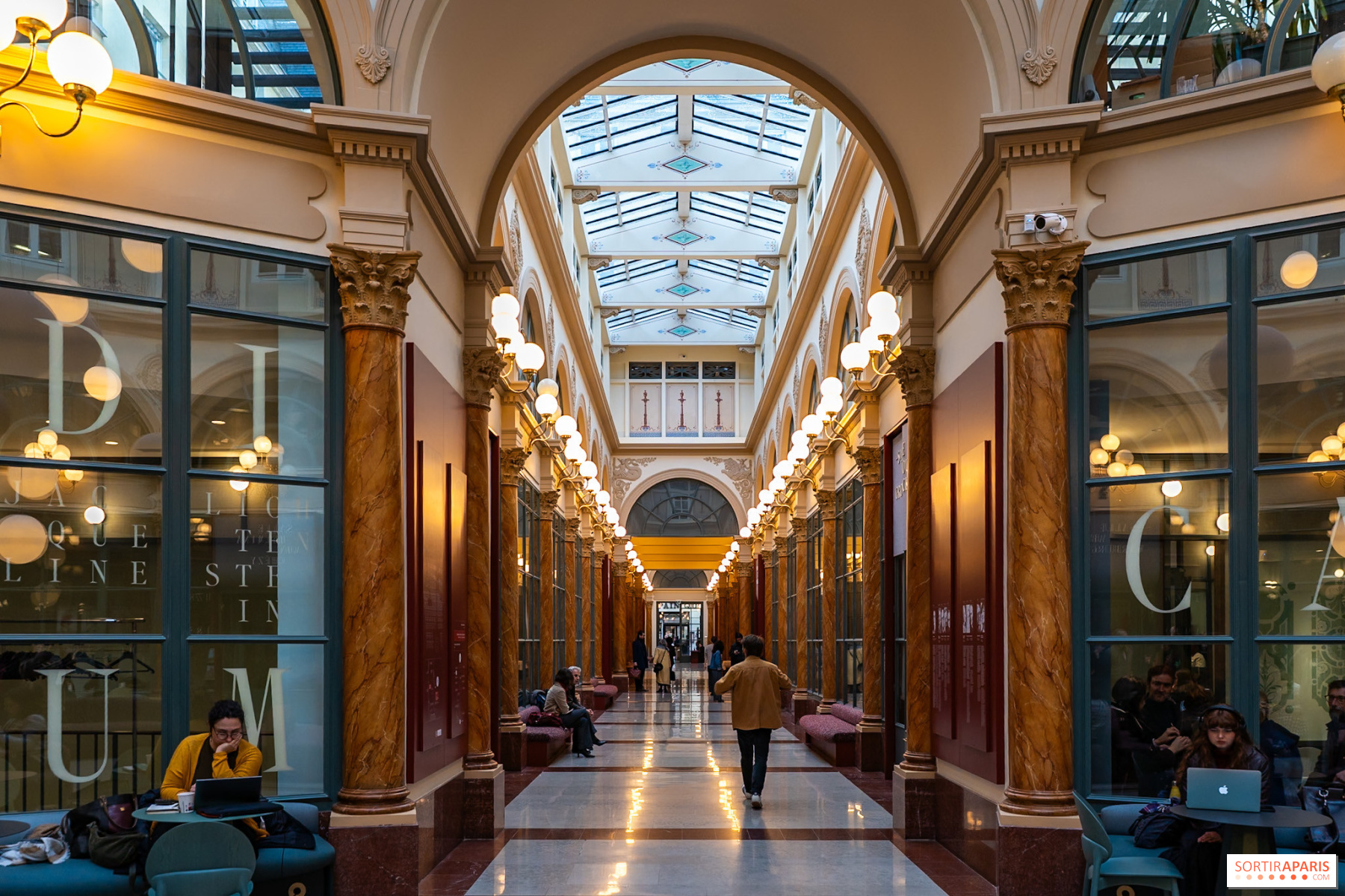
The gallery's architecture influenced many architects across Europe: the concept of the rotunda was frequently adopted whenever crossing walkways within a gallery. Still, despite these redesign efforts, the gallery continued to decline. Ultimately, it was closed in 1975.
The National Library subsequently acquires the gallery and commissions architect Adrien Blanchet to oversee its restoration. By 1986, it is painstakingly rebuilt to resemble its original 19th-century appearance, using period-appropriate materials and techniques. The gallery offers a striking microcosm of Paris’s transformation during the 19th century — from a city rooted in commercial strolling to one of formal institutional grandeur, reflecting the frequent cycles of demolition and reconstruction that Paris underwent to adapt its architecture to emerging urban needs.
Since then, it has been home to the National Institute of Art History and hosts numerous institutions dedicated to art history and cultural heritage. The National Library of France sells postcards, posters, and books on-site. The Charles Cros Museum houses collections from the National Phonothèque. Today protected and preserved, the site has successfully transformed into a vibrant cultural space.
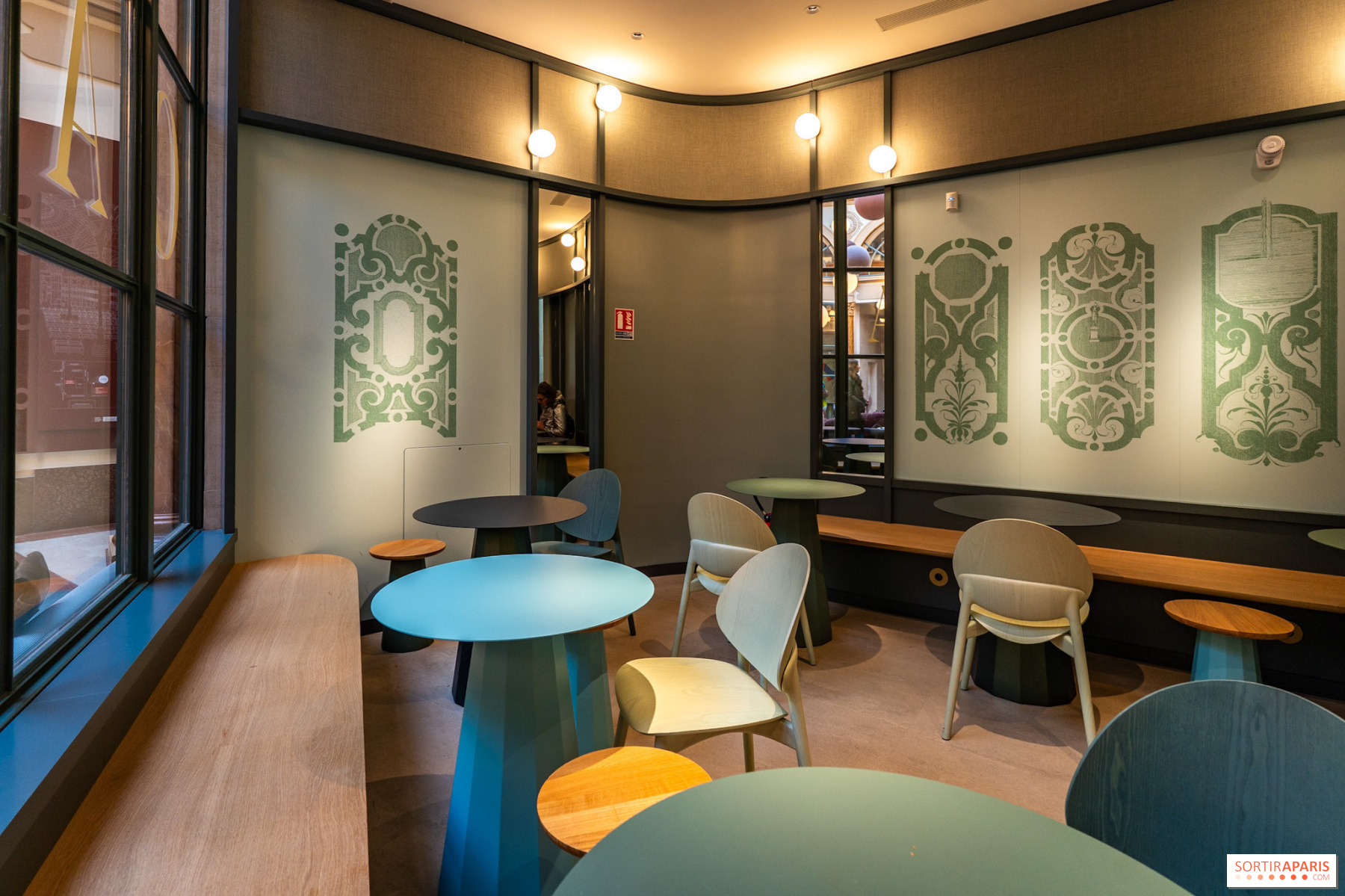
From 2022 to 2025, three years were dedicated to restoring and reimagining the space—carefully revitalizing it without losing its original character and colors. The new project, led by Pierre-Antoine Gatier, breathes new life into the historic passage at the heart of this site. Every detail, from the decorative finishes to the painted faux marbles, was meticulously treated using traditional craftsmanship and fine arts techniques, ensuring an authentic preservation of the site's history. A fresh welcome area now surrounds the remains of the Hôtel Bautru, while a new café has opened in the rotunda, whose gallery faces the garden of the National Library of France, creating a seamless blend of heritage and contemporary use.
Designer Constance Guisset has reimagined furniture to enhance the welcoming atmosphere of the space while respecting the historic architecture. Long benches create inviting zones for socializing between the columns, with a color palette that seamlessly extends from the gallery. Acoustic and signage lintels punctuate the area, reminiscent of a 19th-century covered gallery. The reception now overlooks the gallery, extending into the Rose Valland hall to better serve all visitors.
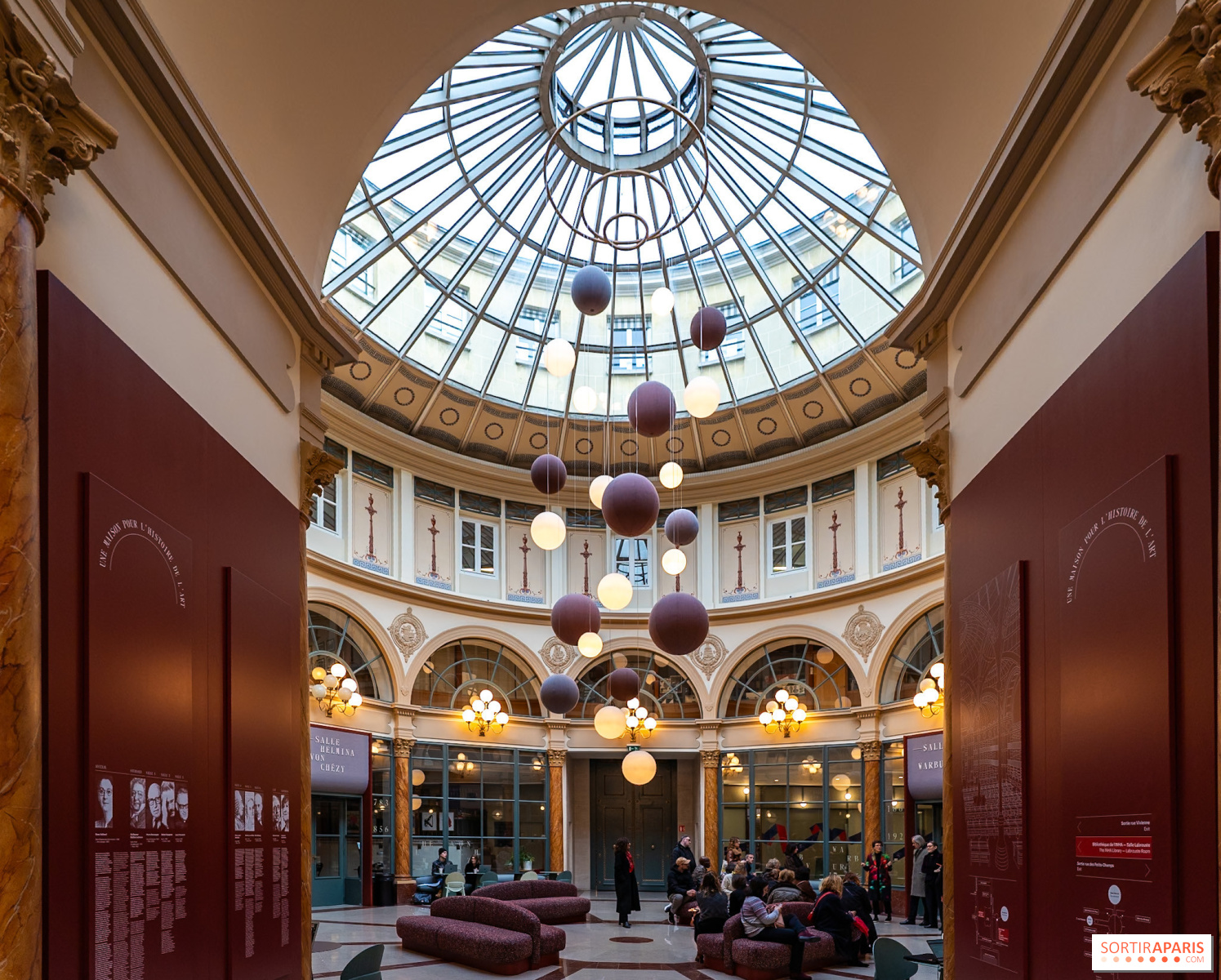
The rotunda transforms into a lively, bustling square, regaining its original concentric design with the addition of sofas that follow the pattern of the floor. At the center, a grand, eye-catching chandelier extends from the top of the glass roof, featuring luminous spheres that echo the existing lighting fixtures, complemented by acoustic spheres to enhance comfort.
Visit the Galerie Colbert to experience a site rich with history, having undergone several lives since its inception in 1826. Destroyed in 1873, it was rebuilt a year later by Henri Blondel in a neo-Renaissance style, and later restored in 1986. The gallery stands as a testament to how Paris has evolved and adapted over time. Unlike its more bustling neighbor, the Galerie Vivienne, this passage offers a peaceful alternative. Unlike other Parisian arcades, it doesn’t host any commercial shops — instead, it’s dedicated entirely to culture and heritage. If you’re looking for a perfect spot to wander through a historic setting while enjoying a coffee in the beautiful rotunda, this is the place to be. The architects aimed to create a welcoming space that encourages gathering and socializing.
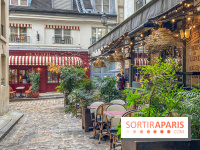
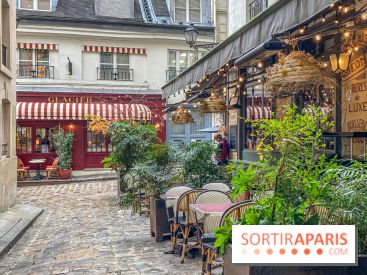
Also on the list is Le Grand Colbert, the iconic brasserie renowned for its Art Nouveau decor classified as a historic monument. A favorite filming location, it’s situated at the entrance on the Petits-Champs street side. The beautifully preserved Belle Époque interior alone makes it worth a visit. The venue regularly hosts conferences, book launches, film screenings, and debates, especially during events like European Heritage Days and Literary Nights.
Nestled between Place des Victoires and the Jardin du Palais-Royal, this arcade is located in a neighborhood renowned for its wealth of passages covered and historic heritage. It's a must-visit spot for anyone passionate about Paris's history, art, and architecture—a charming discovery for culture enthusiasts.
Did you know that this stunning passage was originally the stables of Philippe d'Orléans in the 18th century? It’s hard to picture, gazing at the beautiful rotunda, that it once served as the courtyard for the stables of the Palais Royal. The dramatic transformation in 1830 showcases the architectural ingenuity of the era, turning a utilitarian building into a graceful covered passage.
The famous "Luminous Coconut Tree", a stunning bronze candelabrum topped with a crown of seven crystal globes illuminated by gas, once stood at the heart of the rotunda and became the go-to meeting point for lovers during the July Monarchy. This iconic fixture was lost during the first demolition in 1873. Today, a statue of Eurydice, pierced by a serpent, stands in its place. In 1830, Berlioz performed La Marseillaise from a window of the gallery, a memorable moment etched into the revolutionary spirit of Paris.
In the 19th century, the gallery was home to various luxury shops and a literary salon featuring a library of 15,000 volumes, embodying a pursuit of elegance and knowledge. The name of the gallery pays homage to Jean-Baptiste Colbert, whose private mansion once stood on the same site. To rival the famous Galerie Vivienne, an imposing portrait of Colbert flanked by a statue of Mercury symbolizing Commerce was displayed above the south entrance.
The gallery's architectural design, particularly its central rotunda used to connect the walkways, served as an inspiration for many architects across Europe. It exemplifies the frequent cycle of demolition and reconstruction that shaped Paris—built in 1826, demolished in 1873, then rebuilt a year later in a Neo-Renaissance style, followed by restoration in 1986, and a major reorganization underway from 2022 to 2025. An authentic architectural palimpsest, reflecting the city’s continuous evolution over the centuries.
In short, Galerie Colbert is much more than just a covered walkway: it’s a living piece of Parisian history and an architectural gem that has continually reinvented itself over the centuries. Don’t miss this delightful spot—worthy of a visit for anyone passionate about Paris’s historic passages and 19th-century architecture.
Dates and Opening Time
Next days
Thursday:
from 08:00 a.m. to 08:00 p.m.
Friday:
from 08:00 a.m. to 08:00 p.m.
Saturday:
from 08:00 a.m. to 08:00 p.m.
Monday:
from 08:00 a.m. to 08:00 p.m.
Tuesday:
from 08:00 a.m. to 08:00 p.m.
Wednesday:
from 08:00 a.m. to 08:00 p.m.
Location
Colbert Gallery
1 Passage Colbert
75002 Paris 2
Prices
Free
Recommended age
For all
More information
The venue is open Monday through Saturday from 8 a.m. to 8 p.m., and closed on Sundays. Entrance is free of charge.