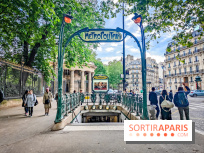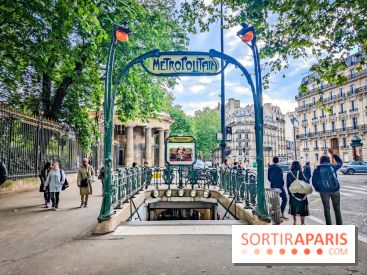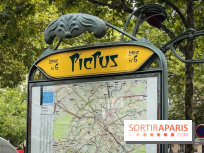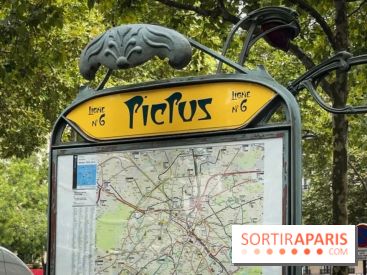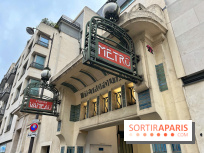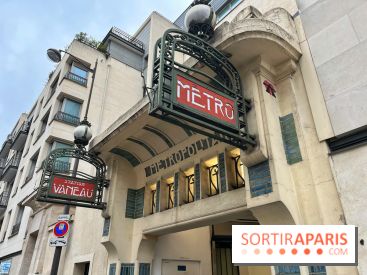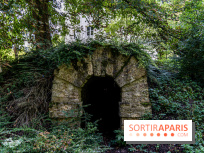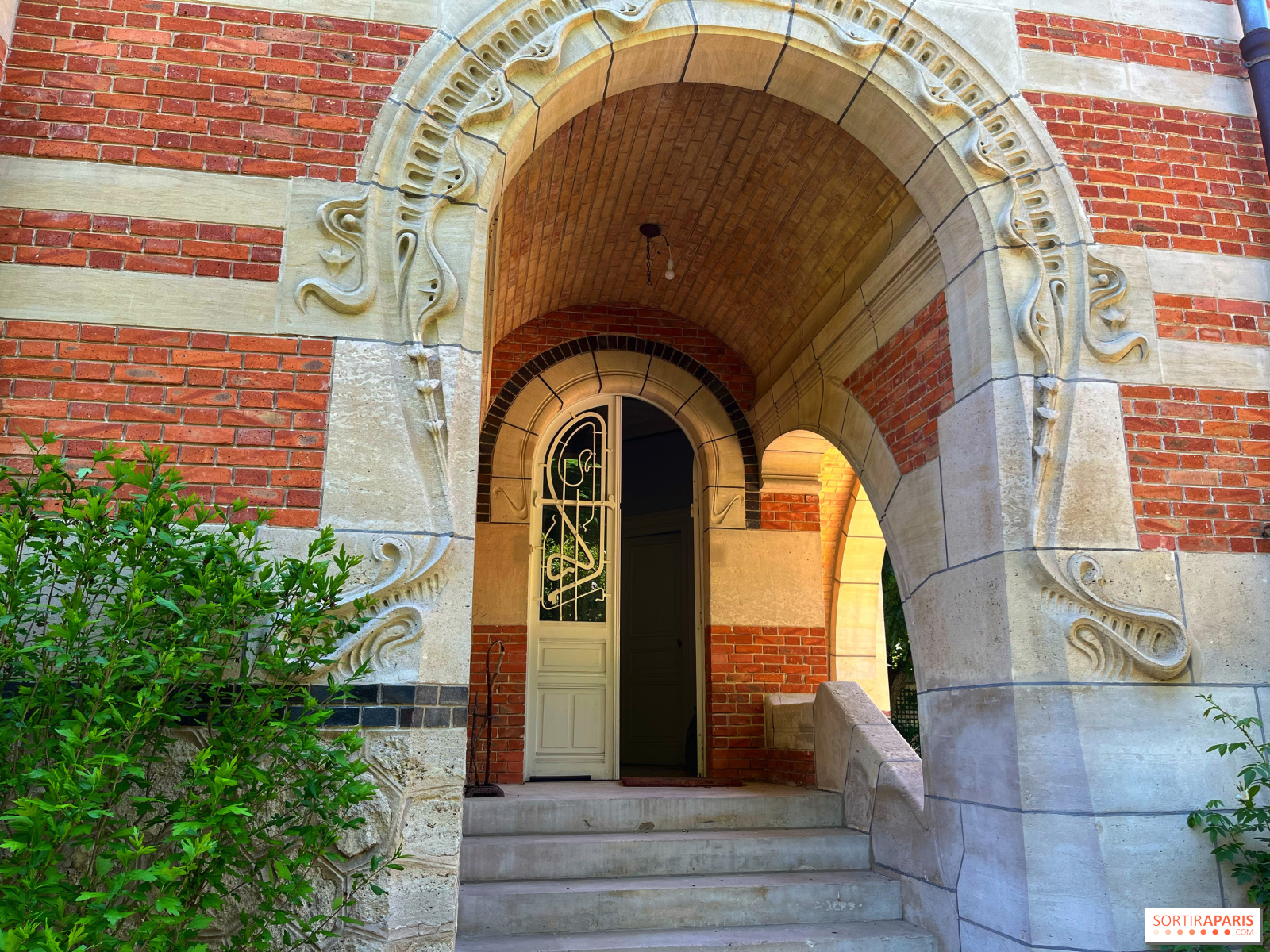
It's one of the symbols of the Paris of the Belle Époque: the Guimard style. You've probably come across it without really paying attention, as you exit a charmingly old-fashioned metro station, with its green cast-iron arabesques and stylized lettering like vines. And yet, behind these plant-like forms, which seem to grow naturally on street corners, lies a visionary work byHector Guimard, an architect of prolific imagination and a pioneer ofArt Nouveau in France. Between 1900 and 1913, he literally redesigned the entrance to the daily lives of Parisians, dressing up metro stations with an unprecedented artistic flair. To discover his creations, you don't need a map: just let yourself be guided by the scrolls.
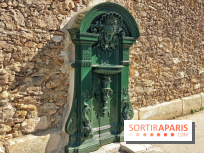
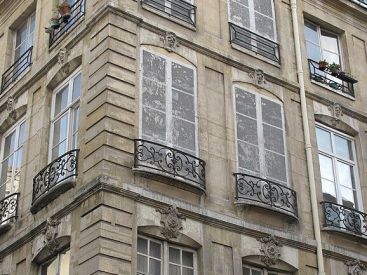
Hector Guimard, born in 1867, trained at the École nationale des arts décoratifs and then the École des beaux-arts de Paris, developed an early sensitivity to the unity of art and function. As early as 1895, he made a name for himself with the Castel Béranger, an apartment building on rue La Fontaine, in the 16th arrondissement. Going against Haussmannian conventions, he introduced a new architectural language: curved forms, innovative materials and motifs inspired by life. The building, now a listed monument, marks the official birth ofArt Nouveau in France.
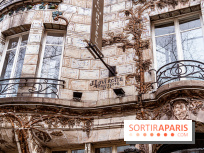
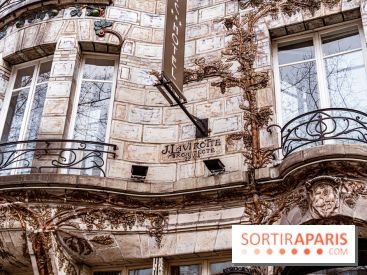
Discover the emblematic sites of the Art Nouveau movement in Paris and the Île-de-France region
Are you particularly fond of Art Nouveau? If so, you're in luck: the capital is brimming with sublime buildings and sites representative of the artistic movement of the early 20th century, all waiting to be discovered on a sunny stroll! [Read more]

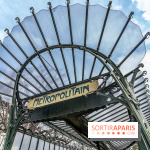
Shortly afterwards, Guimard won a tender to design the entrances to the Paris metro. More than 160 structures were produced, in a range of models - some with glass canopies, others with simple railings - all signed by Guimard. Designed as part of the1900 Universal Exhibition, these metro entrances attracted both admiration abroad and scathing criticism in Paris, where they were sometimes considered too exuberant or "un-French".
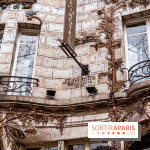
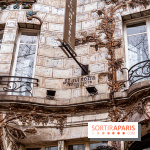
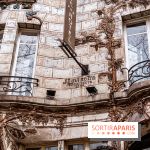
Did you know that? The Castel Béranger is an emblematic building of Art Nouveau in Paris. It was designed by the architect Hector Guimard, famous for his Art Nouveau creations, including the famous Parisian subway entrances. Located in the 16th arrondissement of Paris, the Castel Béranger is a true architectural gem, a testimony to the refined aesthetics of the period. [Read more]
Recognizing Art Nouveau in Paris: a life-size treasure hunt
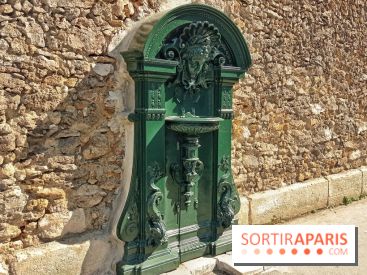
Notice the curved lines imitating plants, the metallic scrolls, the arabesque lettering, the lantern bulbs evoking flowers and the translucent skylights? These are the hallmarks ofArt Nouveau, defined by natural forms, plant motifs and the return of color to architecture. With Guimard, everything is designed to immerse the user in an organic universe, a world where décor is an integral part of the structure.
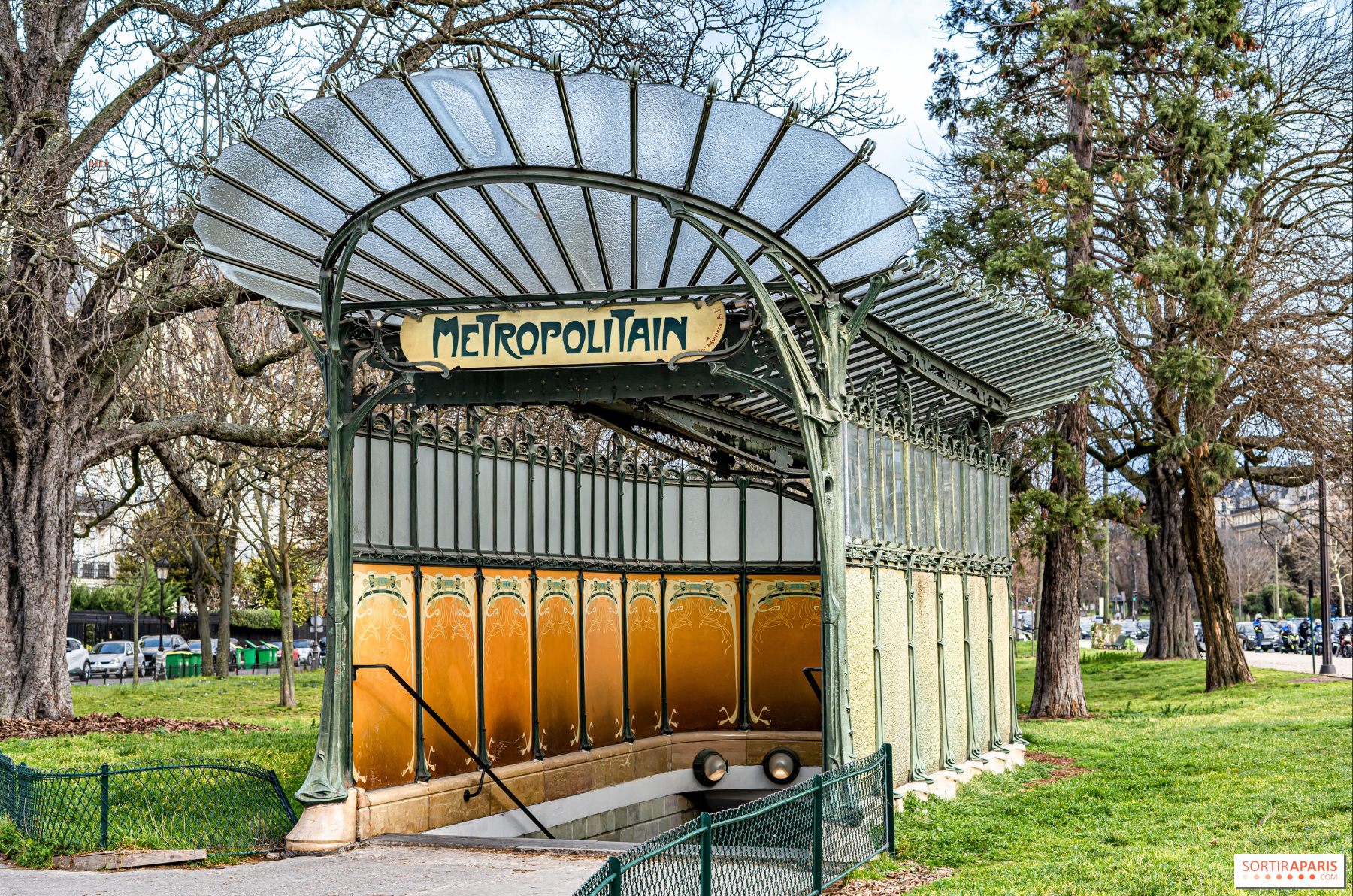
Some metro entrances have become iconic. The one at Porte Dauphine, nicknamed "La Libellule", with its fan-shaped glass roof, is one of the last remaining Type B models. The one at Abbesses, in Montmartre, is the only original type A kiosk still standing.
The capital doesn't have a monopoly on Guimard metro kiosks, as seven of them have surprisingly found their way far from the capital, as part of artistic exchanges. Discover their locations around the world! [Read more]
Did you know? Hector Guimard's last surviving type B kiosk, nicknamed La Libellule, is located at Porte Dauphine station in Paris. This exceptional Parisian metro entrance is one of the last original vestiges, and we tell you all about it. [Read more]
Art Nouveau emerged at the end of the 19th century in a Europe in the throes of artistic effervescence. In France, it embodied the desire to reconcile decorative arts and architecture, drawing inspiration from natural forms. The key idea? To put art back at the center of everyday life, transforming even utilitarian objects into aesthetic works of art.
But no sooner had the style taken hold than it was derided. Too decorative, too ornamental, deemed incompatible with modern demands for rationality and efficiency, it was gradually abandoned in favor ofArt Deco and then Modernism. From the 1920s onwards, many of Guimard 's works were destroyed. One after another, metro kiosks disappeared amid general indifference, until a growing awareness of heritage in the 1960s and 1970s led to the remaining structures being listed as historic monuments.
At the beginning of the 20th century, two major artistic movements stood out: Art Deco and Art Nouveau left their mark on the world of art and architecture, particularly in Paris. Here's how to recognize and distinguish these two movements. [Read more]
Today, only 86 to 88 of Guimard's metro kiosks remain in Paris. Many have been restored, while others can be seen in museums in Lisbon, Chicago and even Moscow. You can discover them on themed tours or guided tours that place them in their architectural and cultural context.
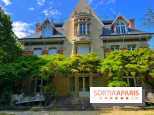
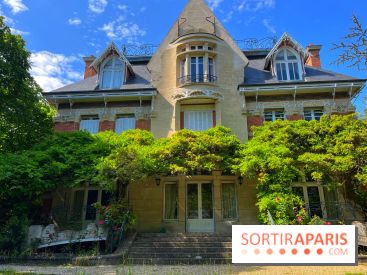
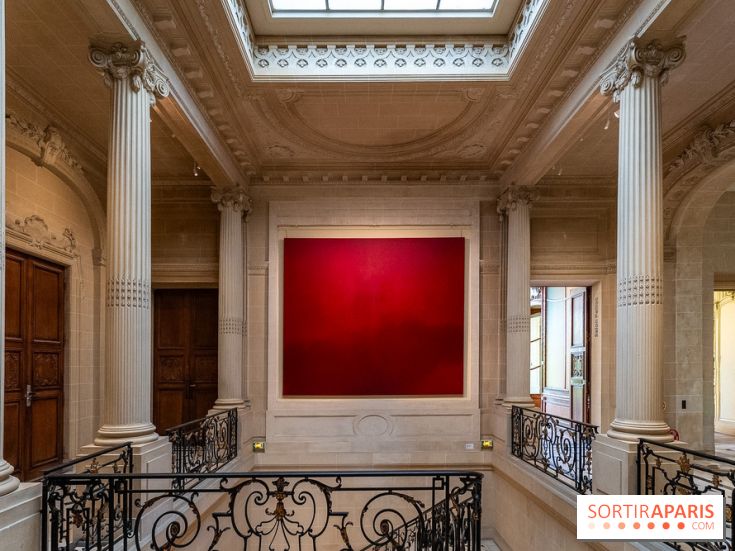
Fans of this style can also visit theHôtel Mezzara on rue La Fontaine in the 16th arrondissement. Built in 1910 by Guimard, it is due to become a museum entirely dedicated to his work by 2027, under the impetus of the association Le Cercle Guimard and with the support of the City of Paris.
A new museum is due to open in Paris in 2027, housed in the Hôtel Mezzara, a listed building dedicated to the architect Hector Guimard. He was notably responsible for the Art Nouveau-style entrances to the metro. [Read more]
In the rest of the Paris region, you'll also find many of this iconic architect's creations: Hector Guimard, one of the leaders of French Art Nouveau, didn't concentrate all his creativity within the confines of Paris itself. In the Île-de-France region, a few pearls remain, often nestled in residential neighborhoods or peaceful communes, far from the hustle and bustle of the city. These buildings bear witness to an art of building conceived as a total work of art, where every detail is designed to interact with the landscape and the times.
In Sèvres, for example, the Villa dite Modern Castel, also known as Castel Craon, was built in 1902 for the Canivet family. It is one of the few residential villas designed by Guimard outside the capital. With its organic lines, meticulous ironwork and asymmetrical plan, it continues the creative momentum begun with Castel Béranger. Nearby, still in the Hauts-de-Seine department, the commune of Garches is home to several buildings in the same vein, commissioned by private individuals sensitive to the refinement of this nascent style. These "Castels", now partially modified, nevertheless retain characteristic elements of the Guimardian vocabulary: curved bays, planted balconies, slender joinery.

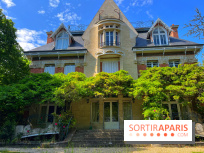
In Le Vésinet, in the Yvelines department, Villa Berthe, nicknamed La Hublotière, immediately catches the eye with its round openings and marine shapes. Built in 1896, it is an avant-garde building. It was one of the first buildings in which Guimard developed an architecture totally free of classical codes. Its name derives from the famous "portholes" that pierce its facades, an early nod to the sea. Listed as a historic monument since 1979, the building is reminiscent of a fairytale house set in a wooded garden.
Do you know Hublotière? This Art Nouveau villa, designed by Hector Guimard, hides in the heart of Le Vésinet in the Yvelines. Although it is inhabited year-round, it opens its doors to the public each summer, for just a few euros. [Read more]
Further north, in Auvers-sur-Oise, Castel Val, built in 1905, reflects a desire to inscribe Art Nouveau in a more rural landscape. This holiday home is set in an environment marked by Impressionist memories, just a stone's throw from the fields painted by Van Gogh. In a similar vein, Castel Orgeval in Villemoisson-sur-Orge (Essonne), another private residence designed during the same period, combines structural fantasy with ornamental elegance.
Finally, in Sceaux, in the Hauts-de-Seine department, the Chalet Blanc, built in 1908, remains. Although less well known and now in poor condition, this pavilion retains a strong symbolic value: it embodies one of Guimard's last creative impulses before he was eclipsed by modernist trends. Its original silhouette and light-colored cladding give it a singular allure in the city's architectural landscape.
This page may contain AI-assisted elements, more information here.



 Discover the emblematic sites of the Art Nouveau movement in Paris and the Île-de-France region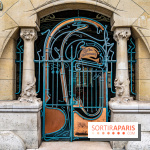
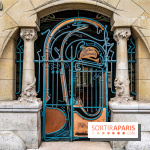

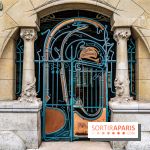 Did you know that? The Castel Béranger is one of the emblematic buildings of Art Nouveau in Paris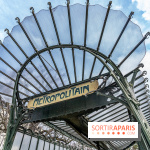
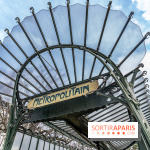
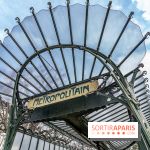 Did you know? There are seven Guimard metro kiosks outside Paris. Find out where they are located.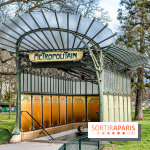
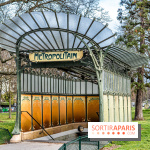
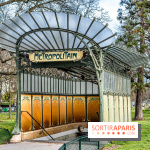
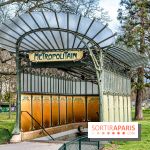 Did you know? This is the last of Hector Guimard's original Type B metro station aediculae.
 Art deco, art nouveau: what's the difference between the two, and how can you tell them apart?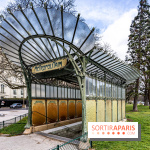


 A new museum planned in Paris around Hector Guimard, the architect of the metro entrances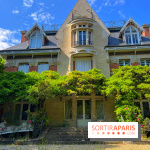
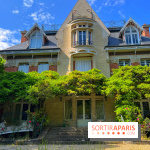

 Visit La Hublotière, Hector Guimard's Art Nouveau villa, this summer 2026 in the Yvelines.