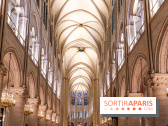
An emblematic style of the Middle Ages,Gothic architecture originated in the Île-de-France region in the 12th century, before conquering Europe. A blend of technical prowess and spiritual flight, this spectacular style never ceases to amaze with its soaring vaults, pointed arches and dazzling stained glass windows. So, would you like to discover Gothic architecture in the Paris region? We'll take you on a tour of these nuggets of Parisian heritage! But first, let's take a quick look at the basics. How did Gothic architecture originate, and what are its characteristics?
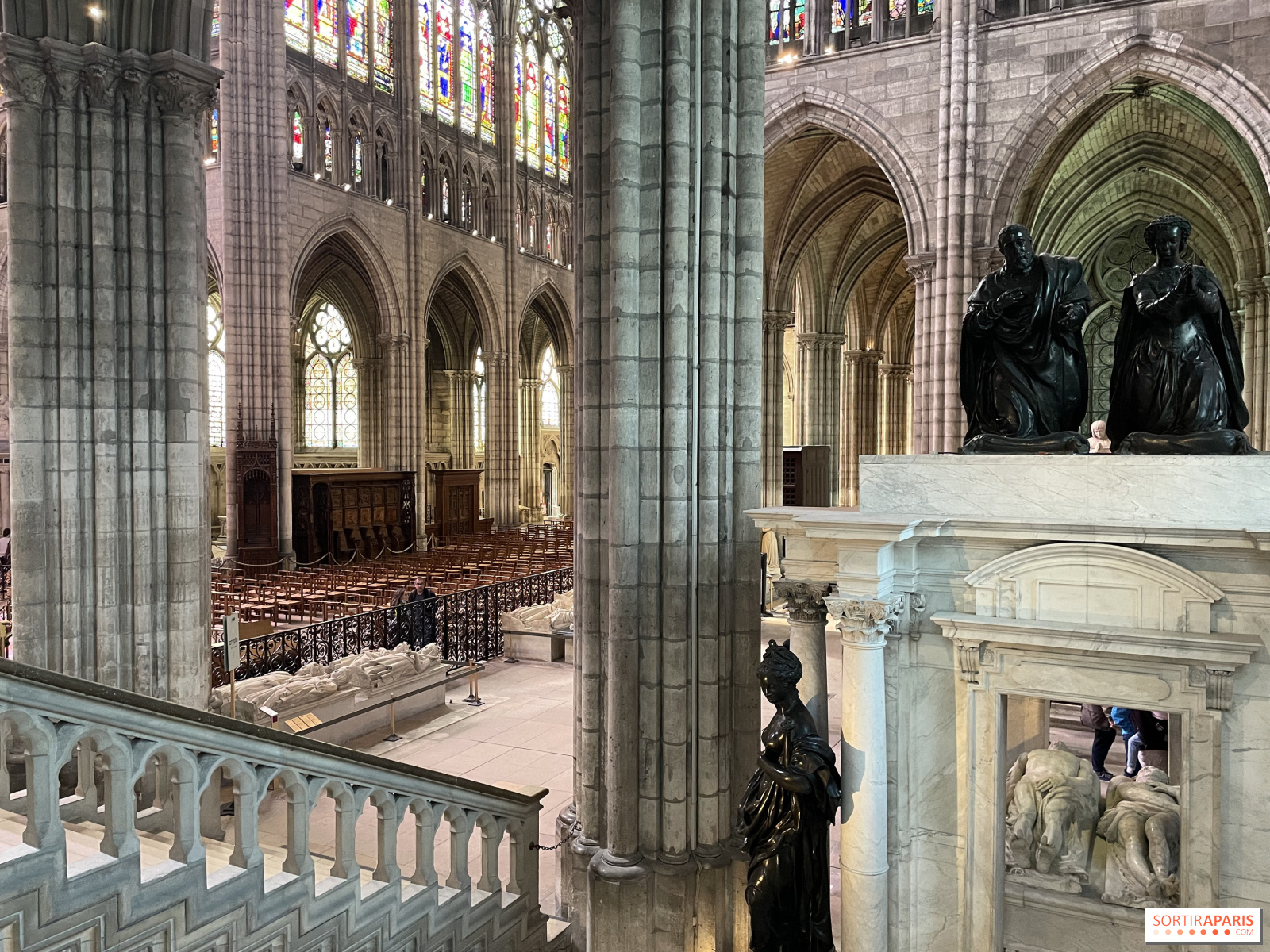
The birth ofGothic art is traditionally attributed to Saint-Denis, under the impetus of Abbé Suger. Around 1140, Suger began rebuilding the royal basilica with a new vision: to bring divine light into the church through a slender structure and colorful stained glass windows.
Did you know? Gothic architecture is thought to have originated in Saint-Denis, in the 93 district of Paris.
Is Saint-Denis the cradle of Gothic architecture? We tell you all about the origins of this emblematic style of the Middle Ages, which gave rise to such iconic monuments as Notre-Dame Cathedral in Paris. [Read more]
He adopted ribbed vaults, pointed arches and buttresses: three elements that would come to define the Gothic style. This innovative style quickly made its mark on the great cathedrals of the Ile-de-France region, including Notre-Dame de Paris.Gothic art became the architectural language of an era, serving the faith and prestige of cities.
The word "Gothic" doesn't date back to the Middle Ages. It was first used in derision during the Renaissance. Artists of the time, admirers of Greco-Roman antiquity, called this medieval style "Gothic" in reference to the Goths, a barbaric people in their view. The name was thus intended to mark a break with ancient "good taste".
The name has stuck, even though there's nothing barbaric about Gothic art. On the contrary, it's a technical and aesthetic feat that has had a profound impact on the history of European architecture.

Verticality: everything in the Gothic style seems to reach for the sky. Towers, spires and pinnacles accentuate this impression of ascent.
pointed arches: the style's signature feature, they replace Romanesque round arches, distributing weight more effectively.
ribbed vaults: they cover vast spaces with lightness.
Buttresses: external supports free the walls from their load-bearing function, allowing large openings.
Colorful stained glass windows and rosettes: walls are transformed into lacework of light, illustrating religious scenes and biblical figures.
Sculpted decor: gargoyles, chimeras, saints, kings... stone becomes storytelling.

Gothic art evolves over the centuries in several distinct phases:
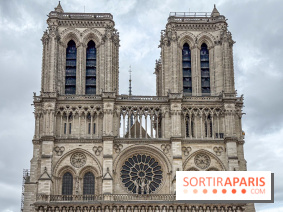
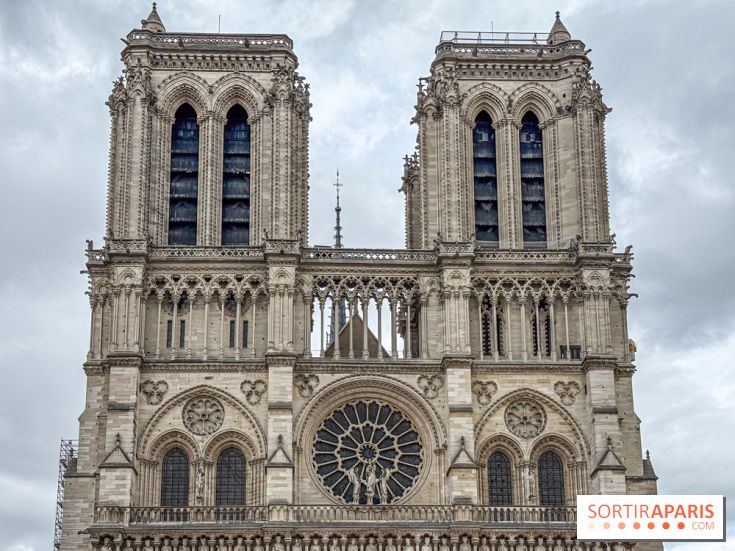
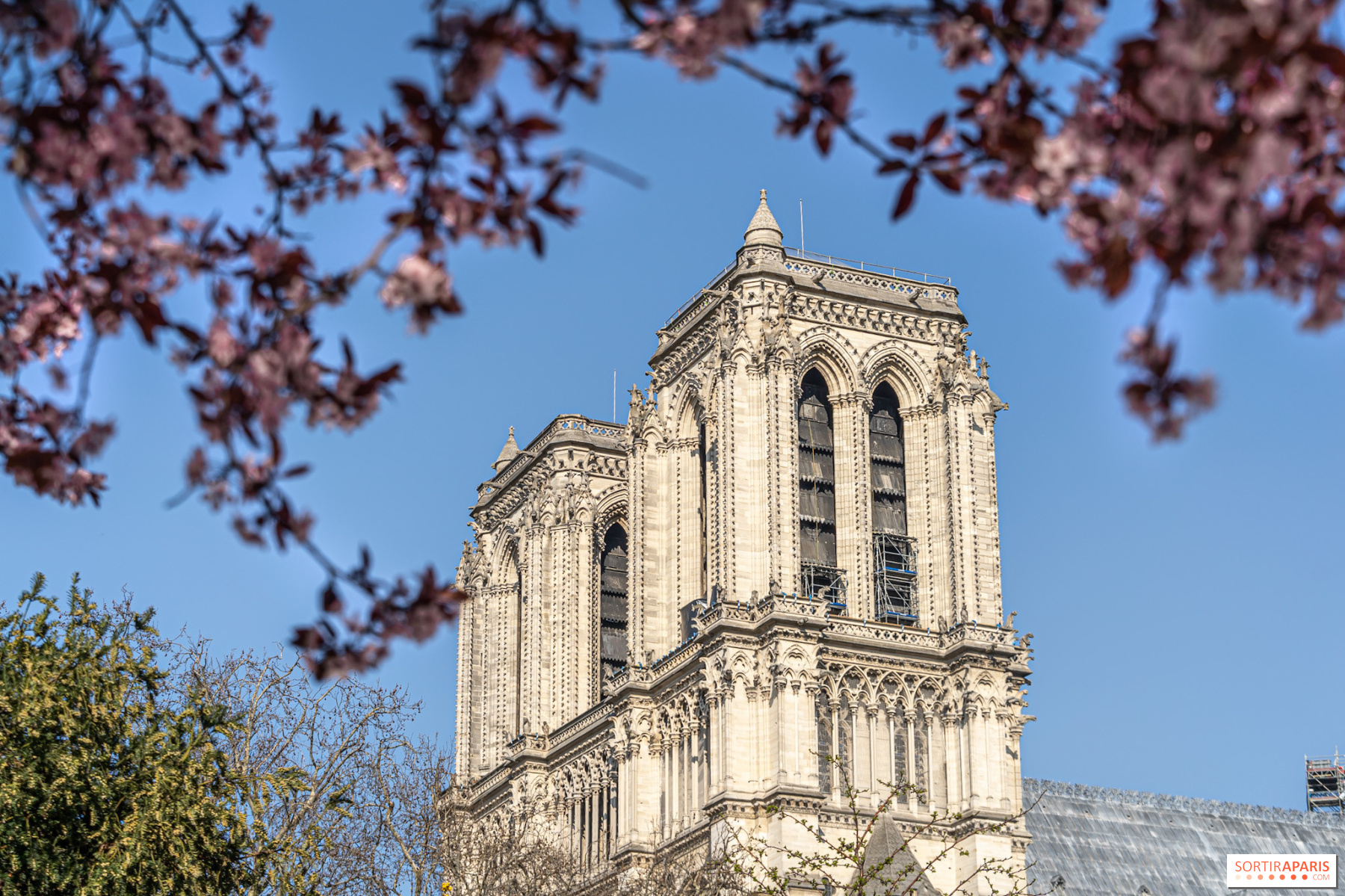
Classical Gothic (12th - early 13th centuries): this style preserves a certain sobriety and balance between elevation and solidity. The basilica of Saint-Denis and the cathedral of Notre-Dame de Paris (construction began around 1163) are the best examples in the Paris region, with their massive facades already pierced by large rosettes.
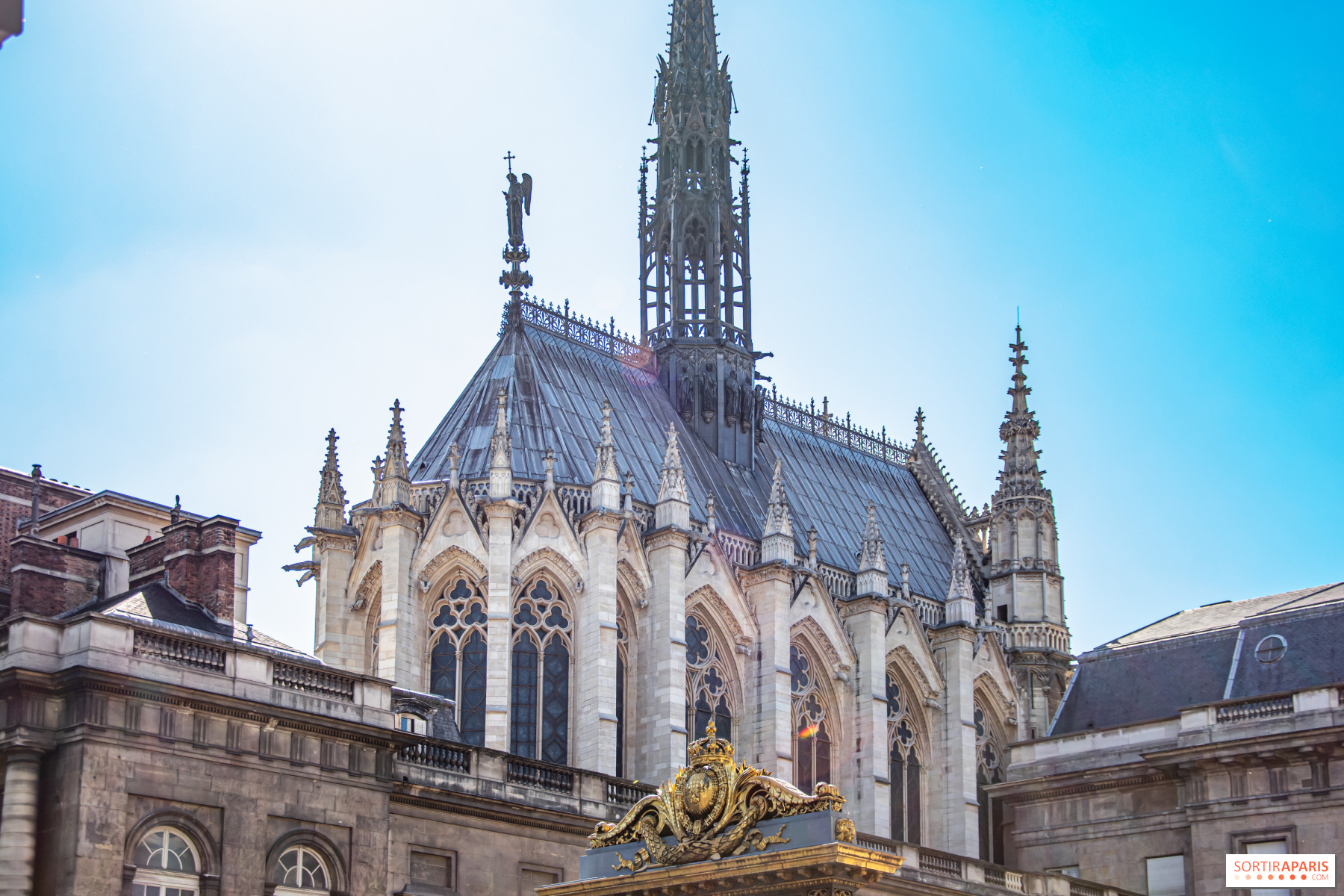
Radiant Gothic (13th century): light becomes king. Apertures widened, rosettes became more refined and facades were adorned with veritable stone lacework. The Sainte-Chapelle in Paris (1248) is a perfect example of this radiance, with its immense stained-glass windows transforming the interior into a cage of colored glass.
Flamboyant Gothic (15th century): time for exuberant decoration! Lines intertwine in flamboyant motifs, like flames carved in stone. Splendid examples can be found at the Hôtel de Cluny (Paris 5th) and the Tour Saint-Jacques (Paris 4th), where ornamentation rivals in finesse and virtuosity.
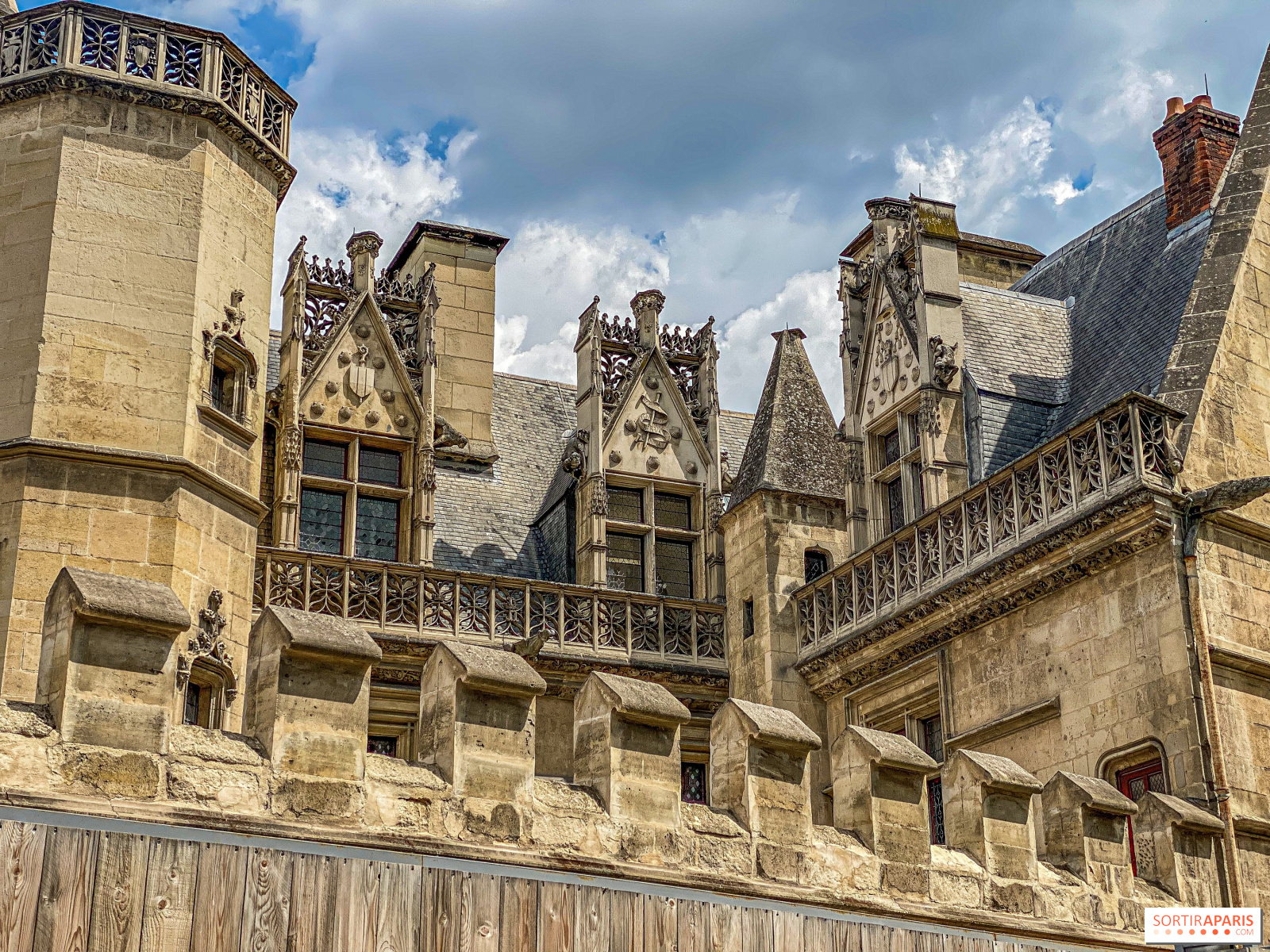
So, are you ready to discover the Gothic monuments to be admired in Île-de-France? Follow the guide!



 The Church of Saint-Germain-l'Auxerrois, a Gothic jewel facing the Louvre
Just outside the Louvre, why not take a look at the Eglise Saint-Germain-l'Auxerrois, a beautiful church in the 1st arrondissement of Paris? [Read more]



 Saint-Eustache Church, the monumental church that dominates the Halles district.
You can’t wander through Les Halles without a stop at Saint-Eustache Church, which towers over the district. Shall we drop by? [Read more]



 The Conciergerie in Paris: a monument symbolic of the French Revolution
The Conciergerie is a historic building on the Ile de la Cité in Paris. Since its construction in the 10th century, this monument has been the seat of the Palais de Justice and a prison in turn. It was here that Marie-Antoinette was imprisoned. [Read more]
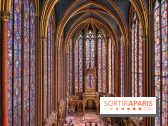
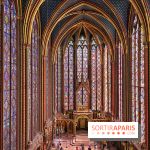 The Sainte-Chapelle and its 1113 stained-glass windows, a true Gothic jewel in Paris
The Sainte-Chapelle is undoubtedly one of the most beautiful buildings in Paris, with its 1113 colorful stained-glass windows depicting scenes from the Old and New Testaments. This 800-year-old Gothic gem becomes a magical place under the sun. [Read more]



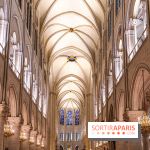 All you need to know about Notre-Dame de Paris: opening hours, tours, reservations, events
With its thirteen million visitors a year, Notre-Dame de Paris cathedral is one of the capital's must-sees. A place of worship as well as a monument, it has witnessed the history of Paris since its construction. Since December 8, 2024, the monument is once again accessible. With reservations, year-round concerts and suggested tours, discover all the information you need to prepare your visit to this emblem of Paris, ready to welcome the world. [Read more]
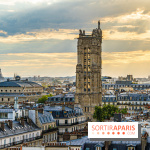
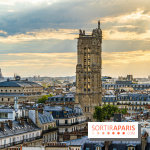
 Saint-Jacques Tower, the former bell tower and its sublime view over Paris, currently under renovation.
Saint-Jacques Tower, with its panoramic views over all of Paris, is normally open to visitors from May to November, but this year renovations prevent us from visiting it. Located just a stone’s throw from the City Hall, the historic monument is a must-see, standing 62 meters tall with 300 steps. [Read more]



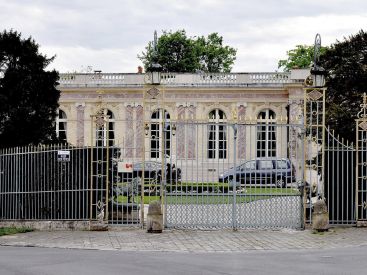
 The Hôtel de Sens, a royal residence of Gothic architecture hidden in the Paris marshlands
It's a sublime château-like mansion, and one of the few remaining vestiges of the medieval era in Paris. The Hôtel de Sens is a monument hidden away in the Marais district of Paris. What is its history and how can you visit it? We tell you all about it. [Read more]
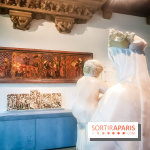
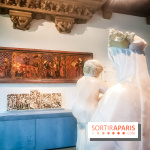
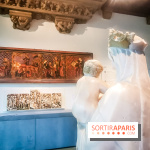
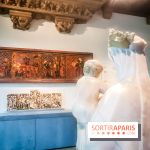 The Musée de Cluny, Paris' museum of the Middle Ages, its program and age-old treasures
Located in the heart of the Latin Quarter, the Musée de Cluny is housed in the 13th-century Hôtel des Abbés de Cluny, and is home to works of art even older than that! Come and visit this museum dedicated to the Middle Ages in Paris. [Read more]

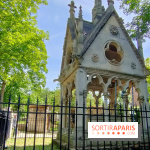
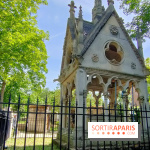
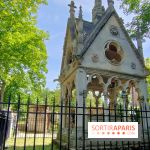 Heloise & Abelard, Père Lachaise's oldest residents: the story of Paris's Romeo & Juliet
Do you know the legend of Heloise and Abelard? This mythical couple from medieval Paris has left its mark on people throughout the centuries. Nicknamed the "star-crossed lovers", their story continues to fascinate Parisian enthusiasts, who pay their respects at Père Lachaise, where they are the oldest residents. [Read more]
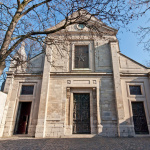
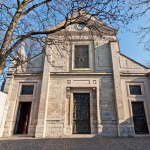
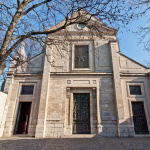
 The Saint-Pierre de Montmartre church, a jewel of Gothic style in Paris
Église Saint-Pierre de Montmartre is one of Paris' hidden treasures. One of the capital's oldest parish churches, it's well worth a visit. [Read more]



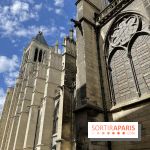 Saint-Denis Basilica, the necropolis of the Kings of France in Saint-Denis (93), discover its history
How about (re)discovering the Basilique Saint-Denis? Classified as a historical monument, this religious edifice in Saint-Denis (93) is home to the necropolis of the Kings of France, and is a must-see for history buffs and those curious about the region's heritage. We tell you all about it! [Read more]



 The Château of Vincennes: A Royal Fortress at the Gates of Paris
Along with the Louvre, the Château de Vincennes is one of the most important castles in French history. It is also one of the largest and best-preserved fortified castles in Europe... [Read more]
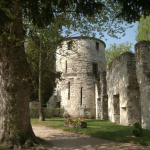
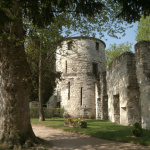
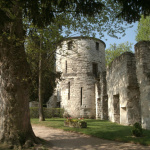
 Guided tours of the ruins of Saint-Maur Abbey (94)
In the town of Saint-Maur-des-Fossés lies a little gem, an ancient abbey founded in 639, of which only the ruins remain today, and which can be admired on guided tours organized by the Société d'histoire et d'archéologie de Saint-Maur. [Read more]
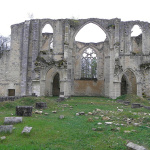
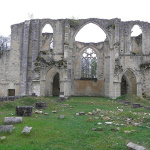
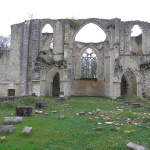
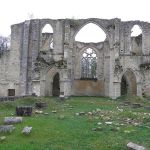 In Seine-et-Marne, discover the Gothic remains of a royal abbey (77)
In Dammarie-lès-Lys, in the heart of a tranquil park, the Gothic ruins of a Cistercian abbey founded by Blanche de Castille and Saint Louis in 1244 offer a romantic getaway for lovers of old stones and heritage to explore or photograph. [Read more]



 Château de Blandy-les-Tours, a medieval monument in a charming Seine-et-Marne village
The little-known Château de Blandy-les-Tours, located in the very center of a picturesque village in the Seine-et-Marne region, boasts a rich heritage that has spanned history, wars and centuries. A true medieval fortress that has been preserved to the present day, it is one of the most impressive castles in the Île-de-France region. We take you on a voyage of discovery. [Read more]
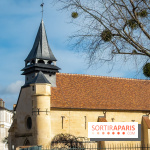

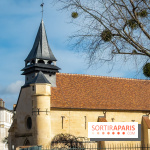
 Yvelines: 13th-century Gothic chapel, now restored, saved by a painter
In Croissy-sur-Seine, in the Yvelines, a 13th-century Gothic chapel nearly vanished from view. The Saint-Léonard-and-Saint-Martin Chapel guards nearly a thousand years of history—marked by royal pilgrimages, mysterious relics, and an unexpected artistic rebirth. [Read more]



 The Collegiate Church of Notre-Dame de Mantes, nicknamed "the little sister of Notre-Dame de Paris".
In the Yvelines region, in the heart of the town of Mantes-La-Jolie, the Collégiale Notre-Dame de Mantes is one of the treasures of the Île-de-France region. This impressive church, listed as a Monument Historique, is also nicknamed "Notre-Dame de Paris's little sister". [Read more]
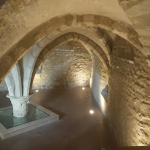
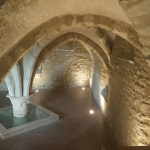
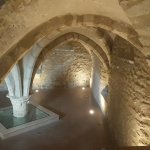
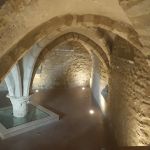 In Essonne, this crypt, now serving as a cultural center, stands as the last remaining remnant of a former monastery.
In the heart of Essonne, a modest exhibition space conceals a history far older than one might suspect. This crypt, now transformed into a cultural venue, stands as one of the few remaining traces of a vast medieval monastery that once covered a large part of the city. [Read more]



 The Château de Dourdan, an ancient fortified castle to discover in Essonne (91)
In the Essonne department, near Dourdan, you'll find a 13th-century fortified castle. Although you can't visit the interior, you can visit the ramparts on a walking tour! [Read more]

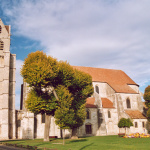
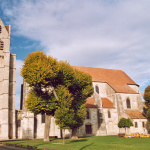
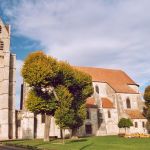 Unusual: In Île-de-France, this leaning tower is nicknamed the Pisa of the North (91).
Did you know that in the Île-de-France region, more specifically in Essonne, there is a tower whose tilt is reminiscent of the Leaning Tower of Pisa? Here is the story of the Church of Saint-Martin d'Étampes and its astonishing leaning bell tower. [Read more]
 This Gothic church in Val-d'Oise shines once more after 14 years of renovation.
The Saint-Germain-l'Auxerrois Church in Presles, Val-d'Oise, shines once more after fourteen years of restoration. This jewel of flamboyant Gothic architecture, listed as a Historic Monument, was inaugurated on Friday, June 5, 2026. [Read more]
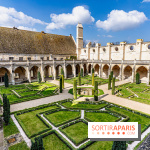

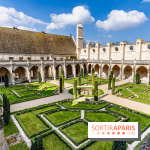
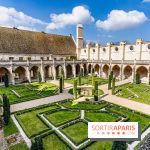 (Re)discover Royaumont Abbey, the largest Cistercian abbey in Ile-de-France
Just north of Paris, in the Val d'Oise, stands the Abbaye de Royaumont, founded in 1228 by Saint Louis and his mother Blanche de Castille. This royal abbey, the largest Cistercian abbey in the Île-de-France region, is a magnificent example of Gothic architecture. With its listed buildings, Royaumont offers a fascinating insight into French medieval history. Many events now take place on the premises, and we take you on a journey of rediscovery. [Read more]
This page may contain AI-assisted elements, more information here.