Today, the word “Châtelet” is mainly associated with a bustling metro station and a lively square just steps from the Seine. However, its origins are much more martial. In medieval times, a châtelet referred to a small fortress, typically built to guard a bridge, city gate, or strategic passage.
Exactly as intended, the Grand Châtelet played a central role in Paris’s history. Built in the 12th century under King Louis VI the Fat, this fortress was positioned at the northern end of the Pont au Change, guarding access to Île de la Cité—the historic heart of the city. Over the centuries, the site evolved to serve judicial and law enforcement purposes: it housed the Paris Provost’s Office, courts, and even a notorious prison known for its particularly harsh detention conditions.
The Grand Châtelet overlooked the right bank of the Seine, with its imposing towers serving as a stern sentinel of order. But as the city expanded and its military importance waned, the fortress increasingly came to embody the lingering authority of an outdated regime and an unpopular justice system.
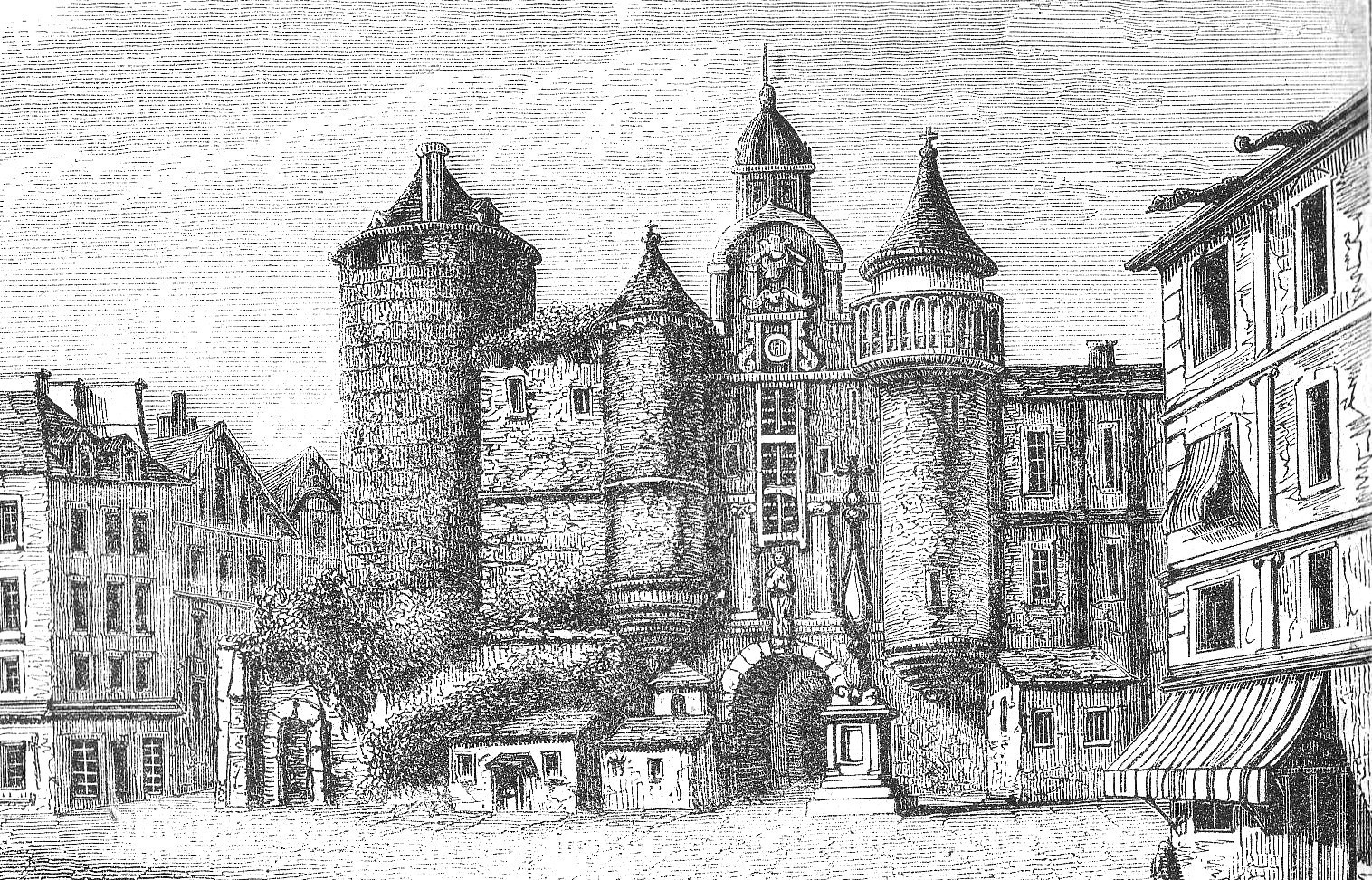
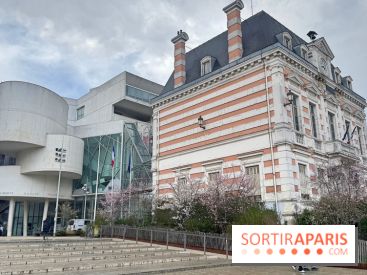
In 1802, Napoleon Bonaparte ordered its destruction. Today, no visible remains of the Grand Châtelet can be seen on the surface. The fortress was literally erased from the landscape to make way for the Place du Châtelet, a spacious open square situated between two iconic theaters: the Théâtre du Châtelet and the Théâtre de la Ville.
Although the Grand Châtelet is no longer visible to the naked eye, archaeological excavations have uncovered remnants beneath the surface. These discoveries, made during various construction projects—including the digging of the metro in the early 20th century—have brought to light stones, foundations, and sections of walls. These silent witnesses offer a glimpse into a once-forgotten era of history.
However, nothing is currently on display to the public. All that remains is the name: "Châtelet," a word that brings to mind a castle, even though no one can see it anymore.
This page may contain AI-assisted elements, more information here.