The nickname “the belly of Paris” doesn’t stem from a marketing slogan but from a very tangible reality: for centuries, the Halles district was the city’s main market, the place where nightly arrivals of food supplies ensured Parisians’ nourishment.
Right in the heart of the 1st arrondissement, just steps from the modern Canopée, stood large, sprawling metal pavilions built in the 19th century under Napoleon III. Here, vendors sourced their supplies—meat, fish, vegetables, cheese, bread—fueling the bustling streets of Paris with fresh produce and ingredients.
From the first light of dawn, the atmosphere was buzzing with activity: wheelbarrow against wheelbarrow, merchants shouting, the mingling scents of black coffee and freshly delivered croissants... The neighborhood thrived according to the ebb and flow of Parisians’ appetites. The novelist Émile Zola captured this vibrant scene perfectly when he portrayed it in his 1873 novel Le Ventre de Paris.
At the height of its activity, Les Halles welcomed up to 20,000 workers every day, in a constant flurry of trucks, butchers, fishmongers, and market gardeners. It was a bustling hub where you could find absolutely everything edible — and then some. Its central location and essential role in Parisian life earned it the natural nickname of the city’s “belly.”
However, this concentration of activity also brought its share of drawbacks: unsanitary conditions, congestion, and pollution. Starting in the 1960s, Les Halles began gradually to be dismantled and relocated to Rungis, where the world's largest fresh produce market now takes over.
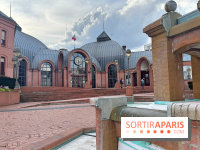
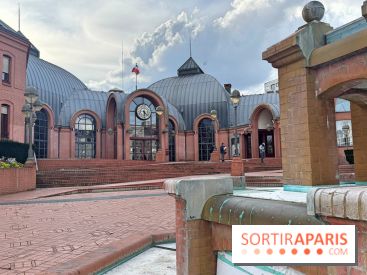
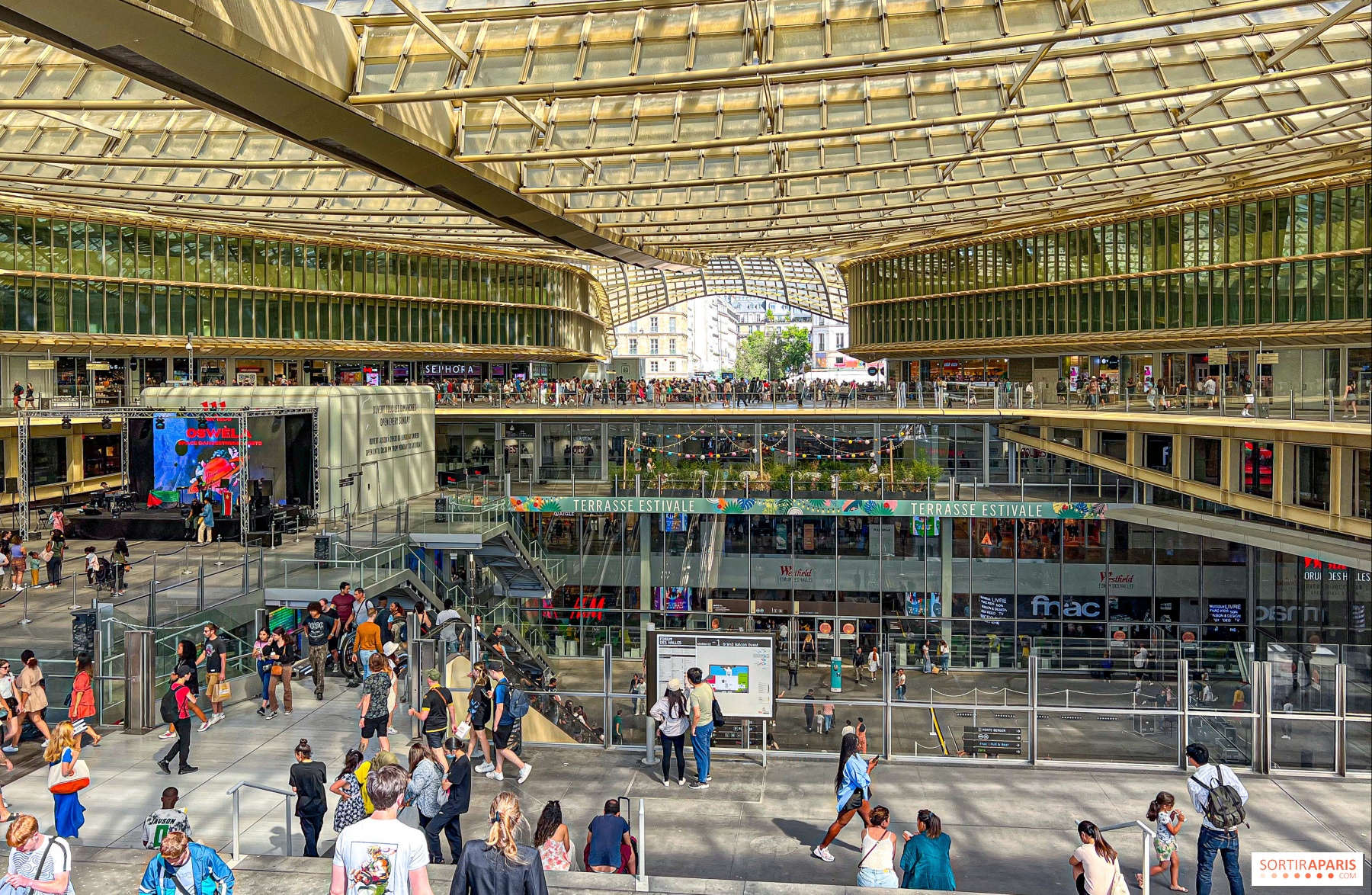
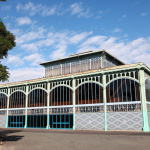
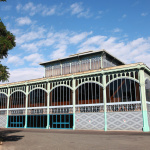
The departure of the market left a significant void… one that has since been filled by a modernized neighborhood, blending a shopping center, a garden, a library, and a cultural hub. The Canopée, opened in 2016, embodies this transformation. However, even though the Baltard pavilions have disappeared (their remnants can be admired in Nogent-sur-Marne), the spirit of the Halles remains alive in the collective memory of Parisians.
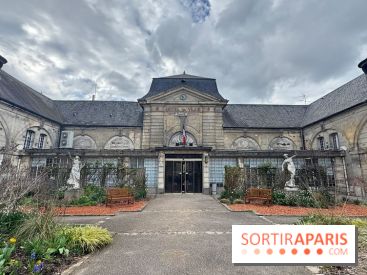
Did you know? Only one vestige of the former Halles de Paris remains in Nogent-sur-Marne.
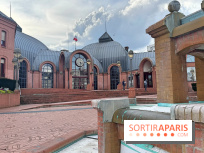
The sole survivor of the twelve iron and glass pavilions designed by Victor Baltard to modernize the commercial heart of Paris, No. 8 now stands in Nogent-sur-Marne. A precious testimony to the industrial architecture of the Second Empire, it has been enjoying a second life since 1976. [Read more]
This page may contain AI-assisted elements, more information here.











 Did you know? Only one vestige of the former Halles de Paris remains in Nogent-sur-Marne.