The prolific genius behind La Comédie humaine, Balzac spent much of his life juggling literary success, debts and temporary retreats. Paris, the nerve center of his ambitions, was sometimes a showcase, sometimes a labyrinth.
Follow in his footsteps, from the heights of Passy to the nooks and crannies of Saint-Germain-des-Prés, from his secret office to the commemorative plaques, and see how the City of Light absorbed the Balzacian legend.
Master of the realist novel, Honoré de Balzac's La Comédie humaine is an unrivalled portrait of 19th-century French society. His characters (more than 2,000 of them!) circulate from one book to the next, weaving a teeming, complex human fresco. A hard worker and chronic debtor, he lived in Paris in a house in the 16th arrondissement that is now a museum, where he wrote by night, fueled by black coffee. His immense literary ambition made him a tutelary figure of the modern novel.

His first Parisian homes. Early in his career, Balzac lived in central Paris neighborhoods, rue de la Chaussée-d'Antin (9ᵉ arr.) and rue Saint-Georges (9ᵉ arr.), or in modest apartments in the Latin Quarter. Many of these buildings have disappeared or been remodeled over the course of the 19ᵉ and 20ᵉ centuries, and exact addresses are often disputed or uncertain, making their traces fragile. All the more so as, riddled with debt, Balzac often adopted stratagems to evade his creditors, such as renting rooms under various names.

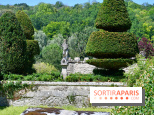
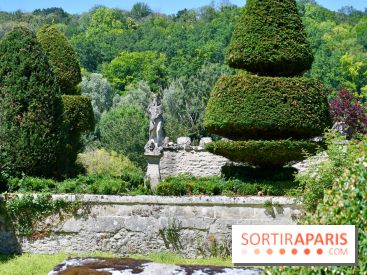
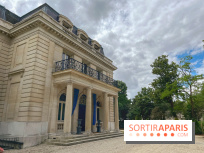
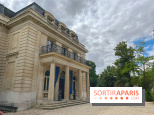
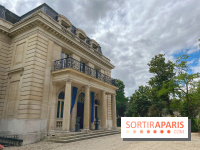
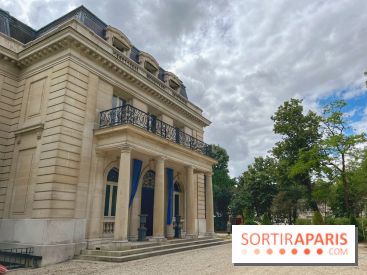
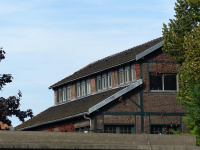
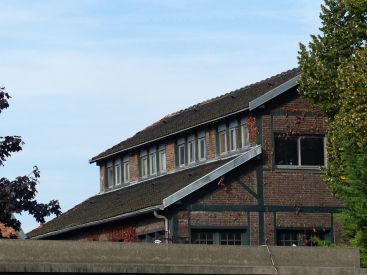
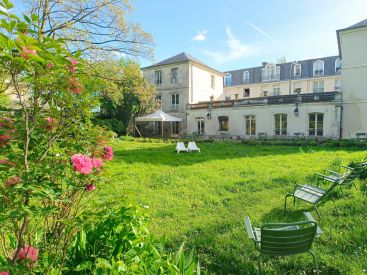
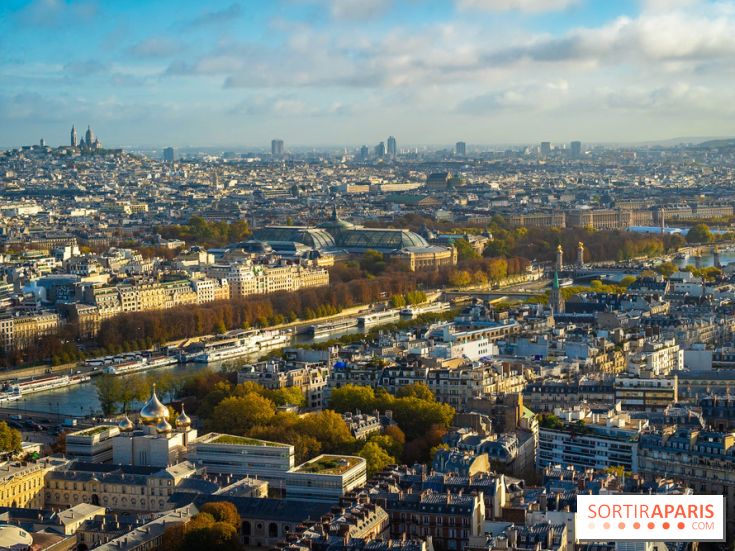
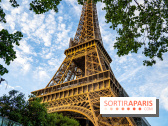
La Maison de Balzac (16ᵉ arr.). This is the only of the writer's Parisian residences to have survived the decades, transformed into a museum dedicated to his life and work in 1949. He lived here between 1840 and 1847 under the pseudonym Monsieur de Breugnol, in order to escape the bailiffs. The house features a reconstructed apartment, his study, manuscripts and personal objects such as his coffee pot and his famous turquoise cane. The surrounding garden offers a peaceful, partial view of the Eiffel Tower, while the house stretches between two streets - the main entrance from rue Raynouard, the secondary access from rue Berton, which allowed him discreet exits. Balzac reorganized his schedule in this refuge: he often started work at midnight, lit by candlelight, drinking black coffee and writing until morning. It was in this setting that he worked on several of the major titles of La Comédie humaine, fine-tuning corrections and successive editions.
Rue Visconti (6ᵉ arr.). Balzac set up his printing works here between 1826 and 1828.
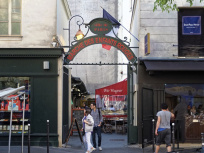
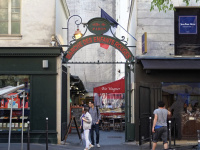
Le Rocher de Cancale (2ᵉ arr.). This restaurant in the Montorgueil district, where gourmets of the time would go to sample oysters, was a favorite haunt of Balzac. Not far from there, the author also liked to frequent the literary cafés, bookshops in the center, publishers' offices on rue Richelieu and the covered passages around the Palais-Royal, where he could observe the world and seek inspiration.

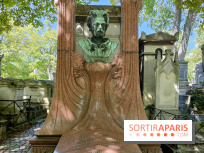
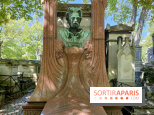
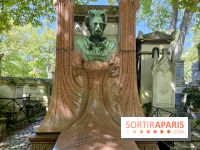
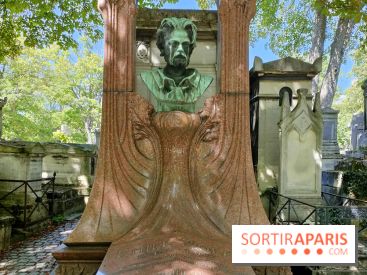
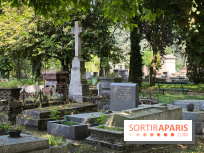
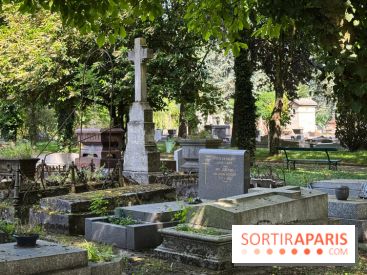
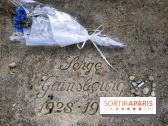
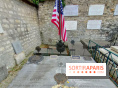
Père-Lachaise cemetery (20ᵉ arr.). The tomb, located in division 48, reveals a bronze bust of the author.
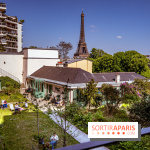
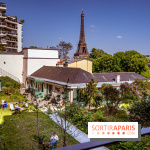
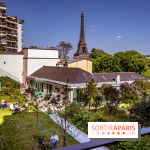
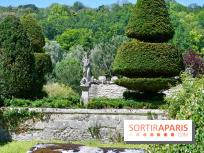
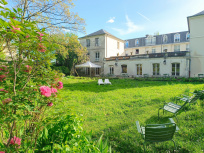
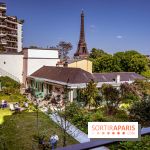 The Maison de Balzac, home of the famous writer, and its secret garden overlooking the Eiffel Tower
The Maison de Balzac, one of the famous writer's homes, is one of the capital's literary gems, located in the 16th arrondissement of Paris. This house-museum also boasts an incredible garden overlooking the Eiffel Tower, as well as a café. [Read more]
Père Lachaise, Paris's most mythical cemetery and the graves of famous personalities
The Père Lachaise Cemetery is Paris’s largest burial ground and one of the most visited sites in the world. Whether you’re drawn by its history, its famous residents, or its legends, this is an essential stop for anyone visiting the capital. [Read more]
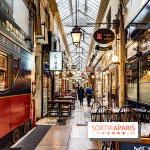
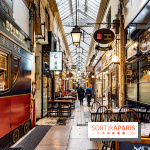
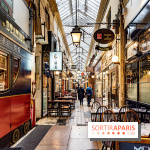
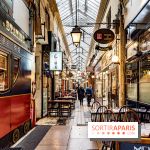
You may not know it, but Paris is home to numerous covered passages, some of them built centuries ago. Discover the most beautiful covered passages in Paris, their history, and their secrets! [Read more]
The blue façade of the restaurant "Au Rocher de Cancale" leaves no one indifferent. Have you ever wondered what this typical seaside restaurant was doing in the middle of rue Montorgueil? We take you on a journey to discover the history of this atypical place, which still delights gourmets today. [Read more]
This page may contain AI-assisted elements, more information here.
Location
House of Balzac
47, rue Raynouard
75116 Paris 16
Route planner
Accessibility info


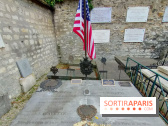













 Père Lachaise, Paris's most mythical cemetery and the graves of famous personalities
 Paris’s most beautiful covered passages, for a historic stroll sheltered from the elements


 A brief history of Paris's top restaurants: Au Rocher de Cancale, a table dedicated to oysters