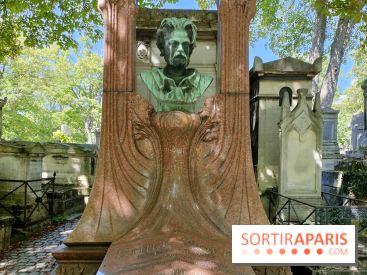
We know George Sand through her Nohant estate in the Centre-Val de Loire region and her feverish letters to Chopin, but Paris was also her intimate and public theater. It was in the alleys, hotels and salons of the capital that the writer, born Aurore Dupin, forged her revolutionary image, cultivated her literary connections and regulated her passions.
As you follow in her footsteps through the City of Light, from commemorative plaques to museums, discover George Sand's Paris, both discreet and vibrant, a place of utopias, independence and indomitable love.
A free-spirited and committed novelist, George Sand established herself in the 19th century as a major figure in French literature. Born Aurore Dupin, she chose a male pseudonym to publish her first novels and challenge the roles assigned to women. Between Paris and Nohant, she led a prolific intellectual life, frequenting Balzac, Delacroix and Chopin, with whom she was a close companion.
Defending the cause of women, social rights and creative freedom, she left a rich body of work, ranging from the peasant novel to the political fresco, while paving the way for future women writers.
46 rue Meslay (3ᵉ arr.). George Sand was born there on July 1ᵉʳ, 1804 - a commemorative plaque today recalls her first steps in the capital. At a very young age, she left Paris for childhood in Nohant, but the capital never quite left her.
L'Hôtel de Florence (9ᵉ arr.). In her early days as a writer, she rented modest lodgings in Paris. With her husband, Casimir Dudevant, she resided for a time in what was then theHôtel de Florence, now the Hôtel George Sand Opéra. It was here, according to accounts, that she gave birth to her son Maurice in 1823.
21 quai des Grands-Augustins (6ᵉ arr.). During her Paris years, she also frequented this address, where she had an affair with a lover, in an atmosphere of literary passion. She is also credited with a "blue garret" at 19 quai Malaquais (6ᵉ arr.), where she is said to have written Lélia, a novel of disenchantment and a mirror of her affair with Alfred de Musset.
20 rue Pigalle (9ᵉ arr.). In 1836, she entered into a lasting relationship with Frédéric Chopin, and they settled in the Pigalle district.
Le Square d'Orléans (9ᵉ arr.). They later moved to this private housing estate at 80 rue Taitbout, George Sand occupying pavilion no. 5 while Chopin lived in pavilion no. 9. Musicians, writers and composers flocked to their apartments; the painter Ary Scheffer, in his house next door (at 16 rue Chaptal), was a close friend of the couple. The proximity of these places transformed the neighborhood into an artistic and romantic microcosm.
5 rue Gay-Lussac (5ᵉ arr.). From 1848, George Sand took up a pied-à-terre opposite the Luxembourg Gardens , where she spent some of her last years in Paris before gradually returning to her country estate.
Restaurant Lointier (2ᵉ arr.). The table, then located at 104 rue de Richelieu, was the scene of the meeting between George Sand and Alfred de Musset.
Places that no longer exist. Many of the addresses frequented by George Sand have disappeared or been transformed. The Hôtel de France, rue Laffitte (9ᵉ arr.), is often mentioned among the intellectual salons she frequented. The hotel no longer exists in this form, but it was a place of passionate exchange around literature, where she welcomed writer friends, musicians and politicians. She also attended dinners with Musset, Balzac, Hugo, Flaubert and Delacroix, but the exact addresses of these salons are sometimes uncertain.
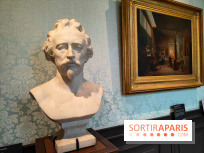
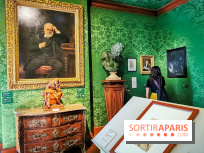
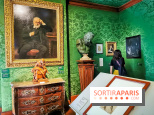
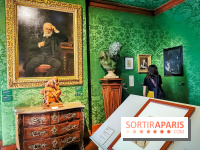
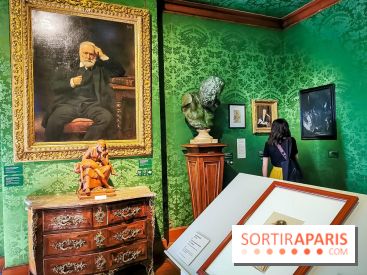
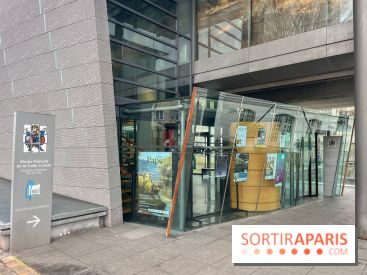
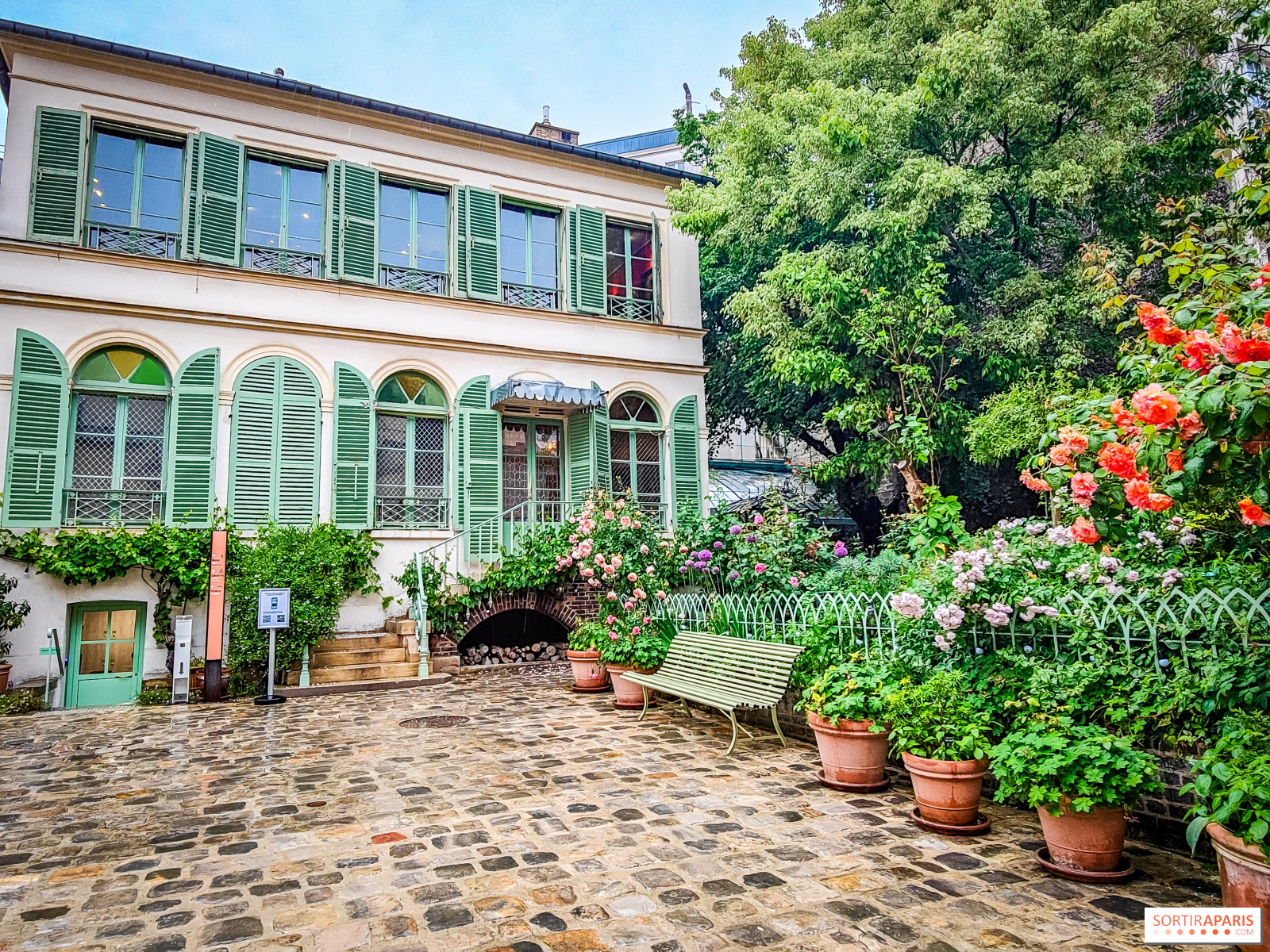
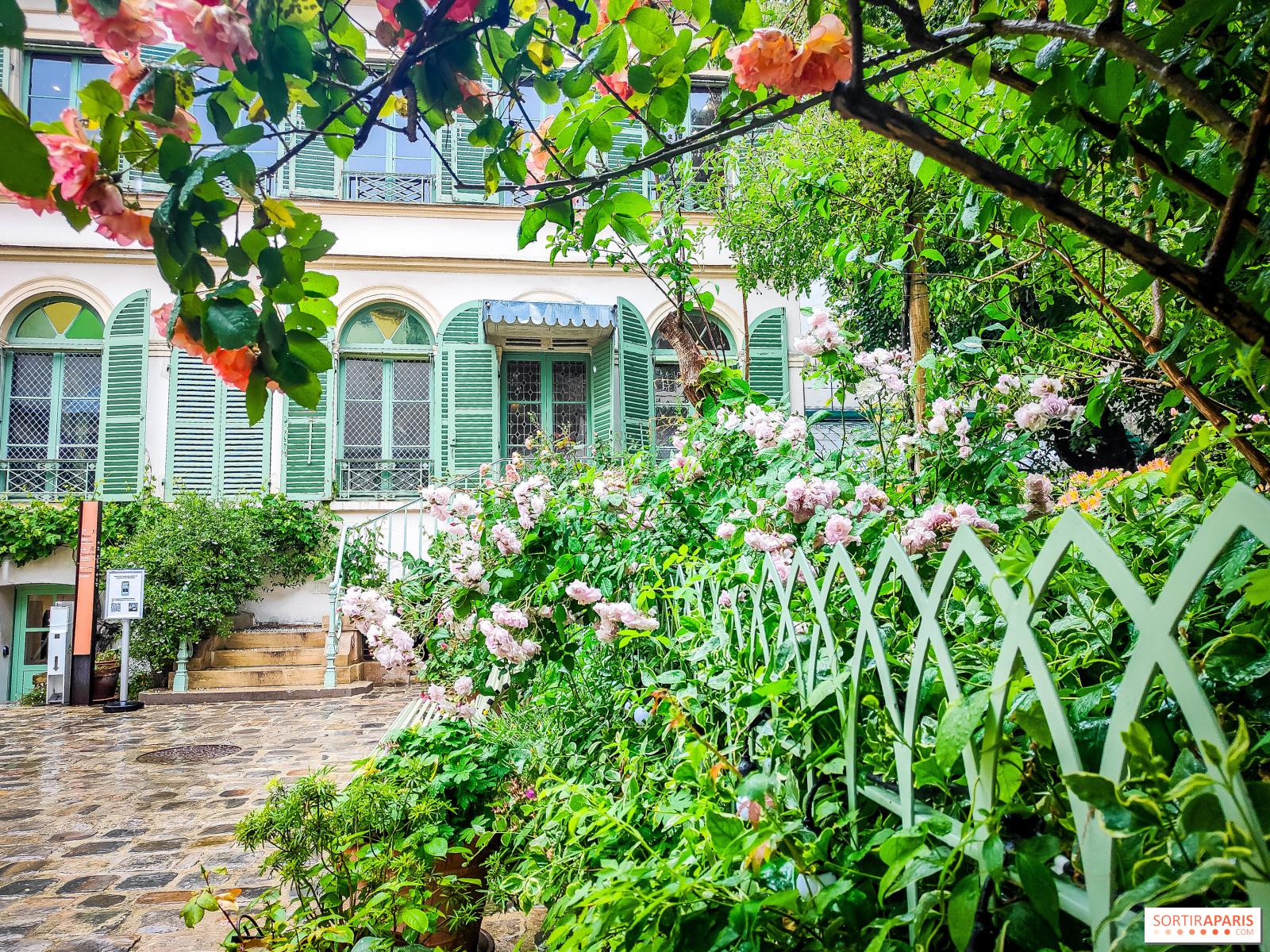
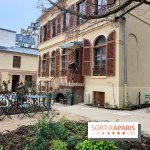
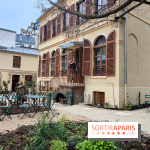
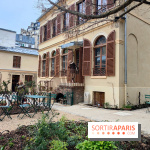
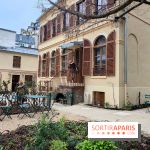
Musée de la Vie Romantique (9ᵉ arr.). This museum, located in theHôtel Scheffer-Renan, features a floor dedicated to the author, showing manuscripts, portraits, memorabilia and miscellaneous objects. The institution organizes exhibitions devoted to George Sand, her links with painting, music, literature and feminism.
Rue George-Sand (16ᵉ arr.). In 1886, ten years after his death, Paris renamed rue de Rémusat rue George-Sand.
Villa George-Sand (16ᵉ arr.). Extending this intention, this dead-end street, between numbers 24 and 26 rue George-Sand, was opened in 1913.
The Musée de la Vie Romantique in Paris: a lush, artistic haven brimming with charm
In Paris, the Musée de la vie romantique is a hidden gem, a favorite among locals and visitors alike. Don’t miss the chance to explore this charming museum and its enchanting garden, tucked away in the 9th arrondissement. [Read more]
This page may contain AI-assisted elements, more information here.
Location
Museum of Romantic Life
16 Rue Chaptal
75009 Paris 9
Route planner
Accessibility info
Access
M°2 - Blanche





















 The Musée de la Vie Romantique in Paris: a lush, artistic haven brimming with charm